Why do so many suffer with CTS?

According to the literature, carpal Tunnel Syndrome (CTS) is one of the most prevalent upper extremity complaints. In fact, it IS the most common “compression neuropathy” (of which there are many) and affects 3-6% of adults in the general population. Additionally, CTS can affect BOTH hands in up to 50% of patients with the condition!

The CAUSE of CTS is often unknown and typically comes on gradually, making it difficult to determine a definite cause or specific “date of onset” for CTS.

Symptoms such as numbness, tingling, loss of dexterity, loss of strength (like pinch or grip), and the need to shake the hand or flick the fingers to restore sensation are ALL VERY COMMON CTS SYMPTOMS. The REASON for these symptoms boils down to one thing: The median nerve in the wrist gets pinched! The cause/s can include:

1)  Repetitive motion from either work or hobbies like assembly line work or playing a musical instrument can cause swelling within the carpal tunnel, placing extra pressure on the median nerve as it passes through.

2)  Obesity can contribute to CTS due to extra fluids or fatty deposits that can build up within the carpal tunnel.

3)  Pregnancy: Elevated levels of the hormones estrogen and progesterone can cause the body to retain fluids and increase pressure in the carpal tunnel.

4) Arthritis: Osteoarthritis can lead to CTS (such as when a spur forms inside the tunnel). Rheumatoid arthritis can lead to an autoimmune response and antibodies that end up attacking the cartilage of the joints in the wrist, which can lead to CTS.

5)  Hormone-related conditions: In diabetes mellitus, the blood becomes thicker due to high sugar levels (like syrup) and can’t pass through the small blood vessels, resulting in “neuropathy,” which can make CTS more likely. In hypothyroid, low thyroid function results in “myxedema,” a specific type of swelling that makes CTS more likely to occur.

6)  Trauma: A wrist fracture could cause the carpal tunnel to “collapse” or change in shape resulting in less space for the nerve to travel through.

7)  Mass lesions: A “ganglionic cyst” is a good example. This is where joint fluid leaks out and forms a “bump” on the INSIDE the carpal tunnel, which reduces space and increases pressure in this anatomical structure.

8)  Amyloidosis: This is a rare condition where a protein substance called “amyloid” builds up in any tissue or organ. If this occurs in the wrist, it can “pinch” the median nerve as it passes through.

9)  Sarcoidosis: This is the growth of small collections of inflammatory cells called “granulomas,” which can accumulate in different parts of the body. If it occurs in the wrist, pinching can occur.

10)  Multiple Myeloma: This is a type of cancer that affects the bone marrow, and inflammation in the wrist can occur creating the pressure increase on the median nerve that can lead to CTS.

11)  Leukemia: This too is a type of cancer that involves the white blood cells, and CTS can result from its effects on the tissues in the wrist.

12)  Anatomy: The size and shape of the carpal tunnel is hereditary, and some of us have a smaller tunnel than others. If CTS is present in multiple family members, this “genetic” factor may play a role.

There are other conditions that can “mimic” CTS, but doctors of chiropractic are trained to perform an accurate history and examination so treatment can be directed in the proper manner!

Food Myth #3

how-much-cholesterol-in-eggs

Avoid eggs because of their cholesterol content.

Eggs got a bad rep years ago because we thought they contributed to a rise in levels of LDL (Bad) cholesterol. The most recent research shows that eggs don’t actually contribute to high cholesterol at all and are a great source of iron, zinc, lutein, vitamin D and choline, not to mention a cheap, easy source of protein.

So go ahead with your eggs tomorrow morning! You’ll be healthier for it.


eggs.png


https://www.heartfoundation.org.au/healthy-eating/food-and-nutrition/protein-foods/eggs
https://www.eatrightontario.ca/en/Articles/Heart-Health/Understanding-Eggs-and-Cholesterol-How-many-eggs.aspx
https://www.health.harvard.edu/heart-health/are-eggs-risky-for-heart-health

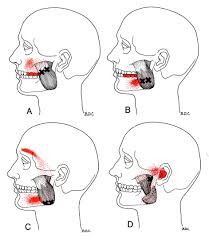
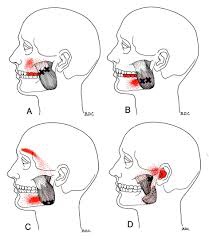
Trigger points in the masseter muscle

The masseter is the main muscle that moves your jaw. It originates on the zygomatic arch and maxilla, and inserts on the coronoid process and Ramus of the mandible. It’s actions are to elevate the mandible and close the jaw. The deep fibres of this muscle also retrude the mandible. This muscle commonly harbours trigger points as a result of teeth grinding. Trigger points in this muscle are often also associated with tmj dysfunction. Trigger points in the upper part of this muscle will refer pain to the upper molars and maxilla often felt as sinusitis. Trigger points in the lower portion of this muscle refer to the lower molars and temple. All trigger points can cause tooth sensitivity

Food Myth #2

Meal Prep

Mixing Carbs, Fats & Proteins is hard on digestion

I’ve heard this myth from people for years and I have no clue where it came form. The idea is that by combining foods you will overwhelm your digestive system and minimize proper absorption of nutrients.

In reality, there is zero science to back this up. Your body is more than capable of dealing with multiple food type as soon as they enter your system. The acids in your stomach will start working on every ounce of food you ingest without fail regardless of the make up of your meal.

Trying to separate carbs, proteins and fats into individual meals over the course of the day while also trying to eat healthy is an unnecessary complication to an already complicated process. Enjoy balanced, healthy meals without worrying about the processes your body uses to get the nutrients into your system.

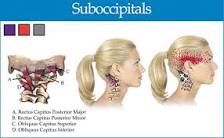
Trigger points in the suboccipitals.

img_0248-1

The suboccipitals are a group or four muscles that attach to the transverse and spinous process of C1 and C2 and the occipital bone.

These muscles provide extension side bending and rotation movements between the occiput and C1 and C2. These muscles are often overloaded due to postural strain. A classic example being sitting in front of a computer all day.

When these muscles are overloaded trigger points can develop. Pain and symptoms of trigger points in the suboccipitals include head pain that penetrates into the skull but is difficult to localize.

Patients are likely to describe the pain as “all over” including the occiput, eye and forehead, but without any clarity. Trigger points in these muscles are often associated with tension head aches

.

How Do We Choose A Mattress?

In-bed-after-no-sleep
The age and quality of your mattress have a major impact on how you feel. A worn-out mattress can certainly contribute to back and neck problems. Most experts agree that traditional mattresses should be replaced every 5-8 years. Since you spend about one third of your life in bed, choosing the right mattress is critical. Unfortunately, mattress selection is a highly individual process as there is no single “best” mattress. The following tips will help you make an informed decision:

* Choose a medium-firm model. Mattresses that are either too soft or excessively firm can aggravate back pain.

* Keep the pillow-top relatively thin. An excessively plush topper is the equivalent of placing a cheap mattress on top of a good one.

* Always replace the box spring foundation when you replace the mattress.

* Don’t choose the most expensive mattress in the store- but don’t set your budget unreasonably low. Bargain mattresses are not a good option. Your savings should be focused on avoiding unnecessary add-ons (mattress covers, custom sheets, pillows, etc).

* Look for vendors that provide an in-home warranty that allows you to exchange the mattress if it does not meet your expectations.

* Your chiropractor may be able to provide additional suggestions to help you choose between, coil spring, memory foam, water and air beds.

Fibromyalgia and Exercise

295

Are there differences in lifestyle between people with vs. without fibromyalgia (FM)?

A recent study found women with FM found spend more time engaged in sedentary behaviors and less time in physical activity. In the study, researchers followed 413 female patients with FM and 188 age-matched healthy female controls. Researchers used three different approaches to access physical activity: a triaxial accelerometer to examine sedentary time, time spent in physical activity, and step counts.

They discovered those who suffered from FM spent an average of 39 more minutes per day in sedentary activity and 21 fewer minutes per day in light physical activity, 17 fewer minutes per day in moderate physical activity, and 19 fewer minutes per day in moderate-to-vigorous physical activity. In addition, those with FM took a mean of 1,881 fewer steps that those without FM.

Now, this isn’t really a surprise given the fact that people with FM are in pain and more likely to have difficulties sleeping and tolerating prolonged activities. After comparing the sufferers to the non-sufferers, the researchers found only 21% of FM patients vs. 46% of non-FM controls achieved the recommended 150 minutes/week (a little over 20 min. / day) of “moderate-to-vigorous” physical activity. They also found that only 16% vs. 45%, respectively, walked the recommended ≥10,000 steps per day.

One of the BEST forms of exercise for most people is walking. A walking program should be a staple exercise. It’s important to note that this should be GRADUALLY introduced so as to avoid an overuse injury—strain or sprain of the muscles and joints. This gradual introduction into activity is ESPECIALLY important for the FM sufferer as overuse injuries can make them afraid to do something that can REALLY help when done correctly!