Preventing Compensation Patterns: Optimal Functionality and Performance | Office Approach

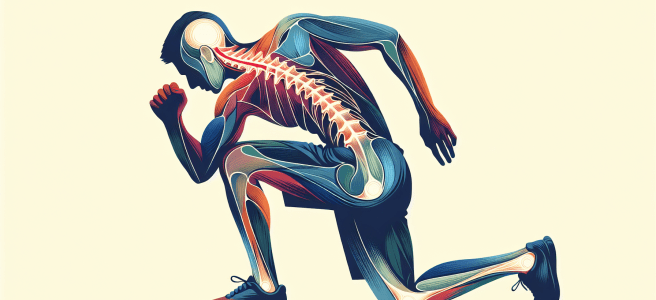
Athletes and the general public alike often develop compensation patterns when mild, non-debilitating injuries go untreated. These compensatory patterns can significantly impact performance, whether in sports or daily activities, often resulting in pain and difficulty in movement. Recognizing and addressing these issues is crucial for maintaining optimal functionality and quality of life.

Our office is dedicated to identifying, correcting, and preventing these dysfunctional patterns as part of our comprehensive care approach, especially for patients dealing with long-term pain. When it comes to acute injuries—those that are new or recent—our focus on preventing these patterns is paramount. Addressing them early can lead to a quicker and smoother return to sports, work, and daily life.

Untreated mild injuries can subtly alter the way we move, causing the body to adapt in ways that are not always beneficial. For example, an untreated sprained ankle might cause an individual to favor the uninjured foot, leading to imbalances and strain in other parts of the body. Over time, these imbalances can cause additional problems, such as knee, hip, or back pain. In athletes, even minor changes in movement patterns can lead to significant decreases in performance and an increased risk of further injury.

Our approach to care involves a thorough assessment of each patient’s movement patterns and injury history. This allows us to pinpoint areas where compensations may be occurring. By addressing these issues early, we can help prevent the development of chronic pain and dysfunction. For those already experiencing long-term pain, our goal is to correct these patterns to restore normal function and alleviate discomfort.

In acute injury cases, early intervention is key. When an injury is fresh, the body is in a heightened state of healing and adaptation. This is the ideal time to ensure that healing occurs correctly and that no maladaptive compensation patterns are established. Our treatment plans for acute injuries are designed to support the body’s natural healing processes while providing the guidance and interventions needed to maintain proper movement and function.

Preventing compensation patterns involves a combination of techniques tailored to each individual’s needs. This may include manual therapies to address soft tissue restrictions, joint mobilizations to restore proper alignment and movement, and corrective exercises to strengthen and retrain affected muscles. Education is also a critical component, as understanding how and why compensations occur can empower patients to make adjustments in their daily lives that support their recovery and long-term health.

For athletes, this approach not only helps in recovering from injuries but also enhances overall performance. By ensuring that movement patterns are efficient and free of compensations, athletes can move more effectively, reducing the risk of future injuries and optimizing their physical capabilities.

In conclusion, the development of compensation patterns following untreated mild injuries can lead to decreased performance and increased pain. Our office is committed to addressing these issues through a comprehensive approach that includes identifying, correcting, and preventing dysfunctional movement patterns. Whether dealing with chronic pain or recovering from a recent injury, our goal is to support our patients in achieving a quick and seamless return to their desired activities, free from pain and with improved functionality. Through early intervention and personalized care, we aim to enhance the quality of life and performance for all our patients.

Improving Your Golf Game with Chiropractic Care: A Complete Guide

Hey there, golfers! Whether you’re a seasoned pro or just getting into the swing of things (pun totally intended), you probably know that golf is more than just a game – it’s a way of life. But did you know that chiropractic care can be a game-changer for golfers of all skill levels? That’s right, folks – it’s time to tee up and talk about why chiropractic is crucial for keeping you on top of your game.

Let’s start with the basics: your body. Golf might not seem like the most physically demanding sport, but trust me – it takes a toll on your body, especially if you’re out on the course for hours at a time. All that twisting, turning, and swinging can put a serious strain on your muscles and joints, leading to aches, pains, and even injuries. That’s where chiropractic care comes in.

Chiropractors are experts in the musculoskeletal system, which means they know a thing or two about keeping your body in tip-top shape. By using hands-on techniques like spinal adjustments, soft tissue therapy, and corrective exercises, chiropractors can help relieve tension, improve flexibility, and restore proper alignment to your spine and joints. And when your body is functioning at its best, you can bet your golf swing will be too.

Now, let’s talk about performance. Whether you’re trying to shave strokes off your handicap or just aiming to beat your buddies on the weekend, every golfer wants to play their best. And guess what? Chiropractic care can help with that too. By addressing imbalances in your body, chiropractors can help improve your range of motion, enhance your balance and coordination, and even boost your power and distance off the tee. That’s right – with a little help from your friendly neighborhood chiropractor, you could be hitting longer, straighter shots in no time.

But it’s not just about the physical aspect of the game – chiropractic care can also give you a mental edge on the course. Let’s face it – golf is as much a mental game as it is a physical one. And when your body is feeling good, your mind is free to focus on the task at hand: sinking that birdie putt or nailing that tricky approach shot. Plus, regular chiropractic adjustments have been shown to reduce stress and anxiety, improve sleep quality, and enhance overall well-being – all of which can help you stay calm, cool, and collected under pressure.

Now, I know what you’re thinking: “But I’m not injured, so why do I need to see a chiropractor?” Great question! The truth is, chiropractic care isn’t just for treating injuries – it’s also about preventing them. By keeping your body in alignment and addressing any imbalances or weaknesses before they become major issues, chiropractors can help you stay injury-free and playing your best for years to come.

So whether you’re a weekend warrior or a tour pro, don’t overlook the importance of chiropractic care for your golf game. Schedule regular check-ups with your chiropractor, incorporate corrective exercises into your routine, and listen to your body – it’ll thank you for it on the course. And who knows? With a little help from chiropractic, you might just be the next big thing in golf.

Neck Pain Risk: The Influence of Exercise-Induced Fatigue on Proprioception

Chiropractic: Fatigue Is a Risk Factor for Neck Pain.

The intricate relationship between exercise-induced fatigue and neck proprioception, as elucidated in a study featured in Ortopedia, Traumatologia, Rehabilitacja in February 2015, sheds light on the multifaceted interplay between physical exertion and musculoskeletal health in healthy young adults.

Exercise-induced general fatigue, a common phenomenon experienced during and after vigorous physical activity, has been found to exert discernible effects on neck proprioception. Proprioception, the body’s innate ability to perceive the position and movement of its various body parts in space, plays a pivotal role in maintaining balance, stability, and postural alignment.

The study reveals that even subtle alterations in neck proprioception induced by exercise-induced fatigue can disrupt the delicate equilibrium of body stability and posture. This disruption may manifest as increased strain and tension in the head, neck, and shoulders, potentially predisposing individuals to neck pain and musculoskeletal discomfort.

By compromising the body’s ability to accurately perceive and adjust to changes in position and movement, reduced neck proprioception may place added stress on the cervical spine and surrounding musculature, exacerbating the risk of strain, injury, and pain.

These findings underscore the importance of integrating targeted interventions to enhance neck proprioception into exercise regimens, particularly among young adults engaged in vigorous physical activity. By incorporating exercises aimed at improving proprioceptive awareness, balance, and postural control, individuals can mitigate the adverse effects of exercise-induced fatigue on neck health, promoting optimal musculoskeletal function and well-being.

Moreover, these insights underscore the need for further research to elucidate the mechanisms underlying the relationship between exercise-induced fatigue, proprioception, and neck pain, paving the way for more effective preventive strategies and rehabilitative interventions in the realm of musculoskeletal rehabilitation.

Turf Toe

What is Turf Toe?

Photo by Meruyert Gonullu on Pexels.com

Turf Toe is a sprain of the ligaments and irritation of the joint capsule in the big toe following forced and repeated extension movements.

This condition often occurs in athletes using soft sports shoes on a synthetic turf playing surface and accelerating while running.

The severity of the injury can range from a mild stretching to a complete rupture of the capsule and surrounding ligaments. In some cases, this condition can lead to damage to the muscles that flex the big toe. It may also be associated with a small bone tear at the muscle attachment site of these muscles.

Turf Toe can produce, but is not limited to, pain, joint stiffness, difficulty with impact activities such as running, and sometimes localized big toe edema.

Stress Fracture

A stress fracture is an overuse injury. This type of fracture is defined by a tiny crack in the bone, mainly caused by repetitive forces over time.

This condition affects mainly people that are involved in activities such as walking, running or jumping, where the lower body must absorb the bodyweight. Stress fractures can also develop from the normal use of a bone that’s weakened by a condition such as osteoporosis.

Generally, this injury happens when training intensity and/or volume is increased too quickly with inadequate recovery. Starting a new activity, modifying the training surface and quickly transitioning to a new type of inadequate training shoes are among the risk factors.

A stress fracture can cause but is not limited to, pain and difficulty in weight-bearing activities and localized swelling.

#Chiropractic #PainRelief #Healthyliving #LaserTherapy #Winnipeg #BackPain #NeckPain #Headache #Fitness #Athlete #Wellness

Contact us for treatment in Winnipeg

Find and Follow us on Twitter and Instagram!

Rotator Cuff Tendonopathy

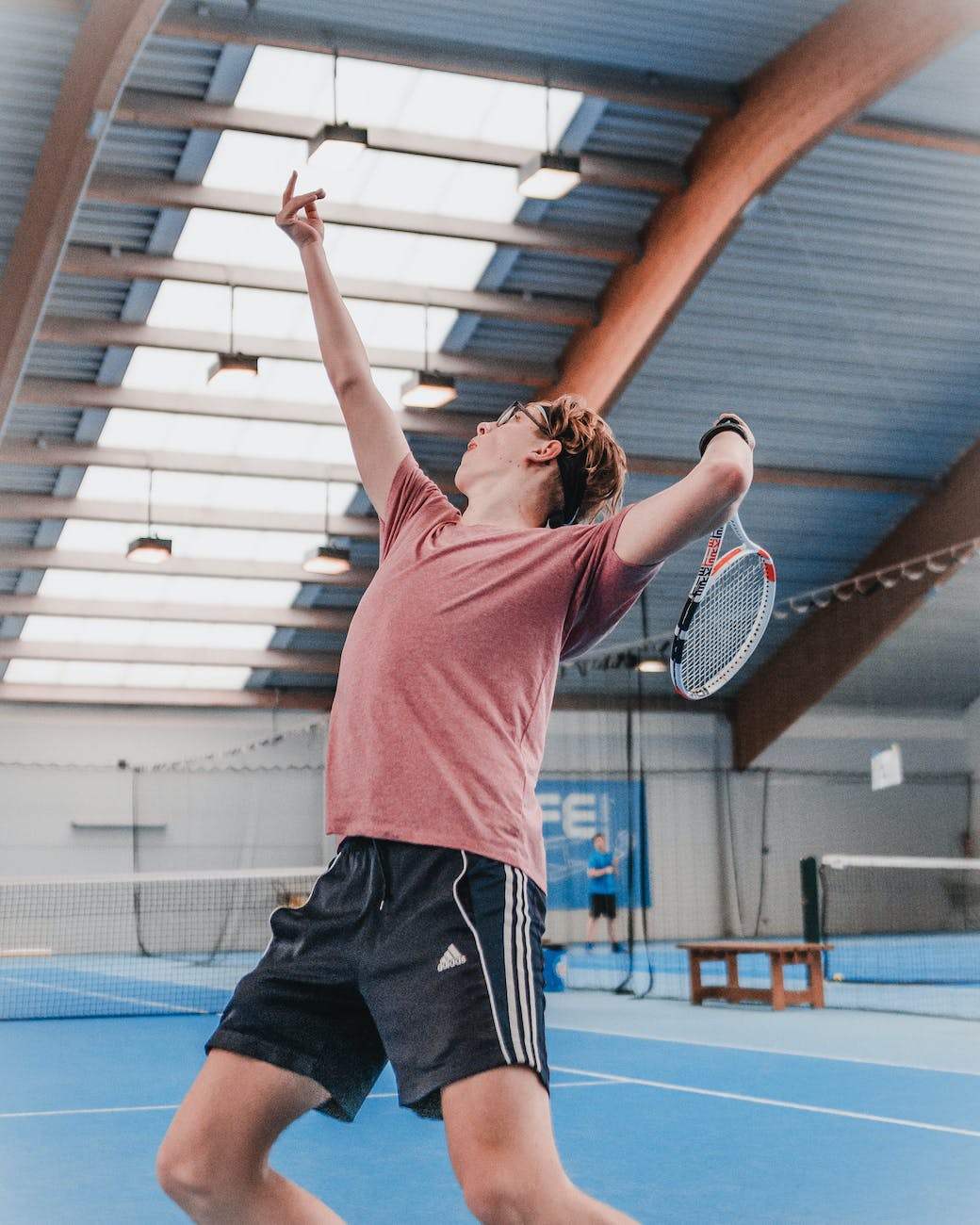
Overhead Athlete? This one’s for you!

Rotator cuff tendinopathy is an irritation of one or more tendons of a group of muscles stabilizing the shoulder called the rotator cuff.

Repeated overhead movement can, over time, cause irritation, inflammation and/or a lesion to these tendons.

The rotator cuff consists of four muscles that help position the humerus, your upper arm bone, into the shoulder socket during arm movement.

The shoulder has great mobility but is prone to injury during falls or accidents, or in case of altered motor control.

Rotator cuff tendinopathy can cause, but is not limited to, pain felt at the shoulder and sometimes the scapula, a pinching sensation, loss of strength and active range of motion, and localized swelling.

The pain and pinching sensation are often felt when raising the arm overhead or when lowering the arm from an elevated position. Pain may also be present at night. In more advanced cases, you may additionally feel pain during the day while at rest.

Treatment consists of Class IV Laser Therapy, management of any biomechanical stresses in the area and exercise rehabilitation to address any weaknesses that can be putting undue stress on the area. 

Contact us for treatment in Winnipeg

Find and Follow us on Twitter and Instagram!

#LaserTherapy
#ShoulderInjuries
#Winnipeg
#Chiropractic
#ArmInjury
#RotatorCuff

Rotator Cuff Tears

A rotator cuff tear means that one or more tendons of a group of muscles stabilizing the shoulder – called the rotator cuff – is torn either partially or fully.

The rotator cuff consists of four muscles that help stabilize the humerus (upper arm bone), in the shoulder socket during arm movements.

The shoulder has great mobility but is prone to injury during falls or accidents, or in case of altered motor control.

A tear of the rotator cuff can cause but is not limited to, pain at the shoulder and sometimes the scapula, loss of strength and active range of motion, and sometimes localized swelling.

Pain or weakness is often felt when lifting the arm overhead or when lowering it from an elevated position. Pain may also be present at night. In more advanced cases, one may additionally feel pain during the day while at rest.

Relative rest is a good way to protect your shoulder and prevent further damage, but it’s important to avoid overprotecting your injury. A few days rest where you avoid pain-inducing movement and activities might be necessary. Returning to your activities of daily living, light cardiovascular exercise and specific mobility and strengthening exercises will allow better recovery.

Treatment of rotator cuff injuries consists of Acupuncture, Class IV Laser Therapy, management of any biomechanics stresses in the area and exercise rehabilitation to address any weaknesses that can be putting undue stress on the area. 

#LaserTherapy
#ShoulderInjuries
#Winnipeg
#Chiropractic
#Acupuncture
#RotatorCuff

Pubalgia Pain

Pubalgia is pain in the central point of the pubis, the pubic symphysis, which develops mainly after overexertion during sports activities. Repeated microtraumas or excessive strain on the abdominal and hip adductor muscles can cause slight shearing of this joint and generate pain felt in the groin area.

Pubalgia can produce, but is not limited to, pain in the pubic area and towards the groin area, difficulty in tolerating weight bearing and impacts during walking and running.

Relative rest is a good way to protect yourself and prevent your pubalgia from getting worse, but it’s important to avoid overprotecting. A few days of rest by reducing activities that cause pain may be needed. A progressive return to your activities of daily living, light cardiovascular activities that do not cause pain, and strengthening exercises will allow for better recovery.

#Chiropractic #PainRelief #Healthyliving #LaserTherapy #Winnipeg #BackPain #NeckPain #Headache #Fitness #Athlete #Wellness

Contact us for treatment in Winnipeg

Find and Follow us on Twitter and Instagram!

Weight Lifting For Weight Loss?

Lifting weights is an important aspect of any weight loss program. While it may seem counterintuitive to lift weights when trying to lose weight, it can actually be an effective way to shed pounds and keep them off. Here are some reasons why lifting weights is important for weight loss:

  1. Increases muscle mass: Lifting weights can help to increase muscle mass, which can boost metabolism and help the body burn more calories. This is because muscle is more metabolically active than fat, meaning that it requires more energy to maintain. By increasing muscle mass, you can increase your resting metabolism and burn more calories throughout the day.
  2. Burns calories: Lifting weights can also help to burn calories during the actual workout. While it may not burn as many calories as cardio exercises like running or cycling, it can still be an effective way to burn calories and contribute to weight loss.
  3. Increases strength: Lifting weights can help to increase strength and improve overall physical fitness. This can be especially beneficial for people who are new to exercise or have been inactive for an extended period of time.
  4. Improves body composition: Lifting weights can help to improve body composition by increasing muscle mass and decreasing body fat. This can lead to a leaner, more toned appearance and improved overall health.
  5. Reduces risk of injury: Lifting weights can help to reduce the risk of injury by increasing muscle strength and improving balance and coordination. This can be especially beneficial for people who participate in high-impact activities or sports.
  6. Enhances weight loss: While lifting weights alone may not lead to significant weight loss, it can be an important component of a weight loss program when combined with a healthy diet and regular cardio exercise. By lifting weights and increasing muscle mass, you can boost metabolism and burn more calories, which can help to enhance weight loss.
  7. Increases bone density: Lifting weights can also help to increase bone density, which can reduce the risk of osteoporosis and other bone-related conditions.
  8. Improves mental health: In addition to the physical benefits, lifting weights can also have a positive impact on mental health. It can help to reduce stress and improve mood, which can be beneficial for people who are trying to lose weight.

It is important to use proper technique when lifting weights to avoid injury and get the most out of the exercise. Here are some additional tips to keep in mind:

  1. Use a weight that is appropriate for your fitness level: It is important to start with a weight that is appropriate for your fitness level and gradually increase the weight as you become stronger. Using too much weight can lead to poor technique and increase the risk of injury.
  2. Keep your form consistent: Maintain proper form throughout the exercise to ensure that you are targeting the correct muscles and reducing the risk of injury.
  3. Focus on good posture: Good posture is essential for proper weight lifting technique. Keep your shoulders back and down and avoid rounding your back or leaning too far forward or backward.
  4. Don’t rush the movement: Take your time with the exercise and focus on good technique rather than trying to lift the weight as quickly as possible.
  5. Warm up properly: It is important to warm up properly before lifting weights to help prevent injury. This can include dynamic stretches and a few warm-up sets with lighter weights.

Kneecap Pain

Patellofemoral syndrome is an irritation of the articular surface between the kneecap and the femur, your thigh bone, that causes pain under and around the kneecap.

Climbing stairs, running and walking for a prolonged period of time often increases pain. Pain can also be felt after sitting for a long time or squatting.

Patellofemoral pain is more prevalent among young women than men, and more prevalent in the active population.

Patellofemoral syndrome can cause, but is not limited to, pain at the front of the knee, difficulty with weight-bearing and squatting and sometimes swelling. Pain can also irradiate under and around the knee. Creaking or grinding sensations can occur during physical activity.

Treatment of Patellofemoral Syndrome consists of Class IV Laser Therapy, management of any biomechanics stresses in the area and exercise rehabilitation to address any weaknesses that can be putting undue stress on the area. 

#LaserTherapy
#KneeInjuries
#Winnipeg
#Chiropractic
#SportsInjury
#Athlete