Managing Scapular Dyskinesis: Exercise, Posture, and Chiropractic Care

Your shoulder is composed of three bones: the scapula (shoulder blade), the clavicle (collar bone), and the humerus (upper arm bone). These bones come together to form a shallow ball-and-socket joint that relies heavily on the surrounding muscles for support. For your shoulder joint to remain healthy and stable, all the muscles must work in a coordinated manner. When the normal rhythm of your shoulder blade is disrupted, it creates abnormal strain on your shoulder and rotator cuff, a condition known as “scapular dyskinesis.” This dysfunction can crowd the area where your rotator cuff tendons reside, potentially causing painful pinching of the tendons or bursa each time you raise your arm. Many shoulder issues, including sprains, strains, tendinitis, bursitis, or rotator cuff irritation, can result from this often overlooked condition.

Scapular dyskinesis most commonly arises from weakness or imbalance in the muscles that control your shoulder blade. Other times, it can be caused by shoulder conditions such as prior fractures, arthritis, or instability. In about 5% of cases, irritation of the nerves that control the shoulder muscles is the underlying cause.

Despite its potential to cause various shoulder problems, scapular dyskinesis may initially go unnoticed. Studies show that up to 75% of healthy college athletes exhibit some form of abnormal shoulder blade movement. If left untreated, you may begin to experience pain near the top of your shoulder, which can sometimes radiate toward your neck or down your arm. Patients often report a tender spot on the front of their shoulder. Over time, these altered mechanics can lead to more serious issues, including rotator cuff injuries, shoulder instability, and arthritis.

Effective management of scapular dyskinesis involves a multifaceted approach, including consistent exercise, posture awareness, and chiropractic care. Exercises designed to strengthen and balance the shoulder muscles are crucial and must be performed regularly. Additionally, maintaining good posture and avoiding slouched positions can prevent aggravation of the condition.

Chiropractic care plays an important role in the treatment of scapular dyskinesis. Chiropractors are skilled in assessing and addressing musculoskeletal imbalances, including those affecting the shoulder. Through targeted adjustments and therapies, chiropractic care can help restore proper alignment and function to the shoulder blade and surrounding muscles. This approach not only alleviates pain but also prevents the development of further complications by ensuring that the shoulder joint moves correctly.

Chiropractors can also provide valuable guidance on exercises and stretches tailored to your specific needs, enhancing the effectiveness of your rehabilitation efforts. By addressing the root causes of scapular dyskinesis, chiropractic care can help you achieve better shoulder stability and overall joint health.

In summary, scapular dyskinesis is a common but often overlooked cause of shoulder problems. It results from muscle imbalances or weakness, previous injuries, or nerve irritation. Left untreated, it can lead to significant pain and further complications. Consistent exercise, good posture, and chiropractic care are essential components of an effective treatment plan. By incorporating these elements, you can manage scapular dyskinesis effectively, improve shoulder function, and prevent future issues.

Biceps Tendinitis: Causes, Symptoms, and Treatment Options

Your biceps muscle attaches to your shoulder through two strong fibrous bands called “tendons.” The term “biceps tendinitis” means that one of these bands has become painfully irritated from strain or degeneration. Sometimes the tendon may be strained by an accident or lifting injury. Biceps tendinitis more often results from repeated pinching of the tendon beneath the bony part of your shoulder from a condition called “impingement.” Repeated overhead activity, like throwing, swimming, gymnastics, and racquet sports are known culprits. Biceps tendinitis is often accompanied by other conditions, like rotator cuff tears or injuries to the cartilage around the rim of your shoulder joint. Factors that make you more likely to develop biceps tendinitis include: improper lifting techniques, inflexibility, poor posture, or repetitive overloading.

Your symptoms likely include a deep, throbbing ache over the front of your shoulder. The pain often refers toward the outside of your arm. The main job of your biceps muscle is to flex your elbow and turn your palm up, so overhead movements or activities that require flexion of your elbow may cause pain. Patients often report increased discomfort when initiating activity. Night time symptoms are common, especially if you lie on your affected shoulder. Be sure to tell your doctor if you notice popping, catching, or locking during movements, as this may suggest an additional problem. A painful, loud “pop” followed by relief with a visible bulge in your biceps (Popeye deformity) suggests that your tendon has ruptured.

Surgery is rarely required for biceps tendon problems unless you are a young athlete or worker who performs exceptionally heavy physical activity and have completely ruptured your tendon. The most effective treatment for the majority of biceps tendinitis patients is conservative care, like the type provided in our office. Initially, you may need to avoid heavy or repetitive activity, (especially overhead activity and elbow flexion) as returning to activity too soon may prolog your recovery. You should specifically avoid military presses, upright rows, and wide grip bench presses until cleared by your doctor. You may use ice over your shoulder for 10-15 minutes at a time each hour. The exercises described below will be a very important part of your recovery and should be performed consistently. http://ow.ly/i/uGMvV

Preventing Hamstring Strains: Strengthening and Stretching Techniques

The hamstring, a crucial group of muscles at the back of the thigh, facilitates knee flexion, allowing movements like bringing your heel toward your buttock. A hamstring strain occurs when these muscles or their tendons are stressed beyond their capacity, akin to overstretching a rope. This overexertion can result from activities such as running or excessive stretching, leading to tearing, bleeding, bruising, swelling, pain, and loss of function.

Symptoms of a hamstring strain range from mild discomfort to severe pain, depending on the extent of tissue damage. Often, strains occur suddenly, characterized by tearing, burning, or popping sensations accompanied by immediate pain below the buttock. Pain exacerbates when straightening the leg, walking, or bending forward, with bruising commonly appearing near the injury site. Inform your doctor of any additional symptoms such as lower back pain, calf pain, exacerbation with coughing or sneezing, or the presence of a rash on the thigh.

Hamstring injuries are more prevalent when muscles are fatigued, occurring more frequently with age. Factors like excessive tightness or weakness in the hamstring, quadriceps dominance, insufficient core strength, or poor running form increase susceptibility to injury. Addressing these predisposing factors through appropriate stretching, strengthening, and technique correction can help prevent hamstring strains and promote overall muscle health and function.

#Chiropractic #Winnipeg #FitLife #Wellness

Understanding Knee Sprains and Ligament Injuries: Grades, Symptoms, and Treatment

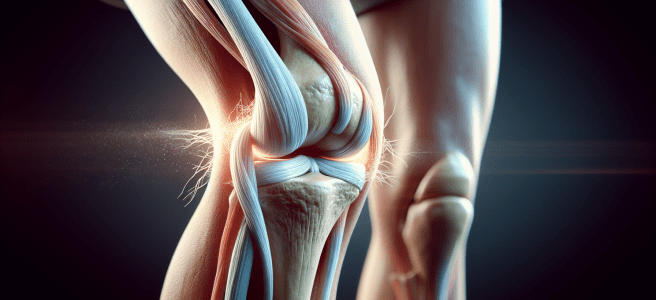
“Ligaments” are made up of many individual fibers running parallel to each other and bundled to form a strong fibrous band. These fibrous bands hold your bones together. Just like a rope, when a ligament is stretched too far, it begins to fray or tear. “Sprain” is the term used to describe this tearing of ligament fibers.

Sprains are graded by the amount of damage to the ligament fibers. A Grade I sprain means the ligament has been painfully stretched, but no fibers have been torn. A Grade II sprain means some, but not all of the ligamentous fibers, have been torn. A Grade III sprain means that all of the ligamentous fibers have been torn, and the ligament no longer has the ability to protect the joint. Knee sprains commonly involve one or more of your knee’s ligaments including: the medial collateral, lateral collateral, anterior cruciate, and posterior cruciate.

Most knee sprains begin as the result of a sudden stop, twist, or blow from the side or front. Some patients recall a “pop” or “snap” at the time of injury. Knee sprains cause pain and swelling within the joint. Your knee may be tender to touch, and some patients report a sensation of “giving way” or difficulty walking.

Most knee sprains can be successfully managed without surgery but will require some work on your part. Initially, a period of rest may be necessary in order to help you heal. Mild Grade I sprains may return to activity in a couple of days, while more severe injuries may take six weeks or longer to recover. You can help reduce swelling by elevating your knee and using an ACE wrap for compression. Applying ice or ice massage for 10 minutes each hour may help relieve swelling. Depending upon the severity of your sprain, you may need to wear a knee brace to help protect you from further injury. If walking is painful, crutches may be necessary.

Understanding Acromioclavicular Sprain: Causes, Symptoms, and Treatment

The term “acromioclavicular sprain” means that you have damaged the strong fibrous bands (ligaments) that hold the end of your collarbone (clavicle) to the tip of your shoulder blade (scapula). Another term sometimes used to describe this injury is “shoulder separation.” 40-50% of all athletic shoulder injuries involve the acromioclavicular (AC) joint. AC injuries are common in adolescents and young adults who participate in contact sports, like hockey and football. Males are affected five times more often than females.

Injuries may range from mild fraying of a single ligament to complete rupture of all of the supporting ligaments. Significant tears can allow your collarbone to move upward, out of its normal position, creating a raised bump under your skin. AC joint injuries are categorized (Grade 1-Grade 6) based upon the amount of damage. Grade 1 injuries are tender without joint separation. Grade 2 injuries may be accompanied by a slight separation of the joint. Grade 3 and above will show significant joint separation.

Injuries typically occur following a fall onto the point of your shoulder, while your arm is at your side, or by falling onto your outstretched hand. You will most likely feel pain and swelling on the very top of your shoulder. More significant injuries may produce bruising or a visible “bump” beneath the skin. Moving your shoulder will likely be painfully limited for a while.

Your treatment will vary, depending upon the severity of your injury. Grade 1, 2, and most Grade 3 injuries are best managed conservatively. A sling may be used only when needed to control painful movements. Initially, you will need to limit activity, especially reaching overhead, behind your back, or across your body. The exercises described below are an important part of your rehab and should be performed consistently to avoid long-term problems. Using an ice pack for 10-15 minutes each hour may help to limit swelling and pain.

Some mild separations will heal by themselves within a week or two. More significant injuries can take longer, and disabilities typically range between one and eight weeks. Patients who have suffered a significant amount of ligament damage may have a permanent bump on their shoulder, regardless of treatment. This bump does not usually cause ongoing problems.

Young Elite Athletes: The Power of Personal Training for Success

In the highly competitive world of youth sports, the pursuit of excellence begins at a young age. Young elite athletes face immense pressure to perform, improve, and achieve their goals. To navigate this challenging landscape, personal training can be a game-changer. It provides tailored, professional guidance that helps young athletes maximize their potential, stay injury-free, and maintain a balanced approach to their training. Here are some key benefits of personal training for young elite athletes.

1. Customized Training Programs

Young athletes have unique needs based on their sport, position, and physical development. Personal trainers specialize in creating customized training programs that address these specific requirements. They take into account the athlete’s strengths, weaknesses, and goals, crafting a regimen that optimizes performance. This individualized approach ensures that the athlete is training in the most effective way possible, focusing on areas that need improvement while enhancing overall athletic ability.

2. Improved Technique and Skill Development

Proper technique is essential for young athletes to excel in their sport and avoid injuries. Personal trainers have the expertise to teach and refine techniques, ensuring that athletes perform movements correctly. This is particularly crucial during the formative years when habits are being developed. Trainers work closely with athletes to improve their skills, whether it’s refining a swimmer’s stroke, a soccer player’s dribbling, or a runner’s stride. Enhanced technique not only boosts performance but also builds a solid foundation for future growth.

3. Injury Prevention

Injuries can derail an athlete’s progress and career. Young athletes, in particular, are susceptible to injuries due to their growing bodies and intense training schedules. Personal trainers play a vital role in injury prevention by designing programs that include proper warm-ups, cool-downs, and exercises that enhance flexibility, strength, and stability. They also educate athletes on the importance of rest and recovery, helping to prevent overuse injuries. By focusing on injury prevention, trainers ensure that athletes can train consistently and safely.

4. Physical and Mental Conditioning

Personal training goes beyond physical fitness; it also encompasses mental conditioning. Elite sports require not just physical prowess but also mental toughness, focus, and resilience. Personal trainers incorporate techniques to improve concentration, manage stress, and build confidence. They help athletes set realistic goals, develop a positive mindset, and stay motivated. This holistic approach prepares young athletes for the psychological demands of competition, enhancing their overall performance.

5. Accountability and Motivation

Young athletes often struggle with consistency and motivation. Personal trainers provide the accountability and encouragement needed to stay on track. Regular sessions with a trainer ensure that athletes adhere to their training schedules and work towards their goals. Trainers also celebrate achievements and provide constructive feedback, keeping athletes motivated and committed. This support system is crucial for maintaining the discipline required to succeed at an elite level.

6. Nutritional Guidance

Nutrition plays a critical role in an athlete’s performance and recovery. Personal trainers offer nutritional guidance tailored to the needs of young athletes, advising on proper diet, hydration, and supplements. They educate athletes on how to fuel their bodies for optimal performance, ensuring that they have the energy and nutrients needed for training and competition. This personalized approach to nutrition helps athletes make informed choices that enhance their athletic ability.

7. Balanced Training and Lifestyle

Young athletes often juggle school, sports, and social activities. Personal trainers help them find a balance by creating manageable training schedules that fit into their busy lives. They emphasize the importance of rest, recovery, and maintaining a healthy lifestyle. This balanced approach helps athletes avoid burnout and ensures that they enjoy their sport while achieving their goals.

Conclusion

Personal training offers young elite athletes a comprehensive and personalized approach to achieving their full potential. From customized training programs and skill development to injury prevention and mental conditioning, the benefits are extensive. Personal trainers provide the expertise, support, and motivation that young athletes need to excel in their sport and maintain a healthy, balanced approach to their training.

At River East Chiropractic, we understand the unique needs of young elite athletes. Our facility offers a range of services, including personal training, chiropractic care, massage therapy, acupuncture, Pilates, and a full gym. Our dedicated team of professionals is committed to helping athletes reach their goals safely and effectively. By investing in personal training, young athletes can unlock their potential and enjoy a successful, fulfilling athletic journey.

Improve Posture and Spinal Health with Pilates | Benefits Explained

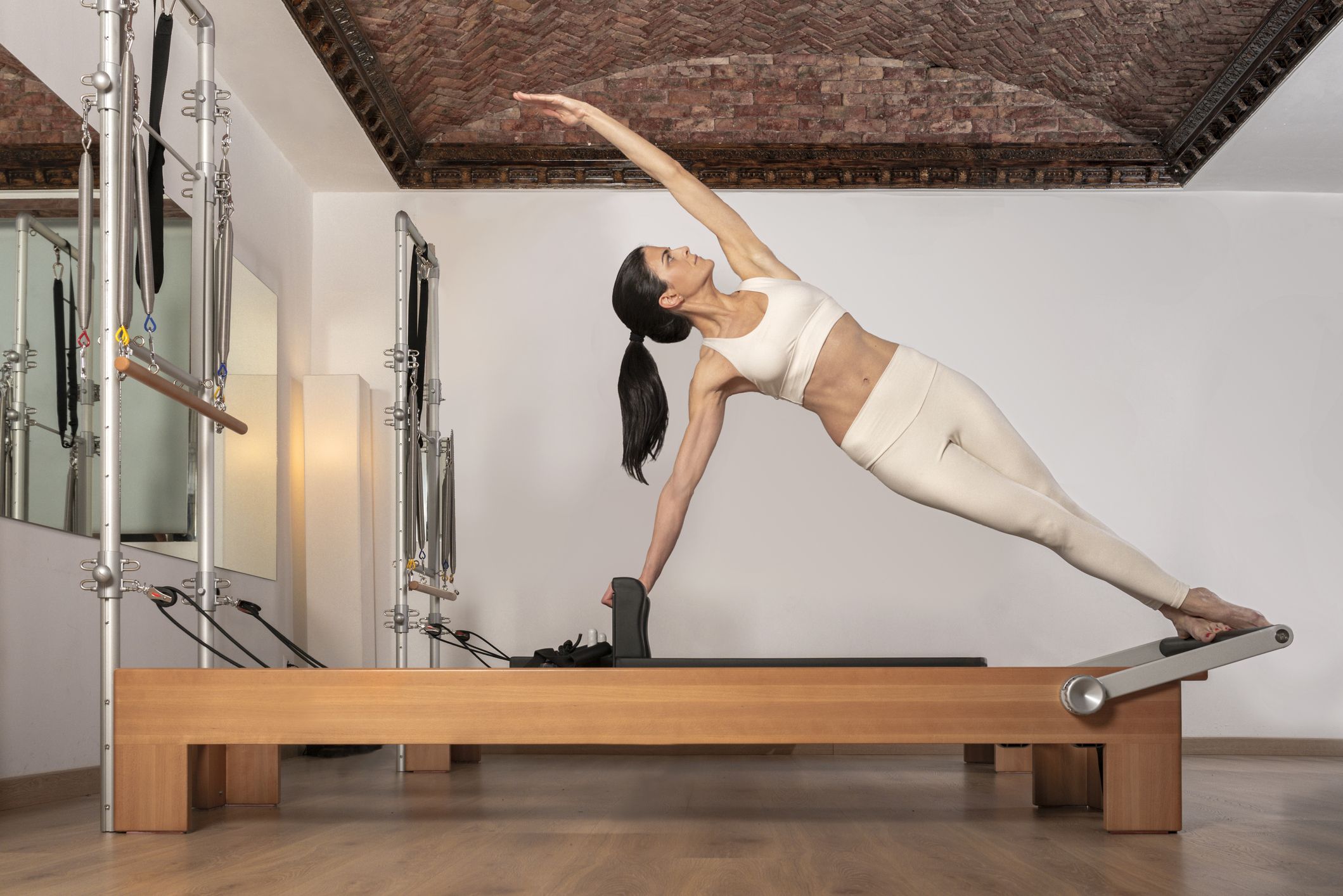
In today’s digital age, many of us spend hours hunched over computers, slouched on couches, or scrolling through smartphones. These habits can take a toll on our posture, leading to muscle imbalances, spinal misalignment, and chronic pain. Fortunately, Pilates offers a highly effective solution for improving posture and strengthening the core muscles that support proper alignment. In this article, we’ll explore how Pilates can help you achieve better posture and enhance overall spinal health.

Understanding Posture and Its Importance

Posture refers to the alignment of your body parts in relation to one another while sitting, standing, or moving. Good posture involves maintaining the natural curves of the spine, balancing the body’s weight evenly, and avoiding excessive strain on muscles and joints. Poor posture, on the other hand, can lead to a host of problems, including back pain, neck pain, headaches, and decreased mobility.

The Role of Core Strength in Posture

Your core muscles, which include the muscles of the abdomen, lower back, pelvis, and hips, play a crucial role in supporting your spine and maintaining proper posture. Weakness or imbalance in these muscles can contribute to poor posture and increase the risk of injury. Pilates focuses on strengthening the core muscles, improving stability, and promoting better alignment, making it an ideal form of exercise for posture correction.

Benefits of Pilates for Posture Improvement

  1. Core Strengthening: Pilates exercises target the deep abdominal muscles, obliques, and back muscles, helping to strengthen and stabilize the core. A strong core provides a solid foundation for good posture and helps prevent slouching and rounding of the spine.
  2. Spinal Alignment: Pilates emphasizes spinal articulation and alignment, teaching you to lengthen the spine, stack the vertebrae, and maintain a neutral pelvis. Through controlled movements and mindful awareness, Pilates helps correct postural deviations and promote a more upright and balanced posture.
  3. Muscle Flexibility: In addition to strengthening the core muscles, Pilates also improves flexibility and mobility in the spine, hips, and shoulders. Increased flexibility allows for greater range of motion and reduces stiffness and tension that can contribute to poor posture.
  4. Body Awareness: Pilates promotes body awareness and mindfulness, encouraging you to pay attention to your alignment, movement patterns, and muscle engagement. By becoming more conscious of how you hold yourself and move, you can make adjustments to improve posture both during Pilates sessions and in everyday life.
  5. Postural Correction: Over time, consistent practice of Pilates can help retrain your body to adopt healthier movement habits and postural alignment. By strengthening weak muscles, releasing tight muscles, and improving overall body mechanics, Pilates contributes to long-term postural correction and spinal health.

Incorporating Pilates Into Your Routine

Whether you’re a beginner or experienced practitioner, Pilates offers a variety of exercises and modifications to suit your fitness level and goals. Consider incorporating Pilates into your weekly routine, either through group classes, private sessions, or online workouts. With regular practice and proper guidance from a certified Pilates instructor, you can reap the benefits of improved posture, core strength, and spinal health that Pilates has to offer.

In conclusion, Pilates is a powerful tool for enhancing posture, strengthening the core, and promoting overall spinal health. By addressing the root causes of poor posture and providing targeted exercises to correct imbalances, Pilates empowers you to stand taller, move more efficiently, and live with greater comfort and confidence. Start your Pilates journey today and experience the transformative effects it can have on your posture and well-being.

Massage Therapy: More Than Just Relaxation

When many people think of massage therapy, they envision a luxurious spa treatment reserved for special occasions or a way to unwind and relax after a long day. While massage certainly has its relaxing benefits, its scope extends far beyond mere relaxation. In this article, we’ll delve into the multifaceted benefits of massage therapy and explore its therapeutic value beyond relaxation.

1. Stress Reduction

Let’s start with the most commonly known benefit: stress reduction. Massage therapy has a profound ability to induce relaxation by calming the nervous system, reducing cortisol levels (the stress hormone), and promoting the release of endorphins (natural mood elevators). Regular massage sessions can help manage stress levels and improve overall well-being.

2. Pain Management

Massage therapy is widely recognized for its effectiveness in managing various types of pain, including musculoskeletal pain, chronic pain conditions, and pain associated with injuries or medical conditions. Through techniques such as Swedish massage, deep tissue massage, and myofascial release, massage therapists can alleviate tension, reduce inflammation, and improve circulation, resulting in pain relief and increased mobility.

3. Improved Circulation

Massage therapy promotes better blood circulation throughout the body, which delivers oxygen and nutrients to tissues and facilitates the removal of metabolic waste products. Enhanced circulation can aid in the healing process, reduce swelling and inflammation, and contribute to overall cardiovascular health.

4. Enhanced Range of Motion and Flexibility

Regular massage therapy can help improve flexibility and range of motion by stretching and loosening tight muscles, breaking up adhesions and scar tissue, and increasing joint mobility. This can be especially beneficial for athletes, individuals recovering from injuries, or those with musculoskeletal conditions such as arthritis.

5. Immune System Support

Massage therapy has been shown to have immune-boosting effects by stimulating the lymphatic system, which plays a key role in immune function and detoxification. By promoting lymphatic drainage, massage therapy helps rid the body of toxins and waste products, thereby supporting immune health and enhancing the body’s natural defense mechanisms.

6. Mental and Emotional Well-being

Beyond its physical benefits, massage therapy can have profound effects on mental and emotional well-being. Studies have demonstrated that massage can reduce symptoms of anxiety, depression, and insomnia, as well as improve mood, promote relaxation, and enhance overall quality of life.

7. Rehabilitation and Injury Prevention

Massage therapy is often incorporated into rehabilitation programs to aid in recovery from injuries, surgeries, or athletic training. By promoting tissue healing, reducing scar formation, and preventing muscle imbalances, massage therapy can help accelerate the rehabilitation process and minimize the risk of future injuries.

In conclusion, massage therapy offers a multitude of benefits beyond relaxation, ranging from pain management and stress reduction to improved circulation, flexibility, and immune function. Whether you’re seeking relief from chronic pain, recovering from an injury, or simply looking to enhance your overall well-being, regular massage therapy sessions can be an invaluable component of your self-care routine.

The Benefits of Personal Training Over DIY Fitness

In the realm of fitness, there are countless resources available for those who wish to take control of their health and fitness journey. From online workout videos to fitness apps and books, the do-it-yourself (DIY) approach to fitness has never been more accessible. However, while it is possible to achieve results on your own, there are significant benefits to working with a personal trainer that can enhance your experience and outcomes. Here are some key reasons why personal training might be a better option than going it alone.

1. Personalized Workout Plans

One of the most significant advantages of working with a personal trainer is the customization of your fitness plan. Personal trainers assess your current fitness level, consider any health issues, and tailor workouts to meet your specific goals. Whether you aim to lose weight, build muscle, improve endurance, or rehabilitate an injury, a personalized plan ensures that your efforts are efficient and effective. In contrast, DIY fitness often involves generic plans that might not be suitable for your unique needs, potentially leading to frustration or injury.

2. Motivation and Accountability

Staying motivated can be challenging, especially when working out alone. Personal trainers provide the motivation and encouragement needed to push through tough workouts. They help you set realistic goals and celebrate your achievements, keeping you engaged and committed. Additionally, having a scheduled session with a trainer creates a sense of accountability. It’s harder to skip workouts when someone is waiting for you at the gym, ensuring consistency and progress.

3. Proper Technique and Injury Prevention

Proper technique is crucial in any exercise regimen to prevent injuries and maximize effectiveness. Personal trainers are skilled in teaching correct form and providing adjustments to ensure you perform exercises safely. They can identify and correct bad habits that you might not even be aware of. In a DIY approach, improper technique can lead to injuries, setbacks, and decreased motivation. A trainer’s expertise helps mitigate these risks, allowing you to progress safely.

4. Variety and Creativity in Workouts

Boredom is a common issue with self-directed fitness routines. It’s easy to fall into a repetitive pattern, which can lead to plateauing and decreased enthusiasm. Personal trainers keep workouts varied and interesting by incorporating new exercises and equipment. This not only keeps you engaged but also challenges different muscle groups, leading to better overall fitness. Trainers often use creative methods to make workouts fun, ensuring that you look forward to each session.

5. Nutritional Guidance

Fitness is not just about exercise; nutrition plays a critical role in achieving your goals. Many personal trainers offer basic nutritional advice and help you develop healthier eating habits. They can provide guidance on portion sizes, food choices, and meal timing to complement your workouts. While DIY fitness enthusiasts can find nutrition information online, it’s often generalized and may not address individual needs. A trainer’s personalized approach can help you make better dietary choices that enhance your fitness results.

6. Efficient Use of Time

Personal trainers design workouts that maximize efficiency, making the most out of your time at the gym. They structure sessions to target multiple muscle groups and incorporate high-intensity exercises that provide a comprehensive workout in less time. This is particularly beneficial for those with busy schedules. DIY fitness plans may not be as efficient, often leading to longer workouts with less impact.

7. Support and Encouragement

The journey to fitness can be challenging, and having a supportive figure can make a significant difference. Personal trainers not only provide physical guidance but also emotional support. They understand the ups and downs of the fitness journey and offer encouragement and empathy. This support system can be invaluable, especially during tough times when self-motivation wanes.

Conclusion

While the DIY approach to fitness has its merits, the benefits of personal training are substantial. Personalized plans, motivation, proper technique, variety, nutritional guidance, efficient use of time, and emotional support are just a few reasons why working with a personal trainer can elevate your fitness journey. At River East Chiropractic, we offer comprehensive personal training services designed to meet your individual needs. Our trainers are committed to helping you achieve your goals safely and effectively, providing the support and expertise you need to thrive. Consider investing in personal training to unlock your full potential and enjoy a healthier, more active lifestyle.

Optimize Athletic Performance: Weight Training, Sprinting, Chiropractic Care

Imagine upgrading your athletic abilities from a reliable but ordinary Toyota Camry to the high-speed, precision-engineered performance of a Ferrari. While the Camry is dependable and efficient, the Ferrari is all about power, speed, and agility. This transformation is possible for athletes willing to invest in a comprehensive training program that includes weight training, sprinting, and chiropractic care. Here’s how these elements can work together to enhance your speed, durability, and overall athletic performance.

Weight Training: Building a Strong Foundation

Weight training is the cornerstone of any athletic training regimen. It enhances muscle strength, power, and endurance, all of which are crucial for improving speed and durability.

  1. Strength Gains: By lifting weights, you build muscle mass and increase strength. Stronger muscles can produce more force, allowing you to run faster and perform more explosively.
  2. Improved Power: Weight training, especially when incorporating exercises like squats, deadlifts, and plyometrics, develops power. This is the ability to exert a maximum amount of force in the shortest time, which is essential for sprinting.
  3. Injury Prevention: Strong muscles, tendons, and ligaments are less prone to injury. Weight training helps balance muscle groups and correct imbalances, reducing the risk of strains and sprains.

To optimize your weight training, focus on compound movements that engage multiple muscle groups. Incorporate a mix of heavy lifting with low reps for strength, moderate weights with higher reps for hypertrophy, and explosive exercises for power.

Sprinting: Enhancing Speed and Agility

Sprinting is not just about running fast; it’s about developing the neuromuscular coordination and explosive power necessary to improve your speed.

  1. Fast-Twitch Muscle Fibers: Sprinting activates fast-twitch muscle fibers, which are essential for rapid, powerful movements. Training these fibers through high-intensity sprints can significantly enhance your acceleration and top speed.
  2. Anaerobic Capacity: Sprinting improves your anaerobic capacity, allowing you to perform high-intensity efforts for longer periods. This is beneficial not only for short bursts of speed but also for overall athletic endurance.
  3. Efficiency and Technique: Regular sprinting practice helps refine your running technique, making you more efficient. Proper form reduces wasted energy, allowing you to run faster with less effort.

Incorporate sprint intervals into your training, starting with shorter distances like 30-50 meters and gradually increasing as your conditioning improves. Ensure you have adequate recovery between sprints to maintain high intensity and avoid injury.

Chiropractic Care: Maintaining Peak Performance

While weight training and sprinting build strength and speed, chiropractic care ensures your body stays aligned and functions optimally.

  1. Spinal Alignment: Regular chiropractic adjustments help maintain proper spinal alignment, ensuring your nervous system operates efficiently. This can improve muscle function and coordination, leading to better performance.
  2. Injury Prevention and Recovery: Chiropractors can identify and address biomechanical issues before they lead to injury. They also aid in recovery by reducing inflammation, improving blood flow, and promoting healing.
  3. Enhanced Flexibility and Mobility: Chiropractic care often includes soft tissue work and stretching, which enhance flexibility and mobility. This is crucial for athletes who need a full range of motion to perform at their best.

By integrating chiropractic care into your training regimen, you ensure that your body remains in peak condition, reducing downtime from injuries and enhancing overall performance.

River East Chiropractic: Your Partner in Athletic Excellence

At River East Chiropractic, we offer a comprehensive suite of services to help you transform from a Camry to a Ferrari. Our facility includes:

  • Personal Training: Customized training programs designed to meet your specific athletic goals.
  • Chiropractic Care: Regular adjustments and treatments to keep your body in optimal condition.
  • Massage Therapy: Targeted massage to relieve muscle tension and promote recovery.
  • Acupuncture: Traditional techniques to enhance energy flow and reduce pain.
  • Pilates: Classes focused on core strength and flexibility.
  • Full Gym: State-of-the-art equipment to support all your training needs.

With our holistic approach, you can build strength, enhance speed, and maintain peak performance, ensuring you get the most out of your training. Visit River East Chiropractic and start your journey towards becoming a faster, more durable athlete today.