How Does Chiropractic Help With Headaches?

Migrane

How Does Chiropractic Help with Headaches?

Since 9 out of 10 Americans suffer from some form of headache, we tend to think of them as just a nuisance that can be relieved by taking a painkiller or a nap. Those solutions sometimes lighten the pain momentarily, but recurring headaches are a symptom that something else is wrong, and finding the root cause of your headaches is imperative to putting an end to them. 

Fortunately, there’s a proven alternative. According to a new study, chiropractic treatment can provide “immediate relief” for many headache patients.

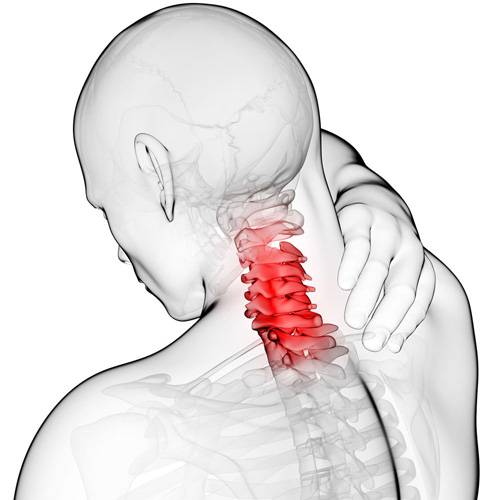
The majority of primary headaches, including tension headaches and migraines, are frequently associated with muscle tension or joint restrictions in the neck. These problems occur more often than ever before because nowadays we’re sitting in front of the computer for hours at a time or looking down at a phone to surf the web or text. 

Chiropractors work to remove the triggers of these painful problems like stiffness, tightness, inflammation, and nerve irritation in the cervical spine. In addition to performing gentle spinal manipulation and soft tissue release, your chiropractor can also provide nutritional advice to help you avoid common migraine triggers found in your diet.  Many patients also benefit from chiropractic advice on posture, relaxation techniques, and exercises to help prevent future problems. 

So, if you or someone you know suffers from headache, call our office today. And check out this short video for more information about relief for neck-related headaches. 

Pregnancy Related Low Back Pain

DSC_0033

Pregnancy-related LBP

Researchers estimate that between 45-75% of pregnant women will experience low back pain at some stage of their pregnancy.  (1-5) Up to 33% rate their pain as severe. (6) Pregnancy-related low back pain (P-LBP) leads to lower quality of life, restricted activity, and disability – with almost 25% of pregnant women taking sick leave for LBP.  (2,7-11) The recurrence rate for pregnancy-related low back pain is 85-90%.  (11-14) Consequently, almost 1 in 5 women who report P-LBP during an initial pregnancy will avoid future pregnancies due to fear of returning symptoms.  (15) 

Pharmacologic options during pregnancy are limited, however a new study highlights a conservative alternative. A December 2017 systematic review of 102 studies found moderate-quality evidence suggesting manipulation had a significant effect on decreasing pain and increasing functional status in pregnant and post-partum women with LBP. (16)

This concurs with prior research showing that almost 75% of women undergoing chiropractic manipulation report significant pain reduction and clinically significant improvements in disability. (17,18) Postpartum LBP also responds favorably to spinal manipulation – approximately 10 times better than watchful waiting. (19)

Our providers strive to deliver safe and effective evidence-based care for your patients. Incorporating gentle manipulation with the appropriate exercises generally provides significant relief in very few visits.  


References
1. Wu WH, Meijer OG, Uegaki K, Mens JM, van Dieën JH, Wuisman PI, et al. Pregnancy related pelvic girdle pain (PPP), I: terminology, clinical presentation, and prevalence. Eur Spine J 2004;13:575–89.
2. Pierce H, Homer C, Dahlen H, King J. Pregnancy related low back and/or pelvic girdle pain: listening to Australian women. Abstract presented at the XI International Forum for Low Back Pain Research in Primary Care, Melbourne, Australia, 15–18 March 2011.
3. Diakow P.R.P., Gadsby T.A., Gadsby J.B., Gleddie J.G., Leprich D.J., Scales A.M. Back pain during pregnancy and labor. J Manipulative Physiol Ther. 1991;14(2):116–118.
4. Berg G., Hammer M., Moller-Nielsen J., Linden U., Thorblad J. Low back pain in pregnancy. Obstet Gynecol. 1988;71:71–75. 
5. Mogren IM, Pohjanen AI. Low back pain and pelvic pain during pregnancy: prevalence and risk factors. Spine . 2005 Apr 15;30(8);983-91. 
6. Hall J, Cleland J, Palmer J. The Effects of Manual Physical Therapy and Therapeutic Exercise on Peripartum Posterior Pelvic Pain: Two Case Reports. Journal of Manual and Manipulative Therapy. 2005;13(2): 94-102 
7. Wellock VK, Crichton MA. Symphysis pubis dysfunction: women’s experiences of care. Br J Midwif 2007;15:494
8. Kristiansson P, Svarsudd K, von Schoultz B. Back pain during pregnancy: a prospective study. Spine 1996;21:702-9.
9. Wu W, Meijer OG, Jutte PC, et al. Gait in patients with pregnancy-related pain in the pelvis: an emphasis on the coordination of transverse pelvic and thoracic rotations. Clin Biomech 2002;17:678-86.
10. Owens K, Pearson A, Mason G. Symphysis pubis dysfunction: a cause of significant obstetric morbidity. Eur J Obstet Gynecol Reprod Biol
11. George JW, Skaggs CD, Thompson PA, Nelson DM,  Gavard JA, Gross GA. A randomized controlled trial comparing a multimodal intervention and standard  obstetrics for low back and pelvic pain in pregnancy. Am J Obstet Gynecol 2013 Apr; 208(4):295.e1-7
13. Sabino J, Grauer JN. Pregnancy and low back pain. Curr Rev Musculoskelet Med. 2008 Jun; 1(2): 137–141.
14. Mens JMA, Vleeming A, Stoeckart R, Stam HJ, Snijders CJ. Understanding peripartum pelvic pain. Implications of a patient survey. Spine. 1996;21(11):1363–70. 
15. Wang SM, DeZinno P, Fermo L, et al. Complementary and alternative medicine for low-back pain in pregnancy: a cross-sectional survey. J Altern Complement Med. 2005;11(3):459-464.
16. Franke, Helge et al. Osteopathic manipulative treatment for low back and pelvic girdle pain during and after pregnancy: A systematic review and meta-analysis
Journal of Bodywork and Movement Therapies , Volume 21 , Issue 4 , 752 – 762
17. Shaw G. When to adjust: chiropractic and pregnancy. J Am Chiro Assoc. 2003;40(11):8-16
18. Murphy DR, Hurwitz EL, McGovern EE. Outcome of pregnancy-related lumbopelvic pain treated according to a diagnosis-based decision rule: a prospective observational cohort study. J Manipulative Physiol Ther 2009;32:616-24.
19. Schwerla F, et al. Osteopathic manipulative therapy in women with postpartum low back pain and disability: A pragmatic randomized controlled trial. J Am Osteopath Assoc. 2015 Jul;115(7):416-25.

5 Tips To Staying In Shape While Injured

5 tips

Dealing with an injury is not only painful but can be frustrating as well when you’re sidelined from your regular fitness routine. If you’ve ever been injured or had to sit out due to illness, you know that deconditioning happens very quickly. In fact, muscles begin to shrink within days, and cardiovascular fitness starts decreasing after two to three weeks without training. The good news is that there are ways you can stay in shape even while recovering from an injury. Here are our suggestions:

1. First things first, see us before getting back into any form of exercise, especially if you have a back or neck injury. We can determine if it’s safe for you to begin physical activity and develop a rehabilitation program to keep you healthy. 

2. Seek alternative methods of exercise. There’s always something you can do to work around your injuries and maintain a level of fitness. Low impact workouts like swimming or aqua aerobics are often good ways to exercise while injured. 

3. Focus on training un-injured areas.  If you have an ankle or leg injury, try a circuit of exercises that don’t require you to stand up and use your lower body, such as chest presses, seated rows, and core workouts you can do on the floor. For an upper-body injury, you can still get a great workout in by using just your legs (think leg presses, lunges, and the stationary bike). 

4. Focus on creating or improving other healthy habits like getting more sleep or eating nutritious foods.

5. Lastly, be patient and give yourself a break. Rest and time are essential parts of the healing process. Take care of yourself physically and emotionally. When you’re able to jump back into your old routine, you’ll have hopefully been able to maintain a reasonable level of fitness by using these tips.

Mobility Myth #4

stantonhurt_medium

Myth: You only need to do mobility work if you’re an athlete or if something hurts.

Truth: “Whether you’re pro athlete, weekend warrior, or parent being active with their kids, the mobility requirement for fundamental movements (running, squatting, etc.) stays the same,” says Ardoin. “We always need adequate mobility in the same key areas, such as the ankles, hips, thoracic spine (upper back), shoulders.” He says everyone should be able to meet the following mobility baselines:

  • Touch your chin to your chest without opening your mouth.

  • Look up toward the ceiling with your face becoming parallel to the floor.

  • Rotate your head to each side until your chin reaches mid collarbone.

  • Touch your toes with straight legs.

  • Lower into a deep squat without your heels coming up or toes rotating out.

“If you don’t have access to the necessary mobility, your body will find a way to get it by compensating elsewhere, which could lead to injuries down the road,” he says.

But the injuries might be in unexpected places: Your first thought might be to deal with the area that hurts—but, often, that’s not the true source of the problem. “Often times the issue causing lower-back pain isn’t the lower back, but an issue with hip mobility,” says Esquer. An elbow issue might actually be due to a lack of wrist mobility, and upper-back pain might be due to tightness in the front of the chest and shoulders.

“A lot of times we don’t notice movement restrictions until we’re in pain,” says Esquer. Maintaining your natural mobility day in and day out (kind of like brushing your teeth to prevent cavities) will help prevent surprise injuries from popping up.

Advice for headache sufferers….

187

Get Moving.

A new study of 573 office workers found that “one hour weekly of strength training reduced headache frequency and intensity.” Timing and spacing of session times did not affect the positive outcome, but participants whose training was supervised used fewer medications.

So, if you or someone you know suffers from headaches, call us today. Our doctors have powerful natural tools for treating headaches and can help design an exercise plan to stay healthy. Learn more about headaches here:

Headache Info Video

Source:

page1image3519546256

Andersen, CH et al. Effect of resistance training on headache symptoms in adults: Secondary analysis of a RCT. Musculoskeletal Science and Practice, Volume 32, 2017, Pages 38-43 ”

Mobility Myth #3

Meralgia Parasthetica

Myth: You can stretch and/or foam roll your iliotibial (IT) band.

Truth: First things first: your IT band is a thick ligament that stretches from your pelvis and runs along the very outside of your thigh and knee all the way down to your shin. (You may have heard runners complaining about IT band issues.)

“Stretching and rolling the IT band isn’t helpful, because it’s a thick band of fascia and can’t be broken up or elongated,” says Ardoin. (See earlier point about it taking 200 tons of force to mechanically affect tissue.) And, really, you shouldn’t want to break it up, says Esquer.

However, if you’re rolling near your IT band (to release tight quads, for example), that’s different, says Esquer. “Your IT band canbecome adhered to the adjacent quad and hamstring muscles,” says Ardoin. “Rolling between the IT band and these muscles can help the tissues slide and glide more easily.”

Mobility Myth #2

what-is-mobility-mobility-myths-foam-rolling

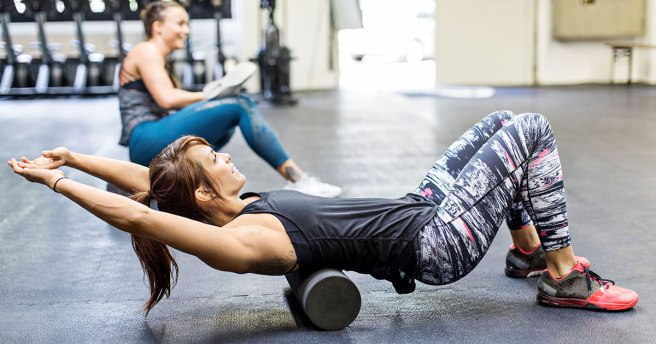
Myth: You can get rid of knots or scar tissue with foam rolling or massage.

Truth: “You probably hear of ‘breaking up fascia’ and ‘breaking up scar tissue,’ but the reality is that it literally takes 200 tons to deform scar tissue or cause mechanic changes to the fascia,” says Los Angeles–based physical therapist Jen Esquer, D.P.T., creator of the Mobility Method program. So whenever you’ve been told that someone is “massaging out a knot” in your back, or that foam rolling is “realigning your muscle fibers,” it’s a load of B.S. (You’ve probably also heard that foam rolling can get rid of cellulite.)

“Think: If you bump into something super hard, yeah, you might bruise, but you’re not actually breaking something in your body or tearing tissue,” says Esquer. “So why would we think that lying or rolling around on a foam roller for a while would have that extreme effect?”

You might be thinking, “But it totally helps!” You’re not wrong—it does. It just helps for a different reason: “Really, foam rolling and massage work by bombarding the brain with safe, feel-good information, convincing the muscle to relax and let go,” says Ardoin. That calming of the nervous system results in the release of tension and tightness that you feel.

And since it’s all about relaxation, you should never be trying to create pain in the body, says Esquer: “You don’t want to fire anything back up and make it potentially worse. It always comes back to relaxation.”

TMJ dysfunction

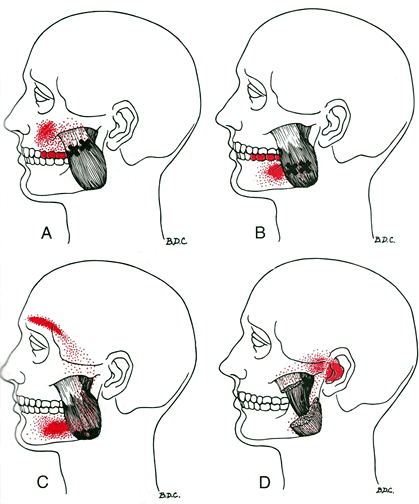
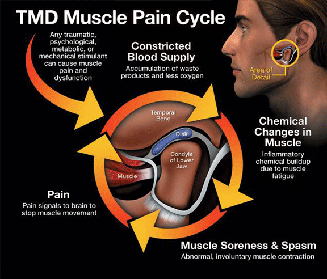
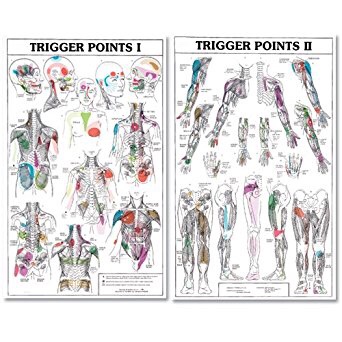
Temporomandibular joint dysfunction is a blanket term that refers to pain and dysfunction of the jaw muscles and the tempomandibular joints which connect the mandible to the skull. The most common symptoms are pain and restricted mandibular movement as well as grinding noises coming from the joint. This condition is more common in women then in men, and affects a large portion of patients suffering from fibromyalgia. Trigger points in the muscles of mastication are frequently involved in TMJ dysfunction. Trigger points in the pterygoid and masseter muscles for example will not only refer pain into the tempomandibular joints, but will also cause a dysfunctional movement pattern that can restrict range of motion. Trigger point therapy can be an effective modality to treat TMJ dysfunction.

Trigger points and fibromyalgia

Myofascial pain syndrome (trigger points) and fibromyalgia are often confused to be the same condition and while there is a lot of interrelatedness between the two they are not quite identical. The clinical definition of a trigger point is “a hyper irritable spot associated within a taut band of skeletal muscle that is painful on compression or muscle contraction, and usually responds with a referred pain pattern distant from the spot”. Trigger points form from an overload trauma to the muscle tissue. This is contrasted with fibromyalgia which is defined as “a medical condition characterized by chronic widespread pain and a heightened pain response to pressure. Other symptoms include tiredness to a degree that normal activities are affected, sleep problems and troubles with memory. Some people also report restless leg syndrome, bowel and bladder problems, numbness and tingling and sensitivity to noise, lights and temperature. It is also associated with depression, anxiety, and post traumatic stress disorder”. Fibromyalgia will also present with localized tender points which are often mistaken for trigger points. Where these two conditions become somewhat interrelated is via the nervous system. Fibromyalgia patients suffer from a super-sensitization of the nervous system causing hyperirritability and pain. Myofascial trigger points can be caused by,or be the cause of, super sensitization. An active trigger point will irritate the sensory nerves around it eventually leading to super-sensitization. Trigger points have also been showed to form of become active due to super-sensitization. Both of these conditions can perpetuate the other, leading to layers of pain and symptoms. This being the case, trigger point therapy can have a very positive effect on decreasing the severity of pain and symptoms in patients suffering from fibromyalgia.