What is Whiplash? 

WRD 2

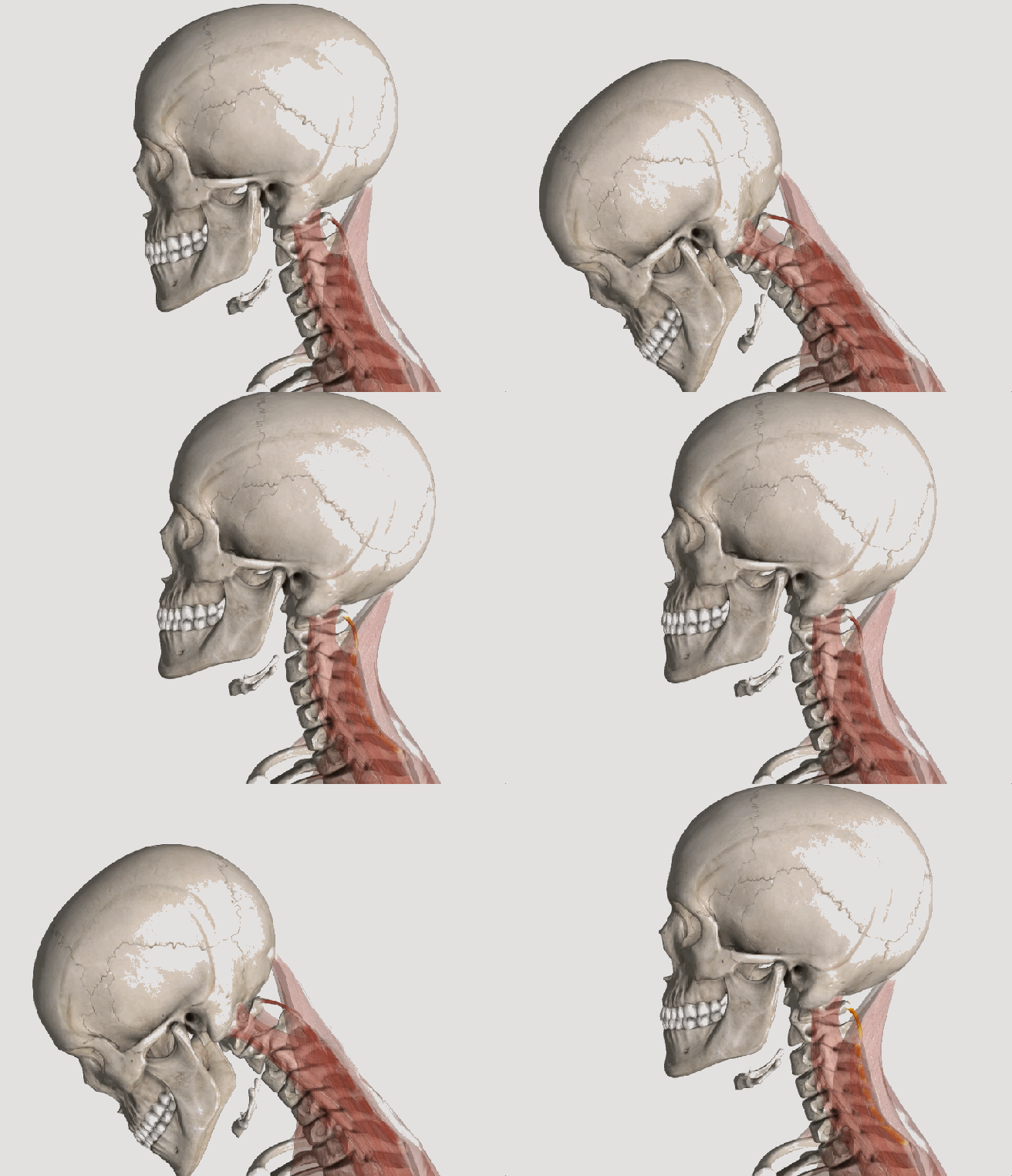
Whiplash is an injury to the soft-tissues of the neck often referred to as a sprain or strain. Because there are a unique set of symptoms associated with whiplash, doctors and researchers commonly use the term “whiplash associated disorders” or WAD to describe the condition.

WAD commonly occurs as a result of a car crash, but it can also result from a slip and fall, sports injury, a personal injury (such as an assault), and other traumatic causes. The tissues commonly involved include muscle tendons (“strain”), ligaments and joint capsules (“sprains”), disk injuries (tears, herniation), as well as brain injury or concussion—even without hitting the head!

Symptoms vary widely but often include neck pain, stiffness, tender muscles and connective tissue (myofascial pain), headache, dizziness, sensations such as burning, prickly, tingling, numbness, muscle weakness, and referred pain to the shoulder blade, mid-back, arm, head, or face. If concussion occurs, additional symptoms include cognitive problems, concentration loss, poor memory, anxiety/depression, nervousness/irritability, sleep disturbance, fatigue, and more!

Whiplash associated disorders can be broken down into three categories: WAD I includes symptoms without any significant examination findings; WAD II includes loss of cervical range of motion and evidence of soft-tissue damage; and WAD III includes WAD II elements with neurological loss—altered motor and/or sensory functions. There is a WAD IV which includes fracture, but this is less common and often excluded.

Treatment for WAD includes everything from doing nothing to intensive management from multiple disciplines—chiropractic, primary care, physical therapy, clinical psychology, pain management, and specialty services such as neurology, orthopedics, and more. The goal of treatment is to restore normal function and activity participation, as well as symptom management.

The prognosis of WAD is generally good as many will recover without residual problems within days to weeks, with most people recovering around three months after the injury. Unfortunately, some are not so lucky and have continued neck pain, stiffness, headache, and some develop post-concussive syndrome. The latter can affect cognition, memory, vision, and other brain functions. Generally speaking, the higher the WAD category, the worse the prognosis, although each case MUST be managed by its own unique characteristics. If the injury includes neurological loss (muscle strength and/or sensory dysfunction like numbness, tingling, burning, pressure), the prognosis is often worse.

Chiropractic care for the WAD patient can include manipulation, mobilization, and home-based exercises, as well as the use of anti-inflammatory herbs (ginger, turmeric, proteolysis enzymes (bromelain, papain), devil’s claw, boswellia extract, rutin, bioflavonoid, vitamin D, coenzyme Q10, etc.) and dietary modifications aimed at reducing inflammation and promoting healing.

* 83% of those patients involved in an MVA will suffer whiplash injury and 50% will be symptomatic at 1 year.
* 90% of patients with neurologic signs at onset may be symptomatic at 1 year.
* 25- 80% of patients who suffer a whiplash injury will experience late-onset dizziness
* Clinicians should be observant for radiographic signs of instability, including interspinous widening, vertebral subluxation, vertebral compression fracture, and loss of cervical lordosis.
* Horizontal displacement of greater than 3.5 mm or angular displacement of more than 11 degrees on flexion/extension views suggests instability.
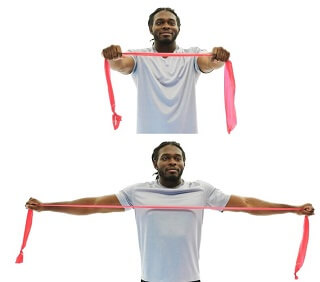
Effective Shoulder Stability Training for Hockey Players: Injury Prevention & Performance Enhancement


Hockey is a dynamic and physically demanding sport that places significant stress on the entire body, particularly the shoulders. From powerful slap shots to intense physical checks, hockey players rely heavily on shoulder strength and stability. Given the sport’s physicality, shoulder injuries are common and can be debilitating. Incorporating shoulder stability training into a hockey player’s regimen is crucial for enhancing performance and preventing injuries. This blog post will explore the importance of shoulder stability training for hockey players and offer insights into effective exercises.

1. Injury Prevention

Shoulder injuries are prevalent in hockey due to frequent collisions, falls, and the repetitive motions involved in skating, shooting, and checking. Common injuries include dislocations, separations, rotator cuff tears, and labral tears. Shoulder stability training strengthens the muscles, tendons, and ligaments around the shoulder joint, making it more resilient to the stresses encountered during play. By improving shoulder stability, players can significantly reduce their risk of these injuries, ensuring they remain healthy and on the ice.

2. Enhanced Performance

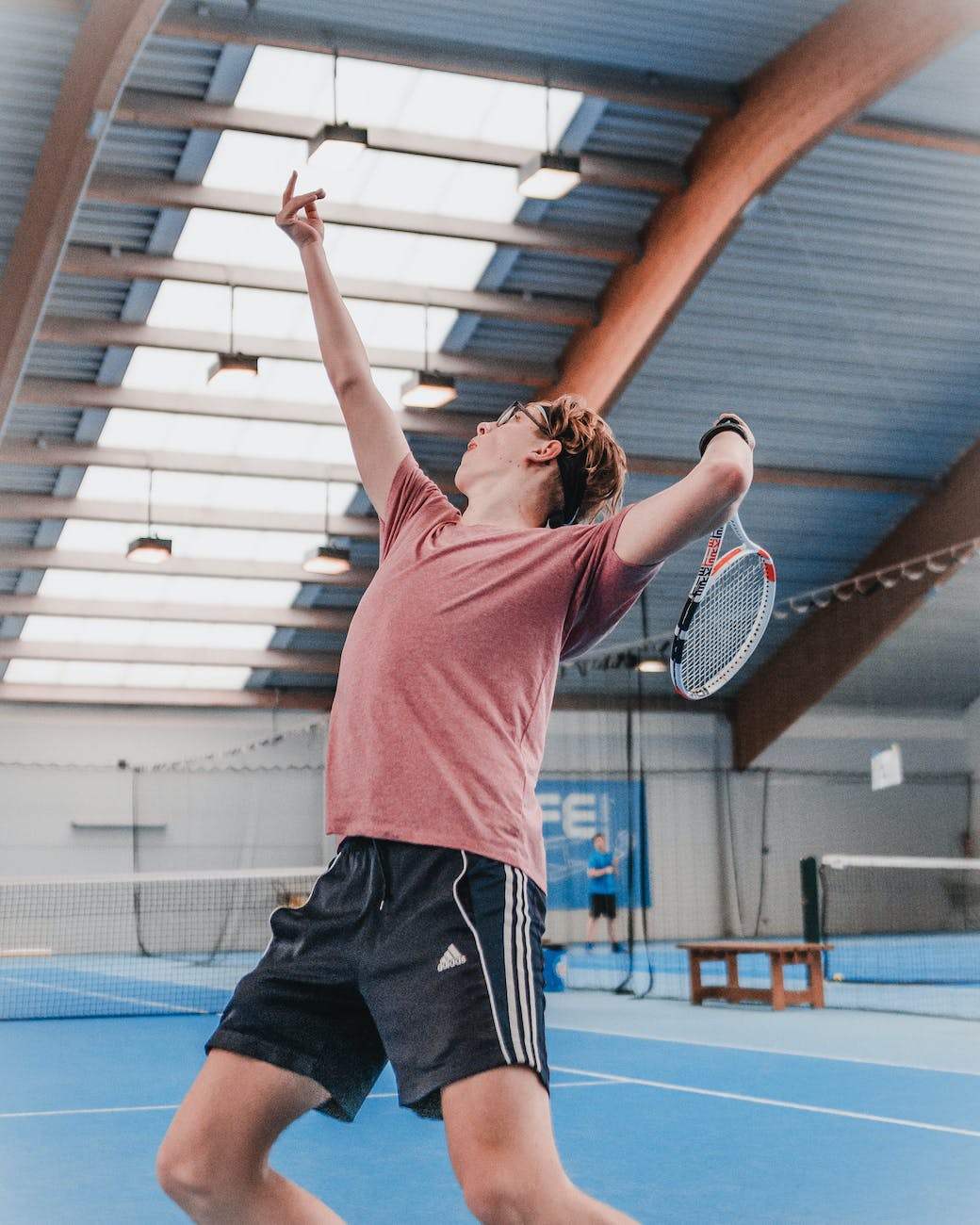
A stable shoulder is essential for executing key hockey skills such as shooting, passing, and checking. The shoulder serves as a pivot point during these actions, and stability allows for more controlled and powerful movements. When shooting, for example, a stable shoulder enables players to generate more power and accuracy. Similarly, stability is crucial for effective stickhandling and delivering strong checks. By incorporating shoulder stability exercises into their training, hockey players can enhance their overall performance and effectiveness in the game.

3. Improved Upper Body Strength and Endurance

Hockey players rely on their upper body for various aspects of the game, including battling for the puck, maintaining balance, and executing powerful shots. Shoulder stability training enhances overall upper body strength and endurance. Strengthening the shoulder muscles, such as the deltoids, rotator cuff, and scapular stabilizers, contributes to better endurance, allowing players to perform at a high level throughout the game. Increased strength and endurance also help players withstand the physical demands and impacts of hockey.

4. Better Posture and Biomechanics

Proper posture and biomechanics are crucial for efficient and effective movement on the ice. Shoulder stability training helps improve posture by balancing the muscles around the shoulder joint and upper back. This balance reduces the risk of developing muscle imbalances that can lead to poor posture and associated injuries. Proper biomechanics enhance skating efficiency, shooting accuracy, and overall agility, providing players with a competitive edge.

5. Rehabilitation and Recovery

For hockey players recovering from shoulder injuries, stability training is a critical component of rehabilitation. Structured stability exercises help rebuild strength, restore range of motion, and improve proprioception (the body’s ability to sense its position and movement). This comprehensive approach to rehabilitation ensures that players not only recover fully but also return to the ice stronger and more resilient. Even for players without current injuries, incorporating stability exercises can aid in recovery from the general wear and tear of the season.

Key Shoulder Stability Exercises for Hockey Players

Incorporating shoulder stability exercises into a hockey training program is straightforward and highly effective. Here are some essential exercises:

  1. External and Internal Rotations: Using resistance bands or light weights, these exercises target the rotator cuff muscles, crucial for shoulder stability.
  2. Scapular Push-Ups: Focuses on the muscles that stabilize the shoulder blade, promoting better posture and shoulder mechanics.
  3. Shoulder Taps: A core and shoulder stability exercise that involves alternating taps to the opposite shoulder while in a plank position.
  4. Face Pulls: Using resistance bands or a cable machine, this exercise strengthens the upper back and shoulder stabilizers.
  5. Overhead Carries: Holding a weight overhead while walking challenges the shoulder stabilizers and improves overall shoulder endurance.

Shoulder stability training is a vital component of a hockey player’s fitness regimen. By focusing on injury prevention, enhancing performance, improving upper body strength and endurance, promoting better posture and biomechanics, and aiding in rehabilitation, shoulder stability exercises help players stay healthy and perform at their best.

At River East Chiropractic, we understand the unique demands of hockey and offer comprehensive services, including chiropractic care, acupuncture, massage therapy, and personal training, to help you achieve your goals. Our full gym is equipped with everything you need to incorporate shoulder stability training into your routine. Our experienced staff is dedicated to helping you become a stronger, faster, and more durable athlete. Whether you’re recovering from an injury or looking to enhance your performance, River East Chiropractic is here to support your journey every step of the way.

Managing Scapular Dyskinesis: Exercise, Posture, and Chiropractic Care

Your shoulder is composed of three bones: the scapula (shoulder blade), the clavicle (collar bone), and the humerus (upper arm bone). These bones come together to form a shallow ball-and-socket joint that relies heavily on the surrounding muscles for support. For your shoulder joint to remain healthy and stable, all the muscles must work in a coordinated manner. When the normal rhythm of your shoulder blade is disrupted, it creates abnormal strain on your shoulder and rotator cuff, a condition known as “scapular dyskinesis.” This dysfunction can crowd the area where your rotator cuff tendons reside, potentially causing painful pinching of the tendons or bursa each time you raise your arm. Many shoulder issues, including sprains, strains, tendinitis, bursitis, or rotator cuff irritation, can result from this often overlooked condition.

Scapular dyskinesis most commonly arises from weakness or imbalance in the muscles that control your shoulder blade. Other times, it can be caused by shoulder conditions such as prior fractures, arthritis, or instability. In about 5% of cases, irritation of the nerves that control the shoulder muscles is the underlying cause.

Despite its potential to cause various shoulder problems, scapular dyskinesis may initially go unnoticed. Studies show that up to 75% of healthy college athletes exhibit some form of abnormal shoulder blade movement. If left untreated, you may begin to experience pain near the top of your shoulder, which can sometimes radiate toward your neck or down your arm. Patients often report a tender spot on the front of their shoulder. Over time, these altered mechanics can lead to more serious issues, including rotator cuff injuries, shoulder instability, and arthritis.

Effective management of scapular dyskinesis involves a multifaceted approach, including consistent exercise, posture awareness, and chiropractic care. Exercises designed to strengthen and balance the shoulder muscles are crucial and must be performed regularly. Additionally, maintaining good posture and avoiding slouched positions can prevent aggravation of the condition.

Chiropractic care plays an important role in the treatment of scapular dyskinesis. Chiropractors are skilled in assessing and addressing musculoskeletal imbalances, including those affecting the shoulder. Through targeted adjustments and therapies, chiropractic care can help restore proper alignment and function to the shoulder blade and surrounding muscles. This approach not only alleviates pain but also prevents the development of further complications by ensuring that the shoulder joint moves correctly.

Chiropractors can also provide valuable guidance on exercises and stretches tailored to your specific needs, enhancing the effectiveness of your rehabilitation efforts. By addressing the root causes of scapular dyskinesis, chiropractic care can help you achieve better shoulder stability and overall joint health.

In summary, scapular dyskinesis is a common but often overlooked cause of shoulder problems. It results from muscle imbalances or weakness, previous injuries, or nerve irritation. Left untreated, it can lead to significant pain and further complications. Consistent exercise, good posture, and chiropractic care are essential components of an effective treatment plan. By incorporating these elements, you can manage scapular dyskinesis effectively, improve shoulder function, and prevent future issues.

Understanding Acromioclavicular Sprain: Causes, Symptoms, and Treatment

The term “acromioclavicular sprain” means that you have damaged the strong fibrous bands (ligaments) that hold the end of your collarbone (clavicle) to the tip of your shoulder blade (scapula). Another term sometimes used to describe this injury is “shoulder separation.” 40-50% of all athletic shoulder injuries involve the acromioclavicular (AC) joint. AC injuries are common in adolescents and young adults who participate in contact sports, like hockey and football. Males are affected five times more often than females.

Injuries may range from mild fraying of a single ligament to complete rupture of all of the supporting ligaments. Significant tears can allow your collarbone to move upward, out of its normal position, creating a raised bump under your skin. AC joint injuries are categorized (Grade 1-Grade 6) based upon the amount of damage. Grade 1 injuries are tender without joint separation. Grade 2 injuries may be accompanied by a slight separation of the joint. Grade 3 and above will show significant joint separation.

Injuries typically occur following a fall onto the point of your shoulder, while your arm is at your side, or by falling onto your outstretched hand. You will most likely feel pain and swelling on the very top of your shoulder. More significant injuries may produce bruising or a visible “bump” beneath the skin. Moving your shoulder will likely be painfully limited for a while.

Your treatment will vary, depending upon the severity of your injury. Grade 1, 2, and most Grade 3 injuries are best managed conservatively. A sling may be used only when needed to control painful movements. Initially, you will need to limit activity, especially reaching overhead, behind your back, or across your body. The exercises described below are an important part of your rehab and should be performed consistently to avoid long-term problems. Using an ice pack for 10-15 minutes each hour may help to limit swelling and pain.

Some mild separations will heal by themselves within a week or two. More significant injuries can take longer, and disabilities typically range between one and eight weeks. Patients who have suffered a significant amount of ligament damage may have a permanent bump on their shoulder, regardless of treatment. This bump does not usually cause ongoing problems.

Chiropractic: More Sitting Time More Neck and Shoulder Pain.

Chiropractic: More Sitting Time More Neck and Shoulder Pain.

According to a study involving 118 males in blue-collar jobs across a variety of industries, those who spend nearly the whole workday sitting are nearly three times more likely to experience neck and shoulder pain than workers who spend more than half the workday on their feet.
International Archives of Occupational and Environmental Health, February 2015

Shoulder Arthritis

Shoulder osteoarthritis is a condition that can cause stiffness that limits joint range of motion. Over time, movements over the head become limited, generally causing pain and alteration of the normal biomechanics of the shoulder. Your muscles must therefore work harder during movement, generating a feeling of muscle tension.

To date, the exact causes of osteoarthritis have not been fully identified. It is completely normal to have a mild level of osteoarthritis with age. However, the more advanced stages of osteoarthritis can affect the ability to carry out daily activities and sports. An exacerbation of symptoms usually occurs during a period when the level of physical activity has been drastically increased. Direct trauma to the shoulder can also increase the symptoms associated with osteoarthritis.

Each person reacts differently to osteoarthritis. It can produce, but is not limited to, local pain in the front of the shoulder, localized edema and stiffness in certain shoulder movements. Movements over the head and a sleeping position with direct pressure on the shoulder can cause pain.

#Chiropractic #PainRelief #Healthyliving #LaserTherapy #Winnipeg #BackPain #NeckPain #Headache #Fitness #Athlete #Wellness

Contact us for treatment in Winnipeg

Find and Follow us on Twitter and Instagram!

SLAP Shoulder Tears

Overhead Athlete? This one’s for you!

SLAP Shoulder Tears

A labral tear occurs when the labrum, a ring of fibrocartilage used to stabilize the shoulder, tears. There are multiple types of labrum tears but the most common is called a superior labrum anterior and posterior tear (SLAP).

The shoulder is the most mobile joint in the human body, but this mobility also makes it more susceptible to injury.

A labral tear can happen slowly over time or suddenly from a car accident, a fall on an outstretched arm, or a dislocated shoulder. People participating in sports involving repetitive overhead movements, such as throwing athletes, are at greater risk of having a labral tear.

A labral tear can cause, but is not limited to, pain in the front of the shoulder, instability, weakness and a limited active range of motion. The pain is often felt when raising the arm above the head. Clicking or crackling sounds may also be heard during shoulder movement.

It is also possible to feel pain at night, especially when sleeping on the affected shoulder.

Treatment consists of Class IV Laser Therapy, management of any biomechanical stresses in the area and exercise rehabilitation to address any weaknesses that can be putting undue stress on the area. 

#LaserTherapy
#ShoulderInjuries
#Winnipeg
#Chiropractic
#ArmInjury
#RotatorCuff

Frozen Shoulder

Shoulder capsulitis happens when the strong connective tissue surrounding the shoulder becomes thick, stiff and inflamed, causing pain and loss of motion in the shoulder in all directions. It is sometimes called adhesive capsulitis or frozen shoulder.

The exact cause of this condition is unknown, but the risk of suffering from it increases following prolonged shoulder immobilization, a stroke or other shoulder conditions.

People over 40 are more prone to developing this condition and women are more commonly affected than men. Diseases such as diabetes, thyroid dysfunction and cardiovascular diseases can increase the risk of suffering from shoulder capsulitis.

Shoulder capsulitis generally causes pain and loss of range of motion in the shoulder. This condition typically develops slowly and can last from a few months to a few years. Symptoms of shoulder capsulitis can generally be categorized into three progressive stages.

In the first one, called the freezing stage, the shoulder becomes progressively stiffer and painful. Pain can be worse at night, especially if you sleep on your affected side.

In the second one, called the frozen stage, stiffness in the shoulder joint is important. Pain may begin to diminish during this stage but the range of motion in the shoulder is very limited and muscles start to lose their strength.

The last stage, called the thawing stage, is the beginning of recovery. There is a reduction in pain and a gradual increase in movement.

Rotator Cuff Tendonopathy

Overhead Athlete? This one’s for you!

Rotator cuff tendinopathy is an irritation of one or more tendons of a group of muscles stabilizing the shoulder called the rotator cuff.

Repeated overhead movement can, over time, cause irritation, inflammation and/or a lesion to these tendons.

The rotator cuff consists of four muscles that help position the humerus, your upper arm bone, into the shoulder socket during arm movement.

The shoulder has great mobility but is prone to injury during falls or accidents, or in case of altered motor control.

Rotator cuff tendinopathy can cause, but is not limited to, pain felt at the shoulder and sometimes the scapula, a pinching sensation, loss of strength and active range of motion, and localized swelling.

The pain and pinching sensation are often felt when raising the arm overhead or when lowering the arm from an elevated position. Pain may also be present at night. In more advanced cases, you may additionally feel pain during the day while at rest.

Treatment consists of Class IV Laser Therapy, management of any biomechanical stresses in the area and exercise rehabilitation to address any weaknesses that can be putting undue stress on the area. 

Contact us for treatment in Winnipeg

Find and Follow us on Twitter and Instagram!

#LaserTherapy
#ShoulderInjuries
#Winnipeg
#Chiropractic
#ArmInjury
#RotatorCuff

Rotator Cuff Tears

A rotator cuff tear means that one or more tendons of a group of muscles stabilizing the shoulder – called the rotator cuff – is torn either partially or fully.

The rotator cuff consists of four muscles that help stabilize the humerus (upper arm bone), in the shoulder socket during arm movements.

The shoulder has great mobility but is prone to injury during falls or accidents, or in case of altered motor control.

A tear of the rotator cuff can cause but is not limited to, pain at the shoulder and sometimes the scapula, loss of strength and active range of motion, and sometimes localized swelling.

Pain or weakness is often felt when lifting the arm overhead or when lowering it from an elevated position. Pain may also be present at night. In more advanced cases, one may additionally feel pain during the day while at rest.

Relative rest is a good way to protect your shoulder and prevent further damage, but it’s important to avoid overprotecting your injury. A few days rest where you avoid pain-inducing movement and activities might be necessary. Returning to your activities of daily living, light cardiovascular exercise and specific mobility and strengthening exercises will allow better recovery.

Treatment of rotator cuff injuries consists of Acupuncture, Class IV Laser Therapy, management of any biomechanics stresses in the area and exercise rehabilitation to address any weaknesses that can be putting undue stress on the area. 

#LaserTherapy
#ShoulderInjuries
#Winnipeg
#Chiropractic
#Acupuncture
#RotatorCuff