Understanding Facet Syndrome: Causes, Symptoms, and Effective Treatment

The lower back, comprised of stacked vertebrae separated by intervertebral discs, forms a flexible and supportive structure. Each vertebra features a front body and posterior facets, which articulate with adjacent vertebrae. When these facet joints become irritated and inflamed, a condition known as facet syndrome occurs. Sprains, strains, improper joint movement, injury, overuse, arthritis, and obesity are common culprits.

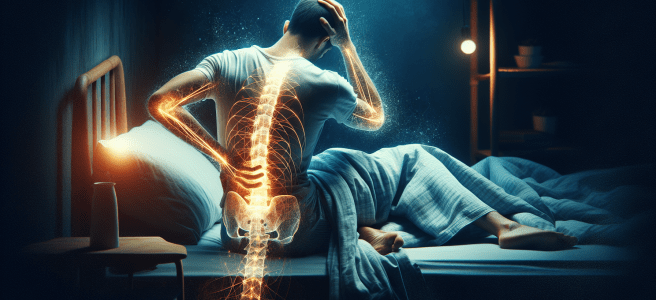
Symptoms of facet syndrome typically manifest as unilateral back pain, which may radiate into the flank, hip, and thigh, worsening with backward arching or returning to an upright position. Relief is often experienced when lying down, and symptoms rarely extend beyond the knee. Notify your chiropractor of any symptoms below the knee, weakness, groin numbness, bowel or bladder changes, or fever.

Prolonged facet irritation can lead to arthritis, but effective treatment options are available. Supportive footwear, activity modification, and regular breaks from sitting are recommended. Your chiropractor may suggest heat or ice therapy and advise against prolonged bed rest while encouraging light physical activity. Yoga has shown benefits for back pain sufferers.

Your chiropractor can provide personalized treatment to alleviate facet syndrome symptoms and promote healing. By addressing underlying issues and implementing appropriate interventions, you can improve function and quality of life while managing facet syndrome effectively.

#Chiropractic #Wellness #FitLife #Fitness #Winnipeg

Effective Treatment for Low Back Pain and Joint Restrictions with Chiropractic Care

Low back pain is a pervasive issue, affecting 80% of the population at some juncture in life and one-third annually. Often stemming from slightly misaligned or restricted joints in the spine, this discomfort disrupts normal functioning and quality of life.

Comprising five stacked bones with interposed discs for flexibility, the lower back ideally allows for independent movement of each spinal joint. However, our examination may reveal lumbar segmental joint restriction, colloquially termed “subluxation,” indicating slight misalignment and restriction. Analogous to a spring with welded sections, restricted joints impede spinal flexibility and function.

Various factors contribute to joint restriction, including accidents, repetitive strains, and poor posture. Lifestyle habits such as being overweight, smoking, and strenuous work exacerbate the risk. Joint restrictions trigger a cycle of discomfort, initiating inflammation and muscular guarding, perpetuating restriction and potentially causing compensatory issues elsewhere in the spine.

Typically manifesting as local tenderness and restricted range of motion, back pain from joint restriction may radiate to hips or thighs. Inform your chiropractor of any symptoms such as pain radiation below the knee, weakness, or changes in bowel/bladder function.

Untreated, long-standing restrictions may lead to arthritis, akin to misaligned car wheels causing tire wear. Fortunately, chiropractic care offers safe and effective treatment for joint restrictions. Our practice provides various tools to alleviate pain and expedite recovery, complemented by lifestyle adjustments like wearing supportive shoes and incorporating regular breaks from sedentary activities. Additionally, yoga classes may offer supplementary benefits for back pain management.

Recognizing the prevalence and treatability of low back pain underscores the importance of proactive management. By addressing joint restrictions promptly and adopting supportive lifestyle practices, individuals can mitigate discomfort and optimize spinal health. With chiropractic care as a cornerstone of treatment, individuals can reclaim mobility, alleviate pain, and restore overall well-being.

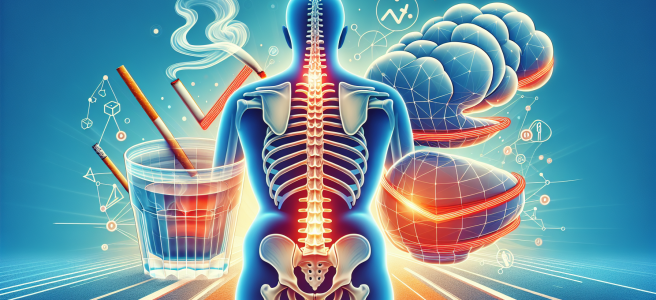
Impact of Smoking, Alcohol, and Obesity on Low Back Pain: Insights from 26 Million Individuals

The latest research presented at the American Academy of Orthopedic Surgeons annual meeting delves into the intricate interplay between lifestyle factors and the prevalence of low back pain, shedding light on the profound impact of behaviors such as smoking, alcohol consumption, and obesity on musculoskeletal health. Drawing upon a comprehensive analysis of data encompassing 26 million individuals, researchers uncovered compelling associations between these modifiable risk factors and the incidence of low back pain.

The study revealed that individuals who engage in habitual smoking, exhibit excessive alcohol consumption, and/or are classified as obese face a significantly elevated risk of experiencing low back pain compared to their counterparts who abstain from these behaviors and maintain a healthy weight. Specifically, smokers, alcohol-dependent drinkers, and obese individuals were found to be between four and five times more likely to report current back pain symptoms.

These findings underscore the multifaceted nature of low back pain etiology, highlighting the pivotal role of lifestyle choices in shaping musculoskeletal health outcomes. Smoking, for instance, is known to compromise blood flow to the spinal tissues, impair healing processes, and exacerbate inflammation, thereby contributing to the onset and persistence of back pain symptoms. Similarly, excessive alcohol consumption can disrupt sleep patterns, exacerbate inflammation, and impair bone density, all of which may predispose individuals to musculoskeletal discomfort.

Obesity, characterized by excess adiposity and increased mechanical stress on the spine, represents another significant risk factor for low back pain. The added strain placed on spinal structures by carrying excess weight can lead to structural abnormalities, musculoskeletal imbalances, and chronic pain conditions, perpetuating a cycle of discomfort and functional impairment.

In light of these findings, there exists a compelling imperative to promote healthier lifestyle choices and facilitate behavior change interventions aimed at mitigating the burden of low back pain. By empowering individuals to adopt smoking cessation strategies, moderate their alcohol intake, and achieve and maintain a healthy weight through regular exercise and balanced nutrition, healthcare providers can play a pivotal role in preventing and managing musculoskeletal disorders.

Furthermore, these findings underscore the importance of adopting a comprehensive, multidisciplinary approach to low back pain management. In addition to addressing the physical manifestations of pain through targeted interventions such as manual therapy, exercise, and pharmacotherapy, healthcare providers must also prioritize lifestyle modifications and holistic wellness strategies to address the underlying drivers of musculoskeletal discomfort and promote long-term musculoskeletal health and well-being. Through collaborative efforts between patients, healthcare providers, and policymakers, we can strive to create environments that support healthier behaviors and empower individuals to live pain-free, active lives.

American Academy of Orthopaedic Surgeons, March 2015

Chronic Low Back Pain and Insomnia: Uncovering the Alarming Connection

The detrimental impact of inadequate sleep on overall health and well-being is well-documented, with previous research linking poor sleep quality to a myriad of adverse health outcomes, including hypertension, type 2 diabetes, obesity, depression, cardiovascular events such as heart attack and stroke, among others. Building upon this body of evidence, a team of South Korean researchers embarked on a study aimed at investigating the relationship between chronic low back pain and insomnia.

Surveying a cohort of 481 chronic low back pain patients, the researchers uncovered a striking association between back pain and sleep disturbances. Alarmingly, 43% of the participants reported experiencing mild-to-severe insomnia following the onset of back pain, underscoring the profound impact of musculoskeletal discomfort on sleep quality.

Moreover, the study revealed that chronic low back pain patients with concurrent musculoskeletal pain in at least one other body site were more than eight times as likely to report sleeping difficulties compared to those experiencing isolated back pain. This finding highlights the compounding effect of multisite musculoskeletal pain on sleep disruption, further exacerbating the burden of chronic pain and sleep deprivation on individuals’ overall health and quality of life.

The intricate interplay between chronic pain and sleep disturbances underscores the importance of adopting a comprehensive, multidisciplinary approach to pain management. By addressing both the physical manifestations of pain and the underlying sleep disturbances, healthcare providers can effectively mitigate the impact of chronic musculoskeletal conditions on sleep quality and overall well-being.

Furthermore, these findings underscore the need for early intervention and holistic treatment strategies aimed at alleviating both pain and sleep disturbances among individuals with chronic low back pain. By prioritizing sleep hygiene practices, implementing targeted pain management interventions, and fostering a supportive therapeutic environment, healthcare providers can empower patients to reclaim restorative sleep and regain control over their lives despite the challenges posed by chronic pain.

The Korean Journal of Pain, April 2015

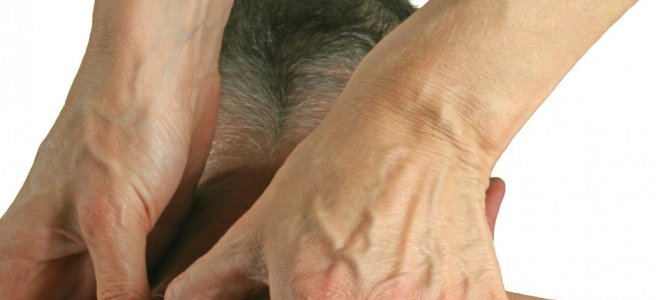
Massage Therapy: More Than Just Relaxation

When many people think of massage therapy, they envision a luxurious spa treatment reserved for special occasions or a way to unwind and relax after a long day. While massage certainly has its relaxing benefits, its scope extends far beyond mere relaxation. In this article, we’ll delve into the multifaceted benefits of massage therapy and explore its therapeutic value beyond relaxation.

1. Stress Reduction

Let’s start with the most commonly known benefit: stress reduction. Massage therapy has a profound ability to induce relaxation by calming the nervous system, reducing cortisol levels (the stress hormone), and promoting the release of endorphins (natural mood elevators). Regular massage sessions can help manage stress levels and improve overall well-being.

2. Pain Management

Massage therapy is widely recognized for its effectiveness in managing various types of pain, including musculoskeletal pain, chronic pain conditions, and pain associated with injuries or medical conditions. Through techniques such as Swedish massage, deep tissue massage, and myofascial release, massage therapists can alleviate tension, reduce inflammation, and improve circulation, resulting in pain relief and increased mobility.

3. Improved Circulation

Massage therapy promotes better blood circulation throughout the body, which delivers oxygen and nutrients to tissues and facilitates the removal of metabolic waste products. Enhanced circulation can aid in the healing process, reduce swelling and inflammation, and contribute to overall cardiovascular health.

4. Enhanced Range of Motion and Flexibility

Regular massage therapy can help improve flexibility and range of motion by stretching and loosening tight muscles, breaking up adhesions and scar tissue, and increasing joint mobility. This can be especially beneficial for athletes, individuals recovering from injuries, or those with musculoskeletal conditions such as arthritis.

5. Immune System Support

Massage therapy has been shown to have immune-boosting effects by stimulating the lymphatic system, which plays a key role in immune function and detoxification. By promoting lymphatic drainage, massage therapy helps rid the body of toxins and waste products, thereby supporting immune health and enhancing the body’s natural defense mechanisms.

6. Mental and Emotional Well-being

Beyond its physical benefits, massage therapy can have profound effects on mental and emotional well-being. Studies have demonstrated that massage can reduce symptoms of anxiety, depression, and insomnia, as well as improve mood, promote relaxation, and enhance overall quality of life.

7. Rehabilitation and Injury Prevention

Massage therapy is often incorporated into rehabilitation programs to aid in recovery from injuries, surgeries, or athletic training. By promoting tissue healing, reducing scar formation, and preventing muscle imbalances, massage therapy can help accelerate the rehabilitation process and minimize the risk of future injuries.

In conclusion, massage therapy offers a multitude of benefits beyond relaxation, ranging from pain management and stress reduction to improved circulation, flexibility, and immune function. Whether you’re seeking relief from chronic pain, recovering from an injury, or simply looking to enhance your overall well-being, regular massage therapy sessions can be an invaluable component of your self-care routine.

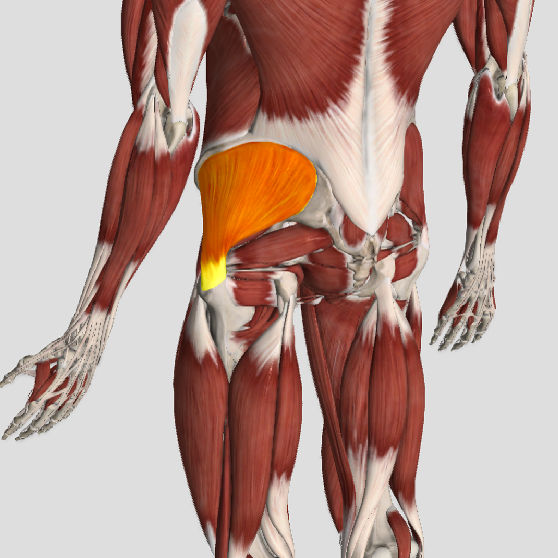
Can Having a Weak Buttocks Cause Back Pain?

Screen Shot 2017-10-31 at 11.12.00 AM

Problem: a new study found that people who have weak gluteal muscles suffer higher rates of low back pain.
Solution: (after you check with your doctor) try one of these simple exercises to help strengthen your gluteal muscles.

Contact us for treatment in Winnipeg

Find and Follow us on Twitter and Instagram!

Aboufazeli M et al. Comparison of Selective Local and Global Muscle Thicknesses in Females with and without Chronic Low Back Pain. Orthop Traumatol Rehabil. 2018 Jun 27;20(3):197-204.

The benefits of chiropractic care for low back pain

Chiropractic Care For Low Back Pain
Photo by Tim Mossholder on Pexels.com

Chiropractic care is a non-invasive, drug-free treatment option for low back pain. Chiropractors use manual manipulation to restore joint function and relieve pain. A systematic review of randomized controlled trials found that chiropractic care is an effective treatment for low back pain. For most people with low back pain, chiropractic care is a safe, effective treatment option.

If you’re suffering from low back pain, you may be looking for relief. Chiropractic care is a safe and effective treatment option for many people. Chiropractors use manual manipulation to restore joint function and relieve pain. A systematic review of randomized controlled trials found that chiropractic care is an effective treatment

Chiropractic care is a non-invasive, drug-free treatment option for low back pain. Chiropractors use manual manipulation to restore joint function and relieve pain. A systematic review of randomized controlled trials found that chiropractic care is an effective treatment for low back pain. For most people with low back pain, chiropractic care is a safe, effective treatment option.

Chiropractic care is an effective treatment for low back pain. It is a safe, drug-free option that can relieve pain and restore joint function. If you are suffering from low back pain, consider seeking out a qualified chiropractor to help you find relief.

If you’re considering chiropractic care for your low back pain, it’s important to find a qualified practitioner. Look for someone who is licensed and insured. You can also ask for referrals from friends or family. Once you’ve found a few potential practitioners, schedule a consultation to see if they’re a good fit for you.

If you’re suffering from low back pain, chiropractic care may be a safe and effective treatment option for you. Chiropractors use manual manipulation to restore joint function and relieve pain. A systematic review of randomized controlled trials found that chiropractic care is an effective treatment for low back pain. For most people with low back pain, chiropractic care is a safe, effective treatment option.

Contact Us

Check Us Out On Instagram

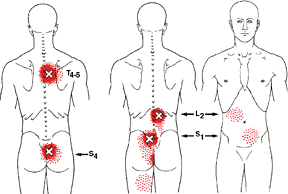
Trigger points in the abdominal muscles.

Myofascial trigger points in the abdominal muscles are very common. These muscles are responsible for trunk movement and stability, and are engaged in some way during most activities. As a result trigger points will easily form. These knots will often refer pain into the lower or mid back in a horizontal strip. Trigger points in the abdominal muscles are often overlooked as a source of back pain. Once developed, a trigger point won’t release on its own. A therapeutic modality such as trigger point massage is needed to release the tissue.

Quadratus lumborum muscle and back pain.

One of the most common causes or low back pain is trigger points in the quadratus lumborum muscle or Q.L. for short. This muscle is located in the lower back and is responsible for trunk and pelvic movement and stabilization. This muscle often harbors trigger points that form from prolonged sitting or bending. Pain from trigger points in this muscle will cause pain in the low back, sacrum, and into the hip.

Trigger points in the erector muscles.

The erector spinae muscles are a group of muscles the travel the length of your spine. They are responsible for spinal movement and stabilization. These muscles often become overloaded with poor posture of the spine. As a result trigger points often form. These points can cause pain to be felt anywhere along the spine and back. Some of these points can even refer pain into the front abdomen as well