Massage Therapy: More Than Just Relaxation

When many people think of massage therapy, they envision a luxurious spa treatment reserved for special occasions or a way to unwind and relax after a long day. While massage certainly has its relaxing benefits, its scope extends far beyond mere relaxation. In this article, we’ll delve into the multifaceted benefits of massage therapy and explore its therapeutic value beyond relaxation.

1. Stress Reduction

Let’s start with the most commonly known benefit: stress reduction. Massage therapy has a profound ability to induce relaxation by calming the nervous system, reducing cortisol levels (the stress hormone), and promoting the release of endorphins (natural mood elevators). Regular massage sessions can help manage stress levels and improve overall well-being.

2. Pain Management

Massage therapy is widely recognized for its effectiveness in managing various types of pain, including musculoskeletal pain, chronic pain conditions, and pain associated with injuries or medical conditions. Through techniques such as Swedish massage, deep tissue massage, and myofascial release, massage therapists can alleviate tension, reduce inflammation, and improve circulation, resulting in pain relief and increased mobility.

3. Improved Circulation

Massage therapy promotes better blood circulation throughout the body, which delivers oxygen and nutrients to tissues and facilitates the removal of metabolic waste products. Enhanced circulation can aid in the healing process, reduce swelling and inflammation, and contribute to overall cardiovascular health.

4. Enhanced Range of Motion and Flexibility

Regular massage therapy can help improve flexibility and range of motion by stretching and loosening tight muscles, breaking up adhesions and scar tissue, and increasing joint mobility. This can be especially beneficial for athletes, individuals recovering from injuries, or those with musculoskeletal conditions such as arthritis.

5. Immune System Support

Massage therapy has been shown to have immune-boosting effects by stimulating the lymphatic system, which plays a key role in immune function and detoxification. By promoting lymphatic drainage, massage therapy helps rid the body of toxins and waste products, thereby supporting immune health and enhancing the body’s natural defense mechanisms.

6. Mental and Emotional Well-being

Beyond its physical benefits, massage therapy can have profound effects on mental and emotional well-being. Studies have demonstrated that massage can reduce symptoms of anxiety, depression, and insomnia, as well as improve mood, promote relaxation, and enhance overall quality of life.

7. Rehabilitation and Injury Prevention

Massage therapy is often incorporated into rehabilitation programs to aid in recovery from injuries, surgeries, or athletic training. By promoting tissue healing, reducing scar formation, and preventing muscle imbalances, massage therapy can help accelerate the rehabilitation process and minimize the risk of future injuries.

In conclusion, massage therapy offers a multitude of benefits beyond relaxation, ranging from pain management and stress reduction to improved circulation, flexibility, and immune function. Whether you’re seeking relief from chronic pain, recovering from an injury, or simply looking to enhance your overall well-being, regular massage therapy sessions can be an invaluable component of your self-care routine.

Can Having a Weak Buttocks Cause Back Pain?

Screen Shot 2017-10-31 at 11.12.00 AM

Problem: a new study found that people who have weak gluteal muscles suffer higher rates of low back pain.
Solution: (after you check with your doctor) try one of these simple exercises to help strengthen your gluteal muscles.

Contact us for treatment in Winnipeg

Find and Follow us on Twitter and Instagram!

Aboufazeli M et al. Comparison of Selective Local and Global Muscle Thicknesses in Females with and without Chronic Low Back Pain. Orthop Traumatol Rehabil. 2018 Jun 27;20(3):197-204.

The benefits of chiropractic care for low back pain

Chiropractic Care For Low Back Pain
Photo by Tim Mossholder on Pexels.com

Chiropractic care is a non-invasive, drug-free treatment option for low back pain. Chiropractors use manual manipulation to restore joint function and relieve pain. A systematic review of randomized controlled trials found that chiropractic care is an effective treatment for low back pain. For most people with low back pain, chiropractic care is a safe, effective treatment option.

If you’re suffering from low back pain, you may be looking for relief. Chiropractic care is a safe and effective treatment option for many people. Chiropractors use manual manipulation to restore joint function and relieve pain. A systematic review of randomized controlled trials found that chiropractic care is an effective treatment

Chiropractic care is a non-invasive, drug-free treatment option for low back pain. Chiropractors use manual manipulation to restore joint function and relieve pain. A systematic review of randomized controlled trials found that chiropractic care is an effective treatment for low back pain. For most people with low back pain, chiropractic care is a safe, effective treatment option.

Chiropractic care is an effective treatment for low back pain. It is a safe, drug-free option that can relieve pain and restore joint function. If you are suffering from low back pain, consider seeking out a qualified chiropractor to help you find relief.

If you’re considering chiropractic care for your low back pain, it’s important to find a qualified practitioner. Look for someone who is licensed and insured. You can also ask for referrals from friends or family. Once you’ve found a few potential practitioners, schedule a consultation to see if they’re a good fit for you.

If you’re suffering from low back pain, chiropractic care may be a safe and effective treatment option for you. Chiropractors use manual manipulation to restore joint function and relieve pain. A systematic review of randomized controlled trials found that chiropractic care is an effective treatment for low back pain. For most people with low back pain, chiropractic care is a safe, effective treatment option.

Contact Us

Check Us Out On Instagram

Trigger points in the abdominal muscles.

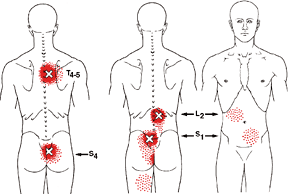
Myofascial trigger points in the abdominal muscles are very common. These muscles are responsible for trunk movement and stability, and are engaged in some way during most activities. As a result trigger points will easily form. These knots will often refer pain into the lower or mid back in a horizontal strip. Trigger points in the abdominal muscles are often overlooked as a source of back pain. Once developed, a trigger point won’t release on its own. A therapeutic modality such as trigger point massage is needed to release the tissue.

Quadratus lumborum muscle and back pain.

One of the most common causes or low back pain is trigger points in the quadratus lumborum muscle or Q.L. for short. This muscle is located in the lower back and is responsible for trunk and pelvic movement and stabilization. This muscle often harbors trigger points that form from prolonged sitting or bending. Pain from trigger points in this muscle will cause pain in the low back, sacrum, and into the hip.

Trigger points in the erector muscles.

The erector spinae muscles are a group of muscles the travel the length of your spine. They are responsible for spinal movement and stabilization. These muscles often become overloaded with poor posture of the spine. As a result trigger points often form. These points can cause pain to be felt anywhere along the spine and back. Some of these points can even refer pain into the front abdomen as well

Trigger points in the abdominal muscles.

The Abdominal muscles what people think of as your six pack muscles. They are mostly responsible for flexing the spine and postural stability. These muscles are often tight in people with poor posture with a rounded spine. This causes trigger points to developed. Trigger points in the abs cause pain to be felt in the abdomen, but also frequently in the back. Trigger points in the upper abdominals refer pain into the mid back, and points in the lower abdominals produce lower back pain.

Glute medius trigger points and back pain.

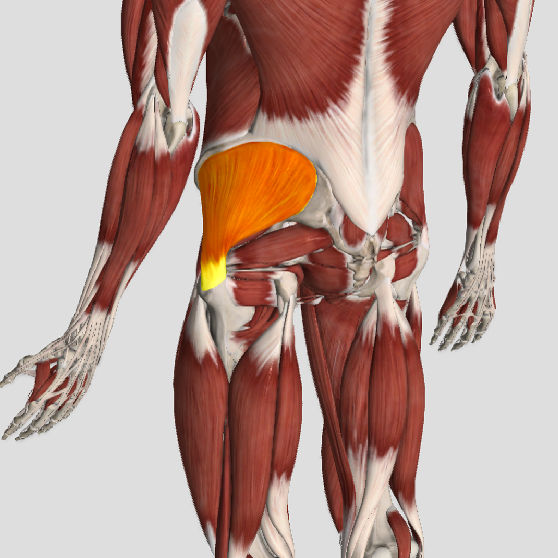
A common cause of sacral and lower back pain is trigger points in the gluteus medius muscle. This muscle is located in the hip and is responsible for abduction and stabilization of the hip and pelvis. This muscle often harbors trigger points. These knots will often refer pain into the sacrum and lower back area

Trigger points and back pain.

Low back pain can be a complicated condition. Quite often in my practice I will see multiple muscles involved in causing lower back pain in my clients. For example trigger points in the hip flexors like the psoas muscle, along with trigger points in the back muscles themselves, such as the quadratus lumborum or the multifidus, can all be active and refer pain into the low back. When trigger points are active in multiple muscles at once this is called a chronic myofascial pain syndrome.