Condition Of The Month: Pregnancy-Related Low Back Pain

DSC_0033.jpg

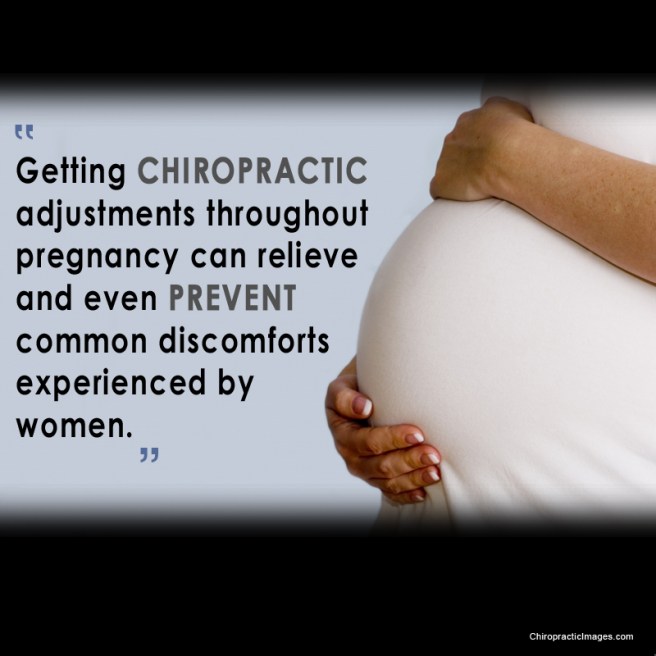
Low back pain during pregnancy is quite common. In fact, between 50-75% of all pregnant women will experience low back pain. The pain is usually caused from rapid changes in weight, posture, gait and hormones.

The average woman gains between 20-40 pounds throughout pregnancy. This weight gain moves your center of gravity forward, causing your pelvis to tilt and your lower back to sway – placing excessive stress on the ligaments, discs, and joints of your spine.

Pregnancy-related low back pain typically starts between the fifth and seventh month of pregnancy, although a significant portion of women experience pain sooner. Symptoms often begin at the base of your spine and may radiate into your buttock or thigh. Discomfort is often aggravated by prolonged standing, sitting, coughing, or sneezing. Your symptoms may increase throughout the day, and some patients report nighttime pain that disturbs their sleep. The extremes of activity seem to contribute to pregnancy-related low back pain – with increased risk for both “sedentary” and “physically demanding” lifestyles. Patients who have suffered with back pain prior to pregnancy are more than twice as likely to re-develop back pain during pregnancy.

Be sure to tell your doctor if your symptoms include fever, chills, bleeding, spotting, unusual discharge, cramping, sudden onset pelvis pain, light-headedness, shortness of breath, chest pain, headache, calf pain or swelling, decreased fetal movement, or symptoms that radiate beyond your knee.

Unfortunately, pregnancy related low back pain occurs at a time when your medical treatment options are limited. Not surprisingly, over 90% of prenatal health care providers would recommend drug-free treatment, including the type of alternative therapy provided in this office. Studies have shown that chiropractic manipulation provides significant relief of pregnancy- related low back pain. Almost 75% of women undergoing chiropractic care report significant pain reduction with improved ability to function.

Most patients will also benefit from continuing aerobic exercise throughout pregnancy. The US Department of Health and Human Services advises that healthy pregnant women may begin or continue moderate intensity aerobic exercise for at least 150 minutes per week. Women should not begin “vigorous” exercise during pregnancy, but those who were preconditioned to vigorous exercise may continue. Be sure to check with your doctor prior to initiating or increasing any exercise program while you are pregnant.

Be sure to take frequent breaks from prolonged sitting or standing. You may find benefit by using a small footstool to alternate feet while standing. Sleeping with a pillow between the knees in a side lying posture may help you to rest more comfortably. You should wear shoes with good arch supports. In some cases, your chiropractor may recommend a sacroiliac belt or pelvic support belt to help relieve your pregnancy-related low back pain.
10 Quick Back Pain Tips

Low back pain (LBP) is VERY likely to affect all of us at some point in life. The question is, do you control IT or does IT control you? Here are ten “tricks” for staying in control of “IT!”
1)  STRETCH: When you’re in one position for a long time (like sitting at your desk), SET your cell phone timer to remind yourself to get moving and stretch every 30-60 minutes! Mornings are a great time to stretch.
2)  BE SMART: Do NOT place your computer monitor anywhere other than directly in front of you. Shop carefully for a GOOD supportive office chair that is comfortable and a good fit.
3)  POSTURE: For sitting, sit as upright as comfortably possible keeping your chin tucked in so the head stays back over the shoulders.
4)  SHOE WEAR: Avoid wearing heels greater than one inch high (2.54 cm). A supportive shoe that can be worn COMFORTABLY for several hours is ideal! Generally, the “skimpier” the shoe, the worse the support, so don’t “skimp” on shoe wear!
5)  SMOKING: Carbon monoxide from cigarette smoke competes with oxygen at each cell in the body literally suffocating them, which makes the healing process more difficult.
6)  WEIGHT: Your body mass index (BMI) should be between 18.5 and 25. Search the internet for “BMI Calculator” and plug in your height and weight to figure out yours.  BMI is a reliable indicator of body fatness and a great way to determine where you are at for goal setting.
7)  ANTI-INFLAMMATION: Common over the counter (OTC) medications include ibuprofen and naproxen. However, recent studies show these types of medications (NSAIDS) may delay the healing process. A healthier choice is ginger, turmeric, and bioflavonoids, which are commonly bundled together in a supplement. Eat fresh fruits, veggies, lean meats, and food rich in omega-3 fatty acids. Vitamin D, magnesium, and coenzyme Q10 are also smart choices. AVOID FAST FOOD as they tent to be rich in omega-6 fatty acids, which can promote inflammation.
8)  ICE: This could be included in #7 but deserves its own space. Ice reduces swelling while heat promotes it. Try rotations of ice every 15-20 minutes for about an hour three times a day to “pump” out the swelling!
9)  STAY ACTIVE: Balance rest with physical activity like exercise or simply going for a walk. The most important thing is to move your body around.
10)  STRENGTHEN: Core stabilizing exercises (sit-ups, planks, quadruped) and BALANCE exercises are VERY important!

Standing Posture Tips

Standing Posture Tip

While sitting for prolonged periods of time can be hard on your back, the same can be said for prolonged standing.

If you must stand in one place for awhile, try keeping one foot slightly in front of the other, with your knees slightly bent.

This position helps to take the pressure off your low back

8 Safety Tips to Prevent Falls

8 tips

When the rain and snow starts to fall, so do people. In fact, falls are the leading cause of nonfatal injuries in adults 45 and older. Protect yourself from a life-changing injury this winter with these 8 safety tips.

1. Choose the right shoe. Shoes and boots need to fit properly and have soles with good traction. Snow boots or hiking boots will provide the best protection for the worst type of weather.

2. Leave early. Falls are more likely to happen when you’re in a rush. Allow yourself plenty of time to get to where you’re going.

3. Walk like a penguin. Take short steps and walk as flat-footed as possible on icy or slippery ground.

4. Keep your hands free. You’ll need them to help you balance, so avoid carrying heavy loads and keep those hands out of your pockets.

5. Remove snow and ice from walkways frequently. Don’t wait for it to melt. That could take awhile. Apply ice melt and ask for help if you need it.

6. Keep the lights on. If you have exterior lights on your home, use them to help see where you’re walking at night.

7. Advocate for your safety. If the entrances or sidewalks do not look safe outside of a business or a local venue, speak up and let someone know.

8. Keep your cell phone with you. Even if it’s just on a trip to the mailbox, bring it. In the event that a fall does occur, you may need it to call someone for help.


Stay vigilant and remember these tips during this winter season. If you are injured from a fall, count on our office to help get you back on your feet quickly.

Where is my Low Back Pain coming from?

Most of us have suffered from back pain at one time or another. It often occurs after over-doing a physical task, like fall yard work, winter snow shovelling, working on the car, cleaning the house, and so on. But there are times when identifying the cause of back pain can be difficult or impossible. Let’s take a deeper look at where back pain can come from…
Though activity-related back pain is common, many times a direct link to over-use is not clear. Micro-traumatic events can accumulate and become painful when a certain threshold is exceeded. (Think of the old adage “The straw that broke the camel’s back.”)
There are other less well-identified causes of back pain. One is called referred pain. This can be caused by an irritated joint or soft tissue not necessarily located in the immediate area of the perceived pain. For example, pain in the leg can result from an injured facet joint, sacroiliac joint, and/or a disk tear (without nerve root pinch). This is called “sclertogenous pain.”
Internal organs can also cause back pain. This is called a “viscerosomatic response” (VSR). A classic example of this is when the right shoulder blade seems to be the source of pain when the gall bladder is inflamed. This pain can be located at or below the scapula next to the spine and the muscles in the area are in spasm and sensitive or painful to the touch. Also, VSR is often not worsened or changed by bending in different directions (unlike musculoskeletal / MSK pain). Without further testing, it’s easy to confuse this with a MSK or a “typical” back ache. Ultimately, a final diagnosis may require an abdominal ultrasound (CT, MRI scan, and other diagnostics are less frequently used).
Visceral pathology in the back pain patient presenting to chiropractors is reportedly rare, and according to one survey, only 5.3% of patients present with non-musculoskeletal complaints. Other common VSR pain patterns are as follows: Heart – left chest to left arm, mid-upper back, left jaw; Liver – right upper shoulder (front and back), right middle to low back, and just below the sternum; Appendix – right lower abdomen (may start as stomach pain); Small intestine – either side of the umbilicus and/or between it and the breast bone; Kidney – small of the back, upper tailbone, and/or groin area; Bladder – just above the pubic bone and/or bilateral buttocks; Ovaries – groin and/or umbilical area; and Colon – mid-abdominal and/or lower quadrants.
Another challenge to diagnosis is cancer in the spine, which can be primary or metastatic (from a different location). Thankfully, this is very rare. A history of unexplained weight loss, a past history of cancer, over age 50, nighttime sleep interruptions, and no response to usual back care may lead a doctor to recommend tests to determine if cancer is present in the spine.
Bottom line: When patients present with back pain, chiropractors have been trained to look for these less common but important causes of back pain. They get “suspicious” when the “usual” orthopedic tests do not convey the usual responses seen with mechanical back pain. In these cases, they work with primary care doctors to coordinate care to obtain prompt diagnostic testing and treatment.
We realize you have a choice in whom you consider for your health care provision and we sincerely appreciate your trust in choosing our service for those needs.  If you, a friend, or family member requires care for back pain, we would be honored to render our services.
361

Exercise of the Month!

One of our favourites in the office; Thoracic Rotation.

An easy exercise for your upper and mid-back. No equipment required! – (Post link to article and video on your blog or post video directly on your social media account.)”

  1. Begin on your hands and knees and shift back so that your buttock is on your heels.
  2. Place one hand behind your neck with your elbow pointing downward.
  3. Rotate your trunk to move your elbow towards your opposite knee.
  4. Rotate back, raising your elbow toward the ceiling.
  5. Repeat three sets of 10 repetitions on each side twice per day or as directed.

Pregnancy and Low Back Pain?

40

Did you know that 50-72% of women have low back pain (LBP) and/or pelvic pain during their pregnancy but only 32% do something about it? Let’s look closer!
Pregnancy-related low back pain (PLBP) can be a highly debilitating syndrome that accounts for the most common cause of sick leave for pregnant women. In 2004, Americans spent $26.1 billion dollars in an effort to find relief from back pain during pregnancy. Statistics show one out of ten women will experience daily DISABLING LBP for at least two years following delivery.
Because of the limited number of treatment options available for the pregnant woman due to mother and fetus safety, and given the high propensity of potentially disabling PLBP that can significantly limit function and quality of life, chiropractic care seems to be a natural choice for this patient population! Obviously, pharmaceuticals and surgery are NOT appropriate options for the expectant mother, even during the post-partum breast-feeding time period. Chiropractic offers a non-invasive and safe approach to managing lumbopelvic pain that uses many different approaches.
In a 2009 research paper, 78 women participated in a study that investigated disability, pain intensity, and percent improvement after receiving chiropractic care to treat pregnancy-related PLBP. Here, 73% reported their improvement as either “excellent” or “good.” For disability and pain, 51% and 67% (respectively) experienced clinically significant improvement! Researchers followed up with them eleven months later and found 85.5% reported their improvement as either “excellent” or “good!” For disability and pain, 73% and 82% (respectively) experienced clinically significant improvement!
So, what’s causing LBP in pregnant women? Because of the biomechanical changes that occur in the low back and pelvis over a relatively short amount of time during pregnancy, especially in the second and third trimesters, common pain generators include (but are not limited to): the sacroiliac joint, facet joints, shock-absorbing disks, and the many connecting muscles (strains) and ligaments (sprains). During the later stages of pregnancy, the hormone Relaxin prepares the pelvis for delivery by widening the pelvic girdle, which can also be problematic.
Treatment options within chiropractic often include spinal manipulation, lumbopelvic exercises, patient education, posture correction, massage, an SI belt, soft tissue mobilization, and more. Exercises that target the transverse abdominus, multifidus, and pelvic floor muscles help to stabilize the lumbopelvic region. The American College of Obstetricians & Gynaecologists recommends exercise at least three times a week during pregnancy, and studies report NO obstetric complications (pre-term labor, premature ruptured membranes, or changes to maternal or neonatal weight) with exercise.
So, the answer is clear! When PLBP strikes, seek chiropractic care to safely and effectively manage the pain and disability and so you can ENJOY YOUR PREGNANCY!!!
We realize you have a choice in whom you consider for your health care provision and we sincerely appreciate your trust in choosing our service for those needs.  If you, a friend, or family member requires care for back pain, we would be honoured to render our services.

Condition Of The Month: Thoracic Joint Restriction

T Spine Joint

Your spine is made up of 24 bones stacked on top of each other with a soft “disc” between each segment to allow for flexibility. Normally, each joint in your spine should move freely and independently. When one or more of your spinal vertebra is slightly misaligned and restricted, we call this condition a “spinal segmental joint restriction”. A “thoracic joint restriction” means that this misalignment or restriction is located in your upper or mid-back region.

To help visualize this, imagine a normal spine functioning like a big spring moving freely in every direction. A spine with a joint restriction is like having a section of that spring welded together. The spring may still move as a whole, but a portion of it is no longer functioning.

Joint restrictions can develop in many ways. Sometimes they are brought on by an accident or an injury. Other times, they develop from repetitive strains or poor posture. Being overweight, smoking, strenuous work, and emotional stress can make you more susceptible to problems.

Restricted joints give rise to a self-perpetuating cycle of discomfort. Joint restriction causes swelling and inflammation, which triggers muscular guarding leading to more restriction. Since your spine functions as a unit, rather than as isolated pieces, a joint restriction in one area of your spine often causes “compensatory” problems in another. Think of this as a rowboat with multiple oarsmen on each side. When one rower quits, the others are placed under additional stress and can become overworked.

Joint restrictions most commonly cause local tenderness and discomfort. You may notice that your range of motion is limited. Movement may increase your discomfort. Pain from a restricted joint often trickles around your rib cage or up & down your spine. Be sure to tell your chiropractor if your symptoms include any chest pain, shortness of breath, unusual cough, indigestion or flu- like complaints.

Long-standing restrictions are thought to result in arthritis – much like the way a slightly misaligned wheel on your car causes premature wearing of your tire.

You should recognize that your problem is common and generally treatable. Chiropractic care has been shown to be the safest and most effective treatment for joint restrictions. Our office offers several tools to help ease your pain. To speed your recovery, you should avoid activities that increase your pain. Be sure to take frequent breaks from sedentary activity. Yoga has been shown to help back pain sufferers so consider joining a class or picking up a DVD.

Chiropractic as THE alternative to Opioids.

In 2015, two million Americans had a substance abuse disorder involving prescription pain relievers; with more than 20,000 overdose deaths related to these drugs. In the past decade, death rates and substance use rates quadrupled in parallel to sales of prescription pain relievers.

Chronic LBP is a primary generator for opioid prescriptions. This year, both JAMA and Annals of Internal Medicine have published and supported new clinical practice guidelines that recommend prescribing spinal manipulation over medication for LBP patients.

“For acute, subacute, or chronic low back pain, physicians and patients initially utilize spinal manipulation and delay pharmacologic management.”

Research shows that low back pain patients who undergo chiropractic care have improved outcomes with lower rates of opioid use, surgery, and overall healthcare costs.

Not surprisingly, various governing bodies, including the FDA, CDC, and 37 State Attorney General’s, have concurred that physicians and healthcare decision makers should consider non- pharmacologic therapy for LBP patients. In fact, the 2018 Joint Commission guidelines mandate that hospitals include conservative options for chronic musculoskeletal pain management, specifically naming chiropractic as a potential option.

Chiropractic care is not a replacement for traditional medical treatment of LBP, rather a complementary tool to integrate within your current management paradigm. We hope that you will continue to consider our office for those cases that may be favorably served by conservative manual therapy. We are grateful for your confidence and will work hard to maintain your trust.