Chiropractic: Chronic Pain May Increase Fall Risk for Seniors!

Chiropractic: Chronic Pain May Increase Fall Risk for Seniors!

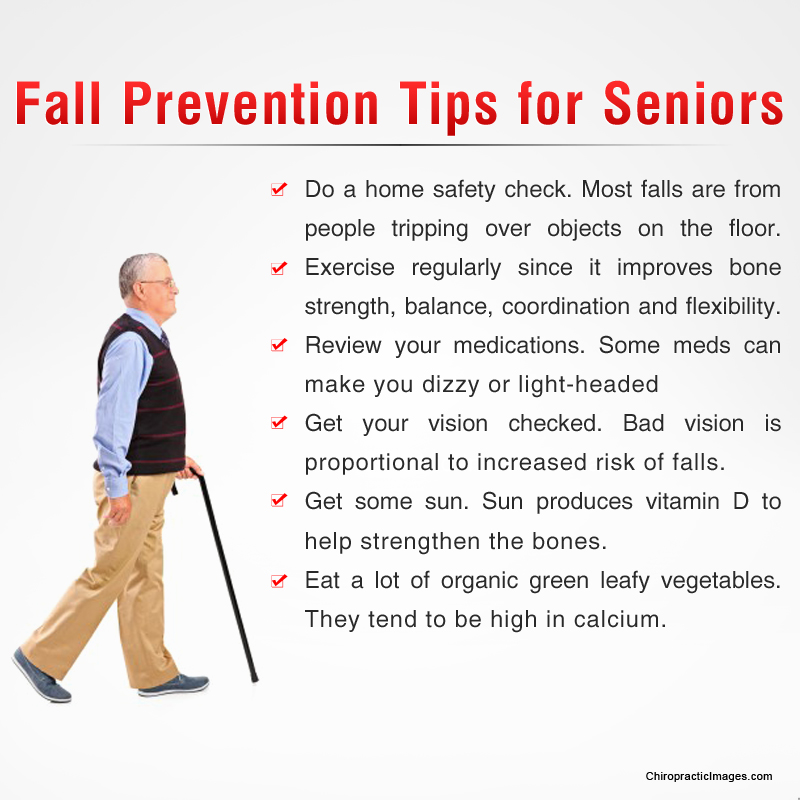
Serious injuries resulting from falls can significantly impact both independence and quality of life among elderly patients. While impaired motor function is typically associated with greater fall risk, a new report finds that older adults with normal motor function and chronic musculoskeletal pain in multiple body sites also have an elevated risk for falling down. Aging Clinical and Experimental Research, March 2015

Health Alert: Watching Two or More Hours of TV a Day Increases Hypertension Risk in Children.

Health Alert: Watching Two or More Hours of TV a Day Increases Hypertension Risk in Children.

A new study indicates that spending more than two hours a day in front of a TV screen increases a child’s risk for high blood pressure by 30% and performing less than one hour a day of physical activity increases a child’s risk for hypertension by 50%! The authors of the study write, “The figures are worrying, given that sedentary behaviors are common in infancy and subsequently, later in life.” International Journal of Cardiology, February 2015

Mental Attitude: What Do Adults Prefer in a Partner?

Mental Attitude: What Do Adults Prefer in a Partner?

A survey of 327 adults found friendliness, intelligence, humor, and a sense of fun are the most desirable characteristics for future or potential long-term relationship partners. The researchers note that women found a sense of humor more important than men did and men found an exciting personality more important than did women. They add that individuals who described themselves as playful valued playfulness, humor, a laid-back attitude, a sense of fun, and creativity in potential partners. Study author Dr. René Proyer comments, “Although we should be cautious while interpreting the data, this could be an indication that playful people are actually perceived as more attractive partners or that playfulness increasingly develops in the relationship.” American Journal of Play, February 2015

Wellness/Prevention: Winter Weather Can Deprive You of Vitamin D.

Wellness/Prevention: Winter Weather Can Deprive You of Vitamin D.

Many residents of snowy, high latitude cities are most likely at risk of vitamin D deficiency, claims nutrition researcher Dr. Peter Horvath. For example, during the winter months almost 50% of Buffalo, New York residents have insufficient amounts of vitamin D and 25% are considered vitamin D deficient. Deficient levels of vitamin D may result in lower bone density, a weakened immune system, increased risk for type 2 diabetes, higher susceptibility to some cancers, an increased risk of death from cardiovascular disease, and cognitive impairment in older adults. Dr. Horvath advises that spending more time in the sun during the warmer months along with increased dietary/supplement intake of vitamin D can be helpful maintaining healthy levels of vitamin D well into the winter season. University at Buffalo, February 2015 Quote: “Maybe everyone can live beyond what they’re capable of.” ~ Markus Zusak

Chiropractic: Abnormal Neck Posture Associated with Headache Risk.

Chiropractic: Abnormal Neck Posture Associated with Headache Risk.

After comparing neck x-rays of patients with cervicogenic headaches (or headaches originating from dysfunction in the neck) to neck x-rays of healthy controls, researchers found that just a 3-4° difference in cervical lordosis (curve) is associated with an 8% increased risk for developing this type of headache. Physical Therapy, February 2015

Diet: Are Fruits and Vegetables Good for Your Lungs?

Diet: Are Fruits and Vegetables Good for Your Lungs?

A meta-analysis of 38 studies indicates that eating fruits and vegetables can have a protective effect on the lungs. After reviewing data concerning nearly five million individuals, researchers conclude that consuming up to two servings of fruit and two servings of vegetables per day is associated with as much as a 16% reduced risk for developing lung cancer. Lung Cancer, February 2015

Health Alert: Immune System Development Influenced Early in Life.

Health Alert: Immune System Development Influenced Early in Life.

New research shows that exposure to a variety of bacteria during gestation and infancy can promote a more diverse population of bacteria in the gut. A healthy population of gut bacteria can aid in the development of the immune system and reduce a child’s risk for allergies and asthma. Research leader Dr. Christine Cole Johnson comments, “For years now, we’ve always thought that a sterile environment was not good for babies. Our research shows why. Exposure to these micro-organisms, or bacteria, in the first few months after birth actually help stimulate the immune system. The immune system is designed to be exposed to bacteria on a grand scale. If you minimize those exposures, the immune system won’t develop optimally.” Henry Ford Health System, February 2015

Mental Attitude: Stroke Increases Dementia Risk.

Mental Attitude: Stroke Increases Dementia Risk.

Taiwanese researches followed 10,884 first-time stroke patients with no history of dementia and found that such patients are six-times more likely to be diagnosed with dementia during the following five years than a similar population with no history of stroke. Current Alzheimer Research, March 2015