Finding Headache Relief Without Drugs 

Bottom Line:

Waking up with a headache or consistently getting one by the end of work each day is not fun (or normal). Headaches can be caused by a variety of factors, none of which are a shortage of medication in your body! As a matter of fact, if you have been relying on drugs to find relief day after day, there is a variety of new research that encourages you to reconsider. 

Why it Matters:

Relying on medications to find relief each and every day places an enormous amount of strain on your liver and other internal organs. What’s more, researchers have found that a common “side” effect of many popular headache mediations is…more headaches! And if that wasn’t enough to encourage you to think differently about how to treat your headaches, new research has found an increased risk of heart attacks in people who had taken NSAIDs (or non-steroidal anti-inflammatory drugs). It’s easy to see why our firm belief is that the best way for most people to find relief from their headaches is through natural healthcare such as combination of Chiropractic and light stress-relieving exercise like yoga. 

  • Headache medications often have dangerous side effects. 
  • Research has shown little to no evidence that such drugs are effective at treating headaches.
  • In a recent study, over 30% of participants saw a 100% improvement in the frequency and severity of their headaches after receiving Chiropractic care. 

Next Steps: 

Our workshop on finding natural solutions and relief from headaches is coming up soon! We’ll help you discover the causes of many common types of headaches, share tips on reducing their impact in your life, and review the steps you can take to ensure that you don’t have to suffer from them in the future. Share this with a friend and be sure to let us know how many people will be attending the workshop with you! 

Science Source(s): 

Dose-Response and Efficacy of Spinal Manipulation for Chronic Cervicogenic Headache: A Pilot Randomized Controlled Trial. The Spine Journal. 2010 

Chiropractic spinal manipulative therapy for cervicogenic headache: a single-blinded, placebo, randomized controlled trial. BioMed Central. 2017 

Mental well-being linked to better cardiovascular and overall health

https://www.medicalnewstoday.com/articles/mental-well-being-linked-to-better-cardiovascular-and-overall-health

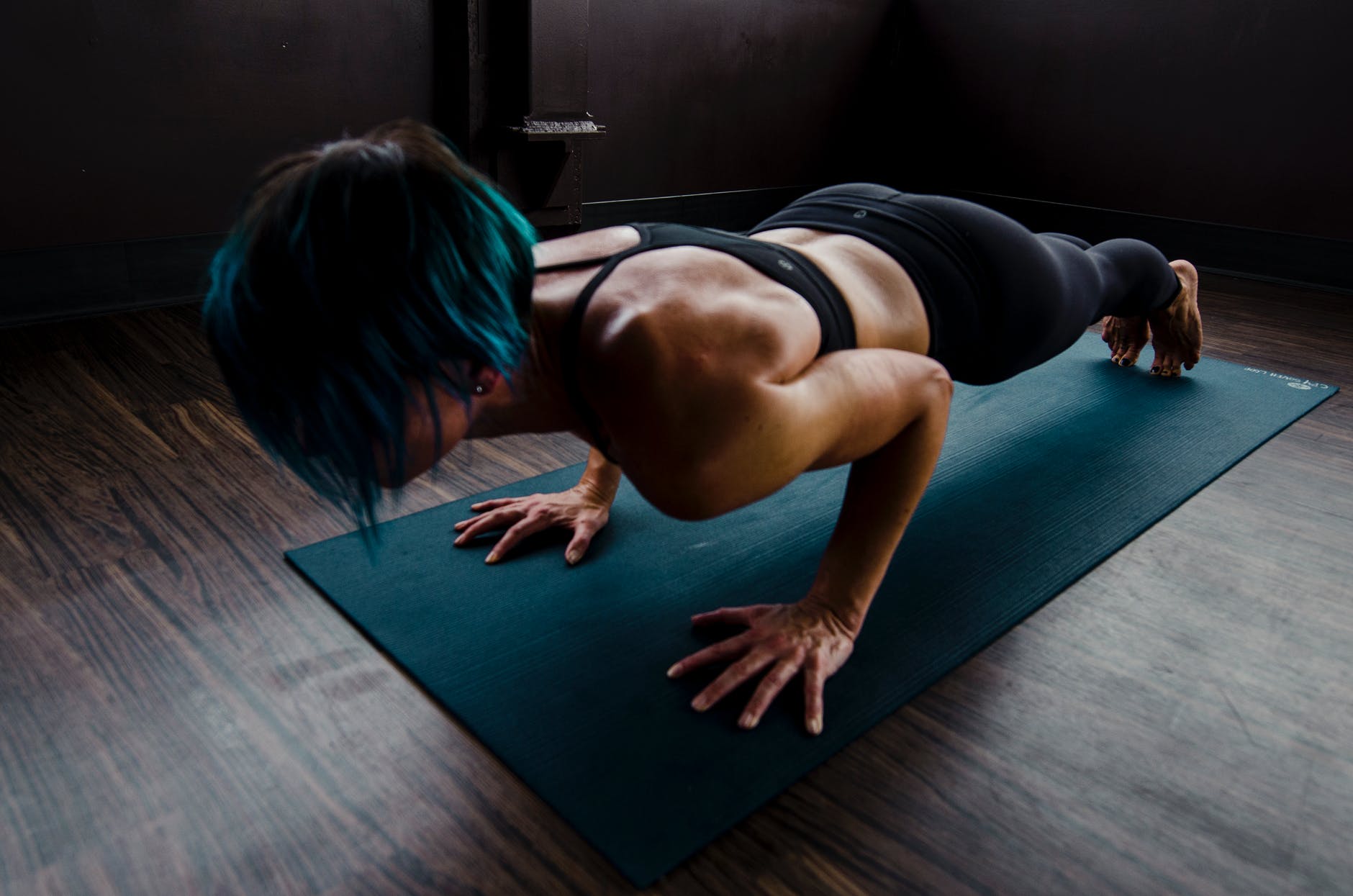
Photo by Andre Furtado on Pexels.com

Cardiovascular and general, overall health are well established factors to general wellbeing and mental health. Likewise, improving your overall health and specifically cardiovascular health will lead to improvements in your mental health and overall outlook.

Get fit and feel great!

Photo by Kat Smith on Pexels.com

Chiropractic: Resolution of Shoulder Pain Following Chiropractic Care.

Chiropractic: Resolution of Shoulder Pain Following Chiropractic Care.

A new case study sheds light on the benefits of chiropractic care for shoulder pain. A 73-year-old woman with a one-year history of shoulder pain presented for chiropractic care. Her working diagnosis included brachial neuritis, cervicalgia, arthritis, and cervical spinal joint fixations. She reported resolution of pain, and improvements in both function and quality of life following just eleven chiropractic treatments over the course of ten weeks.

Annals of Vertebral Subluxation Research, February 2015

For more health and wellness tips and information follow us or check out our blog at http://www.aberdeenchiropracticblog.com 

Photo by Karl Solano on Pexels.com

Knee Osteoarthritis

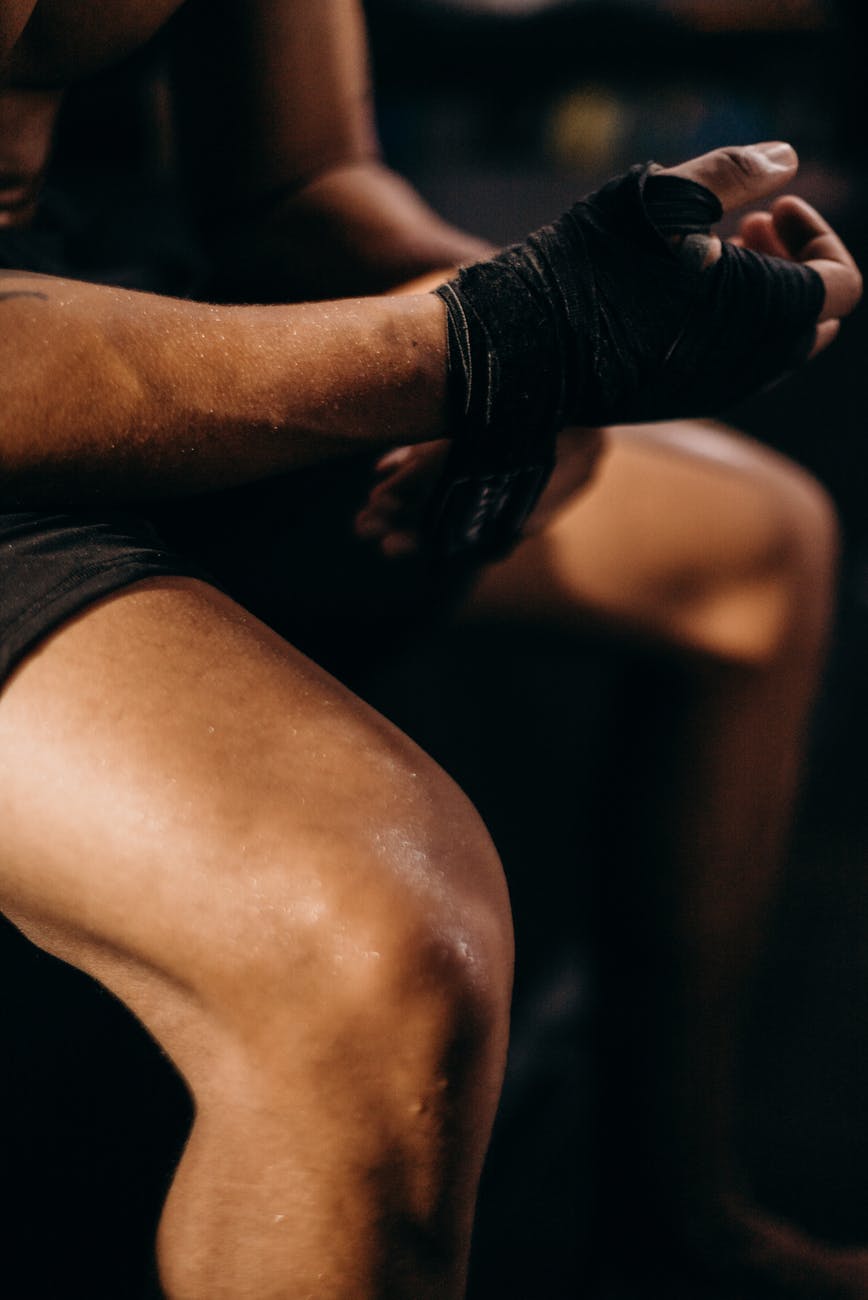
Photo by cottonbro on Pexels.com
Knee Osteoarthritis
Knee osteoarthritis is a condition that can cause stiffness that limits joint range of motion. Over time, the knee’s flexion and extension movements become limited, generally causing pain and an alteration of the normal biomechanics. Your thigh muscles also have to work harder during movement, generating a feeling of muscle tension.To date, the exact causes of osteoarthritis have not been fully identified. It is completely normal to have a mild level of osteoarthritis with age. However, the more advanced stages of osteoarthritis can affect the ability to carry out daily activities and sports. An exacerbation of symptoms usually occurs during a period when the level of physical activity has been drastically increased. Direct trauma to the knee can increase the symptoms of osteoarthritis.

▬▬▬▬▬

Structures involved

In the knee, the joint affected by osteoarthritis is the t​ ibiofemoral joint​, formed by the femur bone and the tibia bone. It is mainly ​cartilage​ damage combined with the presence, in some cases, of slight bone spurs in the joint that appear to be responsible for the restriction of movement. Over time, certain muscles in the thigh area may compensate for the joint restriction and become more tense.page1image34813889601

▬▬▬▬▬

Signs & Symptoms that you may experience

Each person will react differently to osteoarthritis and management will depend on its stage. Knee osteoarthritis can produce, but is not limited to, local pain in the knee, localized edema and stiffness in certain knee movements. Repetitive movements of the knee during walking or other sports activities and a squatting position with direct pressure can cause pain.

▬▬▬▬▬

Developments

Knee osteoarthritis is a progressive condition that cannot be cured, which means that the range of motion may decrease over time. An active lifestyle and a rehabilitation plan may however slow the progression of this condition and make it easier to manage the symptoms.

▬▬▬▬▬▬▬▬▬▬▬▬▬▬▬▬▬▬▬▬▬▬▬▬▬▬▬▬▬▬▬▬▬▬▬▬▬▬▬▬▬▬▬▬▬▬▬▬▬▬▬▬▬▬▬▬▬▬▬▬▬▬▬▬▬▬▬▬▬▬▬▬▬▬▬▬▬▬▬▬

▶​ ​WHAT TO DO

Painful episodes

Relative rest is a good way to prevent your symptoms from getting worse after a painful episode. A few days of rest while reducing activities that cause significant pain​ m​ ay be necessary, but it is very important to avoid deconditioning. A quick return to your daily activities, light cardiovascular exercises that do not cause an increase in pain, joint mobilization exercises and knee and hip muscles strengthening exercises will allow for better recovery.

Rehabilitation

Follow your therapist’s advice. This will help you manage the various stages of the healing process and increase the odds of success. Your therapist will accompany you during your rehabilitation program in order to improve range of motion of your knee’s joint, regain flexibility, muscle strength and endurance, and functional state.

According to the principles of knee osteoarthritis rehabilitation, improving joint range of motion should be an integral part of the treatment plan. A program to improve joint range of motion and flexibility, as well as specific muscle strengthening is common to control the symptoms of knee osteoarthritis.

▶ ​WHAT TO AVOID

Do not rely solely on a passive treatment approach. Each phase of the rehabilitation process is important. Patients who actively participate in their treatment plan tend to recover more quickly. Keep in mind that pain is not always a good indicator of joint or tissue damage. A significant level of pain does not necessarily imply a more advanced stage of osteoarthritis. As soon as you feel better and the pain is well under control, introduce, in collaboration with your therapist, light mobility and strengthening exercises based on your tolerance. Remember that exercise is an excellent way to manage pain associated with osteoarthritis.

Injury Prevention

Bottom Line:

Have you ever been excited to start a new exercise program, shed a few pounds, and get in shape? It’s incredible, until about 2-3 weeks in when you suffer an injury, take a few days off and then never quite get back on track. Does this story sound familiar? You’re not alone. It happens all the time. So let’s take a look at how you can get active, reach your goals, and avoid those pesky injuries during those first few weeks. 

Why it Matters:

While it’s impossible to avoid every potential injury, a balance of spinal strength and flexibility can help dramatically reduce your likelihood of getting injured.  Rome wasn’t built in a day, and neither was your body. Long term strength is built through repetition. While there is a time and place for loading with max weight, if you are just getting started in a workout routine, it’s usually best to start slow by using lighter weights and working towards increasing your repetitions. Flexibility is the second key to staying injury free. Whether you are stretching during long work hours at the computer, practicing yoga on the weekends, or using Chiropractic care to improve your spinal (and extremity) range of motion, it’s essential to view flexibility as a journey rather than a destination. Every day that you take a proactive step with your strength and flexibility, you are reducing the chance of an injury, making progress towards your goals, and living a healthier life. 

  • Stretching can improve your flexibility and decrease your risk of injury.
  • Dynamic (or movement-based) warm-ups have been shown to potentially enhance performance. 
  • Strength training can increase your resilience and prepare your body for activity. 

Next Steps: 

We understand that everyone has unique health goals. If you have a specific question about injury prevention based on the activities you love, ask! We believe that by taking a proactive approach with your health and wellness, you can have a more inspired and fulfilling life, and we’ll be here for you every step of the way. 

Science Source(s): 

Mayo Clinic: Stretching: Focus on Flexibility. 2017

Exercise: Muscle Weakness Affects 1 in 5 Older Americans.

Exercise: Muscle Weakness Affects 1 in 5 Older Americans. Twenty percent of Americans 80 years of age and older have weak muscle strength, according to experts at the Centers for Disease Control and Prevention (CDC). Prior studies have linked fading muscle strength to slower walking speed and an increased risk of death. The CDC recommends that seniors should strive to maintain optimal physical conditioning through good overall preventive care, nutrition, and exercise.

Centers for Disease Control and Prevention, January 2015

Photo by Marcus Aurelius on Pexels.com

Exercise: Make it Fun and Keep Going.

Exercise: Make it Fun and Keep Going.

When exercising, it is important to make your routine enjoyable and fun to help ensure that you keep exercising. The American Heart Association suggests the following: wear shoes that are comfortable and fit properly, wear clothing that is appropriate for weather conditions, start slow, stick to a consistent workout time, make expectations reasonable for your health and abilities, include fun activities with family and friends, track you progress, and reward yourself for success. American Heart Association, February 2015

Photo by Pixabay on Pexels.com

Your Arm Pain May Be Coming From Your Neck

Bottom Line: 

Cervical radiculopathy is the medical term for when a spinal disc in your neck is irritating or compressing a nerve root, causing pain, numbness, tingling, or weakness in your arm and hand. Specific neck movements, like twisting or bending, may increase the pain. This can happen because of injury or degenerative changes in the spine. The good news is that over 95% of people get well with natural healthcare like Chiropractic. 

Why it Matters: 

A pinched nerve in your neck can cause a lot of pain, and it can be tempting to reach for medications to find relief. However, research shows us you may want to contact your Chiropractor before reaching for any pills. The Annals of Internal Medicine found that Chiropractic adjustments provided more pain relief than medications for people suffering from neck pain and the relief was long-lasting. The patients in the study experienced statistically significant relief up to 1 year after the initial treatment! 

  • Discs in your neck can compress or irritate your nerves causing pain, numbness, or weakness.
  • Research has shown that adjustments were more effective than medication in the short and long-term.
  • Chronic neck pain can be reduced by up to 75% or more after Chiropractic adjustments.

Next Steps:

Research has shown that Chiropractic is an extremely safe and effective healthcare option for treating neck pain or pinched nerves. Additionally, Chiropractors are trained to help you proactively combat neck pain and to prevent it from showing up in the first place. Ask us about some simple stretches and exercises you can perform to help improve your range of motion while keeping your discs and nerves healthy and happy. 

Science Source: 

Spinal Manipulation, Medication, or Home Exercise With Advice for Acute and Subacute Neck Pain- A Randomized Trial. Annals of Internal Medicine, Volume 156, 2012 

Safety of Chiropractic Manipulation of the Cervical Spine. SPINE, Volume 32, 2007 

Evidence-Based Guidelines for the Chiropractic Treatment of Adults with Neck Pain. Journal of Manipulative and Physiological Therapeutics. Volume 37. 2014

Outcomes from Magnetic Resonance Imaging-Confirmed Symptomatic Cervical Disk Herniation Patients Treated with High-Velocity, Low-Amplitude Spinal Manipulative Therapy. Journal of Manipulative and Physiological Therapeutics. 2013 

Neck Pain, Posture and Headaches

Bottom Line: 

You know that feeling – the one where you start to feel a headache coming on. For many people, it is a daily occurrence and often begins in the neck and shoulders. That’s right – tight muscles around your neck can result in tension headaches. What’s more, if you sit at a computer all day, your posture may also be contributing to a decreased range of motion, premature degenerative changes in your spine, and headaches – but there’s good news! There are a few simple steps you can take to help you feel less pain, increase your energy, and fend off those degenerative changes. New evidence-based guidelines strongly recommend a combination of exercise, stretching, and Chiropractic adjustments to help reduce neck pain, headaches, and muscle tension. 

Why it Matters:

Chronic neck pain can rob you of the things you love. Enjoying your hobbies, taking a few moments to relax, and time with your family can all be affected. However, neck pain and headaches don’t have to be a part of your daily life. By understanding the latest research, you can take massive action to improve your health. Check out the next steps below to find a few tips to help you take your life back from pain. 

  • Research recommends a combination of Chiropractic, exercise, and stretching to reduce neck pain.
  • Chiropractic has an extremely high patient satisfaction score of over 90%.
  • An amazing 85% of people receiving Chiropractic adjustments for acute neck pain experienced significant improvement.

Next Steps:

It’s exciting that research has continued to showcase that you’re in charge of your health. Your habits and lifestyle can make a massive impact. Start reducing neck pain today by taking breaks every 45-60 minutes and stretching out your neck and shoulders. Take a brisk walk during lunch or hit the gym a few times a week to increase your activity levels. Finally, don’t forget about getting adjusted. Research proves that Chiropractic adjustments are a smart decision! 

Science Source(s): 

Spinal Manipulation, Medication, or Home Exercise with Advice for Acute and Subacute Neck Pain- A Randomized Trial. Annals of Internal Medicine, Volume 156, 2012 

Perceived Value of Spinal Manipulative Therapy and Exercise Among Seniors with Chronic Neck Pain: A Mixed Methods Study. Journal of Rehabilitation Medicine. 2014 

Evidence-Based Guidelines for the Chiropractic Treatment of Adults with Neck Pain. Journal of Manipulative and Physiological Therapeutics. Volume 37. 2014

Ischial Bursitis

Photo by Edgar Martu00ednez on Pexels.com

Ischial Bursitis
Ischial bursitis is the irritation of the bursa at the bony prominence behind the pelvis,​ ​called ischial tuberosity. This bony prominence represents an insertion zone for several muscles, including the hamstrings, and provides support in the sitting position.

Activities and sports that require the hamstring muscles to be repeatedly contracted or stretched during running, jumping or kicking can cause irritation of the bursa and sometimes inflammation. Ischial bursitis usually results from injury to the hamstring tendons. Prolonged sitting on a hard surface or falling on the buttocks can also aggravate the irritation.

▬▬▬▬▬

Structures involved

The b​ursa ​is a small fluid-filled sac. The bursa located in the pelvis acts as a lubricant to reduce friction between the muscles and the ischial tuberosity.

▬▬▬▬▬

Signs & Symptoms that you may experience

Each person will react differently after an injury and recovery will depend on the severity of the injury. Ischial bursitis can produce, but is not limited to pain in the buttock area, localized swelling of the bursa and reduced mobility at the hip.

▬▬▬▬▬

Recovery

Your rehabilitation plan, health profile, fitness level and nutritional status affect the recovery time. In most cases, you can expect a full recovery from ischial bursitis. As a general rule, this condition may take a few months to fully recover.1