


The levator scapulae muscle is a thin strap like muscle in your neck. It helps to shrug the shoulders and to side flex the neck. This muscle often becomes over worked when the head is tilted forward, or the shoulders are in an elevated position for prolonged periods of time. When strained trigger points develop. These points will refer pain into the neck and shoulder blade area. Trigger points in the levator scapulae are a main cause of a stiff neck.

The suboccipital muscles are small muscles at the base of the skull. These muscles often get strained by poor neck and head posture. Chronic strain will cause trigger points to form. Trigger points in the suboccipital muscles are major cause of headache pain. These points refer an achy pain deep into the skull being that eye and into the temple.
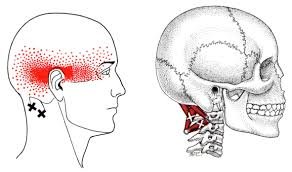
The trapezius muscle is a large diamond shaped muscle in your back and neck. It helps with shoulder and neck movements. This muscle is often over worked due to poor posture, such as sitting in front of a computer. This muscle is also a common ” stress” muscle where people have their shoulders hunched up to their ears. As a result trigger points in the upper traps are very common. These points refer pain into the temple and behind the ear. Upper trap trigger points are a common cause or headaches.
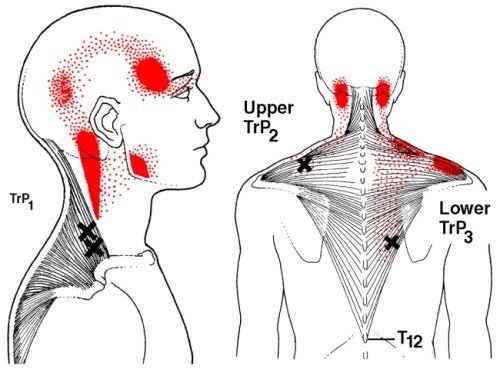
One of the most common things I treat in my practice is myofascial trigger points in the neck muscles. More often than not these points have been caused to develop due to poor neck and shoulder posture. You know the posture, head forward, shoulders rounded, spine curved. Anyone that has had to sit in front of a computer all day, or in car for a long period of time, or spends a lot of time on their phone has experienced this type of posture. The muscles that are responsible for holding your neck up, and your shoulders back, become fatigued over time causing a chronic overload stress. When this happens trigger points can be formed in the muscle tissue. Trigger points are areas of the muscle that have been jammed in the “on” position. They are Almost like a micro cramp within the muscle. These points are hyper sensitive and cause pain, referred pain, stiffness, and weakness among other symptoms. Trigger points in the neck muscles not only cause neck pain, but also refer pain into the head and face, mimicking headache and migraine type pain.
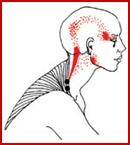
With a whiplash injury the muscles of the neck get overloaded and strained. When this happens trigger points can form in any or all of these muscles. Trigger points in the neck muscles will refer pain into the head and face causing headaches and migraines. These points won’t release with rest, stretching, or rehab exercise. They require a manual technique like trigger point massage for them to resolve.

A whiplash injury can cause a wide variety of symptoms. Myofascial trigger points that form in the muscles of the neck and back as a result of this injury can cause all of these symptoms listed below. For a complete treatment plan for whiplash, trigger points must be released.
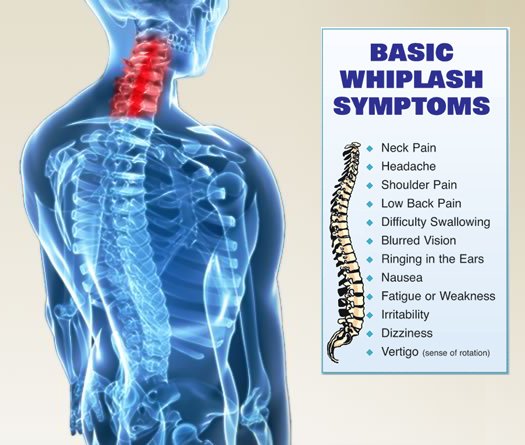
During a whiplash injury the soft tissue in both the front and back of the neck can get damaged. When this happens trigger points will form in the muscles. These points will produce pain, refered pain, as well as stiffness and weakness. Trigger points in the neck muscles quite often refer pain into the head causing headaches and migraine pain. These points don’t resolve with stretching or rehabilitation exercises, they must be specifically released with a technique such as trigger point massage therapy.
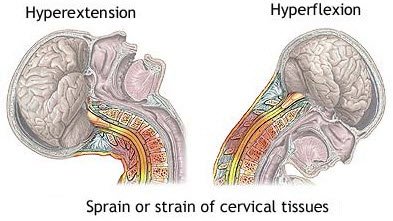
now that the winter is here and the roads are slippery, whiplash injuries becomes very common. Most people think of their spine and head when dealing with whiplash, but the muscles of the neck and upper back are always affected as well. Muscles in the neck will develop trigger points from the violent whipping motion of the head that occurs with this injury. Left unchecked these points will continue to produce pain, stiffness and weakness. Trigger points in the neck are one of the most common sources of headache pain. Make sure you are getting the soft tissue treated as well as the spine if you are recovering from a whiplash injury.

 Aberdeen Chiropractic