Whiplash Injury? Get Help Now!

whiplash


Should I seek treatment for whiplash right away?

Even though whiplash or whiplash associated disorders (WAD) is very common, it remains poorly understood. Recent studies report that up to 60% of people may still have pain six months after their injury. Why is that?
Investigations have shown there are changes in the muscle and muscle function in the neck and shoulder regions in chronic WAD patients. Symptoms often include balance problems as well as increased sensitivity to a variety of stimuli including pressure, light vibration, and temperature.
Interestingly, this hypersensitivity not only occurs in the injured area, but also in areas away from the neck such as the front of the lower leg or the shin bone. This can only be explained by some type of neurobiological processing of pain within the central nervous system, which includes the spinal cord and brain.
It’s not surprising that when pain continues for lengthy time frames, people with these symptoms may also experience psychological distress. The confusing thing is that not every WAD injury case has this “central sensitization” and when it’s present—its intensity is highly variable.
Current research into WAD is focused on the following: 1) developing better treatments in the early or acute whiplash injury stage with the goal to PREVENT development of these chronic symptoms; 2) determining what factors can PREDICT slower recovery following a WAD injury; 3) investigation into how the stress response associated with motor vehicle crashes influence pain, other symptoms and recovery, and how to best address and MANAGE the stress response; 4) research into the effect a WAD injury has on daily life function; and 5) developing improved assessment methods for healthcare providers so that EARLY treatments can be more targeted and effective.
A Swedish study is currently looking at the importance of reducing the acceleration of the occupant during an automobile collision by redesigning the body of the vehicle and its safety systems. In rear-end crashes, the main issue is to design a seat and head restraint that absorbs energy in a controlled way and gives support to the whole spine. In frontal crashes, the air bag, seat belt pretensioner, and load limiter must work together in a coordinated way to reduce the acceleration between the vertebrae of the spine and occupant.
What is known is that a “wait and watch” approach may NOT be appropriate in a lot of cases. It appears there is a relatively short window of time, the first three months, when treatment seems to be most effective. Doctors of chiropractic are trained to identify and treat these types of injuries, so PLEASE, don’t delay your initial visit—time is truly of the essence.  Don’t waste it!
Which Low Back Pain Treatment Is Best?

316046269_1280x720


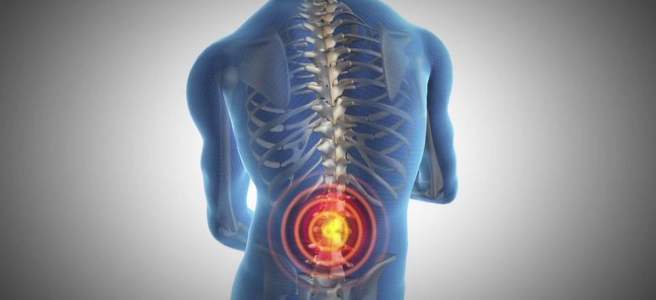
For patients with chronic low back pain (cLBP), treatment guidelines recommend a non-surgical approach as the FIRST-LINE treatment. Ideally, the goal would be to avoid an initial surgery unless it’s absolutely indicated. That means, unless there is loss of bowel or bladder control or retention (which represents a medical emergency) or if there is progressive neurological motor and sensory loss, one can safely avoid surgery and conservatively manage the condition.
Interestingly enough, a systematic review of the results from three randomized controlled studies carried out in Norway and the United Kingdom found the outcomes or results between the surgical fusion vs. non-surgical treatment of patients with cLBP showed NO DIFFERENCE at an 11-year follow-up!
Studies have shown chiropractic to be highly beneficial for acute and chronic low back pain cases.


In one study, researchers reviewed data on 72,326 cLBP patients in the Medicare system who received one of four possible treatment combinations between 2006 and 2012: 1) chiropractic only; 2) chiropractic followed by conventional medical care (CMC); 3) CMC followed by chiropractic; 4) CMC alone.
The research team found that chiropractic care alone (group 1) resulted in the lowest costs, and these patients had lower rates of back surgery and shorter episodes of care.
The group receiving CMC alone (group 4) had the highest costs, with the second and third groups being similar—both costing less and being more effective than CMC alone.
The conclusion of the study reads, “These findings support initial CMT [chiropractic manipulative therapy] use in the treatment of, and possibly broader chiropractic management of, older multiply-comorbid cLBP patients.”

Wellness/Prevention: Does Xylitol Prevent Tooth Decay?

Researchers have found that the available evidence on the effects of xylitol (a natural sugar substitute used in candy, gum, and toothpaste) is insufficient to prove it prevents tooth decay. The investigators found low-quality evidence that tooth decay was lower among children who used a fluoride toothpaste containing xylitol when compared with children who used a fluoride-only toothpaste. An analysis of the rest of the data covering other xylitol-containing products like xylitol syrup, lozenges, and tablets found little or no evidence the sugar substitute prevents tooth decay. The authors also highlighted the fact that several of the studies did not give sufficient information about xylitol’s side effects, such as bloating, diarrhea, and laxative effects. Cochrane Database Systematic Review, March 2015

Quote: “Trees that are slow to grow bear the best fruit.” ~ Molière

Chiropractic: Back Pain Increases Insomnia Risk!

Lack of quality sleep has previously been associated with a number of poor health outcomes including hypertension, type 2 diabetes, obesity, depression, heart attack, and stoke. After questioning 481 chronic low back pain patients, a team of South Korean researchers reports that 43% of the patients developed mild-to-severe insomnia after they developed back pain. They further note that back pain patients who also had musculoskeletal pain in at least one other body site were over eight times more likely to report sleeping difficulties. The Korean Journal of Pain, April 2015

Diet: Flavonoids Reduce Mortality Risk!

Flavonoids are compounds found in foods such as tea, chocolate, red wine, fruit, and vegetables that have been associated with a reduced risk of death from cancer and some cardiovascular-related diseases. A new study that followed 1,063 elderly women for five years found that those with the highest intake of flavonoids were over 30% less likely to die from any cause over the course of the study than the participants with the lowest flavonoid intake. American Journal of Clinical Nutrition, April 2015

Exercise: Improve Flexibility with Yoga!

Can yoga help seniors remain flexible as they age? To test this premise, 22 older adults practiced yoga and 20 elderly men and women practiced calisthenics for a year, while 24 seniors served as a control group. One year later, the researchers found the control group experienced a reduction in overall flexibility while the yoga and calisthenics groups scored higher on flexibility assessments compared to their scores from the start of the study. However, those in the yoga group scored four times higher on flexibility assessments than those in the calisthenics group suggesting that the slow and passive movements found in yoga are more helpful in improving flexibility than the fast and dynamic movements of a calisthenics routine. International Journal of Yoga Therapy, September 2014

Health Alert: Are Your Kitchen Towels Making You Sick?

A new study finds that cloth towels can easily become contaminated with the dangerous germs that can cause foodborne illness and may be the top contamination hazard in your kitchen. Previous studies have found that bacteria commonly found in raw meat and poultry can grow on cloth towels overnight, even if they are washed and rinsed in the sink. Food Protection Trends, March 2015

Mental Attitude: Can Boredom Be Good for You?

Mental Attitude: Can Boredom Be Good for You?

The conclusion of a new report suggests that boredom can actually lead to creativity. Researchers found that participants who completed a boring task were more creative afterwards than a control group that was assigned more interesting work. University of Central Lancashire psychologist Dr. Sandi Mann believes it is important for children to be bored. She adds, “Unlike so many parents today, I am quite happy when my kids whine that they are bored. Finding ways to amuse themselves is an important skill.” The Psychologist, March 2015

Chiropractic: Workplace Bullying Affects the Body Too!

Chiropractic: Workplace Bullying Affects the Body Too!

An analysis of twelve previously published studies regarding workplace bullying estimates that 11% of employees are subjected to abuse at some level. Along with the emotional problems that arise from such workplace conflict, the authors of the study note that victims are also at greater risk for musculoskeletal complaints, especially neck pain. Innovations in Clinic Neuroscience, February 2015

Wellness/Prevention: Keep Kidney Stones at Bay.

Wellness/Prevention: Keep Kidney Stones at Bay.

The American Academy of Family Physicians recommends the following to reduce kidney stone risk: drink two liters of water per day, limit sodium to no more than 1,500mg per day, and limit meat to two servings daily of no more of 6-8 ounces (~170-227g) each. American Academy of Family Physicians, April 2015

Quote: “Kindness is a language which the deaf can hear and the blind can see.” ~ Mark Twain