Elbow Sprain

Photo by Sergey Makashin on Pexels.com

An elbow sprain is a stretch, or a partial or complete tear of the ligaments connecting the bone in the arm, called the humerus, to those in the forearm, called the radius and ulna.

This type of sprain usually occurs from a direct elbow strike, during a tackle while playing a contact sport. A sprain can also occur from a fall on an outstretched arm.

Treatment of elbow sprains consists of Class IV Laser Therapy, management of any biomechanics stresses in the area and exercise rehabilitation to address any weaknesses that can be putting undue stress on the arm. 

#LaserTherapy
#ArmInjuries
#Winnipeg
#Chiropractic

Contact Us

Instagram

Chiropractic and Headaches

Yet another study has found that chiropractic care helps headache sufferers: Spinal manipulation seems to have a significant positive effect in reducing hours with headache and intensity of headache and analgesic consumption in cases of cervicogenic headache.

Migrane

Nilsson N, Christensen HW, Hartvigsen J. “The Effect of Spinal Manipulation in the Treatment of Cervicogenic Headache.” Journal of Manipulative and Physiological Therapeautics, Volume 20, Number 5, June 1998, Pages 326-330.

Contact us for treatment in Winnipeg

Find and Follow us on Twitter and Instagram!

Snapping Hip

snaphip-LAY

Snapping Hip

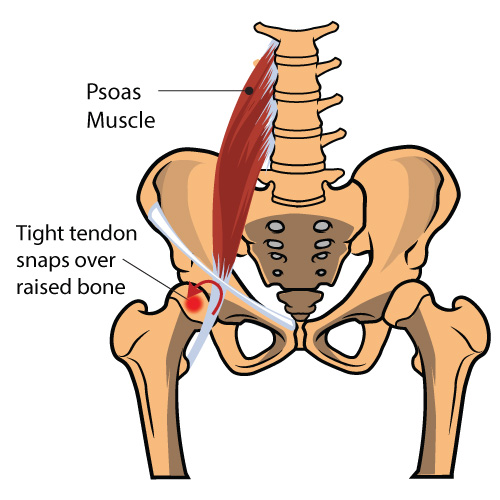
The muscle responsible for flexing your hip toward your trunk, is called the Psoas. This muscle begins on your lower spine and passes through your pelvis to attach onto the top of your femur (thigh bone). Along this course, the muscle travels across the front of your hip socket and over several bony prominences. If the muscle is too tight, its tendon may rub over these “bumps”. This occasionally produces an audible snapping sound, hence the moniker, “snapping hip”, aka “psoas tendinopathy”. The tendon can be irritated by an acute injury, but more commonly from overuse- particularly repeatedly flexing your hip toward your trunk. The condition is also known as “dancer’s hip” or “jumper’s hip”, as movements associated with these activities are known culprits. Likewise, the condition is frequently seen in athletes who participate in rowing, track and field, hurdling, running (especially uphill), soccer, and gymnastics. Your symptoms may include a “snapping” sound or sensation when you flex and extend your hip- although many cases are silent. Repeated rubbing causes inflammation and subsequent deep groin pain that can radiate to the front of your hip or thigh. Long-standing problems can trigger weakness or even limping. The diagnosis of snapping hip is frequently overlooked. In fact, some studies show that identification is often delayed more than two years, while other potential causes are pursued. Fortunately, your problem has been recognized, and our office has several treatments to help you recover. Psoas problems often start when one group of muscles is too tight, while another is too loose. Your home exercises will help to correct this problem. Depending upon the severity of your condition, you may need to avoid certain activities for a while. You should especially avoid repetitive hip flexion. Prolonged seated positions can encourage shortening of your hip flexors so be sure to take frequent breaks. Patients with fallen arches may benefit from arch supports Treatment of snapping hip consists of Class IV Laser Therapy, muscle release techniques, management of any biomechanical stresses in the area and exercise rehabilitation to address any weaknesses that can be putting undue stress on the area. #LaserTherapy #HipInjuries #Winnipeg #Chiropractic #LegInjury #HipPain If you or someone you know suffers from this condition, call our office today. Our doctors are experts at relieving many types of pain including hip injuries. Contact us for treatment in Winnipeg Find and Follow us on Twitter and Instagram!

Facet Syndrome

Photo by Kindel Media on Pexels.com

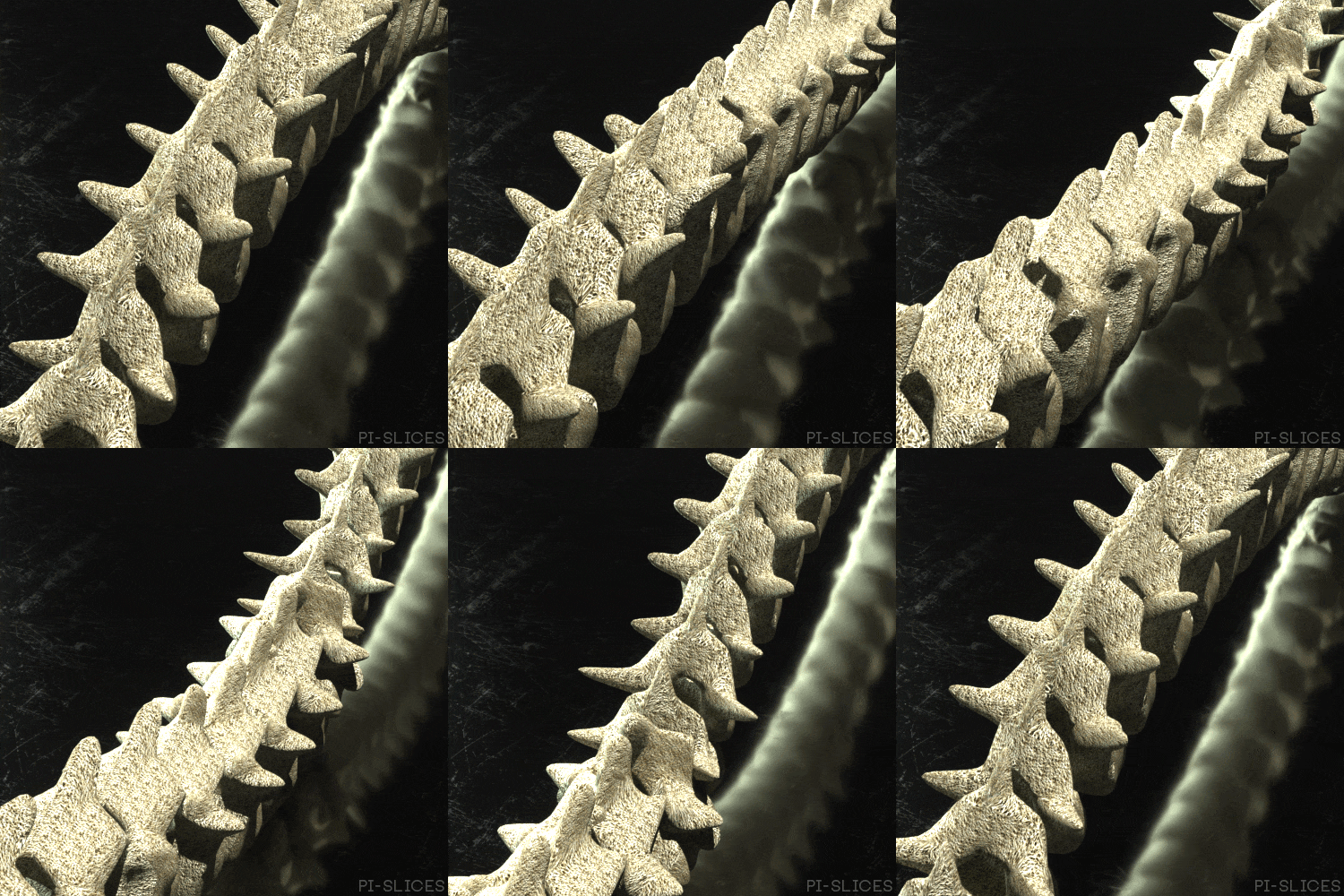
Facet syndrome is caused by an irritation of the articular facets at the level of the spine. This progressive condition is often associated with a sensation of pain and generally affects the quantity and quality of movement possible.

The spine is made up of several vertebrae, intervertebral discs, ligaments, nerves and many muscles. The facet joints are small joints, covered with cartilage, that connect the vertebrae together.

Facet syndrome most often affects the lumbar or cervical region and usually happens as a result of structural changes that occur in the spine with age. Facet syndrome can be caused by inflammatory conditions, such as arthritis, or following a spinal trauma, such as a car accident or a fall.

Treatment of Facet Syndrome consists of Class IV Laser Therapy, management of any biomechanics stresses in the area and exercise rehabilitation to address any weaknesses that can be putting undue stress on the area. 

#LaserTherapy
#BackInjuries
#Winnipeg
#Chiropractic
#DiscInjury
#Arthritis

Contact Us

Instagram

Scoliosis

Scoliosis is a deformation of the spine, that is, a deviation of it, which can vary from mild (10-25 degrees) to severe (> 40 degrees). Scoliosis affects the joints, muscles and surrounding organs such as the shoulders, ribs, hips and lungs. Over time, the rib cage becomes less mobile and makes breathing more difficult.

In most cases, scoliosis is idiopathic, that is, the reason for its occurrence remains unknown. Scoliosis usually progresses over time and often leads to increased curvature and twisting of the spine.

Scoliosis is more common in women than in men and most often presents in young adolescents during growth.

In some cases, scoliosis is hereditary and forms during the development of the fetus. It is also present in neuromuscular conditions such as spina bifida or cerebral palsy. Progressive degeneration of the spine, such as arthritis, can lead to scoliosis in older people.

Can you flip the switch?

“I’m not a practice player” doesn’t last long past 12 years old; get your mind, body and skills right during practice so they’re trained and ready when you need them most.

Words Of Wisdom

@coachjonbeck just smashing us in the face with truth today. I love it.

Meniscal Tear

Photo by Kindel Media on Pexels.com

A meniscal tear is a very common injury among athletes and physical activity enthusiasts.

The menisci are located between the femur and tibia bones. There are two of them, the medial meniscus and the lateral meniscus. They provide shock absorption and additional stability to the knee joint during impact.

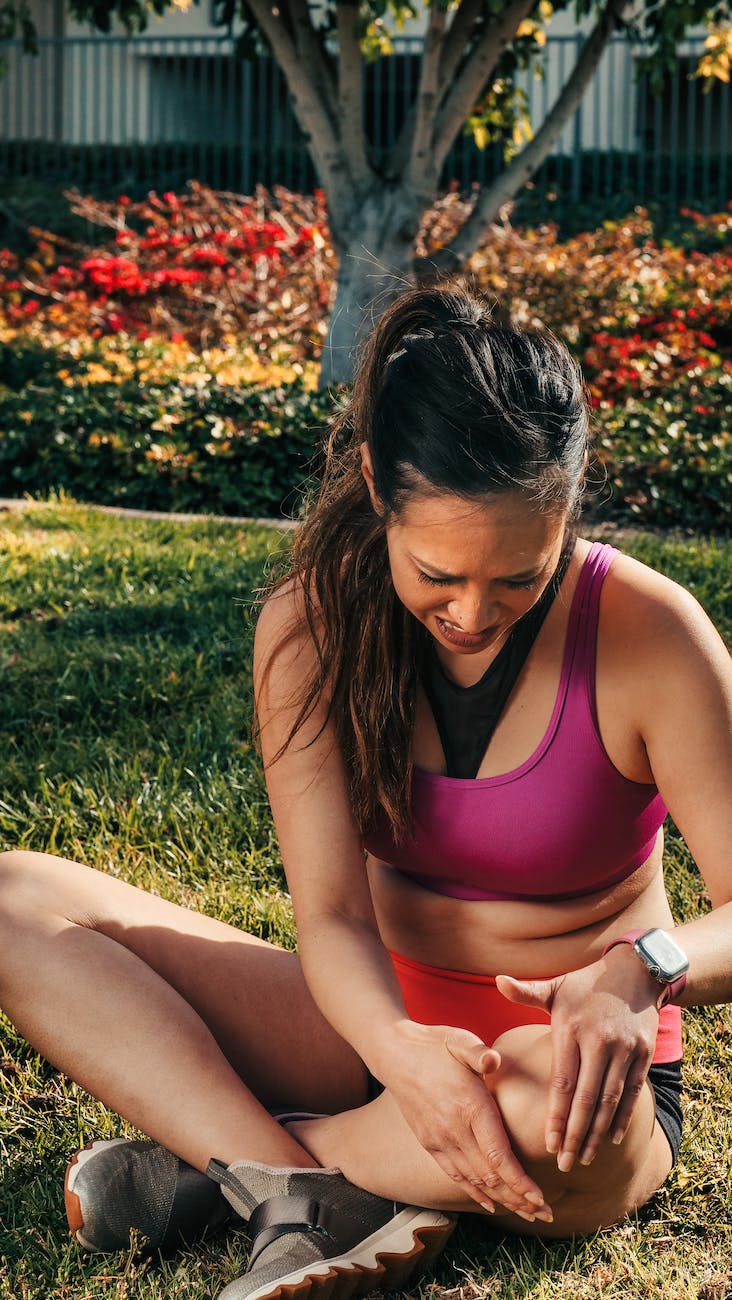
A meniscal tear mainly occurs during a sudden pivot with the foot anchored to the ground. In a severe sprain, the meniscal tear is often associated with damage to a cruciate ligament and a collateral ligament. This condition is called the knee triad.

Following a meniscus tear, the prognosis is rather favorable. Rehabilitation for a few months generally makes it possible to regain the physical abilities present before the injury.

Photo by Towfiqu barbhuiya on Pexels.com