

A few quick tips to avoid common back pains from raking up all the “beautiful” (until it hits the ground…..) fall foliage.
https://www.newswise.com/articles/leaf-raking-avoid-pain-and-injury-this-fall-with-these-tips
A few quick tips to avoid common back pains from raking up all the “beautiful” (until it hits the ground…..) fall foliage.
https://www.newswise.com/articles/leaf-raking-avoid-pain-and-injury-this-fall-with-these-tips

Letting kids help in the garden may promote lifelong healthy eating habits. Researchers surveyed over 1,300 college students and found that students who gardened as a child and continue to do so ate 2.9 cups of fruits and vegetables daily—about a half a cup more than their peers who never gardened.
Lead author Dr. Anne Mathews adds, “We found that if your parents gardened but you did not, just watching them did not make a difference in how much fruits and vegetables you eat in college. Hands-on experience seems to matter.” The authors suggest that schools offer gardening lessons to expose young children to the activity, which may encourage students to maintain healthy eating habits later in life.
Journal of the Academy of Nutrition and Dietetics, September 2016
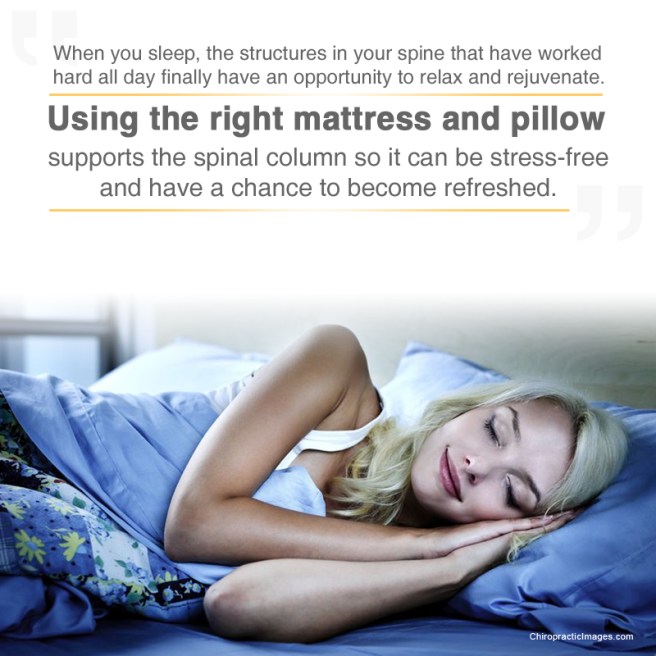
Your habits just before going to bed could be sabotaging your sleep.
The National Sleep Foundation recommends avoiding the following: over-the-counter medications that contain pseudoephedrine, which can be found in common cold medicines; texting, watching TV, or spending time on the computer shortly before bed; indulging in a greasy, fattening, salty bedtime snack, which can be stimulating and trigger nightmares; and drinking caffeine beyond the morning, as it can stay in your system for as long as twelve hours.
National Sleep Foundation, October 2016
Meet the Hip Cycle. A great way to activate those pesky hip stabilizers and get your lower limb ready for squatting, running, sports or even just walking.
You can thank me later.
1. Side lying with back and shoulders against a wall so you can’t roll back.
2. Bend your bottom leg and put the sole of your foot against the wall to be more stable.
3. Start position is with your foot directly in line with your hip. Do not let it get any lower than that. The highest point of your foot needs to be the bump on the outside of your ankle.
Do 5-10 reps of each of the following without rest between exercises twice a day. The goal is 20 reps each.
a. 6″ leg raises in abduction
b. Knee up to chest (90* knee and hip)
c. 12″ leg raises into abduction
d. Bicycling (knee up to chest, extend knee and sweep back to start with leg straight)
e. Clockwise circles
f. Counterclockwise circles
Good luck.

Headaches can arise from many different causes. A partial list includes stress, lack of sleep, allergies, neck trauma (particularly sports injuries and car accidents), and more. In some cases, the cause may be unknown.
A unique common denominator of headaches has to do with cervical spine anatomy, in particular the upper part of the neck. There are seven cervical vertebrae, and the top three (C1-3) give rise to three nerves that travel into the head. These nerves also share a pain nucleus with the trigeminal nerve (cranial nerve V), which can route pain signals to the brain.
Depending on which nerve is most irritated, the location of the headache can vary. For example, C2—the greater occipital nerve—travels up the back of the head to the top. From there, it can communicate with another nerve (cranial nerve V or the trigeminal nerve), which can refer pain to the forehead and/or behind the eye.
When C1—the lesser occipital nerve—is irritated, pain travels to the back of the head, while irritation to C3—the greater auricular nerve—results in pain to an area just above the ear. When a nerve is pinched, the altered sensation can include pain, numbness, tingling, burning, itching, aching, or a combination of these sensations.
These are classified as cervicogenic headaches (CGH), and as the name implies, the origin of pain/altered sensation arises from the neck.
A 2013 study reviewing the literature on CGH found that manipulation and mobilization improved pain, disability, and function. The most effective approach included manipulation combined with neck-upper back strengthening exercises.
But what about migraine headaches? Migraines are vascular headaches, and some (but not all) are preceded by an aura or a pre-headache warning that may include blurry vision, tingling, strange olfactory sensations, etc. One study of 127 migraine sufferers reported fewer attacks and less medication required by those who received chiropractic care.
The good news is that spinal manipulation is very safe, and a trial is often very rewarding for many types of headaches.
World Spine Day!
The inter-vertebral disc (seen here in green) is a common cause of low back pain. It can range from minor annoyance to debilitating and is commonly recurrent if not properly cared for. Have you been diagnosed with discogenic pain? Do you have chronic recurrent low back pain that you haven’t had diagnosed? Contact us today for more information 204-586-8424 or info@aberdeenchiropractic.com http://ow.ly/i/ztwRH

 Aberdeen Chiropractic