Diet and Exercise Tip of the Month (Eat A Protein-Rich Breakfast)

Exercise Tip

“Want to stay full longer throughout the morning? Try eating a protein-rich breakfast.

page1image2239457312

Fast-digesting carbs like those found in sugar-laden cereals will leave you feeling

page1image2239503456

sluggish and hungry quicker than a meal consisting of eggs or lean proteins.”


how-much-cholesterol-in-eggs

page1image2239440624


Chiropractic for Acute Low Back Pain

316046269_1280x720

According to the European Spine Journal, Chiropractic care was proven to be an effective treatment for acute back pain (pain that occurs suddenly and is often more sharp and severe).

“The European Spine Journal published guidelines for treating acute LBP and Radiculopathy:

o Employ: Manual therapy, exercise, and patient education about prognosis, warning signs, and advice to remain active.

o Avoid: routine use of imaging, extra-foraminal steroid injections, acetaminophen, NSAIDs, and opioids.

If you or someone you know suffers from back pain, follow the proven advice and call our office today.”

Source: Stochkendahl, M.J., Kjaer, P., Hartvigsen, J. et al. National Clinical Guidelines for non-surgical treatment of patients with recent onset low back pain or lumbar radiculopathy. Eur Spine J (2018) 27: 60.

Chiropractic care is shown to be safe, effective for back pain.

ca7d54809225587bf2cc5d89e2eb01f4

Chiropractic Care is a Safe and Effective Option

SATURDAY, May 19, 2018 — Chiropractic care can help ease low back pain when added to a comprehensive treatment plan, a new clinical trial has found.

Active-duty military personnel reported having fewer back problems when they visited a chiropractor along with receiving usual medical care, the researchers said.

“This study provides the strongest evidence to date that chiropractic is safe, that it’s effective and that it can be integrated into a multidisciplinary health care setting,” said lead researcher Christine Goertz. She is CEO of the nonprofit Spine Institute for Quality in Davenport, Iowa.

Still, at least one pain specialist said more research may be needed to confirm chiropractic’s value for lower back pain.

The study comes in the context of the ongoing U.S. opioid crisis. This epidemic of addiction has created an urgent need for research into pain management that doesn’t involve medications, such as chiropractic care, Goertz said.

Chiropractic care focuses on the musculoskeletal system and the nervous system, mainly as they relate to the spine, according to the American Chiropractic Association.

Chiropractors aim to reduce low back pain by restoring joint mobility and proper alignment in the spine, through a process called spinal manipulation. Controlled force is applied hands-on to individual joints of the spine, to loosen them up and to stretch or break tight muscle tissue surrounding them.

Between 8 percent and 14 percent of U.S. adults seek chiropractic care, but there has been little research into its safety and effectiveness, Goertz said.

“Chiropractic has been controversial in the past, partially because chiropractic grew up outside the conventional medical care system,” she said. “For a long time, we really didn’t have a lot of evidence supporting the outcomes that both patients and doctors of chiropractic were reporting.”

To conduct a real-world test of chiropractic’s usefulness, Goertz and her colleagues enrolled 750 back pain patients at three military hospitals across the nation.

Low back pain is one of the most common reasons military personnel seek medical care, and a condition most likely to interrupt combat duty, according to the researchers.

Study participants were randomly assigned to receive either usual medical care, or that same care along with chiropractic.

Usual medical care involved seeing a doctor, taking pain medications, undergoing physical therapy and performing exercises, the study authors noted. Patients were treated for six weeks, then tracked for another six weeks.

“We found that at every time point, those patients that received chiropractic care had better outcomes in terms of their level of pain intensity and pain-related disability,” Goertz said.

“In addition, we also found that patients who saw the chiropractor tended to be much more satisfied with the care they received, and more likely to have perceived benefit from the care they received,” she added.

However, more adverse events were associated with chiropractic care.

The group receiving usual medical care reported 19 adverse effects, mostly muscle or joint stiffness attributed to physical therapy or exercise.

But 43 adverse events were reported by those also receiving chiropractic care, with 38 of them described as muscle or joint stiffness related to chiropractic procedures.

Dr. Karan Johar, medical director of NYC Pain Specialists and an attending physician at Lenox Hill Hospital in New York City, downplayed the study.

Johar noted that the investigators did not make sure each patient received the exact same type of chiropractic or traditional medical care, making it tough to pinpoint what worked for each patient.

The diagnosis of low back pain also is very broad, adding to the lack of clarity regarding how much chiropractic care contributed to patients’ well-being, he said.

“It’s very hard to assess if that study proves that chiropractic care helps,” Johar explained.

Insurance coverage for chiropractic care varies widely, Goertz noted. For example, Medicare covers chiropractic for spinal manipulation only, and will not reimburse chiropractors for examining patients.

“The majority of payers cover chiropractic in some way or another,” she said, “but the copay can be larger than the amount of the office visit.”

Goertz hopes more studies will find medical benefit in chiropractic care and that insurance companies will “follow the evidence” and improve coverage of these services.

The trial results were published online Friday in JAMA Network Open.

More information The U.S. National Institutes of Health has more about spinal manipulation for low back pain.

Copyright © 2018 HealthDay. All rights reserved.


Condition Of The Month: TOS!

TOS.jpg

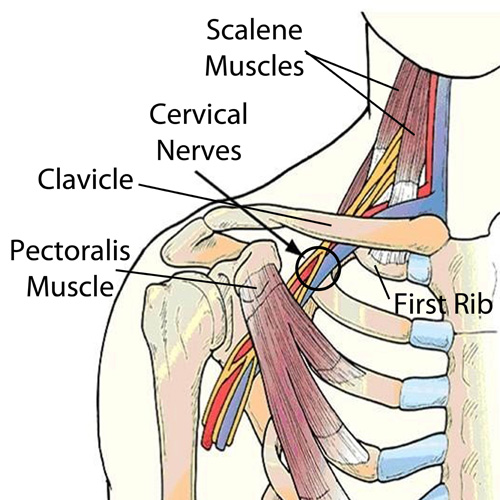
Thoracic Outlet Syndrome (TOS)

The term “thoracic outlet” describes an area at the base of your neck, just above your collarbone. Some important nerves and vessels pass through this outlet on their way into your arm. Compression of these tissues causes a condition called “thoracic outlet syndrome” which results in pain, numbness or tingling in your arm.

Several different factors can cause Thoracic Outlet Syndrome, commonly referred to as TOS. Sometimes TOS is caused from tightness in the muscles of your neck and chest, other times the space between your first rib and collarbone is too small. People who have an extra rib (cervical rib) and people who have recently suffered a neck injury may have a greater chance of having this problem.

The condition is aggravated by poor posture and by occupations that promote “slouching,” i.e., computer users, assembly line workers, supermarket checkers and students. Swimmers, volleyball players, tennis players, baseball pitchers and occupations requiring prolonged overhead activity. i.e., electricians and painters are also prime candidates for TOS.

Symptoms of TOS include arm pain, numbness, tingling and possible weakness. Neck, arm and hand pain may begin slowly and are often aggravated by elevation of the arms or excessive head movement. Loss of grip strength is possible.

Conservative treatment, like the kind we provide, has been shown to be effective at treating TOS. Through our careful exam we have identified your specific sites of compression and will use some of the following treatment to help:

You should avoid carrying heavy loads, especially on your shoulder i.e., carpet rolls. Briefcases, laptop cases or heavy shoulder bags should be lightened. Bra straps may need additional padding or consideration of replacement with a sports bra.

If you or someone you know suffers from any of these symptoms, call our office today. Our team has knowledge and tools to help you feel better quickly!

Chiropractic and Low Back Pain

A new review of more than 50 prior research studies concluded: “manipulation and mobilization are likely to reduce pain and improve function for patients with chronic low back pain. The researchers also found that “(Chiropractic) manipulation appears to produce a larger effect than (physical therapy) mobilization.”

Click here to learn more about how chiropractic manipulation can help alleviate back pain.


Source: https://www.thespinejournalonline.com/article/S1529-9430(18)30016- 0/fulltext

Spine Journal endorses manipulation over physical therapy for LBP

236

A January 2018 systematic review of 51 studies examined the efficacy, effectiveness, and safety of various mobilization and manipulation therapies for the treatment of chronic low back pain. The authors concluded: 

“There is moderate-quality evidence that manipulation and mobilization are likely to reduce pain and improve function for patients with chronic low back pain; manipulation appears to produce a larger effect than mobilization. Both therapies appear safe.” (1)

The study also measured manipulation against other widely prescribed options: 

Subgroup analyses showed that manipulation significantly reduced pain and disability, compared with other active comparators including exercise and physical therapy.” 

This analysis reinforces the recent LBP clinical practice guideline from the American College of Physicians recommending that physicians prescribe non-pharmacologic treatment including spinal manipulation, heat, massage, and acupuncture. (2)

As evidence-based providers, we continually assimilate new research with clinical experience. We should also recognize that our clinical experiences are sometimes clouded by habitually seeing the other profession’s failures since successfully managed patients don’t often seek supplementary consult. Evidence-based practice requires that we allow consensus evidence to guide our management decisions without anecdotal bias. 


References

1. Coulter ID. et al. Manipulation and mobilization for treating chronic low back pain: a systematic review and meta-analysis. 2018 Jan 31. pii: S1529-9430(18)30016-0.  Spine Journal. doi: 10.1016/j.spinee.2018.01.013. [Epub ahead of print]

2. Qaseem A, Wilt TJ, McLean RM, Forciea MA, for the Clinical Guidelines Committee of the American College of Physicians. Noninvasive Treatments for Acute, Subacute, and Chronic Low Back Pain: A Clinical Practice Guideline From the American College of Physicians. Ann Intern Med. [Epub ahead of print 14 February 2017] 

New Whiplash Research

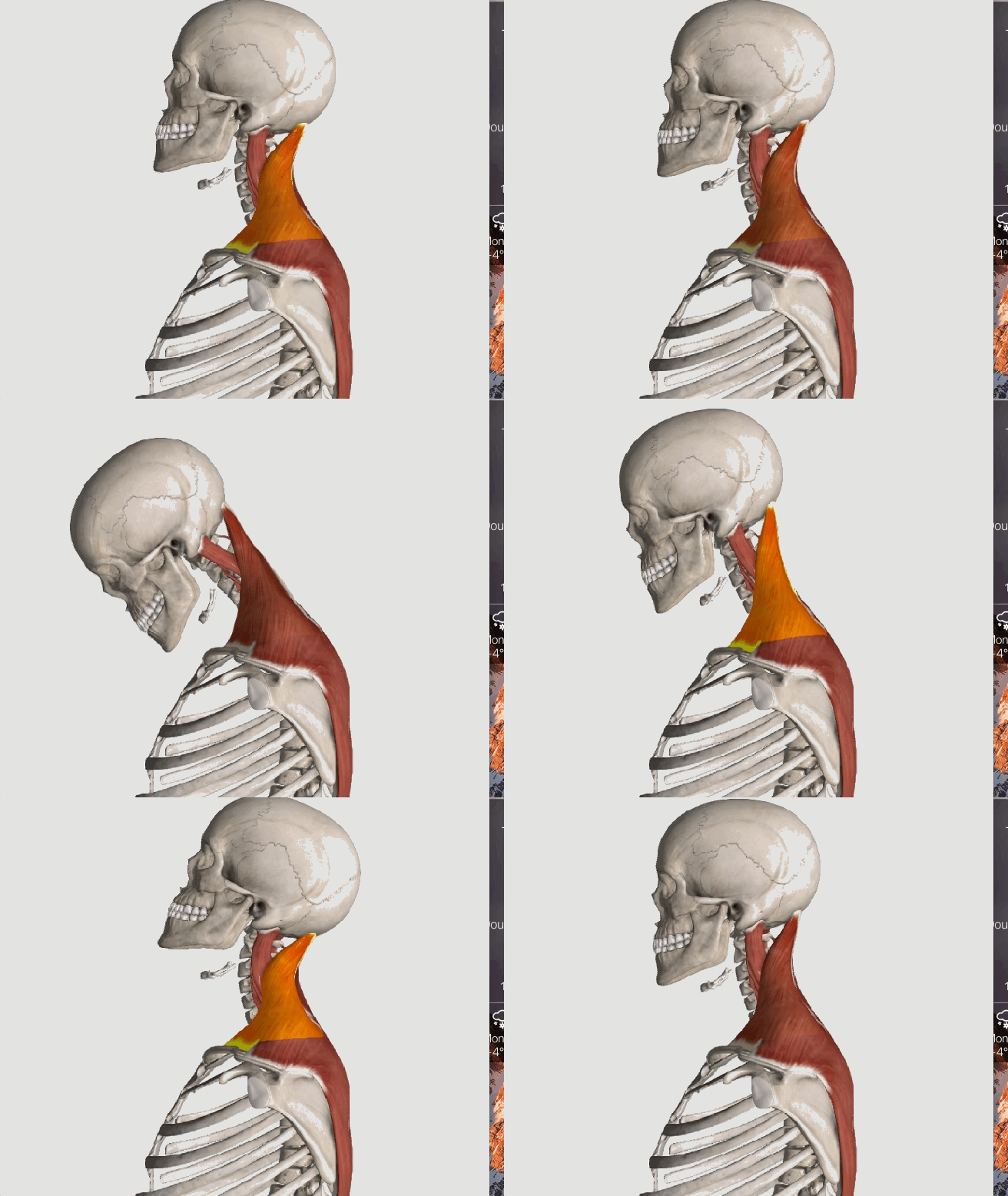
Up Trap Ext

New Whiplash Research 

Motor vehicle crashes cause 50 million injuries worldwide and nearly four million emergency department consultations annually in the US. (1,2) I thought you might be interested in reviewing three new studies concerning the most common non-hospitalized injury resulting from a motor vehicle crash – whiplash associated disorder (WAD). 

1. The first study concluded approximately 50% of individuals with WAD experience on-going pain and disability. (3) This finding concurs with existing research that found only around 50% of those with WAD will fully recover, with 30% remaining moderately to severely disabled; creating significant personal, economic, and social distress. (4)

2. Elsewhere, researchers discovered “Motor impairment was observed (to) a higher degree in patients with chronic WAD. These impairments were linked to self-reported disability and were in most cases associated with pain, fear-avoidance, and symptoms of central sensitization.” (5)

3. The final study found that following a whiplash injury, healthy muscle is replaced by fat: “Development of muscle fat infiltration in the neck muscles is associated with poor functional recovery following whiplash injury. Statistically significant differences in regional fatty infiltration were particularly notable between the severe WAD group and healthy controls.” (6)

Our providers stay abreast of the latest research to help your injured clients recover quickly and to provide you with evidence-based, credible documentation and testimony for challenging cases. We are honored to care for your injuries and will work hard to maintain your trust as an informed and capable partner.


References
1. Niska R, Bhuiya F, Xu J. National Hospital Ambulatory Medical Care Survey: 2007 emergency department summary. Natl Health Stat Report. 2010;26:1–31. 
2. Tanskanen A, et al.  Impact of multiple traumatic experiences on the persistence of depressive symptoms – a population-based study. Nord J Psychiat. 2004;58(6):459–64.
3. Ritchie C, Ehrlich C, Sterling M. Living with ongoing whiplash associated disorders: a qualitative study of individual perceptions and experiences. BMC Musculoskeletal Disorders. 2017;
4. Carroll LJ, et al.  Course and prognostic factors for neck pain in whiplash-associated disorders (WAD): results of the bone and joint decade 2000–2010 task force on neck pain and its associated disorders. Spine (Phila Pa 1976). 2008;33(4 Suppl):S83–92.
5. De Pauw, R. et al. Motor impairment in patients with chronic neck pain: does the traumatic event play a significant role? – a case control study. 2018 Jan 19. pii: S1529-9430(18)30011-1. doi: 10.1016/j.spinee.2018.01.009. [Epub ahead of print]
6. Abbott, Rebecca et al.. The Qualitative Grading of Muscle Fat Infiltration in Whiplash Using Fat/Water Magnetic Resonance Imaging. Spine J 2017 Sep 5. pii: S1529-9430(17)30907-5. doi: 10.1016/j.spinee.2017.08.233. [Epub ahead of print]