Chiropractic and Low Back Pain

A new review of more than 50 prior research studies concluded: “manipulation and mobilization are likely to reduce pain and improve function for patients with chronic low back pain. The researchers also found that “(Chiropractic) manipulation appears to produce a larger effect than (physical therapy) mobilization.”

Click here to learn more about how chiropractic manipulation can help alleviate back pain.


Source: https://www.thespinejournalonline.com/article/S1529-9430(18)30016- 0/fulltext

Spine Journal endorses manipulation over physical therapy for LBP

236

A January 2018 systematic review of 51 studies examined the efficacy, effectiveness, and safety of various mobilization and manipulation therapies for the treatment of chronic low back pain. The authors concluded: 

“There is moderate-quality evidence that manipulation and mobilization are likely to reduce pain and improve function for patients with chronic low back pain; manipulation appears to produce a larger effect than mobilization. Both therapies appear safe.” (1)

The study also measured manipulation against other widely prescribed options: 

“Subgroup analyses showed that manipulation significantly reduced pain and disability, compared with other active comparators including exercise and physical therapy.” 

This analysis reinforces the recent LBP clinical practice guideline from the American College of Physicians recommending that physicians prescribe non-pharmacologic treatment including spinal manipulation, heat, massage, and acupuncture. (2)

As evidence-based providers, we continually assimilate new research with clinical experience. We should also recognize that our clinical experiences are sometimes clouded by habitually seeing the other profession’s failures since successfully managed patients don’t often seek supplementary consult. Evidence-based practice requires that we allow consensus evidence to guide our management decisions without anecdotal bias. 


References

1. Coulter ID. et al. Manipulation and mobilization for treating chronic low back pain: a systematic review and meta-analysis. 2018 Jan 31. pii: S1529-9430(18)30016-0.  Spine Journal. doi: 10.1016/j.spinee.2018.01.013. [Epub ahead of print]

2. Qaseem A, Wilt TJ, McLean RM, Forciea MA, for the Clinical Guidelines Committee of the American College of Physicians. Noninvasive Treatments for Acute, Subacute, and Chronic Low Back Pain: A Clinical Practice Guideline From the American College of Physicians. Ann Intern Med. [Epub ahead of print 14 February 2017] 

New Whiplash Research

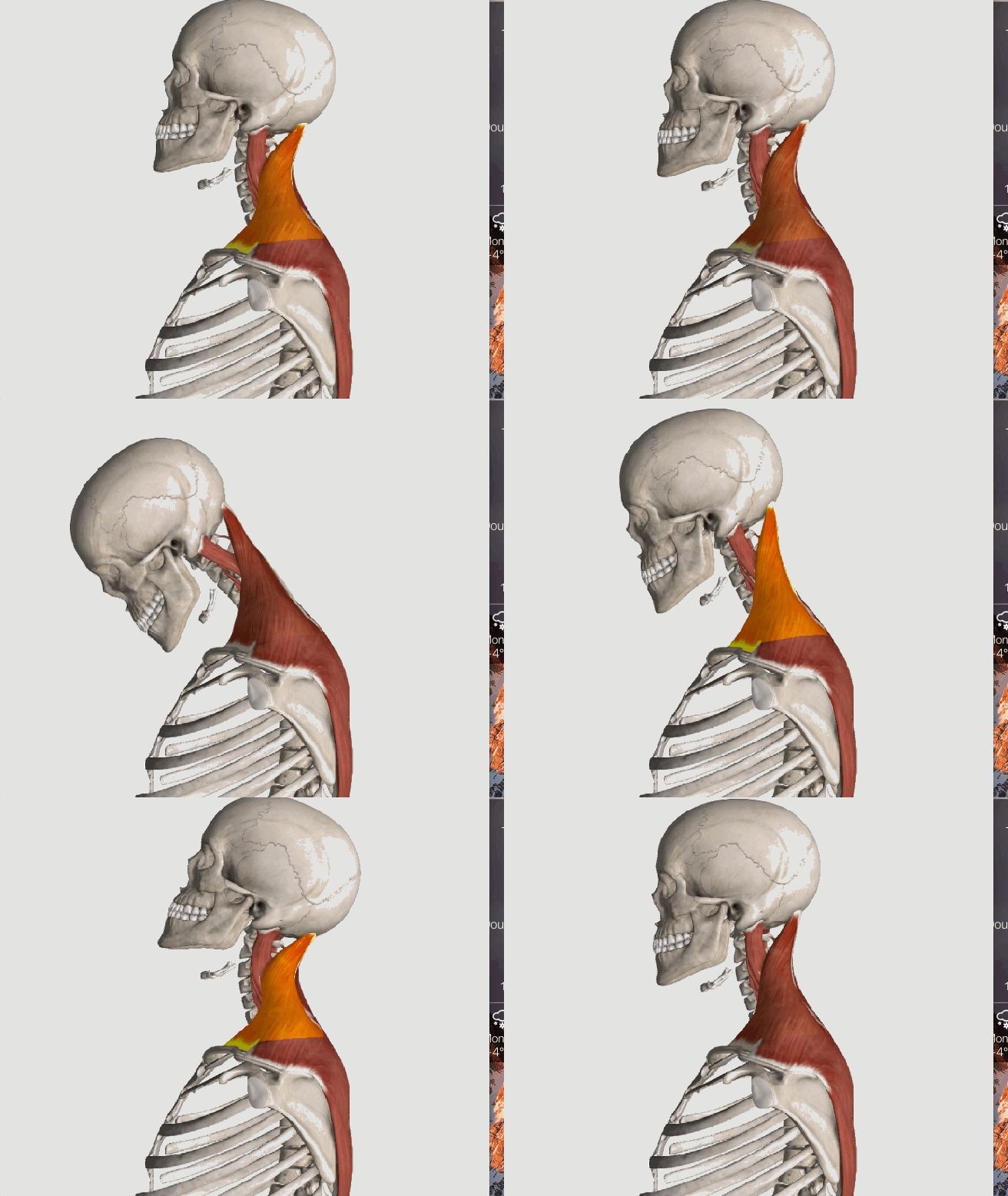
Up Trap Ext

New Whiplash Research 

Motor vehicle crashes cause 50 million injuries worldwide and nearly four million emergency department consultations annually in the US. (1,2) I thought you might be interested in reviewing three new studies concerning the most common non-hospitalized injury resulting from a motor vehicle crash – whiplash associated disorder (WAD). 

1. The first study concluded approximately 50% of individuals with WAD experience on-going pain and disability. (3) This finding concurs with existing research that found only around 50% of those with WAD will fully recover, with 30% remaining moderately to severely disabled; creating significant personal, economic, and social distress. (4)

2. Elsewhere, researchers discovered “Motor impairment was observed (to) a higher degree in patients with chronic WAD. These impairments were linked to self-reported disability and were in most cases associated with pain, fear-avoidance, and symptoms of central sensitization.” (5)

3. The final study found that following a whiplash injury, healthy muscle is replaced by fat: “Development of muscle fat infiltration in the neck muscles is associated with poor functional recovery following whiplash injury. Statistically significant differences in regional fatty infiltration were particularly notable between the severe WAD group and healthy controls.” (6)

Our providers stay abreast of the latest research to help your injured clients recover quickly and to provide you with evidence-based, credible documentation and testimony for challenging cases. We are honored to care for your injuries and will work hard to maintain your trust as an informed and capable partner.


References
1. Niska R, Bhuiya F, Xu J. National Hospital Ambulatory Medical Care Survey: 2007 emergency department summary. Natl Health Stat Report. 2010;26:1–31. 
2. Tanskanen A, et al.  Impact of multiple traumatic experiences on the persistence of depressive symptoms – a population-based study. Nord J Psychiat. 2004;58(6):459–64.
3. Ritchie C, Ehrlich C, Sterling M. Living with ongoing whiplash associated disorders: a qualitative study of individual perceptions and experiences. BMC Musculoskeletal Disorders. 2017;
4. Carroll LJ, et al.  Course and prognostic factors for neck pain in whiplash-associated disorders (WAD): results of the bone and joint decade 2000–2010 task force on neck pain and its associated disorders. Spine (Phila Pa 1976). 2008;33(4 Suppl):S83–92.
5. De Pauw, R. et al. Motor impairment in patients with chronic neck pain: does the traumatic event play a significant role? – a case control study. 2018 Jan 19. pii: S1529-9430(18)30011-1. doi: 10.1016/j.spinee.2018.01.009. [Epub ahead of print]
6. Abbott, Rebecca et al.. The Qualitative Grading of Muscle Fat Infiltration in Whiplash Using Fat/Water Magnetic Resonance Imaging. Spine J 2017 Sep 5. pii: S1529-9430(17)30907-5. doi: 10.1016/j.spinee.2017.08.233. [Epub ahead of print]

Being Part Of The Solution To The Opioid Crisis.

487

You are most likely aware of the JAMA study examining the effect of opioids for patients with chronic hip, knee, or low back pain, wherein the authors concluded: “treatment with opioids is not superior to treatment with nonopioid medications for improving pain-related function. Results do not support initiation of opioid therapy.”

Most physicians are hesitant to initiate opioid therapy, but options for those patients already using opioids are limited. I thought that you might be interested in new research that provides hope. An extensive study (comprised of all New Hampshire adults with at least two clinical office visits within 90 days for a primary diagnosis of low-back pain) concluded that pain relief resulting from chiropractic treatment might allow patients to use lower or less frequent doses of opioids: 

 “The likelihood of filling a prescription for an opioid analgesic was significantly lower for recipients of services delivered by doctors of chiropractic compared with nonrecipients. Average charges per person for opioid prescriptions were also significantly lower among recipients.” 

Chiropractic is certainly not the magic solution for the opioid crisis. However, this research illustrates how patients benefit when medical physicians and chiropractors work toward an integrated model. We are proud to be your partner in co-managing these challenging cases.


References
1. Krebs EE, Gravely A, Nugent S, et al. Effect of Opioid vs Nonopioid Medications on Pain-Related Function in Patients With Chronic Back Pain or Hip or Knee Osteoarthritis Pain. The SPACE Randomized Clinical Trial. JAMA. 2018;319(9):872–882.
2. Whedon JM, Toler AWJ, Goehl JM, Kazal LA. Association Between Utilization of Chiropractic Services for Treatment of Low-Back Pain and Use of Prescription Opioids. Altern Complement Med. 2018 Feb 22.

6 Things You Should NOT Do If You Want to Avoid Low Back Pain

316046269_1280x720

Did you know that 80% of adults experience low back pain at some point in their lifetimes? It’s the leading cause of missed workdays and job-related disability. Although it’s incredibly common and potentially debilitating, the good news is that most cases of low back pain originate from mechanical causes, which means they aren’t caused by a disease and can be prevented with healthy habits. If you want to keep your back healthy, take these six tips into consideration.

1. Don’t Slouch.

Poor posture puts a great deal of strain on your back. Be mindful of your posture whether you’re sitting in an office chair at work, driving, or texting on your cell phone. If you’re unsure of what proper posture looks like, watch this video that covers proper sitting posture.

2. Don’t Be A Couch Potato.

People with sedentary lifestyles tend to have more occurrences of back pain. Sitting for prolonged periods of time contributes to many different ailments, including low back pain; so challenge yourself to move your body more often throughout the day. 

3. Don’t Smoke.

Studies show that smoking increases your chance of having low back pain. If you want to quit, SmokeFree.gov can help.

4. Don’t Sleep On Your Stomach.

This position places excessive stress on your spinal joints and muscles. A better option is to sleep on your back with a pillow under your knees or on your side with a pillow between your knees. This keeps the spine elongated and neutral. View our sleep posture tutorial video here.

5. Don’t Ignore Your Core.

Weak abdominal muscles can contribute to low back pain. If your core is weak, then your back muscles have to work harder to support your movements. This extra work often contributes to strain and injury. We commonly prescribe the Dead Bug, Bird Dog, and Side Bridge exercises to help build core strength. If you have back pain, be sure to check with us before starting.

6.  Don’t Avoid Going To The Doctor.

Treating your back pain symptoms with ice and/or heat is a good self-care option for the short-term, but any back pain that persists longer than two weeks should be examined by a professional. A visit with your chiropractor can help determine the underlying cause and develop the most effective treatment plan to get you back to feeling yourself again.  

Don’t Get Thirsty!

Thirsty

The majority of Americans are dehydrated on a daily basis. It’s recommended we get 8 glasses of water a day, which proves to be a challenge for those who regularly consume other drinks, such as coffee, juice, and alcoholic beverages. Not only do these other drinks fill you up and make it harder for you to ingest a healthier beverage (such as water), it’s also counterproductive, as it dehydrates you. If you need help consuming more water throughout the day, consider these tips:


  • Carry a reusable water bottle with you at all time.
  • Always drink before, during, and after a workout.
  • Add flavor to your water with lemons, limes, or cucumbers.
  • Create a schedule for you to remember to drink water, such as drinking a glass at the top of every hour.

Studies show the obesity epidemic can pa

Studies show the obesity epidemic can partially be blamed on the abundance of processed foods readily available. These foods contain high amounts of added sugar and refined grains; both of which are detrimental to our health and can be quite addicting in some people. Avoid processed junk food by filling your cart with wholesome, real food instead. Food that has a shelf life, is grown from the ground, or has a mother is often the criteria for “real” food. http://ow.ly/i/GlGun

Your Body On Fast Food By Christy Brisette

2KL6JYQYH4I6REYMIWBYVUGXPI

A client recently asked me, “How often can I get away with eating junk food?” She knows that my nutrition philosophy is the “80:20 rule”: Eat healthy foods as often as possible (at least 80 percent of the time), but also enjoy the occasional less healthy food (less than 20 percent of the time), if that’s what you really want.

I’ve seen this approach work well with my clients who were previously chronic dieters yet hadn’t been able to lose weight. Once I give them permission to have “forbidden foods,” those foods lose their power and they’re able to make healthier choices the bulk of the time.

There is some evidence that “cheat meals” (although I hate that term) can help boost fat loss and mental health among dieters. Yet I wanted to give my client a more quantifiable answer. Could a few days of junk food or even a single fast food meal make a difference in your overall health?

Junk food and fast food defined

What is “junk food”? Essentially any food that is highly processed, high in calories and low in nutrients. Junk food is also usually high in added sugars, salt and saturated or trans fats. Some evidence points to junk foods as being as addictive as alcohol and drugs.

“Fast food” is food that is prepared quickly and is eaten quickly or taken out. Although there are a growing number of healthier fast food options, most fast food can still be classified as junk food.

Long-term effects of eating junk food

Eating a poor quality diet high in junk food is linked to a higher risk of obesity, depression, digestive issues, heart disease and stroke, type 2 diabetes, cancer, and early death. And as you might expect, frequency matters when it comes to the impact of junk food on your health.

A review of studies on fast food and heart health found having fast food more than once a week was linked to a higher risk of obesity, while eating fast food more than twice a week was associated with a higher risk of metabolic syndrome, type 2 diabetes and death from coronary heart disease.

This is disturbing considering nearly half of American adults eat fast food at least once a week.

Short-term effects of junk food

It’s human nature to think about benefits and risks over the short term rather than considering the impact our choices have over the long term. So how does consumption of junk food affect your body over the short term?

A few days of junk food

Just a few days of junk food could change your metabolism. A small study of 12 healthy young men found eating junk food for just five days led to a reduced ability of their muscles to turn glucose into energy, even though they didn’t eat more calories as part of the study. Over the long term, this change could lead to insulin resistance and eventually type 2 diabetes.

Another effect of just a couple of days of junk food is poor digestion. Because junk food lacks fiber, eating too much of it could lead to constipation.

That single fast food meal can narrow your arteries, leading to an increase in blood pressure.

And the quick spike in your blood sugar from eating junk foods high in refined carbohydrates and added sugars can cause a surge in insulin, leading to a quick drop in blood sugar. That leaves you feeling tired, cranky and hungry for more.

Just one serving of junk food can increase inflammation throughout your body. Further, an Australian study suggests that in people with asthma, a fast food meal high in saturated fat can increase inflammation in the airway, potentially making an asthma attack more likely. . So it seems the quick hit of junk food, while fleetingly rewarding, does carry short-term risks.

The good news: Every healthy meal helps

The amount of inflammation and oxidative stress your body will experience after eating occasional junk food seems to be a function of the “big picture” of your choices over time.

If you want to enjoy junk food once in a while but are concerned about the impact on your health, take a look at your overall health habits. Do you smoke or overdo it on alcohol? Are you exercising regularly and eating plenty of nutritious foods such as vegetables, fruit, legumes, fish, nuts and seeds, and whole grains? When it comes to your health, it seems you can “get away with” the occasional junk food more easily when you follow a healthy lifestyle most of the time. So think about your ratio of healthy to less healthy foods. Are you achieving 80:20 or is there room for some improvement?

When you’re making the choice between a healthier option and junk food, consider that just one healthy meal a day worked into the typical American diet could reduce overall stress and inflammation in your body. Every meal is an opportunity to positively impact your health.

Based on the current research, my advice to my client essentially remains the same: Once you’re aware of all of the short-term and long-term impacts of junk food and you still really want some, have it less than once a week and really savor it. Then get right back to enjoying nourishing, nutritious foods.

Christy Brissette is a dietitian, foodie and president of 80TwentyNutrition.com. Follow her on Twitter @80twentyrule.

Healthy Lifestyle Tip

Salt

Studies show that too much salt in your diet will pose a risk to your blood pressure and

heart. Even if you aren’t adding salt to your foods, you may still be eating too much

simply because of the excessive amounts that are found in the foods we buy.

Cereals, canned soups, bread, sauces, and prepackaged snacks are common grocery items that contain a lot of sodium. Make sure you are reading food labels to help you cut back.


Adults should avoid consuming more than 2,300 mg of sodium each day.

Stay Active During Your Vacation!

Active Travel

Stay Active During Your Spring and Summer Travels

For most people, traveling for work or going on a vacation means there will be a lot of sitting – Sitting at the airport, sitting on a plane, sitting in cars, sitting on the beach, etc. Excessive sitting causes a plethora of different health problems, So as health professionals, we always encourage our patients to fit in some daily exercise and movement, even while on vacation. You may not have as much time as you do at home for your regular workouts while traveling, but doing something is always a whole lot better than doing nothing at all. Here are our tips to keep you moving during any upcoming travels.

PREPARE BEFORE YOUR TRIP

– Book a hotel that has a small fitness center/gym. This is probably the most convenient way to stay active on your trip. Get a quick workout done in the morning before you head out for the day.

– If you can’t get a hotel with a gym, consider one that is within walking distance to shops, restaurants, or trails, so that you can travel everywhere on foot. If the city is bike-friendly, arrange to rent a bicycle for transportation. 

– Pack a few supplies to help you workout right in your hotel room. Resistance bands, workout or yoga videos, and a jump rope are all easy to pack.

– Use a pedometer to track your steps. If you don’t normally wear one, try doing a “test” day before you leave so you can define a baseline of how many steps you take on an average day. Then, on your trip, you’ll know if you’re being more or less active. Maybe it will motivate you to get moving!

STAY ACTIVE AT THE AIRPORT

– Walk the halls of the airport instead of sitting around at the gate.

– Find a vacant area to do some stretching during your layovers. Long flights will have your legs feeling stiff.

– A lot of airports now have counter-height charging stations. Consider standing to use your laptop, tablet, or phone in between flights.

STAY ACTIVE DURING YOUR TRIP

– Go sight-seeing on foot. Stay out of a car as much as you can.

– Take the stairs when possible.

– Opt to stand on a train, subway, or bus. Offer your seat to someone who really needs it.

– Schedule some fun activities that won’t even feel like you’re exercising, such as hiking, cycling, or dancing.

– Create a standing desk in your room. Place your laptop on a tall dresser, or use objects (maybe an ice bucket) to boost your computer up to eye level while you stand and work.

No matter if the purpose of your trip is for business or for pleasure, the most important tip we can give is to enjoy yourself. Embrace your ability to move your body and the opportunity you have to travel and experience other parts of the world!