The Connection Between Posture and Headaches 

Bottom Line:

Ergonomics is the study of the posture and positioning of your body. It sounds pretty boring until you consider that millions of people are suffering from headaches every day that are related to their posture! Whether it’s an assembly line, a computer, a tablet, or your phone, you’re likely spending a lot of time looking down. Research has found that up to 20 pounds of pressure is placed on the neck for every inch the chin extends forward or down. This increased pressure can irritate the tissues of the neck leading to everything from premature degenerative changes to chronic headaches. 

Why it Matters:

Maintaining a healthy posture not only helps reduce the stress and pressure on the spinal joints of your neck, it also helps dramatically reduce your headaches. The first step in regaining proper posture is to establish normal motion. This is why Chiropractic adjustments are likely to become your new best friend! Our care is focused on finding the areas of your spine that aren’t moving correctly and gently helping them regain their normal range of motion. After we’ve worked with you to restore proper movement, we can then focus on strengthening the muscles that support your neck and back. This personalized type of care is how we’ve been able to help many people (just like you!) establish better posture and reduce the frequency and severity of their headaches. 

  • Every inch of forward head posture adds up to 20 lbs. of pressure on your neck.
  • This added pressure can contribute to tension headaches.
  • Research has shown that Chiropractic care can dramatically improve your posture and, in turn, reduce your headaches.

Next Steps: 

Take a look around your workstation the next time you’re at the office. Is it set up in a way that’s ergonomically correct? If not, or if you’re not sure, just let us know! We would be happy to set up a time to come to your office, evaluate your workplace, and share our specific recommendations to help keep you and everyone you work with feeling great!  

Science Source(s): 

Evidence-Based Guidelines for the Chiropractic Treatment of Adults with Headache. Journal of Manipulative and Physiological Therapeutics. Volume 34, Number 5. 2011

Efficacy of Manual and Manipulative Therapy in the Perception of Pain and Cervical Motion in Patients with Tension-Type Headache: A Randomized, Controlled Clinical Trial Journal of Chiropractic Medicine. (2014) 13, 4-13 

Chiropractic: More Sitting Time = More Neck and Shoulder Pain.

Chiropractic: More Sitting Time More Neck and Shoulder Pain.

According to a study involving 118 males in blue-collar jobs across a variety of industries, those who spend nearly the whole workday sitting are nearly three times more likely to experience neck and shoulder pain than workers who spend more than half the workday on their feet.


International Archives of Occupational and Environmental Health, February 2015

For more health and wellness tips and information follow us or check out our blog at http://www.aberdeenchiropracticblog.com 

Photo by Kindel Media on Pexels.com

Diet: Oatmeal for Breakfast = Fullness & Lower Calorie Intake at Lunch.

Diet: Oatmeal for Breakfast = Fullness & Lower Calorie Intake at Lunch.

Your breakfast choice may affect how full you feel during the rest of the morning and how much you eat for lunch. Scientists from the New York Obesity Nutrition Research Center at Mount Sinai St. Luke’s Hospital report that having oatmeal for breakfast results in greater fullness, less hunger, and fewer calories eaten during lunch compared with those eating a ready-to-eat cereal for breakfast. The researchers believe that the greater satiety effect of oatmeal cereal compared to sugared ready-to-eat cereal or water might be due to slower gastric emptying, as they found that oatmeal took longer to leave the stomach.

Annals of Nutrition and Metabolism, January 2015

For more health and wellness tips and information follow us or check out our blog at http://www.aberdeenchiropracticblog.com 

Photo by Life Of Pix on Pexels.com

Strength training can protect brain from degeneration in those at risk of Alzheimer’s disease

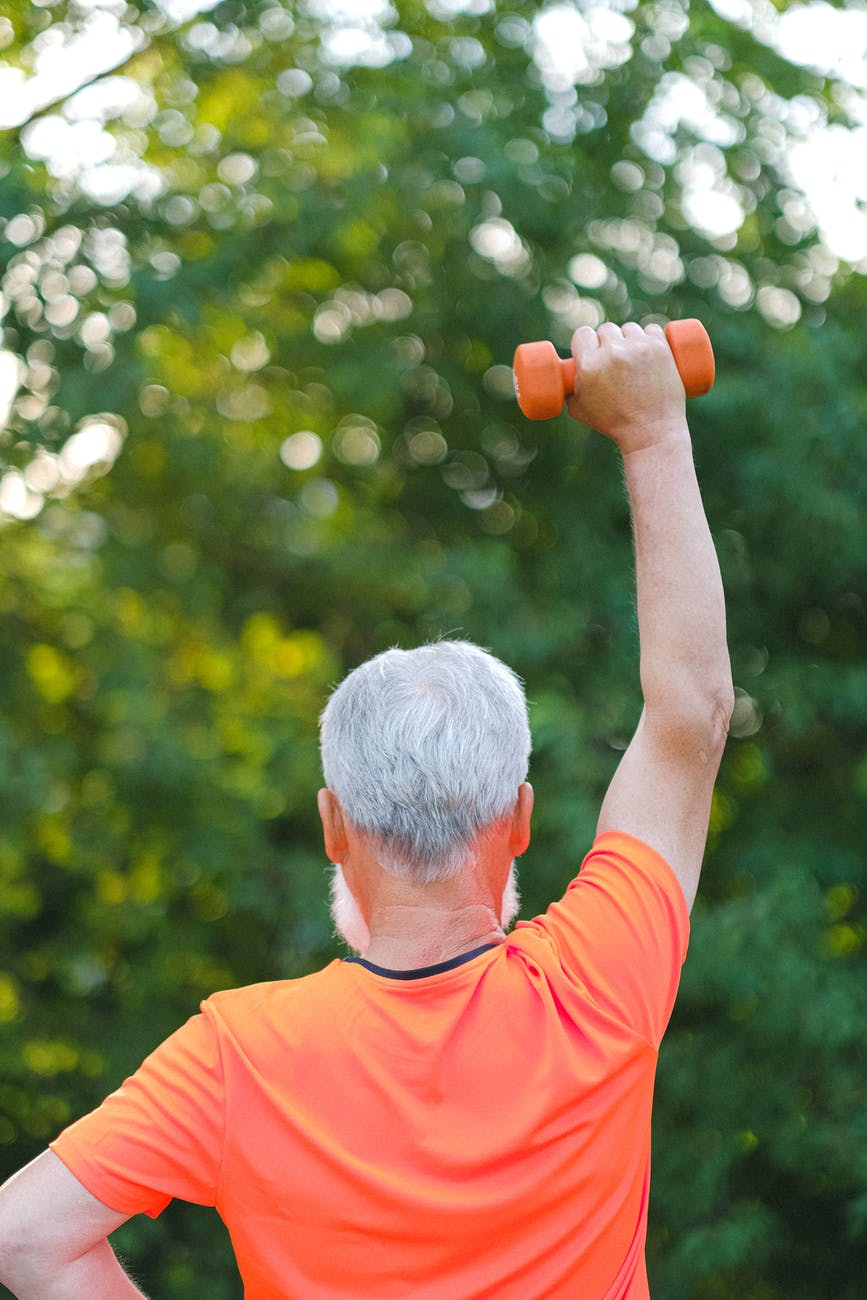
Adding a strength training element to your daily exercise routine can help protect your brain against the degeneration associated with conditions like Alzheimer’s disease. Just another reason to make sure that strength training is a big part of your life even into your senior years.

From Discover on Google https://www.abc.net.au/news/2020-02-11/strength-training-can-protect-brain-from-degeneration/11955646

Photo by Anna Shvets on Pexels.com

Wellness/Prevention: Preventing Second Hip Fractures.

Wellness/Prevention: Preventing Second Hip Fractures.

After analyzing long-term data on nearly 40,000 first-time hip fracture patients, University of British Columbia researchers found that roughly 8% will experience a second hip fracture in the decade following their first hip injury. In light of this finding, they recommend that secondary hip fracture prevention interventions should continue beyond just the early post-fracture period.

Bone, February 2015

Photo by Anna Shvets on Pexels.com

Wellness/Prevention: Reducing Work-Family Conflict Can Improve Sleep.

Wellness/Prevention: Reducing Work-Family Conflict Can Improve Sleep.

A study involving hundreds of managers and employees at a firm in the United States found that employees enrolled in a program to reduce work-family conflicts reported improved sleep quality. The program, which lasted three months, included discussion groups, role-playing, and games. Managers were also trained to be supportive of employees’ family demands. Lead investigator Dr. Orfeu Buxton writes, “Work can be a calling and inspirational, as well as a paycheck, but work should not be detrimental to health. It is possible to mitigate some of the deleterious effects of work by reducing work-family conflict, and improving sleep.”


Sleep Health, January 2015

For more health and wellness tips and information follow us or check out our blog at http://www.aberdeenchiropracticblog.com 

Photo by Keira Burton on Pexels.com

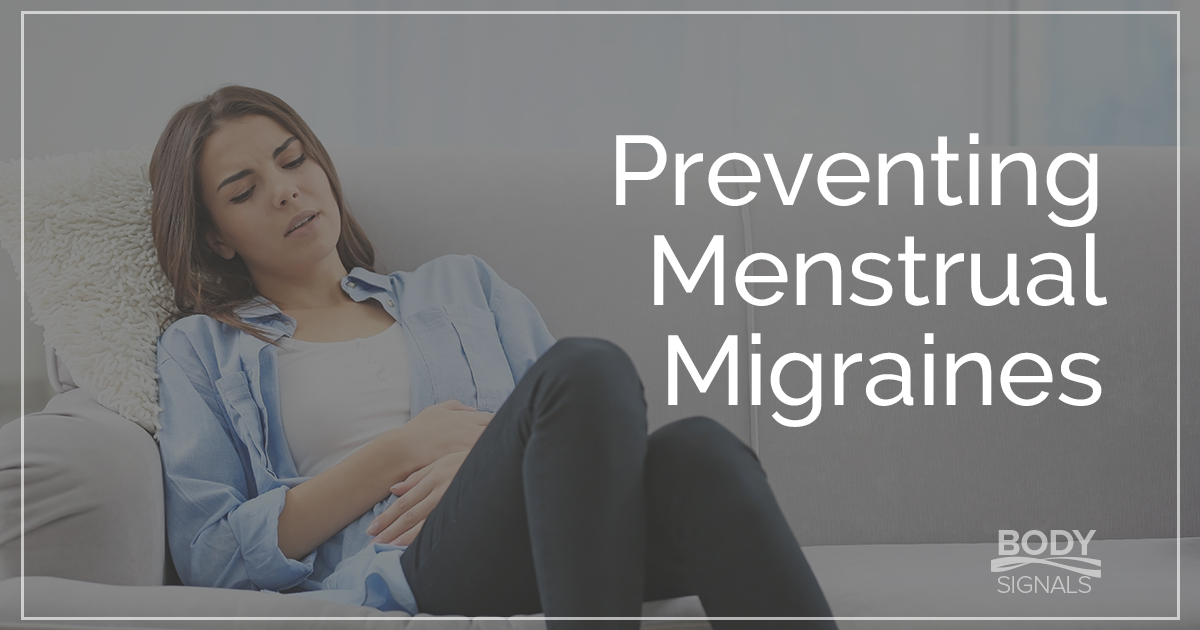
Preventing Menstrual Migraines 

Bottom Line:

For many women, monthly menstruation means monthly migraines. In addition to hormone changes, your diet, physical activity and stress levels all contribute to this pattern. While pregnancy and menopause are two ways to eliminate these types of headaches, we also have a few more practical ways to find relief!

Why it Matters:

New research recommends Chiropractic adjustments as part of an evidence-based approach to reducing the pain associated with migraine headaches. Regular adjustments can both help reduce the stress on the muscles that support your neck and improve your range of motion. By keeping active, reducing your stress, maintaining enough hydration, and staying well adjusted, you’ll give your body the best opportunity to manage those monthly hormonal changes and take the first step towards ending your migraine headaches!  

  • Hormonal changes cause monthly migraines for millions of women.
  • Stress has been shown to have a significant impact on hormonal balance.
  • Adjustments are recommended as an evidence-based approach to reducing both migraine headaches and overall levels of stress.  

Next Steps: 

Did you suffer from migraine headaches before coming into our practice? If so, stop by the front desk and let us know! Sharing your journey and how Chiropractic care helped you find relief may inspire someone else in our community to take action and find a natural solution to their headaches. 

Science Source(s): 

Evidence-Based Guidelines for the Chiropractic Treatment of Adults with Headache. Journal of Manipulative and Physiological Therapeutics. Volume 34, Number 5. 2011

Chiropractic: Musculoskeletal Pain Affects School Teachers.

Chiropractic: Musculoskeletal Pain Affects School Teachers.

An assessment of 486 self-evaluation surveys from female school teachers in Saudi Arabia reveals that musculoskeletal pain is surprisingly prevalent in the profession. Their most common complaint was low back pain, followed by knee pain, heel pain, shoulder pain, upper back pain, hip joint pain, ankle pain, and neck pain. Furthermore, nearly half (46.1%) of the teachers surveyed claimed that their pain affected their teaching performance.


Pakistan Journal of Medical Sciences, November 2014

For more health and wellness tips and information follow us or check out our blog at http://www.aberdeenchiropracticblog.com 

Photo by Pixabay on Pexels.com

Diet: Follow the Mediterranean Diet to Lower Stroke Risk.

Diet: Follow the Mediterranean Diet to Lower Stroke Risk.

New research suggests that the Mediterranean diet may reduce an individual’s risk of ischemic stroke. The Mediterranean diet includes fruits and vegetables, whole grains, legumes, nuts, fish, poultry, and olive oil, with limits on red meat, sweets, saturated fats, butter, and full-fat dairy products. Study author Dr. Paul Wright writes, “Overall, there is strong evidence, based on this study, that strict adherence to a Mediterranean diet significantly reduces stroke risk.”


American Stroke Association, February 2015

For more health and wellness tips and information follow us or check out our blog at http://www.aberdeenchiropracticblog.com 

Photo by Pixabay on Pexels.com

Lateral Ankle Sprain

Lateral Ankle Sprain
page1image3464162000

A lateral ankle sprain (LAS) occurs when you twist or roll your ankle inward.This can happen by walking/running on an uneven surface, stepping on someone else’s foot, pivoting or changing direction during sport.The severity of the sprain can range from mild to severe.

▬▬▬▬▬

Structures involved

Usually, this abrupt inward ankle twist or roll will lead to a stretch or
a tear, partial or complete, of the lateral ligament complex of your ankle. In the very moment preceding the sprain, your ankle muscles will tend to protect you with a forceful contraction. Sometimes, this can lead to muscle spasms and/or a small bone fracture where the muscle attaches to your foot.The peroneal nerve and the ligaments of your foot may also be overstretched during a lateral ankle sprain.

page1image3464238336

 page1image34642386081

▬▬▬▬▬

Signs & Symptoms that you may experience

Everyone will react differently after an injury and recovery will depend on the severity of the sprain. LAS can cause but is not limited to, pain, difficulty in weight-bearing activities, swelling, ecchymosis, pins & needles.

▬▬▬▬▬

Recovery

The severity of the sprain, your rehabilitation plan, your health status, your fitness level and your nutrition affect recovery time. Generally, you can expect to fully recover from a lateral ankle sprain.

▬▬▬▬▬▬▬▬▬▬▬▬▬▬▬▬▬▬▬▬▬▬▬▬▬▬▬▬▬▬▬▬▬▬▬▬▬▬▬▬▬▬▬▬▬▬▬▬▬
▬▬▬▬▬▬▬▬▬▬▬▬▬▬▬▬▬▬▬▬▬▬▬▬▬▬▬▬▬▬

▶ WHAT TO DO

Early-stage

Relative rest is a good way to protect your ankle against further damage, but it is important to avoid overprotecting your injury. A few days rest might be necessary, but returning to progressive loading during your activities of daily living, non-painful light cardiovascular exercise and balance exercise will allow better recovery.

Rehabilitation

Follow your practitioner’s advice. It will help you manage the different phases of the recovery process and will increase the likelihood of successful rehabilitation. Your practitioner will assist you during your rehabilitation program in order to regain your normal range of motion, strength and endurance, balance and functional status.

▶ WHAT TO AVOID

Don’t rely on passive treatment only. Each phase of the rehabilitation process is important. Patients that are actively involved in their treatment plan tend to recover faster. Keep in mind that pain is not always a good indicator of tissue damage as severe pain doesn’t necessarily mean a severe injury. As soon as you feel better and the pain is well managed in collaboration with your therapist, you should reintroduce light exercises as tolerated.