
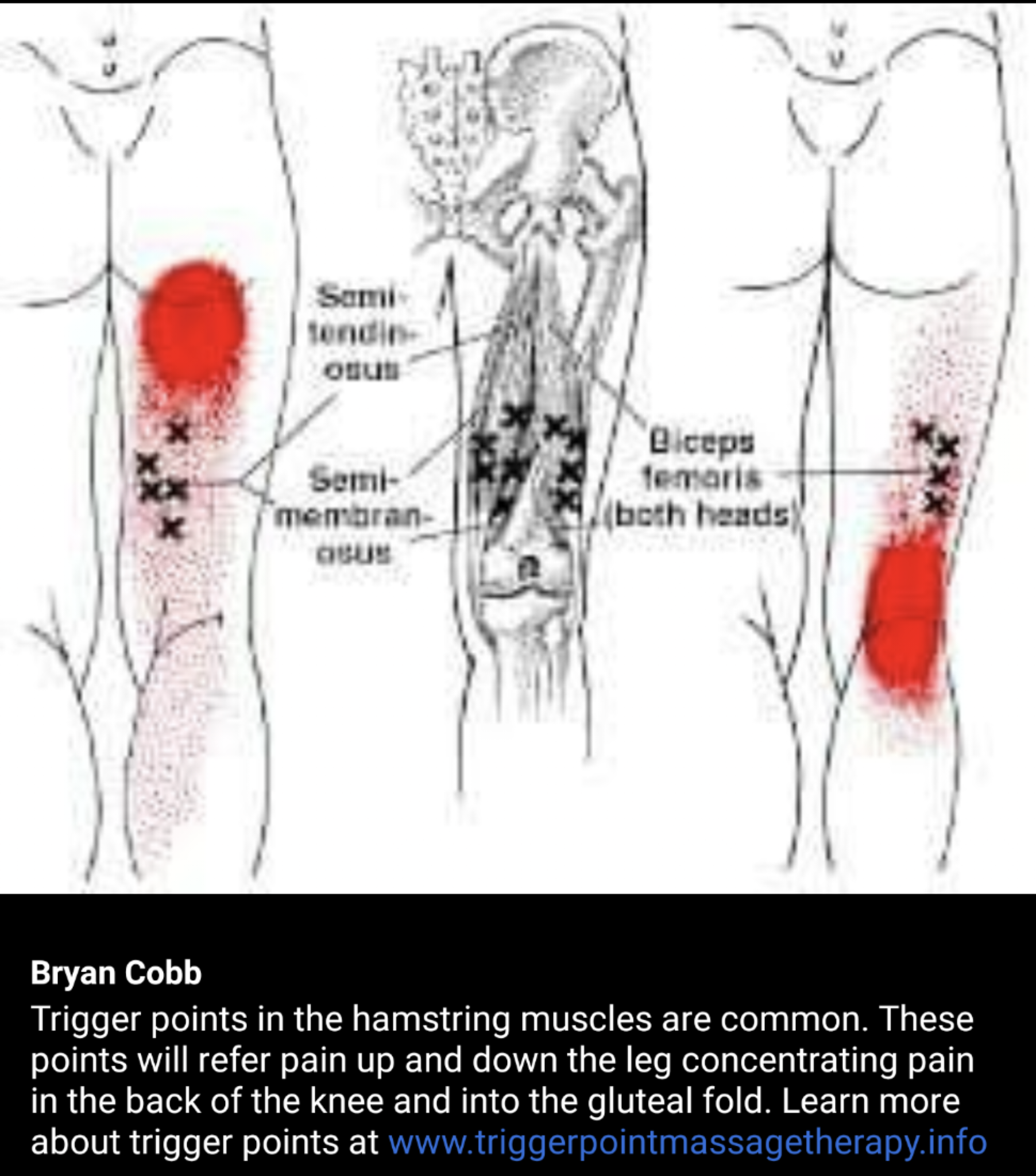


The next time you feel a painful “knot” in your muscle tissue take a moment to reflect on just how complicated a process it was for it to get there.
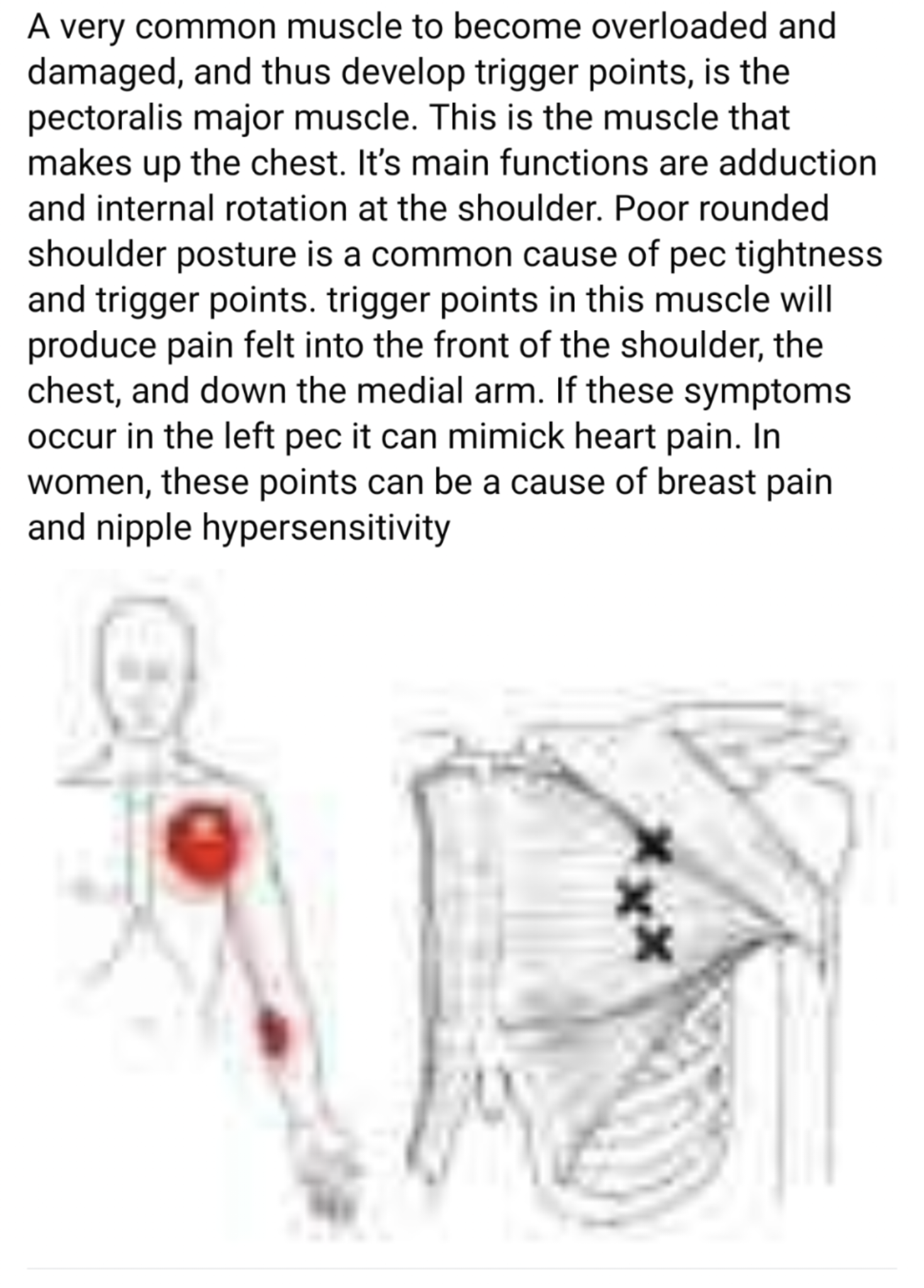
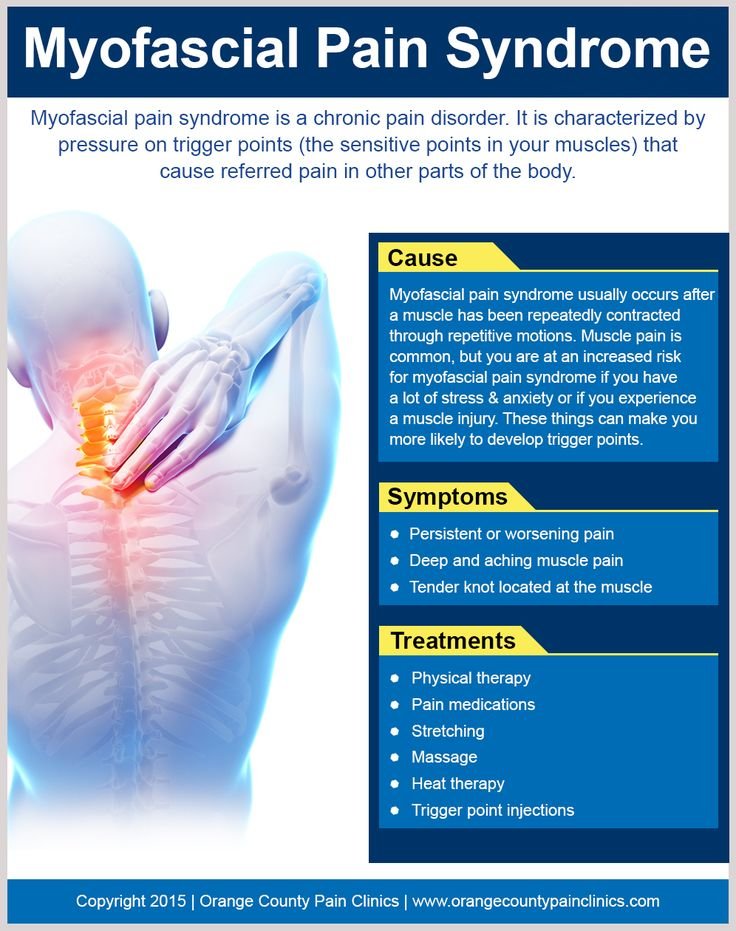
Myofascial pain syndrome is a chronic pain disorder. In this condition, pressure on sensitive points in your muscles (trigger points) causes pain in the muscle and sometimes can cause pain spread to other parts of your body. This is called referred pain. Trigger points can also cause stiffness and weakness.
This syndrome typically occurs after a muscle has been contracted repetitively. This can be caused by repetitive motions used in jobs or hobbies or by stress-related muscle tension.
While nearly everyone has experienced muscle tension pain, the discomfort associated with myofascial pain syndrome persists or worsens. Treatment options include massage therapy, dry needling, and physical therapy. relaxation techniques such as meditation also can help.
One of the often overlooked muscles affected by poor rounded shoulder posture is the latissimus dorsi muscle. They are the largest muscles in the back and function primary to adduct the arm and to assist in medially rotating the arm. Chronic strain causes trigger points to build up in the muscle tissue causing pain, referred pain, stiffness and weakness. Trigger points in the lats refer pain into the back, shoulder, and down the arm into the fingers.

Trigger points are one of the most common sources of pain in the body. Almost everyone has experienced pain from trigger points at some point in their lives. Without treatment trigger points don’t go away. Trigger point massage therapy is one effective way to treat trigger points.
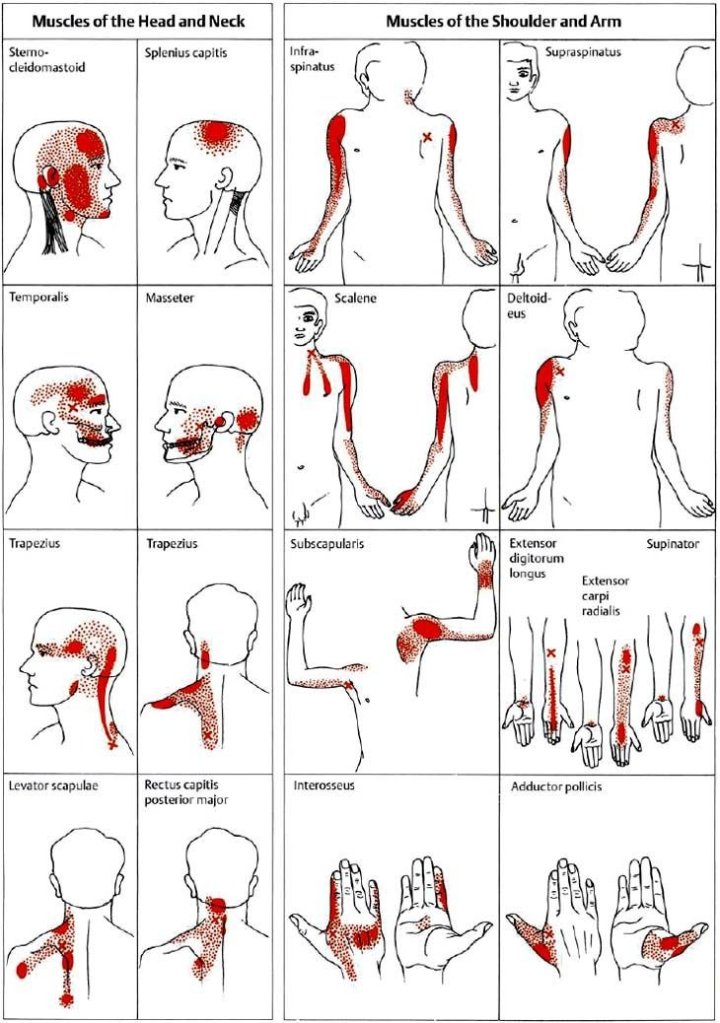
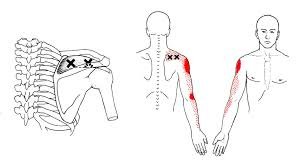
The supraspinatus muscle is one of your rotator cuff muscles in the shoulder. It helps to move and stabilize the shoulder joint. Poor posture can cause this muscle to become strained and irritated. Rounded shoulders can cause strain in this muscle and can even cause the tendon of this muscle to become impinged with overhead shoulder movement. Trigger points that form in this muscle will cause pain to be felt in the shoulder, elbow, and down the arm.
The sternocleidomastoid muscle is a thin strap like muscle located on both sides of the front of the neck. It helps with movement and posture of the head and neck. This muscle often becomes shortened and tight in people with poor head forward posture. As a result trigger points can form, and these points can cause pain to refer into the skull, and face around the eye. Trigger points in this muscle can also refer into the inner ear.

 Aberdeen Chiropractic