Managing Upper Crossed Syndrome with Chiropractic Care and Ergonomic Adjustments

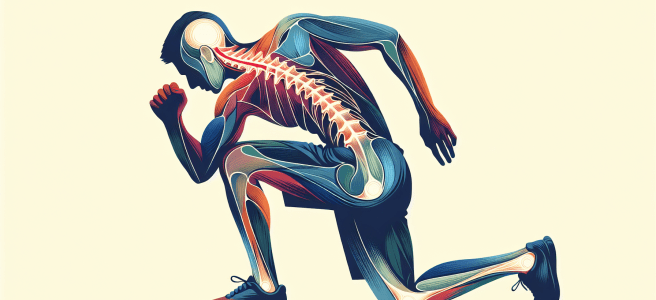
Your posture is a cornerstone of your overall health, influencing everything from musculoskeletal function to internal organ function. Poor posture can lead to chronic strain and discomfort, affecting your daily life and long-term well-being. One common postural issue is known as “upper crossed syndrome,” characterized by excessive tightness in the shoulders and chest paired with weakness in the neck and mid-back muscles. This imbalance forces the shoulders to roll inward and the head to protrude forward, creating a cascade of negative effects throughout the body.

To grasp how upper crossed syndrome wreaks havoc, envision your spine as a sturdy telephone pole and your head as a heavy bowling ball atop it. When the bowling ball is positioned directly over the pole, minimal effort is needed to maintain balance. However, if the pole tilts forward and the ball threatens to roll off, the muscles must work tirelessly to prevent it from falling. This constant effort places undue strain on the muscles of the neck and upper back, leading to chronic discomfort and potential complications.

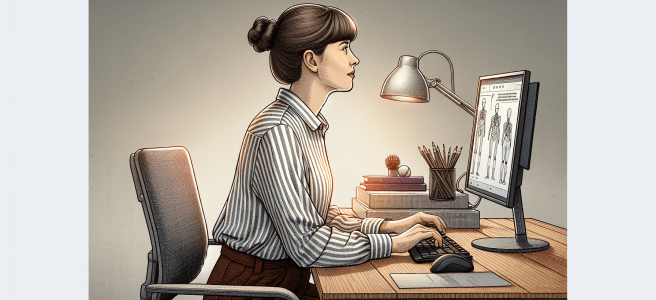
The repercussions of upper crossed syndrome extend beyond mere discomfort. It can contribute to a host of issues including neck pain, upper back pain, headaches, temporomandibular joint (TMJ) pain, and even arthritis over time. This postural distortion is particularly prevalent among individuals who spend prolonged periods at computer workstations, where slouching and forward head posture are common.

Addressing upper crossed syndrome requires a multifaceted approach aimed at correcting muscular imbalances and optimizing workstation ergonomics. Chiropractic care plays a pivotal role in this process, offering targeted interventions to restore postural alignment and alleviate associated discomfort. Through manual adjustments, chiropractors can realign misaligned vertebrae and alleviate pressure on nerves, facilitating improved posture and function.

Additionally, chiropractors provide guidance on stretches and exercises tailored to address muscle tightness and weakness characteristic of upper crossed syndrome. These exercises aim to elongate tight muscles, such as the chest and front shoulder muscles, while strengthening weakened muscles, particularly those in the neck and mid-back. By restoring muscular balance, chiropractic care helps alleviate strain on the spine and promote better postural alignment.

In conjunction with chiropractic interventions, modifying your workstation ergonomics is crucial for preventing and managing upper crossed syndrome. Simple adjustments, such as raising the computer monitor to eye level, using an ergonomic chair with proper lumbar support, and taking regular breaks to stretch and move, can significantly reduce strain on the neck and back muscles.

By addressing the root causes of upper crossed syndrome through a comprehensive approach that includes chiropractic care and ergonomic modifications, you can effectively manage discomfort and prevent long-term complications. Prioritizing good posture and seeking timely intervention from a chiropractor can help you maintain optimal musculoskeletal health and enjoy a more comfortable, pain-free lifestyle.

Understanding Neck Sprains and Strains: Beyond Auto Accidents and Sports Injuries

Auto accidents and sports injuries are the leading causes of neck sprains and strains, but they are not the only activities that can lead to these painful conditions. While these high-impact incidents are often the most obvious culprits, everyday actions and less traumatic activities can also contribute significantly to the development of neck sprains and strains.

Neck sprains and strains frequently arise from mundane activities such as reaching for items, pushing or pulling objects, moving heavy furniture or boxes, and experiencing falls. These actions, though seemingly benign, can place considerable stress on the muscles, tendons, and ligaments in the neck, especially when performed repeatedly or with poor posture. For example, consistently reaching for items on high shelves can strain the neck muscles over time, while pushing or pulling heavy objects can overload the tendons and ligaments, leading to gradual wear and tear.

Most commonly, neck sprains and strains are not caused by a single, isolated event but rather by the cumulative effect of repeated overloading. Tendons and ligaments are remarkably resilient structures that can handle isolated stressors well. However, when subjected to continuous and repetitive challenges, their ability to recover is compromised. This repeated stress can result in microtears and inflammation, eventually leading to more significant injuries. The analogy of bending a piece of copper wire illustrates this concept well: while the wire can withstand a certain amount of bending, constant and repetitive flexing will ultimately cause it to break. Similarly, the neck’s soft tissues can only endure so much before they too succumb to injury.

Auto accidents, often involving sudden deceleration and forceful impact, can cause the head and neck to whip forward and backward violently. This rapid movement, commonly referred to as whiplash, can result in severe sprains and strains as the neck’s tendons and ligaments are stretched beyond their normal range of motion. The forceful nature of such accidents can cause immediate and significant damage, leading to pain, stiffness, and reduced mobility.

Sports injuries, on the other hand, can result from direct impacts, falls, or sudden twists and turns. Contact sports like football, rugby, and hockey are particularly notorious for causing neck injuries due to the high likelihood of collisions and impacts. Even non-contact sports such as gymnastics or swimming can lead to neck strains and sprains if athletes perform movements that overstretch or overuse the neck muscles and ligaments.

The risk of neck sprains and strains is further exacerbated by poor posture and ergonomics in everyday activities. For instance, prolonged use of computers or smartphones often leads to forward head posture, where the head is positioned ahead of the shoulders. This posture increases the strain on the neck muscles and ligaments, making them more susceptible to injury. Similarly, sleeping in an awkward position or using inadequate pillows can also place undue stress on the neck, leading to discomfort and potential injury over time.

Preventing neck sprains and strains involves a combination of proper ergonomics, posture correction, and strength training. Ensuring that workspaces are set up ergonomically, taking frequent breaks to move and stretch, and strengthening the neck and shoulder muscles through targeted exercises can help mitigate the risk of these injuries. Additionally, being mindful of body mechanics during daily activities, such as lifting objects with proper technique and avoiding overreaching, can also reduce the likelihood of developing neck sprains and strains.

In summary, while auto accidents and sports injuries are the most common causes of neck sprains and strains, they are by no means the only factors. Everyday activities and repetitive stresses play a significant role in these injuries, highlighting the importance of awareness and preventive measures to maintain neck health and prevent long-term damage.

Understanding Neck Sprains and Strains: Causes and Symptoms

Your cervical spine, or neck, is made up of seven bones stacked on top of each other with a shock-absorbing disc between each level. Your neck is relatively flexible so it relies on muscles and ligaments for support. “Sprains” and “strains” are the result of these tissues being stretched too hard or too far, much like a rope that frays when it is stretched beyond its normal capacity.

Auto accidents and sports injuries are the leading causes of neck sprains and strains. Other less traumatic activities like reaching, pushing, pulling, moving heavy objects and falls can also trigger these problems. Most commonly, sprains and strains are not the result of any single event but rather from repeated overloading. Tendons and ligaments generally manage small isolated stressors quite well, but repetitive challenges lead to injury in much the same way that constantly bending a piece of copper wire will cause it to break.

Symptoms from a sprain/strain may begin abruptly but more commonly develop gradually. Complaints often include dull neck pain that becomes sharper when you move your head. Rest may relieve your symptoms but often leads to stiffness. The pain is generally centered in the back of your neck but can spread to your shoulders or between your shoulder blades. Tension headaches commonly accompany neck injuries.

Sprain/strain injuries cause your normal healthy elastic tissue to be replaced with less elastic “scar tissue”. This process can lead to ongoing pain and even arthritis. Seeking early and appropriate treatment, like the type provided in our office, is critical. Depending upon the severity of your injury, you may need to limit your activity for awhile- especially movements or activities that cause pain. Avoid heavy lifting and take frequent breaks from prolonged activity, particularly overhead activity. Following acute injuries, you can apply ice for 10-15 minutes each hour. Heat may be helpful after several days or for more chronic types of pain. http://ow.ly/i/uSftb

Understanding Thoracic Outlet Syndrome: Causes, Risk Factors, and Symptoms

Thoracic Outlet Syndrome

Thoracic outlet syndrome (TOS) occurs when nerves and blood vessels passing through the thoracic outlet, located just above the collarbone, become compressed. This compression leads to symptoms such as pain, numbness, or tingling in the arm, affecting daily activities and quality of life.

Several factors contribute to the development of TOS. Tight muscles in the neck and chest, as well as a narrow space between the first rib and collarbone, can cause compression. Additionally, individuals with an extra rib (cervical rib) or those who have experienced a recent neck injury are at increased risk of developing TOS.

Poor posture exacerbates TOS, making individuals who spend prolonged periods in positions that promote slouching, such as computer users, assembly line workers, and students, particularly susceptible. Athletes engaging in sports like swimming, volleyball, tennis, and baseball, which involve repetitive overhead movements, are also prone to TOS. Likewise, occupations like electricians and painters, requiring prolonged overhead activity, heighten the risk.

Symptoms of TOS manifest as arm pain, numbness, tingling, and possible weakness. These symptoms typically develop gradually and worsen with arm elevation or excessive head movement. Loss of grip strength may also occur, further impeding daily tasks.

Conservative treatments, like those provided by chiropractors, have shown efficacy in managing TOS symptoms. Avoiding activities that exacerbate symptoms, such as carrying heavy loads on the shoulder, is crucial. Measures like lightening the load of briefcases, laptop cases, or heavy shoulder bags can alleviate pressure on the thoracic outlet. Additionally, padding bra straps or opting for a sports bra may help reduce discomfort and prevent further aggravation of symptoms.

Overall, proactive management of TOS involves addressing contributing factors, modifying activities to reduce strain on the thoracic outlet, and seeking conservative treatments like chiropractic care to alleviate symptoms and improve quality of life. By adopting these strategies, individuals can effectively manage TOS and regain function and comfort in daily life.

Wellness/Prevention: Use of Media Devices Affect Teens’ Sleep Significantly.

Wellness/Prevention: Use of Media Devices Affect Teens’ Sleep Significantly.

A Norwegian study has found that if it takes more than an hour for a teenager to fall asleep, there is an almost 50% likelihood that they are spending more than four hours per day outside of school using electronic devices such as computers, TVs, smartphones, and MP3 players. The findings are of concern since the majority of teens in the United States report having at least one electronic device in their bedroom, and poor sleep has implications on school performance. The authors add, “The current recommendation is not to have a TV in the bedroom. It seems, however, that there may be other electronic devices exerting the same negative influence on sleep, such as PCs and mobile phones. The results confirm recommendations for restricting media use in general.” Scandinavian Journal of Public Health, November 2014

Chiropractic: More Sitting Time More Neck and Shoulder Pain.

Chiropractic: More Sitting Time More Neck and Shoulder Pain.

According to a study involving 118 males in blue-collar jobs across a variety of industries, those who spend nearly the whole workday sitting are nearly three times more likely to experience neck and shoulder pain than workers who spend more than half the workday on their feet.
International Archives of Occupational and Environmental Health, February 2015

Neck Pain Risk: The Influence of Exercise-Induced Fatigue on Proprioception

Chiropractic: Fatigue Is a Risk Factor for Neck Pain.

The intricate relationship between exercise-induced fatigue and neck proprioception, as elucidated in a study featured in Ortopedia, Traumatologia, Rehabilitacja in February 2015, sheds light on the multifaceted interplay between physical exertion and musculoskeletal health in healthy young adults.

Exercise-induced general fatigue, a common phenomenon experienced during and after vigorous physical activity, has been found to exert discernible effects on neck proprioception. Proprioception, the body’s innate ability to perceive the position and movement of its various body parts in space, plays a pivotal role in maintaining balance, stability, and postural alignment.

The study reveals that even subtle alterations in neck proprioception induced by exercise-induced fatigue can disrupt the delicate equilibrium of body stability and posture. This disruption may manifest as increased strain and tension in the head, neck, and shoulders, potentially predisposing individuals to neck pain and musculoskeletal discomfort.

By compromising the body’s ability to accurately perceive and adjust to changes in position and movement, reduced neck proprioception may place added stress on the cervical spine and surrounding musculature, exacerbating the risk of strain, injury, and pain.

These findings underscore the importance of integrating targeted interventions to enhance neck proprioception into exercise regimens, particularly among young adults engaged in vigorous physical activity. By incorporating exercises aimed at improving proprioceptive awareness, balance, and postural control, individuals can mitigate the adverse effects of exercise-induced fatigue on neck health, promoting optimal musculoskeletal function and well-being.

Moreover, these insights underscore the need for further research to elucidate the mechanisms underlying the relationship between exercise-induced fatigue, proprioception, and neck pain, paving the way for more effective preventive strategies and rehabilitative interventions in the realm of musculoskeletal rehabilitation.

Stiff neck??

One of the most common causes of a stiff neck are trigger points in the levator scapulae muscle. This muscle runs up the side of the neck from the top of the shoulder blade. It helps to shrug the shoulders and move and stabilize the neck. When trigger points form in this muscle they will produce pain and stiffness in the neck. Deep tissue trigger point massage applied to these knots is an effective treatment method.

Photo by Karolina Grabowska on Pexels.com

Chiropractic and Headaches

According to the World Health Organization, headaches are among the most common disorders of the nervous system affecting an estimated 47% of adults during the past year. Headaches place a significant burden on both quality of life (personal, social, and occupational) and financial health. They are usually misdiagnosed by healthcare practitioners, and in general, are underestimated, under-recognized, and under-treated around the world. So, what about chiropractic and headaches… Does it help?

Suffice it to say, there are MANY studies showing chiropractic care helps headache sufferers. For instance, in a review of past research studies using an “evidence-based” approach, chiropractic treatment of adults with different types of headaches revealed very positive findings! Researchers note that chiropractic care helps those with episodic or chronic migraine headaches, cervicogenic headache (that is, headaches caused by neck problems), and tension-type headaches (chronic more than episodic). There appears to be additional benefit when chiropractic adjustments are combined with massage, mobilization, and/or adding certain types of exercises, although this was not consistently studied. In the studies that discussed adverse or negative effects of treatment, the researchers noted no serious adverse effects.

In patients suffering from athletic injuries, particularly post-concussion headache (PC-HA), chiropractic care can play a very important role in the patient’s recovery. With an estimated 1.6 to 3.8 million sports-related brain injuries occurring each year, approximately 136,000 involve young high school athletes (although some argue this is “grossly underestimated”).

Several published case studies report significant benefits for post-concussion patients after receiving chiropractic care, some of which included PC-HA from motor vehicle collisions, as well as from slips and falls. For example, one described an improvement in symptoms that included deficits in short-term memory as well as attention problems. In this particular study, a six-year-old boy fell from a slide in the playground, and after 18 months of continuous problems, underwent a course of chiropractic care. After just three weeks of care, his spelling test scores improved from 20% to 80% with even more benefits observed by the eighth week of care!

Another case study looked at a 16-year-old male teenager with a five-week-old football injury who had daily headaches and “a sense of fogginess” (concentration difficulties). He reported significant improvement after the second visit, with near-complete symptom resolution after the fifth visit (within two weeks of care). After seven weeks of care, he successfully returned to normal activities, including playing football.

Dizziness and vertigo are also common residuals from concussion and were present in a 30-year-old woman just three days following a motor vehicle accident. She also complained of headache, neck pain, back pain, and numbness in both arms. The case study noted significant improvement after nine visits within an 18-day time frame.

We realize you have a choice in whom you consider for your health care provision and we sincerely appreciate your trust in choosing our service for those needs.  If you, a friend, or family member requires care for neck pain or headaches, we would be honored to render our services.

Trigger points and headaches

Trigger points are contracted knots of muscle tissue that form in any muscle as a result of overload stress. Trigger points cause pain, referred pain, stiffness and weakness. Trigger points that form in the muscles of the neck and head often refer pain into the head and face. This is one of the most common causes of headache pain. Trigger point massage is an effective way to treat trigger points.