
Myofascial Pain
Glute max and sacral pain.
The gluteus maximus muscle is a major player in hip extension. Despite its involvement in walking, running, skating, and pretty much all types of upright movement it remains largely undeveloped in most bodies. This Lak of strength sets it up for overload injuries like trigger points and myofascial pain. These trigger points not only cause glute and hip pain but are also a common source of sacral pain as well. The best prevention for these problems is strong glutes!!! So stop sitting on your butt, and start strengthening it with resistance training.

Multifidus trigger points and back pain.
The Multifidus muscle is a long muscle that travels the length of the back. It helps move and stabilize the spine. It is a frequent carrier of trigger points. These points can cause back pain anywhere along the back and even into the sacrum. When they are bad enough spillover pain can be referred into the abdomen as well.

Trigger points in the erector spinae

Abdominal trigger points and back pain.
One of the most overlooked causes of back pain is trigger points in the abdominal muscles. Your abdominal muscles act to flex the trunk and to stabilize the upper body during most movements. As a result they can often become overloaded and strained. When this happens trigger points will form. These points will not only cause pain to be felt in the abdominal area but will also often refer pain into the back as well. Most massage for back pain is focused on the back muscles and the abs are often overlooked. If back pain in present the abdominals must be assessed to determine there involvement for a proper treatment to have the desired effect.
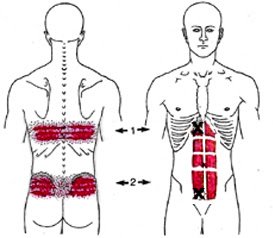
Trigger Point Therapy – Treating the Erector Spinae Group
Headaches and whiplash.
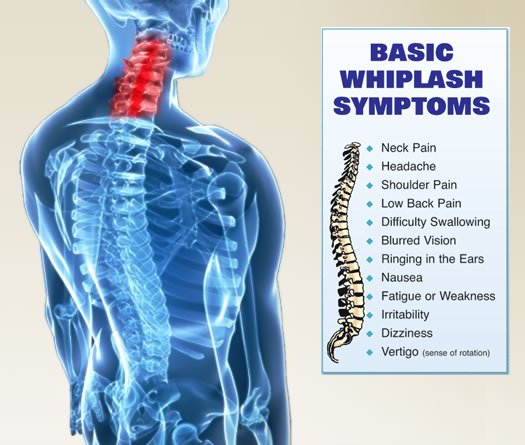
With a whiplash injury the muscles of the neck get overloaded and strained. When this happens trigger points can form in any or all of these muscles. Trigger points in the neck muscles will refer pain into the head and face causing headaches and migraines. These points won’t release with rest, stretching, or rehab exercise. They require a manual technique like trigger point massage for them to resolve.

Watch “Self Massage To Treat Whiplash” on YouTube
A whiplash injury can cause a wide variety of symptoms. Myofascial trigger points that form in the muscles of the neck and back as a result of this injury can cause all of these symptoms listed below. For a complete treatment plan for whiplash, trigger points must be released.
 Aberdeen Chiropractic