What the heck is a trigger point?

trigger-point-referred-pain-shutterstock_228843211

What is a Trigger Point?

Trigger Points (TP’s) are defined as a “hyper-irritable spot within a taut band of skeletal muscle. The spot is painful on compression and can evoke characteristic referred pain and autonomic phenomena.”1

Put into plain language, a TP is a painful knot in muscle tissue that can refer pain to other areas of the body. You have probably felt the characteristic achy pain and stiffness that TP’s produce, at some time in your life.

TP’s were first brought to the attention of the medical world by Dr. Janet G. Travell. Dr. Travell, physician to President John F. Kennedy, is the acknowledged Mother of Myofascial Trigger Points. In fact, “Trigger Point massage, the most effective modality used by massage therapists for the relief of pain, is based almost entirely on Dr. Travell’s insights.”2 Dr. Travell’s partner in her research was Dr. David G. Simons, a research scientist and aerospace physician.

Trigger Points are very common. In fact, Travell and Simons state that TP’s are responsible for, or associated with, 75% of pain complaints or conditions.1 With this kind of prevalence, it’s no wonder that TP’s are often referred to as the “scourge of mankind”.

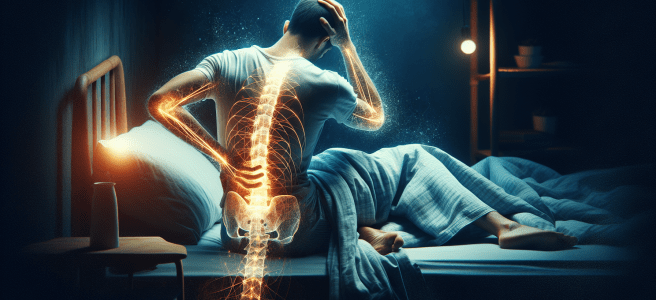
Trigger Points can produce a wide variety of pain complaints. Some of the most common are migraine headaches, back pain, and pain and tingling into the extremities. They are usually responsible for most cases of achy deep pain that is hard to localize.

A TP will refer pain in a predictable pattern, based on its location in a given muscle. Also, since these spots are bundles of contracted muscle fibres, they can cause stiffness and a decreased range of motion. Chronic conditions with many TP’s can also cause general fatigue and malaise, as well as muscle weakness.

Trigger Points are remarkably easy to get, but the most common causes are

TP’s (black X) can refer pain to other areas (red)

Sudden overload of a muscle

  • Poor posture
  • Chronic frozen posture (e.g., from a desk job), and
  • Repetitive strain

Once in place, a TP can remain there for the remainder of your life unless an intervention takes place.

Trigger Points Not Well Known

With thousands of people dealing with chronic pain, and with TP’s being responsible for — or associated with — a high percentage of chronic pain, it is very disappointing to find that a large portion of doctors and other health care practitioners don’t know about TP’s and their symptoms.

Scientific research on TP’s dates back to the 1700’s. There are numerous medical texts and papers written on the subject.

But, it still has been largely overlooked by the health care field. This has led to needless frustration and suffering, as well as thousands of lost work hours and a poorer quality of life.

How Are Trigger Points Treated?

As nasty and troublesome as TP’s are, the treatment for them is surely straight-forward. A skilled practitioner will assess the individual’s pain complaint to determine the most likely location of the TP’s and then apply one of several therapeutic modalities, the most effective of which is a massage technique called “ischemic compression”.

Basically, the therapist will apply a firm, steady pressure to the TP, strong enough to reproduce the symptoms. The pressure will remain until the tissue softens and then the pressure will increase appropriately until the next barrier is felt. This pressure is continued until the referral pain has subsided and the TP is released. (Note: a full release of TP’s could take several sessions.)

Other effective modalities include dry needling (needle placed into the belly of the TP) or wet needling (injection into the TP). The use of moist heat and stretching prove effective, as well. The best practitioners for TP release are Massage Therapists, Physiotherapists, and Athletic Therapists. An educated individual can also apply ischemic compression to themselves, but should start out seeing one of the above therapists to become familiar with the modality and how to apply pressure safely.

1 Simons, D.G., Travell, D.G., & Simons, L.S. Travell and Simons’Myofascial Pain and Dysfunction: the Trigger Point Manual.

Vol. 1. 2nd ed. Lippincott, Williams, and Wilkins, 1999.

PFPS Cont. You want details?

Screen Shot 2017-10-31 at 11.15.32 AM.png

The muscles of the hip provide not only local stability, but also play an important role in spinal and lower extremity functional alignment. (1-4) While weakness in some hip muscles (hip extensors and knee extensors) is well tolerated, weakness or imbalance in others can have a profound effect on gait and biomechanical function throughout the lower half of the body. (5) Weakness of the hip abductors, particularly those that assist with external rotation, has the most significant impact on hip and lower extremity stability. (5,6)

Hip Abduction.gif

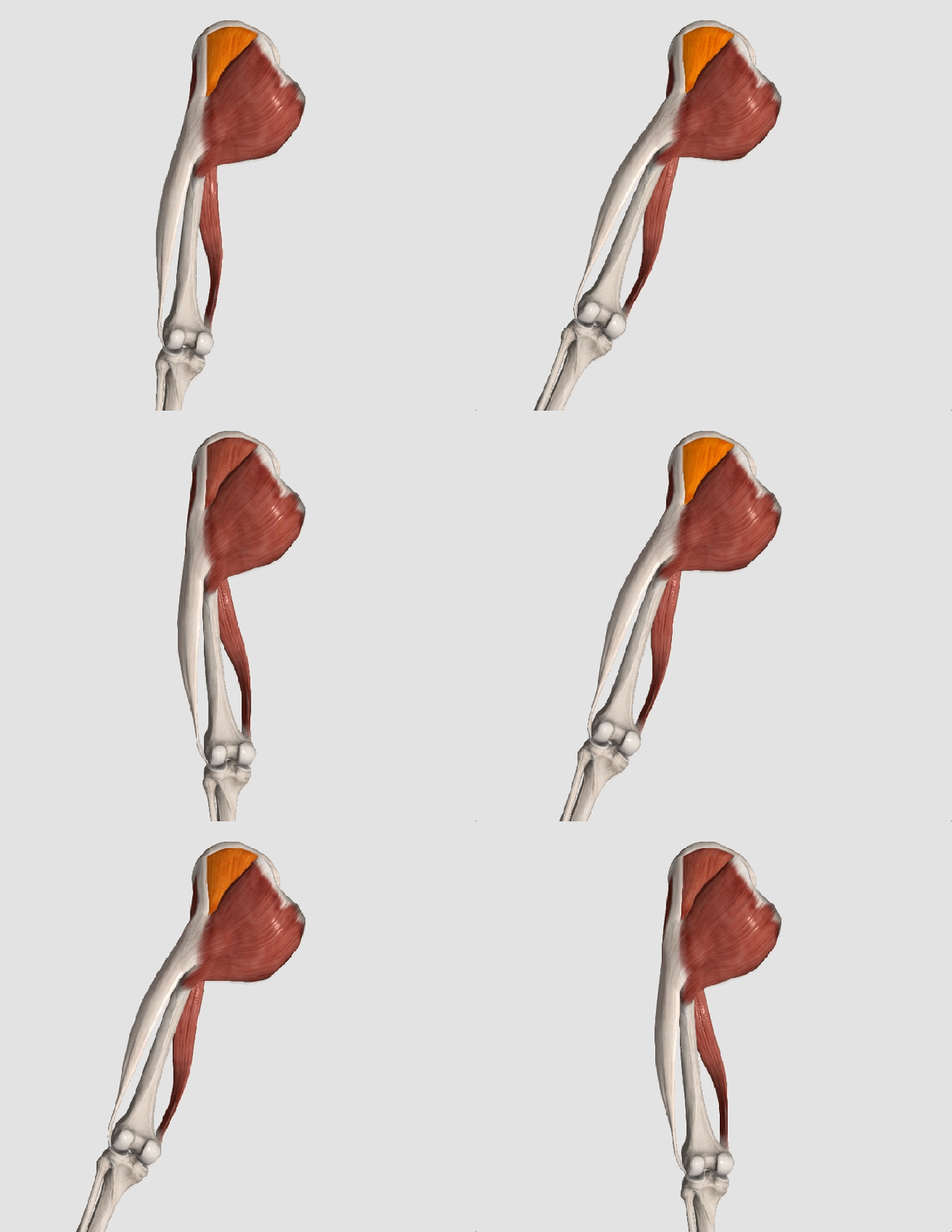
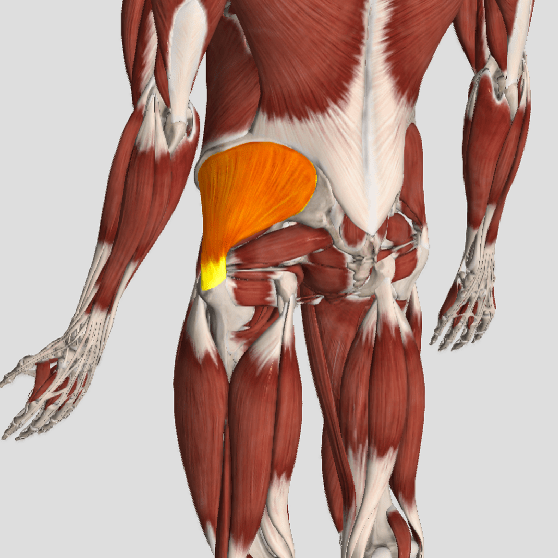
The gluteus medius is the principal hip abductor. When the hip is flexed, the muscle also assists the six deep hip external rotators (piriformis, gemelli, obturators, and quadratus femoris). The gluteus medius originates on the ilium just inferior to the iliac crest and inserts on the lateral and superior aspects of the greater trochanter. While the principal declared action of the gluteus medius is hip abduction, clinicians will appreciate its more valuable contribution as a dynamic stabilizer of the hip and pelvis- particularly during single leg stance activities like walking, running, and squatting. The gluteus medius contributes approximately 70% of the abduction force required to maintain pelvic leveling during single leg stance. The remainder comes predominantly from 2 muscles that insert onto the iliotibial band: the tensor fascia lata and upper gluteus maximus.  Hip abductor strength is the single greatest contributor to lower extremity frontal plain alignment during activity. (6)

Screen Shot 2017-10-31 at 11.12.00 AM

Incompetent hip abductors and/or external rotators allows for excessive adduction and internal rotation of the thigh during single leg stance activities. This leads to a cascade of biomechanical problems, including pelvic drop, excessive hip adduction, excessive femoral internal rotation, valgus knee stress, and internal tibial rotation. (1,7-12)


References
1. Szu-Ping Lee, Powers C. Description of a Weight-Bearing Method to Assess Hip Abductor and External Rotator Muscle Performance. JOSPT. Volume 43, Issue 6
2. Crossley KM, Zhang WJ, Schache AG, Bryant A, Cowan SM. Performance on the single-leg squat task indicates hip abductor muscle function. Am J Sports Med. 2011;39:866-873.
3. Presswood L, Cronin J, Keogh JWL, Whatman C. Gluteus medius: applied anatomy, dysfunction, assessment, and progressive strengthening. Strength Cond J. 2008;30:41-53.
4. Sled EA, Khoja L, Deluzio KJ, Olney SJ, Culham EG. Effect of a home program of hip abductor ex- ercises on knee joint loading, strength, function, and pain in people with knee osteoarthritis: a clinical trial. Phys Ther. 2010;90:895-904.
5. van der Krogt MM, Delp SL, Schwartz MH How robust is human gait to muscle weakness? Gait Posture. 2012 Feb 29.
6. Laurie Stickler, Margaret Finley, Heather Gulgin Relationship between hip and core strength and frontal plane alignment during a single leg squat Physical Therapy in Sport Available online 2 June 2014
7. Ireland ML, Willson JD, Ballantyne BT, Davis
IM. Hip strength in females with and without patellofemoral pain. J Orthop Sports Phys Ther. 2003;33:671-676.
8. Noehren B, Davis I, Hamill J. ASB clinical biome- chanics award winner 2006: prospective study of the biomechanical factors associated with iliotib- ial band syndrome. Clin Biomech (Bristol, Avon). 2007;22:951-956.
9. Powers CM. The influence of abnormal hip me- chanics on knee injury: a biomechanical perspec- tive. J Orthop Sports Phys Ther. 2010;40:42-51.
10. Powers CM. The influence of altered lower- extremity kinematics on patellofemoral joint dysfunction: a theoretical perspective. J Orthop Sports Phys Ther. 2003;33:639-646.
11. Sigward SM, Powers CM. Loading characteristics of females exhibiting excessive valgus moments during cutting. Clin Biomech (Bristol, Avon). 2007;22:827-833
12. Souza RB, Powers CM. Differences in hip kine- matics, muscle strength, and muscle activation between subjects with and without patellofemo- ral pain. J Orthop Sports Phys Ther. 2009;39:12- 19.

Exploring the Link Between Chiropractic Care and Pain Relief

Pain is a universal experience that can significantly impact our quality of life, mobility, and overall well-being. While pain management often involves medication or surgery, many people are turning to chiropractic care as a natural and holistic approach to pain relief. In this article, we’ll delve into the connection between chiropractic care and pain relief and explore how chiropractic treatments can help alleviate various types of pain.

Understanding Chiropractic Care

Chiropractic care is a branch of alternative medicine that focuses on the diagnosis, treatment, and prevention of musculoskeletal disorders, particularly those affecting the spine. Chiropractors use hands-on techniques, such as spinal adjustments, manipulations, and soft tissue therapies, to realign the spine, improve joint mobility, and restore proper function to the nervous system.

The Role of Chiropractic Care in Pain Relief

Chiropractic care is widely recognized for its effectiveness in relieving pain, particularly in the back, neck, and joints. Here’s how chiropractic treatments can help alleviate pain:

  1. Spinal Alignment: Misalignments or subluxations in the spine can put pressure on nerves, leading to pain and discomfort. Chiropractic adjustments aim to correct these misalignments, restore proper alignment to the spine, and alleviate nerve compression, resulting in pain relief and improved mobility.
  2. Reduction of Inflammation: Chiropractic adjustments can help reduce inflammation in the body by improving joint function, increasing blood flow, and promoting the release of anti-inflammatory substances. By addressing the underlying cause of inflammation, chiropractic care can help alleviate pain associated with conditions such as arthritis, bursitis, and tendonitis.
  3. Muscle Relaxation: Chiropractic treatments often involve soft tissue therapies, such as massage, myofascial release, and trigger point therapy, which help relax tense muscles, reduce muscle spasms, and improve circulation. By addressing muscular imbalances and tension, chiropractic care can alleviate pain and stiffness in the muscles and surrounding tissues.
  4. Prevention of Recurring Pain: In addition to providing immediate pain relief, chiropractic care focuses on addressing the underlying causes of pain and dysfunction to prevent future episodes of pain and discomfort. Through regular chiropractic adjustments, lifestyle modifications, and rehabilitative exercises, chiropractors help patients maintain optimal spinal health and function, reducing the risk of recurring pain.

Conditions Treated by Chiropractic Care

Chiropractic care can effectively treat a wide range of acute and chronic pain conditions, including:

  • Back pain (lower back pain, upper back pain)
  • Neck pain
  • Headaches and migraines
  • Joint pain (shoulder pain, hip pain, knee pain)
  • Sciatica
  • Herniated discs
  • Fibromyalgia
  • Sports injuries
  • Carpal tunnel syndrome

Conclusion

Chiropractic care offers a safe, natural, and drug-free approach to pain relief that focuses on addressing the underlying causes of pain and dysfunction. By restoring proper alignment to the spine, optimizing nervous system function, and promoting overall musculoskeletal health, chiropractic treatments can help alleviate pain, improve mobility, and enhance quality of life. If you’re experiencing pain or discomfort, consider consulting with a qualified chiropractor to explore how chiropractic care can help you find relief and restore your health and vitality.

Understanding Piriformis Syndrome: Symptoms, Causes, and Treatment Options

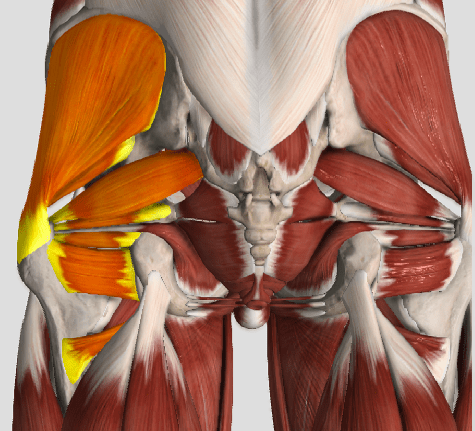
Piriformis syndrome is a condition where the sciatic nerve is compressed as it passes underneath a muscle in your buttock called the piriformis. This muscle attaches from the sacrum (the lowest part of your spine) and extends across to your hip, helping to rotate your leg outward when it contracts. For most people, the sciatic nerve travels deep beneath the piriformis muscle. However, if the piriformis muscle becomes irritated or goes into spasm, it can cause painful compression of the sciatic nerve. Interestingly, about a quarter of the population is more likely to suffer from piriformis syndrome because their sciatic nerve passes through the muscle rather than underneath it.

Causes of Piriformis Syndrome

Piriformis syndrome can start suddenly due to an injury or develop gradually from repeated irritation. Common causes include:

  • Falls onto the buttocks
  • Catching oneself from a near fall
  • Strains
  • Long-distance walking
  • Stair climbing
  • Sitting on hard surfaces or wallets

In many cases, a specific triggering event cannot be pinpointed. This condition is most common in people aged 40-60 and affects women more often than men.

Symptoms of Piriformis Syndrome

Symptoms of piriformis syndrome include:

  • Pain, numbness, or tingling that begins in the buttock and radiates along the sciatic nerve toward the foot.
  • Symptoms often increase when sitting or standing in one position for more than 15-20 minutes.
  • Changing positions may help alleviate symptoms.
  • Increased discomfort when walking, running, climbing stairs, riding in a car, sitting cross-legged, or getting up from a chair.

Effective Treatments for Piriformis Syndrome

Sciatica arising from piriformis syndrome is one of the most treatable forms of sciatica and generally responds well to the type of treatment provided at our office. Here are some effective treatment options:

1. Chiropractic Adjustments

Chiropractors can perform adjustments to help relieve pressure on the sciatic nerve and improve overall spinal alignment, reducing irritation of the piriformis muscle.

2. Massage Therapy

Massage can help relax the piriformis muscle, reduce spasms, and alleviate sciatic nerve compression.

3. Physical Therapy

Physical therapists can guide you through specific exercises to stretch and strengthen the piriformis muscle and surrounding muscles, promoting better muscle balance and reducing pressure on the sciatic nerve.

4. Acupuncture

Acupuncture can help relieve muscle tension and improve blood flow, reducing pain and promoting healing.

5. Home Care and Exercises

Applying an ice pack to your buttock for 15-20 minutes at a time, several times throughout the day, can provide relief. Additionally, home stretching exercises are an important part of your recovery. Here are some stretches you can try:

  • Piriformis Stretch: Lie on your back with both knees bent. Cross the affected leg over the other, resting the ankle on the opposite knee. Gently pull the bottom knee toward your chest until you feel a stretch in the buttock.
  • Hamstring Stretch: Sit on the ground with your legs extended straight out. Reach toward your toes, keeping your back straight, until you feel a stretch along the back of your thighs.

Conclusion

Piriformis syndrome can be a painful and debilitating condition, but with proper treatment, it is highly manageable. If you suspect you have piriformis syndrome, consult with a healthcare professional for an accurate diagnosis and personalized treatment plan. At River East Chiropractic, we offer comprehensive care, including chiropractic adjustments, acupuncture, massage therapy, occupational therapy, and access to a full gym, to help you find relief from piriformis syndrome and get back to your favorite activities.

Contact us today to schedule an appointment and start your journey toward a pain-free life. Don’t forget to follow us on social media for more health tips and updates!

Understanding Facet Syndrome: Causes, Symptoms, and Effective Treatment

The lower back, comprised of stacked vertebrae separated by intervertebral discs, forms a flexible and supportive structure. Each vertebra features a front body and posterior facets, which articulate with adjacent vertebrae. When these facet joints become irritated and inflamed, a condition known as facet syndrome occurs. Sprains, strains, improper joint movement, injury, overuse, arthritis, and obesity are common culprits.

Symptoms of facet syndrome typically manifest as unilateral back pain, which may radiate into the flank, hip, and thigh, worsening with backward arching or returning to an upright position. Relief is often experienced when lying down, and symptoms rarely extend beyond the knee. Notify your chiropractor of any symptoms below the knee, weakness, groin numbness, bowel or bladder changes, or fever.

Prolonged facet irritation can lead to arthritis, but effective treatment options are available. Supportive footwear, activity modification, and regular breaks from sitting are recommended. Your chiropractor may suggest heat or ice therapy and advise against prolonged bed rest while encouraging light physical activity. Yoga has shown benefits for back pain sufferers.

Your chiropractor can provide personalized treatment to alleviate facet syndrome symptoms and promote healing. By addressing underlying issues and implementing appropriate interventions, you can improve function and quality of life while managing facet syndrome effectively.

#Chiropractic #Wellness #FitLife #Fitness #Winnipeg

Effective Treatment for Low Back Pain and Joint Restrictions with Chiropractic Care

Low back pain is a pervasive issue, affecting 80% of the population at some juncture in life and one-third annually. Often stemming from slightly misaligned or restricted joints in the spine, this discomfort disrupts normal functioning and quality of life.

Comprising five stacked bones with interposed discs for flexibility, the lower back ideally allows for independent movement of each spinal joint. However, our examination may reveal lumbar segmental joint restriction, colloquially termed “subluxation,” indicating slight misalignment and restriction. Analogous to a spring with welded sections, restricted joints impede spinal flexibility and function.

Various factors contribute to joint restriction, including accidents, repetitive strains, and poor posture. Lifestyle habits such as being overweight, smoking, and strenuous work exacerbate the risk. Joint restrictions trigger a cycle of discomfort, initiating inflammation and muscular guarding, perpetuating restriction and potentially causing compensatory issues elsewhere in the spine.

Typically manifesting as local tenderness and restricted range of motion, back pain from joint restriction may radiate to hips or thighs. Inform your chiropractor of any symptoms such as pain radiation below the knee, weakness, or changes in bowel/bladder function.

Untreated, long-standing restrictions may lead to arthritis, akin to misaligned car wheels causing tire wear. Fortunately, chiropractic care offers safe and effective treatment for joint restrictions. Our practice provides various tools to alleviate pain and expedite recovery, complemented by lifestyle adjustments like wearing supportive shoes and incorporating regular breaks from sedentary activities. Additionally, yoga classes may offer supplementary benefits for back pain management.

Recognizing the prevalence and treatability of low back pain underscores the importance of proactive management. By addressing joint restrictions promptly and adopting supportive lifestyle practices, individuals can mitigate discomfort and optimize spinal health. With chiropractic care as a cornerstone of treatment, individuals can reclaim mobility, alleviate pain, and restore overall well-being.

Impact of Smoking, Alcohol, and Obesity on Low Back Pain: Insights from 26 Million Individuals

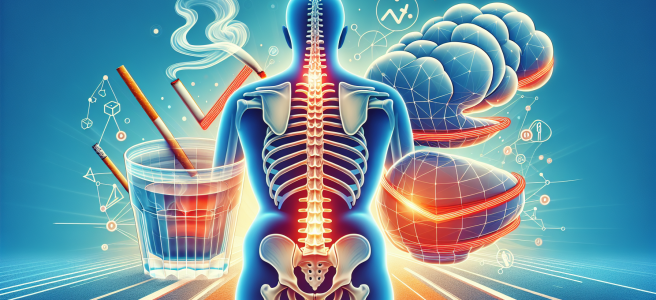
The latest research presented at the American Academy of Orthopedic Surgeons annual meeting delves into the intricate interplay between lifestyle factors and the prevalence of low back pain, shedding light on the profound impact of behaviors such as smoking, alcohol consumption, and obesity on musculoskeletal health. Drawing upon a comprehensive analysis of data encompassing 26 million individuals, researchers uncovered compelling associations between these modifiable risk factors and the incidence of low back pain.

The study revealed that individuals who engage in habitual smoking, exhibit excessive alcohol consumption, and/or are classified as obese face a significantly elevated risk of experiencing low back pain compared to their counterparts who abstain from these behaviors and maintain a healthy weight. Specifically, smokers, alcohol-dependent drinkers, and obese individuals were found to be between four and five times more likely to report current back pain symptoms.

These findings underscore the multifaceted nature of low back pain etiology, highlighting the pivotal role of lifestyle choices in shaping musculoskeletal health outcomes. Smoking, for instance, is known to compromise blood flow to the spinal tissues, impair healing processes, and exacerbate inflammation, thereby contributing to the onset and persistence of back pain symptoms. Similarly, excessive alcohol consumption can disrupt sleep patterns, exacerbate inflammation, and impair bone density, all of which may predispose individuals to musculoskeletal discomfort.

Obesity, characterized by excess adiposity and increased mechanical stress on the spine, represents another significant risk factor for low back pain. The added strain placed on spinal structures by carrying excess weight can lead to structural abnormalities, musculoskeletal imbalances, and chronic pain conditions, perpetuating a cycle of discomfort and functional impairment.

In light of these findings, there exists a compelling imperative to promote healthier lifestyle choices and facilitate behavior change interventions aimed at mitigating the burden of low back pain. By empowering individuals to adopt smoking cessation strategies, moderate their alcohol intake, and achieve and maintain a healthy weight through regular exercise and balanced nutrition, healthcare providers can play a pivotal role in preventing and managing musculoskeletal disorders.

Furthermore, these findings underscore the importance of adopting a comprehensive, multidisciplinary approach to low back pain management. In addition to addressing the physical manifestations of pain through targeted interventions such as manual therapy, exercise, and pharmacotherapy, healthcare providers must also prioritize lifestyle modifications and holistic wellness strategies to address the underlying drivers of musculoskeletal discomfort and promote long-term musculoskeletal health and well-being. Through collaborative efforts between patients, healthcare providers, and policymakers, we can strive to create environments that support healthier behaviors and empower individuals to live pain-free, active lives.

American Academy of Orthopaedic Surgeons, March 2015

Chronic Low Back Pain and Insomnia: Uncovering the Alarming Connection

The detrimental impact of inadequate sleep on overall health and well-being is well-documented, with previous research linking poor sleep quality to a myriad of adverse health outcomes, including hypertension, type 2 diabetes, obesity, depression, cardiovascular events such as heart attack and stroke, among others. Building upon this body of evidence, a team of South Korean researchers embarked on a study aimed at investigating the relationship between chronic low back pain and insomnia.

Surveying a cohort of 481 chronic low back pain patients, the researchers uncovered a striking association between back pain and sleep disturbances. Alarmingly, 43% of the participants reported experiencing mild-to-severe insomnia following the onset of back pain, underscoring the profound impact of musculoskeletal discomfort on sleep quality.

Moreover, the study revealed that chronic low back pain patients with concurrent musculoskeletal pain in at least one other body site were more than eight times as likely to report sleeping difficulties compared to those experiencing isolated back pain. This finding highlights the compounding effect of multisite musculoskeletal pain on sleep disruption, further exacerbating the burden of chronic pain and sleep deprivation on individuals’ overall health and quality of life.

The intricate interplay between chronic pain and sleep disturbances underscores the importance of adopting a comprehensive, multidisciplinary approach to pain management. By addressing both the physical manifestations of pain and the underlying sleep disturbances, healthcare providers can effectively mitigate the impact of chronic musculoskeletal conditions on sleep quality and overall well-being.

Furthermore, these findings underscore the need for early intervention and holistic treatment strategies aimed at alleviating both pain and sleep disturbances among individuals with chronic low back pain. By prioritizing sleep hygiene practices, implementing targeted pain management interventions, and fostering a supportive therapeutic environment, healthcare providers can empower patients to reclaim restorative sleep and regain control over their lives despite the challenges posed by chronic pain.

The Korean Journal of Pain, April 2015

Massage Therapy: More Than Just Relaxation

When many people think of massage therapy, they envision a luxurious spa treatment reserved for special occasions or a way to unwind and relax after a long day. While massage certainly has its relaxing benefits, its scope extends far beyond mere relaxation. In this article, we’ll delve into the multifaceted benefits of massage therapy and explore its therapeutic value beyond relaxation.

1. Stress Reduction

Let’s start with the most commonly known benefit: stress reduction. Massage therapy has a profound ability to induce relaxation by calming the nervous system, reducing cortisol levels (the stress hormone), and promoting the release of endorphins (natural mood elevators). Regular massage sessions can help manage stress levels and improve overall well-being.

2. Pain Management

Massage therapy is widely recognized for its effectiveness in managing various types of pain, including musculoskeletal pain, chronic pain conditions, and pain associated with injuries or medical conditions. Through techniques such as Swedish massage, deep tissue massage, and myofascial release, massage therapists can alleviate tension, reduce inflammation, and improve circulation, resulting in pain relief and increased mobility.

3. Improved Circulation

Massage therapy promotes better blood circulation throughout the body, which delivers oxygen and nutrients to tissues and facilitates the removal of metabolic waste products. Enhanced circulation can aid in the healing process, reduce swelling and inflammation, and contribute to overall cardiovascular health.

4. Enhanced Range of Motion and Flexibility

Regular massage therapy can help improve flexibility and range of motion by stretching and loosening tight muscles, breaking up adhesions and scar tissue, and increasing joint mobility. This can be especially beneficial for athletes, individuals recovering from injuries, or those with musculoskeletal conditions such as arthritis.

5. Immune System Support

Massage therapy has been shown to have immune-boosting effects by stimulating the lymphatic system, which plays a key role in immune function and detoxification. By promoting lymphatic drainage, massage therapy helps rid the body of toxins and waste products, thereby supporting immune health and enhancing the body’s natural defense mechanisms.

6. Mental and Emotional Well-being

Beyond its physical benefits, massage therapy can have profound effects on mental and emotional well-being. Studies have demonstrated that massage can reduce symptoms of anxiety, depression, and insomnia, as well as improve mood, promote relaxation, and enhance overall quality of life.

7. Rehabilitation and Injury Prevention

Massage therapy is often incorporated into rehabilitation programs to aid in recovery from injuries, surgeries, or athletic training. By promoting tissue healing, reducing scar formation, and preventing muscle imbalances, massage therapy can help accelerate the rehabilitation process and minimize the risk of future injuries.

In conclusion, massage therapy offers a multitude of benefits beyond relaxation, ranging from pain management and stress reduction to improved circulation, flexibility, and immune function. Whether you’re seeking relief from chronic pain, recovering from an injury, or simply looking to enhance your overall well-being, regular massage therapy sessions can be an invaluable component of your self-care routine.