Teens & Headaches? What?

Migrane

In 2016, researchers at Curtin University in Perth examined the seated posture and health data of 1,108 17-year olds in an effort to determine if any particular posture increased the risk of headaches/neck pain among late adolescents.

Among four posture subgroups—upright, intermediate, slumped thorax, and forward head—the researchers observed the following: participants who were slumped in their thoracic spine (mid-back region) and had their head forward when they sat were at higher odds of having mild, moderate, or severe depression; participants classified as having a more upright posture exercised more frequently, females were more likely to sit more upright than males; those who were overweight were more likely to sit with a forward neck posture; and taller people were more likely to sit upright.

While they found biopsychosocial factors like exercise frequency, depression, and body mass index (BMI) ARE associated with headaches and neck pain, their data did not suggest any one particular posture increased the risk of neck pain or headaches more than any other posture among the teenagers involved in the study.

This is noteworthy as studies with adults do indicate the risk for neck pain and headaches is greater in individuals with poor neck posture. In particular, postures such as forward head carriage, pinching a phone between the ear and shoulder, and prolonged neck/head rotation outside of neutral can all increase the risk of cervical disorders. This suggests that in younger bodies, the cause of neck pain and headaches may be multifactoral and not limited to just poor posture and that treatment must address all issues that may increase one’s risk for neck pain/headaches in order to reach a desired outcome.

The good news is that chiropractic has long embraced the biopsychosocial model of healthcare, looking at ALL factors that affect back and neck pain and quality of life. Through patient education, spinal manipulation, mobilization, exercise training, the use of modalities, and more, chiropractors can greatly help those struggling with neck pain and headaches!

“Other” Causes of Low Back Pain

316046269_1280x720

Between 80% and 90% of the general population will experience an episode of lower back pain (LBP) at least once during their lives. When it affects the young to middle-aged, we often use the term “non-specific LBP” to describe the condition. The geriatric population suffers from the “aging effects” of the spine—things like degenerative joint disease, degenerative disk disease, and spinal stenosis. Fractures caused by osteoporosis can also result in back pain.

The “good news” is that there are rare times when your doctor must consider a serious cause of LBP. That’s why he or she will ask about or check the following during your initial consultation: 1) Have you had bowel or bladder control problems? (This is to make sure a patient doesn’t have “cauda equina syndrome”—a very severely pinched nerve.) 2) Take a patient’s temperature and ask about any recent urinary or respiratory tract infections to rule out spinal infections. 3) To rule out cancer, a doctor may ask about a family or personal history of cancer, recent unexplained weight loss, LBP that won’t go away with time, or sleep interruptions that are out of the ordinary. 4) To rule out fractures, a doctor may also take x-rays if a patient is over age 70 regardless of trauma due to osteoporosis, over age 50 with minor trauma, and at any age with major trauma.
Once a doctor of chiropractic can rule out the “dangerous” causes of LBP, the “KEY” form of treatment is giving reassurance that LBP is manageable and advise LBP sufferers of ALL ages (especially the elderly) to KEEP MOVING! Of course, the speed at which we move depends on many things—first is safety, but perhaps more importantly is to NOT BECOME AFRAID to do things! As we age, we gradually fall out of shape and end up blaming our age for the inability to do simple normal activities. Regardless of age, we must GRADUALLY increase our activities to avoid the trap of sedentary habits resulting in deconditioning followed “fear avoidant behavior!”
Here are a few “surprising” reasons your back may be “killing you”: 1) You’re feeling down – That’s right, having “the blues” and more serious mood disorders, like depression, can make it more difficult to cope with pain. Also, depression often reduces the drive to exercise, may disturb sleep, and can affect dietary decisions—all of which are LBP contributors. 2) Your phone – Poor posture caused by holding a phone between your bent head and shoulder (get a headset!) or prolonged mobile phone use can increase your risk for spinal pain. 3) Your feet hurt, which makes you walk with an altered gait pattern, forcing compensatory movements up the “kinetic chain” leading to LBP. 4) Core muscle weakness, especially if you add to that a “pendulous abdomen” from being overweight—this is a recipe for disaster for LBP. 5) Tight short muscles such as hamstrings, hip rotator muscles, and/or tight hip joint capsules are common problems that contribute to LBP. Stretching exercises can REALLY help!

Pregnancy and Low Back Pain?

40

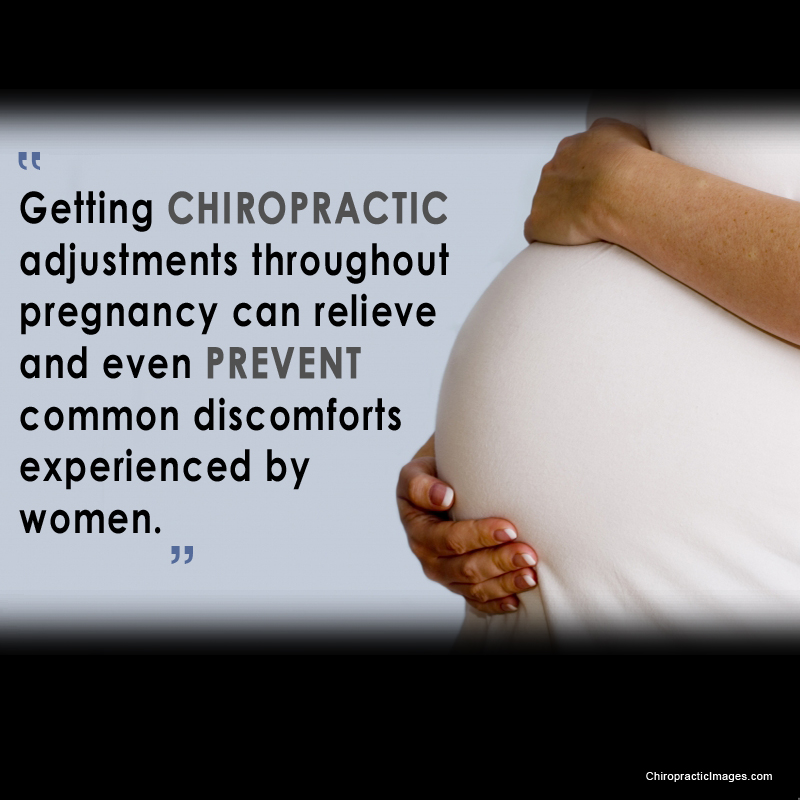
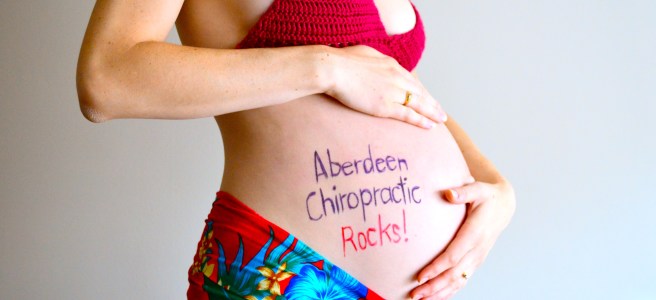
Did you know that 50-72% of women have low back pain (LBP) and/or pelvic pain during their pregnancy but only 32% do something about it? Let’s look closer!


Pregnancy-related low back pain (PLBP) can be a highly debilitating syndrome that accounts for the most common cause of sick leave for pregnant women. In 2004, Americans spent $26.1 billion dollars in an effort to find relief from back pain during pregnancy. Statistics show one out of ten women will experience daily DISABLING LBP for at least two years following delivery.


Because of the limited number of treatment options available for the pregnant woman due to mother and fetus safety, and given the high propensity of potentially disabling PLBP that can significantly limit function and quality of life, chiropractic care seems to be a natural choice for this patient population! Obviously, pharmaceuticals and surgery are NOT appropriate options for the expectant mother, even during the post-partum breast-feeding time period. Chiropractic offers a non-invasive and safe approach to managing lumbopelvic pain that uses many different approaches.


In a 2009 research paper, 78 women participated in a study that investigated disability, pain intensity, and percent improvement after receiving chiropractic care to treat pregnancy-related PLBP. Here, 73% reported their improvement as either “excellent” or “good.” For disability and pain, 51% and 67% (respectively) experienced clinically significant improvement! Researchers followed up with them eleven months later and found 85.5% reported their improvement as either “excellent” or “good!” For disability and pain, 73% and 82% (respectively) experienced clinically significant improvement!
So, what’s causing LBP in pregnant women? Because of the biomechanical changes that occur in the low back and pelvis over a relatively short amount of time during pregnancy, especially in the second and third trimesters, common pain generators include (but are not limited to): the sacroiliac joint, facet joints, shock-absorbing disks, and the many connecting muscles (strains) and ligaments (sprains). During the later stages of pregnancy, the hormone Relaxin prepares the pelvis for delivery by widening the pelvic girdle, which can also be problematic.


Treatment options within chiropractic often include spinal manipulation, lumbopelvic exercises, patient education, posture correction, massage, an SI belt, soft tissue mobilization, and more. Exercises that target the transverse abdominus, multifidus, and pelvic floor muscles help to stabilize the lumbopelvic region. The American College of Obstetricians & Gynaecologists recommends exercise at least three times a week during pregnancy, and studies report NO obstetric complications (pre-term labor, premature ruptured membranes, or changes to maternal or neonatal weight) with exercise.


So, the answer is clear! When PLBP strikes, seek chiropractic care to safely and effectively manage the pain and disability and so you can ENJOY YOUR PREGNANCY!!!
We realize you have a choice in whom you consider for your health care provision and we sincerely appreciate your trust in choosing our service for those needs.  If you, a friend, or family member requires care for back pain, we would be honoured to render our services.

Why Does My Back Hurt?

It’s been said that if you haven’t had back pain, just wait, because (statistically) some day you will! The following list is a list of “causes” that can be easily “fixed” to reduce your risk for a back pain episode.
1. MATTRESS: Which type of mattress is best? The “short answer”: there is no single mattress (style or type) for all people, primarily due to body type, size, gender, and what “feels good.” TRY laying on a variety of mattresses (for several minutes on your back and sides) and check out the difference between coiled, inner springs, foam (of different densities), air, waterbeds, etc. The thickness of a mattress can vary from 7 to 18 inches (~17-45 cm) deep. Avoid mattresses that feel like you’re sleeping in a hammock! A “good” mattress should maintain your natural spinal curves when lying on your sides or back (avoid stomach sleeping in most cases). Try placing a pillow between the knees and “hug” a pillow when side sleeping, as it can act like a “kick stand” and prevent you from rolling onto your stomach. If your budget is tight, you can “cheat” by placing a piece of plywood between the mattress and box spring as a short-term fix.
2. SHOES: Look at the bottom of your favorite pair of shoes and check out the “wear pattern.” If you have worn out soles or heels, you are way overdue for a new pair or a “re-sole” by your local shoe cobbler! If you work on your feet, then it’s even more important for both managing and preventing LBP!
3. DIET: A poor diet leads to obesity, which is a MAJOR cause of LBP. Consider the Paleo or Mediterranean Diet and STAY AWAY from fast food! Identify the two or three “food abuses” you have embraced and eliminate them – things with empty calories like soda, ice cream, chips… you get the picture! Keeping your BMI (Body Mass Index) between 20 and 25 is the goal! Positive “side-effects” include increased longevity, better overall health, and an improved quality of life!
4. EXERCISE: The most effective self-help approach to LBP management is exercise. Studies show those who exercise regularly hurt less, see doctors less, have a higher quality of life, and just feel better! This dovetails with diet in keeping your weight in check as well. Think of hamstring stretches and core strengthening as important LBP managers – USE PROPER TECHNIQUE AND FORM; YOUR DOCTOR OF CHIROPRACTIC CAN GUIDE YOU IN THIS PROCESS!
5. POSTURE: Another important “self-help” trick of the trade is to avoid sitting slumped over with an extreme forward head carriage positions. Remember that every inch your head pokes forwards places an additional ten pounds (~4.5 kg) of load on your upper back muscles to keep your head upright, and sitting slumped increases the load on your entire back!
We have only scratched the surface of some COMMON causes and/or contributors of back pain. Stay tuned next month as we continue this important conversation!
We realize you have a choice in whom you consider for your health care provision and we sincerely appreciate your trust in choosing our service for those needs.  If you, a friend, or family member requires care for back pain, we would be honored to render our services.

Patellofemoral Pain Syndrome

knock knee

Patellofemoral pain syndrome (PFPS), also called “Runners Knee”, describes the symptom complex of knee discomfort, swelling, or crepitus that results from excessive or imbalanced forces acting on the joint. It is the most common cause of knee pain in the general population, affecting an estimated 25% of adults.

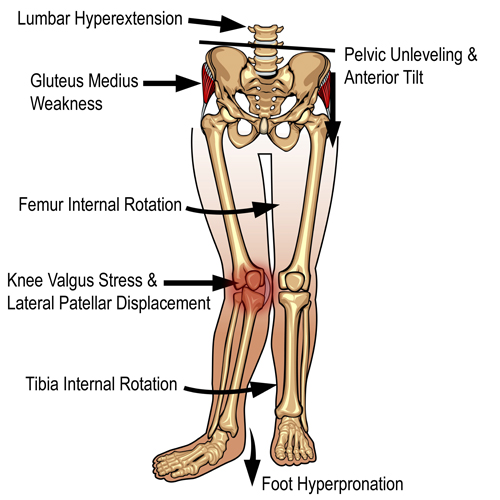
PFPS is most commonly related to lateral tracking of the patella. The patella has a natural tendency to migrate laterally due to the pull of the quadriceps and the slight natural valgus of the lower extremity. A new study in the Journal of Sports Medicine (1) provides additional confirmation that when managing patellofemoral pain syndrome, clinicians must address two critical yet often overlooked issues.

This study concludes that PFPS and dynamic knee valgus do not arise primarily from knee dysfunction, rather from hip abductor/ external rotator weakness and/or foot hyperpronation.

“The most effective intervention programs included exercises targeting the hip external rotator and abductor muscles and knee extensor muscles.” and “PFPS patients with foot abnormalities, such as those with increased rearfoot eversion or pes pronatus, may benefit the most from foot orthotics.”

Since gluteus medius and VMO weakness are key factors in the development of PFPS, strengthening exercises that target those muscles prove most effective. Stabilization exercises may include pillow push (push the back of your knee into a pillow for 5-6 seconds), supine heel slide, terminal knee (short-arc) extension, clam, glut bridge, semi-stiff deadlift, posterior lunge, and monster walk.

Myofascial release and stretching should be directed at hypertonic muscles, including the TFL, gastroc, soleus, hamstring, piriformis, hip rotators, and psoas. Myofascial release or IASTM may be appropriate for tightness in the iliotibial band, vastus lateralis, posterior hip capsule, and lateral knee retinaculum.

Manipulation may be necessary for restrictions in the lumbosacral and lower extremity joints. Hypermobility is common in the ipsilateral SI joint with restrictions present contralaterally. Evidence has shown that patellar tracking braces, i.e. BioSkin® or PatellaPro®, may lead to better outcomes.

Lifestyle modification may be necessary to reduce pain-provoking endeavors, especially running, jumping and other activities that induce a valgus stress. Athletes should avoid allowing their knee to cross in front of their toes while squatting. Arch supports or custom orthotics may be necessary to correct hyperpronation. Runners should avoid cross-over gaits and change shoes every 250 to 500 miles.

.

.

.

.

.

.

.

#pain

#kneepain

#chiropractic

#fitness

#sports

#wellness

#fitness

#healthyliving

#healthychoices

#Winnipeg

References

1. Petersen W, Rembitzki I, Liebau C. Patellofemoral pain in athletes. Open Access Journal of Sports Medicine. 2017;8:143-15

Do you have CTS?

Carpal Tunnel

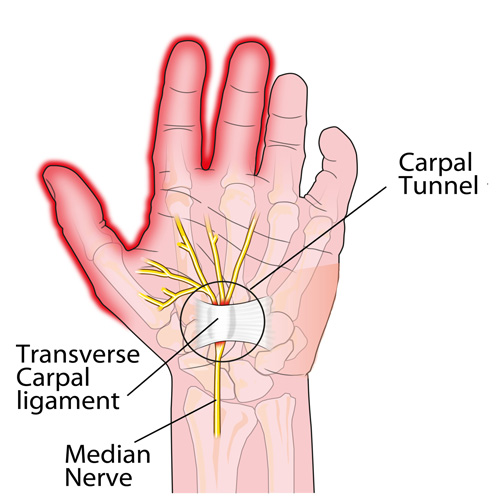
Carpal tunnel syndrome (CTS) can be an extremely painful and activity-limiting condition. It affects many people of all ages and genders, though women are affected more often than men. But how do you know if what you are suffering from is truly CTS or if it’s another condition that’s producing the symptoms in your hand or wrist?
Carpal tunnel syndrome occurs when the median nerve is compressed as it passes through the wrist. However, the median nerve travels out of the neck, through the shoulder, elbow, and forearm before it passes through the wrist and into the hand. Pinching of the median nerve ANYWHERE along its course can give rise to the signs and symptoms of CTS including numbness, tingling, and/or pain into the hand and index, third, and thumb-side half of the fourth digits, and sometimes the thumb. If the pinch is significant enough, weakness can also occur. Sometimes the median nerve can become compressed at both the wrist and other body sites as it travels from the spinal cord to your hand, that’s why it’s important for a doctor to check for impingements along the entire course of the nerve.
 
But compression of the median nerve isn’t the only thing that can produce symptoms in the hand. Here are a couple of the more common conditions that are often confused with CTS:
1)  Ulnar neuropathy: This is pinching of the ulnar nerve (at the neck, shoulder, elbow, or wrist) but this gives rise to a similar numbness/tingling BUT into the pinky-side of the fourth and the fifth fingers (not the thumb-side of the hand). The most common pinch location is either at the neck or the inner elbow, the latter of which is called “cubital tunnel syndrome” or CuTS.
 
2)  Tendonitis: There are a total of nine tendons that pass through the carpal tunnel that help us grip or make a fist. Similarly, there are five main tendons on the back side of the hand that allow us to open our hands and spread our fingers. ANY of these tendons can get strained or torn, which results in swelling and pain as well as limited function BUT there is usually NO NUMBNESS/TINGLING!
 
3)  DeQuervain’s disease: This is really a tendonitis of an extensor tendon of the thumb and its synovial sheath that lubricates it resulting in a “tenosynovitis.” This creates pain with thumb movements, especially if you grasp your thumb in the palm of your hand and then bend your wrist sideways towards the pinky-side of the hand.
 
Chiropractors are well-trained to diagnose and treat patients with CTS. And if you don’t have CTS but another condition listed above, they can offer treatment (or a referral, if necessary) to help resolve it so you can return to your normal activities as soon as possible.

Unlocking the Mysteries of Acupuncture: From Qi to Neurotransmitters

Acupuncture is a centuries-old healing practice that originated in ancient China and has since gained popularity worldwide for its effectiveness in treating a wide range of health conditions. But how exactly does acupuncture work? In this article, we’ll explore the science behind acupuncture and shed light on its mechanisms of action.

Understanding Traditional Chinese Medicine

Before delving into the scientific aspects of acupuncture, it’s important to understand the principles of Traditional Chinese Medicine (TCM) upon which it is based. According to TCM theory, the body’s vital energy, known as Qi (pronounced “chee”), flows through meridians or pathways in the body. When the flow of Qi is disrupted or blocked, illness and pain can result.

Acupuncture Points and Meridians

Acupuncture involves the insertion of thin needles into specific points on the body known as acupuncture points or acupoints. These points are located along the meridians and are believed to correspond to different organs and functions in the body. By stimulating these points, acupuncturists aim to restore the balance and flow of Qi, promoting healing and well-being.

Scientific Explanations for Acupuncture

While the concepts of Qi and meridians may seem abstract to some, modern research has provided scientific explanations for the effects of acupuncture. Here are some of the key mechanisms by which acupuncture is believed to work:

1. Stimulation of Nerve Endings: Acupuncture needles stimulate nerve endings in the skin and muscles, sending signals to the brain. This can trigger the release of neurotransmitters such as endorphins and serotonin, which have pain-relieving and mood-enhancing effects.

2. Modulation of Neurotransmitters: Acupuncture has been shown to influence the levels of various neurotransmitters in the brain, including opioid peptides, which are natural painkillers produced by the body. By modulating these neurotransmitters, acupuncture can help regulate pain perception and mood.

3. Regulation of Blood Flow: Acupuncture can affect blood flow to specific areas of the body, promoting circulation and delivering oxygen and nutrients to tissues. Improved blood flow can aid in the healing process and reduce inflammation and pain.

4. Activation of the Autonomic Nervous System: Acupuncture has been found to activate the autonomic nervous system, which controls involuntary bodily functions such as heart rate, digestion, and immune response. This activation can have widespread effects on various physiological processes in the body.

5. Regulation of Neuroendocrine Pathways: Acupuncture can influence the release of hormones and other signaling molecules involved in the body’s stress response and immune function. By regulating these neuroendocrine pathways, acupuncture can help restore balance and promote health.

In conclusion, acupuncture may have ancient roots, but its efficacy is supported by modern scientific research. By stimulating specific points on the body, acupuncture can trigger a variety of physiological responses that promote healing and alleviate symptoms. Whether you’re seeking relief from pain, stress, or other health concerns, acupuncture offers a safe and effective treatment option backed by both tradition and science.