Food Myth #6: Energy Drinks Are Better Than Soda

nitrousmonster

Red Bull, Monster and their brethren aim to give you a bump in energy with a giant dose of sugar, B vitamins, caffeine and “herbal extracts”. I’d imagine you’re already thinking “this sounds like a bad thing that I should avoid” but in case you aren’t…..

A 16 ounce can of this stuff packs a whopping 280 (!) calories of SUGAR in it which is about 80 calories more than the same sized serving of Pepsi or Coke. Still drinking this stuff? Great, I’ll pass along a few dentist contacts as well since a University of Maryland study showed that they are also 11% more corrosive on your teeth than soft drinks.

Drink more water, tea, black coffee and avoid anything with EXTREME or NEON on the can and you’ll be fine…….


Food Myth #5: High Fructose Corn Syrup is worse than other sugars.

sugar-skull-man-does-super-super-size-me-500x366

Sugar is everywhere and most don’t even know it.

Dextrose, sucrose, rice syrup, maltodextrin….. All sugars and all affect our bodies the same way. While these monikers may not be as well known or as much maligned as high fructose corn syrup they are just as much of a health inhibitor as HFCS and good old table sugar.

While HFCS has long been seen as the worst of a bad bunch, a 2014 review of multiple studies found there was no difference in blood glucose changes between HFCS or table sugar. Basically, your body can’t tell one from the other and all the cigars mentioned above cause similar reactions in your body. Sugar is sugar.

The biggest issue with HFCS? It is EVERYWHERE. In order to reduce your sugar intake you’ll need to know many terms for sugars and keep an eye on what you’re eating day in and day out.


http://www.eatthis.com/29-nutrition-myths-busted/


Food Myth #4

cashew-nut-1098177_960_720.jpg

Nuts are junk food and should be avoided

Nut-uh. Nuts are a great source of protein, healthy fats and nutrient but are relatively high in calories. As a result they are a great snack but you need to keep an eye on portion control.

Recent research at Harvard (heard of them?) showed that women who ate a handful of nuts 5 times a week as a snack were 20% less likely to develop type II diabetes as those that didn’t. Also, several studies have shown that having nuts as a regular part of your diet helps protect against heart disease.

Now, this isn’t licence to crush all the peanuts you want when you’re watching the game… Be smart about your intake and look for nuts like almonds, brazils, cashews, macadamias and pistachios that aren’t swimming in (admittedly delicious) salt and oil.

So when you’re planning your snacks for the Super Bowl or the next Jets game, go nuts.


Food Myth #3

how-much-cholesterol-in-eggs

Avoid eggs because of their cholesterol content.

Eggs got a bad rep years ago because we thought they contributed to a rise in levels of LDL (Bad) cholesterol. The most recent research shows that eggs don’t actually contribute to high cholesterol at all and are a great source of iron, zinc, lutein, vitamin D and choline, not to mention a cheap, easy source of protein.

So go ahead with your eggs tomorrow morning! You’ll be healthier for it.


eggs.png


https://www.heartfoundation.org.au/healthy-eating/food-and-nutrition/protein-foods/eggs
https://www.eatrightontario.ca/en/Articles/Heart-Health/Understanding-Eggs-and-Cholesterol-How-many-eggs.aspx
https://www.health.harvard.edu/heart-health/are-eggs-risky-for-heart-health

Food Myth #2

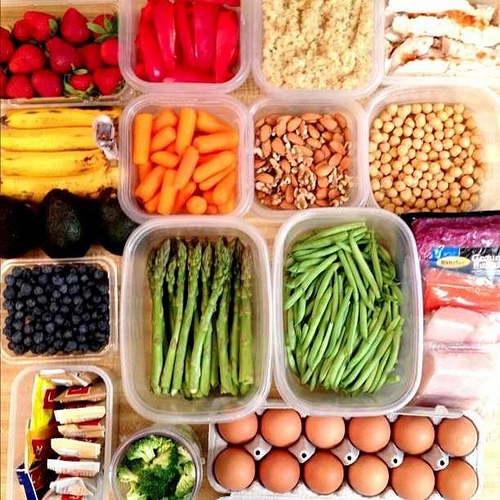
Meal Prep

Mixing Carbs, Fats & Proteins is hard on digestion

I’ve heard this myth from people for years and I have no clue where it came form. The idea is that by combining foods you will overwhelm your digestive system and minimize proper absorption of nutrients.

In reality, there is zero science to back this up. Your body is more than capable of dealing with multiple food type as soon as they enter your system. The acids in your stomach will start working on every ounce of food you ingest without fail regardless of the make up of your meal.

Trying to separate carbs, proteins and fats into individual meals over the course of the day while also trying to eat healthy is an unnecessary complication to an already complicated process. Enjoy balanced, healthy meals without worrying about the processes your body uses to get the nutrients into your system.

Food Myth Series

01-signs-healthy-fats-mufa.jpg

Over the next few weeks we will be addressing some common food myths that, frankly, drive us a little bit crazy when we hear them. Hopefully we are able to clarify some common misconceptions regarding diet and how what you eat affects how you feel and perform.

We are always open to discussion and want to hear any food myths you have heard in your travels that made you go “What?”.

So, without further delay, food myth #1:

Eating Fats Is Unhealthy

Generations of now adults have been brainwashed into believing that fats = getting fat by the Canada Food Guide. This is simply not the case. While some fats are unhealthy, plenty more have benefits that you won’t find elsewhere. A lower calorie eating plan that includes healthy fats can help people lose more weight than a similar diet that’s low in fat, according to a study in the International Journal of Obesity. Fats make food taste better, keep you fuller and help prevent overeating.

It is true that fats have more calories per gram than proteins and carbs but those calories come with health benefits that the others don’t. Healthy fats like the ones found in salmon, olive oil, nuts and avocados are key to several healthy living goals including:

1. They are a major fuel source for your body (meaning they provides a lot of calories) and are also the main way you store energy.
2. You need fat to help you absorb certain nutrients, such as fat-soluble vitamins (vitamins A, D, E and K) and antioxidants (like lycopene and beta-carotene).
3. Fats are important in giving your cells structure.
4. Omega-3 fats, a type of unsaturated fat, are important for optimum nerve, brain and heart function.

One type of fat you don’t need? Trans fats, an artificial kind of fat found in partially hydrogenated oils and a main ingredient in the food frying process (delicious, yes, but very unhealthy).

Source

So there you go, a quick overview of why fats are important in every healthy diet. Come back next week for more food myth-busting.

health-fats-for-your-heart.jpg


The Best Diet For Fibromyalgia?

Anti-Inflam

Fibromyalgia (FM) and its cause remains a mystery, but most studies suggest that FM is NOT the result of a single event but rather a combination of many physical, chemical, and emotional stressors.

The question of the month regarding the BEST FM diet is intriguing since one might assume that the many causes should mean that there isn’t one dietary solution. But is that true? Could there be a “best diet” to help ease the symptoms from such a multi-faceted disorder?

Certainly, healthy eating is VERY important for ALL of us regardless of our current ailment(s). Obesity is rampant largely due to the fact that 60% of the calories consumed by the “typical” American center around eating highly inflaming food that include those rich in Sugar, Omega-6 oil, Flour, and Trans fats (“SOFT” foods, if you will!). Obesity has been cited as “an epidemic” largely due to kids and adults becoming too sedentary (watching TV, playing on electronic devices, etc.) and eating poorly.

Perhaps the BEST way to manage the pain associated with FM and to maintain a healthy BMI (Body Mass Index, or ratio between height and weight) is to substitute ANTI-INFLAMING foods for those that inflame (or SOFT foods).

You can simplify your diet by substituting OUT “fast foods” for fruits, vegetables, and lean meats. So there you have it. It’s that simple. The problem is making up your mind to change and then actually doing it. Once these two things take place, most everyone can easily “recalibrate” their caloric intake and easily adapt.

Not only have studies shown that chronic illnesses like heart disease, stroke, and diabetes significantly benefit by following this simple dietary shift, but so does pain arising from the musculoskeletal system! This is because the human body is made up largely of chemicals, and chemical shifts are constantly taking place when it moves. If you reach for an anti-inflammatory drug like ibuprofen or naproxen and it helps, it’s because you ARE inflamed and the drug reduces the pain associated with that inflammation. This is an indication that an anti-inflammatory diet WILL HELP as well (but without the negative side effects)!

The list of chronic conditions that result in muscle pain not only includes FM but also obesity, metabolic syndrome, and type II diabetes. Conditions like tension-type and migraine headaches, neck and back pain, disk herniation, and tendonopathies and MANY more ALL respond WELL to making this SIMPLE change in the diet. For more information on how to “DEFLAME,” visit http://www.deflame.com! It could be a potential “lifesaver!”

Migrane Control? How?

Migrane

Migraines can be life-altering! They can stop us from being able to enjoy a child’s piano recital, participate in family events, go to work, or simply do household chores! Wouldn’t it be nice to have ways to self-manage these miserable, often disabling headaches? Here are some options!

1. RELAXATION THERAPY: Search for a calm environment, turn off the lights (photophobia, or light sensitivity, is a common migraine complaint), minimize sound/noise (due to “hyperacusis”), and sleep if possible. Monitor the room temperature and/or use hot/cold compresses to the head and/or neck regions to relax tight muscles (heat) and reduce pain and swelling (cold). Similarly, a warm shower or bath can have similar beneficial effects.

2. SLEEP WELL: Migraines can interfere with falling asleep, they can wake you up during the night, and they are often triggered by NOT getting a good night’s sleep. To improve your sleep quality: a) Establish regular sleeping hours. Wake up and go to bed at consistent times every day, including weekends. b) Keep daytime naps short (20-30 min. max). c) “Unwind” at the end of the day – try soothing music, a warm bath, or reading a favorite book (avoid suspenseful movies). d) Don’t eat/drink too much before bedtime as heavy meals, caffeine, nicotine, and alcohol can interfere with sleep. e) Don’t exercise intensely before bedtime (stretching is fine). f) Eliminate distractions in the bedroom, including TV and bringing work to bed. Close the bedroom door and use a fan to muffle out distracting noises. g) If you take any medications, check for known side effects, as many contain caffeine or other stimulants that can interfere with sleep – including some meds that treat migraines! Talk to your doctor and pharmacist!

3. EAT WELL: Be consistent about when you eat and don’t skip meals (fasting increases the risk for migraine). Keep a food journal to figure out your migraine triggers and avoid foods that commonly trigger migraines like chocolate, aged cheeses, caffeine, and alcohol. Try eliminating these and see how you feel!

4. EXERCISE REGULARLY:  This is MOST IMPORTANT for migraine management as it facilitates sleep cycles and stimulates the release of endorphins and enkephlins that help block pain. It also helps fight obesity, which is another risk factor for headaches.

We realize you have a choice in whom you consider for your health care provision and we sincerely appreciate your trust in choosing our service for those needs.  If you, a friend, or family member requires care for neck pain or headaches, we would be honored to render our services.

Fibromyalgia and Sleep

Is there a connection between fibromyalgia (FM) and sleep disturbance? Let’s take a look!

FM is a condition that causes widespread pain and stiffness in muscles and joints. Patients with FM often experience chronic daytime fatigue and some type of sleep problems like getting to sleep, staying asleep, and/or feeling restored in the morning upon waking. The National Institutes of Health estimates between 80-90% of those diagnosed with FM are middle-aged women, although it can affect men and happen at any age. As little as 10-20 years ago, it was hard to find a doctor who “believed” in FM, and it was common for the patient to be told that their pain “was all in their head.” FM has now been studied to the point that we know it is a real condition, and it affects between 2-6% of the general population around the world.

It is well established that sleep disturbance frequently occurs after surgery, which usually normalizes as time passes. One study used a group of healthy women who were deprived of sleep (particularly slow wave sleep) for three days to see if there was a link between sleep disturbance and pain. Results confirmed that the women experienced a decrease in pain tolerance and increased levels of discomfort and fatigue after three days—the same symptoms found among FM sufferers!

Fibromyalgia may have NO known cause, or it can be triggered by other conditions such as repetitive stress injuries, car crash injuries, and other forms of trauma. FM also appears to run in families though it’s still NOT clear if this is a true genetic link or caused by shared environmental factors. Some feel FM is a rheumatoid condition, and though FM is NOT a true form of arthritis, it has been found that people with arthritis are more likely to have FM.

FM sufferers frequently suffer from conditions such as irritable bowel syndrome, chronic fatigue syndrome, migraine headaches, arthritis, lupus, and major depressive disorders. Approximately 20% of FM patients have depression and/or anxiety disorders, and a link between chronic pain and depression exists and seems to play a role in people’s perception of pain.

Because conditions such as sleep apnea can result in symptoms similar to FM, it’s recommended that patients suspected of FM keep a sleep/sleepiness diary in order to rule out sleep apnea as a cause for their condition.

There are many “tips” for improving sleep quality, which we will dive into next month, as these may prove VERY HELPFUL in the management of FM!

If you, a friend or family member requires care for Fibromyalgia, we sincerely appreciate the trust and confidence shown by choosing our services!