Chiropractic Care: The Leading Option for Spinal Pain Relief

Understanding Your Spine

Your spine consists of 24 individual vertebrae, stacked one on top of the other, with the lowest five referred to as the lumbar spine. Each vertebra has two main components: the “body” and the “arch.” Imagine a coffee mug lying on its side: the cup represents the vertebral body, and the handle represents the arch. The spinal cord travels through these arches from your brain to your tailbone, making the spine an essential structure for movement and sensation.

What is Lumbar Spondylolysis?

Lumbar spondylolysis is a condition where part of the vertebral arch breaks away from its anchor site on the vertebral body. This condition often develops during adolescence when bones are hardening. Think of young bones as a clay coffee mug that hasn’t been fired in a kiln; they are shaped but not yet hardened. During this time, bones transform from softer, malleable structures to more brittle, solid bones.

Spondylolysis can result from trauma, but it is more commonly a “stress fracture” due to repetitive movements, particularly hyperextension and rotation. People born with a small or weak arch are more susceptible, similar to a coffee mug handle with a thin, brittle attachment.

Who is Affected?

Lumbar spondylolysis usually affects the lowest lumbar vertebra (L5) or occasionally L4. Most patients diagnosed with this condition are between 10-15 years old, although symptoms may not appear until adulthood. It is more prevalent among athletes, especially those involved in sports that predispose them to repetitive stress and hyperextension. Diving, wrestling, weight lifting, track, football, and gymnastics have the highest incidence of spondylolysis.

Symptoms and Diagnosis

The primary symptom of lumbar spondylolysis is back pain that may radiate into the buttock or thigh. Pain typically intensifies with prolonged standing or leaning backward. Movements involving hyperextension, such as leaning backward, should be limited. Females are advised to avoid high heels as they can exacerbate symptoms.

Diagnosis usually involves X-rays or an MRI to identify the presence and severity of the condition. If diagnosed early, your doctor may recommend stopping certain activities or sports until the fracture heals. In some cases, a lumbar brace may be used to aid recovery.

Chiropractic Care: The Leading Option for Spinal Pain Relief

Chiropractic care is an exceptional option for managing and relieving spinal pain, particularly conditions like lumbar spondylolysis. Here’s why:

1. Non-Invasive Treatment: Chiropractic adjustments are non-invasive, focusing on realigning the spine to alleviate pain and improve function without surgery or medication.

2. Pain Relief: Chiropractors use precise techniques to relieve pressure on the vertebrae and nerves, reducing pain and inflammation effectively.

3. Enhanced Mobility: Chiropractic care improves spinal alignment and joint function, enhancing overall mobility and allowing for a more active lifestyle.

4. Prevention: Regular chiropractic visits can prevent future spinal issues by maintaining proper alignment and promoting spinal health.

5. Holistic Approach: Chiropractors provide a holistic approach to care, including lifestyle advice, ergonomic recommendations, and exercises to support recovery and prevent recurrence.

Conclusion

Lumbar spondylolysis can significantly impact daily life, especially for young athletes. Chiropractic care offers a comprehensive, non-invasive solution to manage and alleviate spinal pain effectively. If you’re experiencing symptoms of lumbar spondylolysis, consider chiropractic care as your primary treatment option. Early intervention and regular care can make a significant difference in your recovery and overall spinal health.

Understanding Rib Problems: Causes, Symptoms, and Solutions


Rib problems can sneak up on you in various ways, and understanding them is crucial for effective management and prevention. Whether it’s a sudden accident, an ongoing repetitive strain, or even something as common as poor posture, rib issues can cause significant discomfort and limit your daily activities. Let’s dive into the different causes, symptoms, and solutions for rib problems, including how chiropractic adjustments can play a key role in treatment.

Causes of Rib Problems

1. Accidents and Injuries: Rib problems often arise from traumatic events such as car accidents or sports injuries. A direct blow to the chest can fracture a rib or cause other serious injuries.

2. Repetitive Strains: Everyday activities that involve repetitive motions can lead to rib issues. For example, activities like heavy lifting, certain sports, or even vigorous coughing can put excessive strain on the ribcage, leading to discomfort and pain over time.

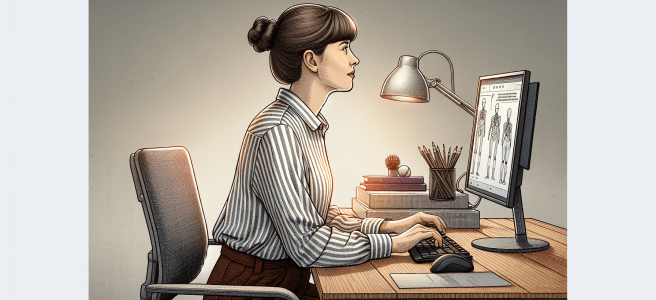
3. Poor Posture: Sitting or standing with poor posture for extended periods can cause rib problems. Slouching or hunching over a desk compresses the ribcage and puts undue stress on the surrounding muscles and ligaments.

4. Pregnancy: Rib discomfort is common during pregnancy due to the expanding uterus and the associated shifts in the body’s center of gravity. As the baby grows, it can push against the ribs, causing pain and discomfort.

5. Whiplash Injuries: Whiplash injuries, often resulting from car accidents, can cause rib problems. The sudden back-and-forth motion can strain the muscles and ligaments around the ribcage, leading to pain and stiffness.

Symptoms to Watch For

Recognizing the symptoms of rib problems early can help you seek appropriate treatment and prevent further complications. Common symptoms include:

  • Sharp or Dull Pain: Pain can range from sharp and stabbing to dull and achy, often worsening with movement or deep breathing.
  • Tenderness: The affected area may be tender to the touch.
  • Difficulty Breathing: Rib problems can make it painful to take deep breaths, leading to shallow breathing and sometimes shortness of breath.
  • Swelling and Bruising: Visible swelling or bruising around the ribcage can indicate a fracture or severe strain.
  • Muscle Spasms: The muscles around the ribs might spasm, adding to the discomfort.

Effective Solutions and Management

1. Chiropractic Adjustments: Chiropractic care is highly effective in treating rib problems. Chiropractors use specific adjustments to realign the ribs and relieve pain. These adjustments can help improve mobility, reduce muscle tension, and enhance overall ribcage function. Chiropractic care also focuses on correcting posture, which can prevent future rib issues.

2. Rest and Immobilization: For minor rib injuries, rest is crucial. Avoid activities that exacerbate the pain and give your body time to heal. In some cases, wrapping the chest with a bandage can help immobilize the area and provide support.

3. Pain Management: Over-the-counter pain relievers such as ibuprofen or acetaminophen can help manage pain and reduce inflammation. However, always consult your doctor before starting any medication.

4. Physical Therapy: Physical therapy can be highly effective in treating rib problems. A physical therapist can guide you through exercises to strengthen the muscles around your ribcage, improve posture, and enhance flexibility.

5. Posture Correction: Improving your posture can prevent and alleviate rib problems. Ensure your workstation is ergonomically set up, take regular breaks to stretch, and be mindful of your posture throughout the day.

6. Breathing Exercises: Deep breathing exercises can help expand your ribcage and strengthen the muscles involved in respiration. This can be particularly beneficial for those who experience rib pain with breathing.

7. Medical Intervention: In cases of severe injury, such as a rib fracture, medical intervention may be necessary. Your doctor might recommend imaging tests to assess the extent of the injury and develop an appropriate treatment plan.

Prevention Tips

Preventing rib problems involves adopting healthy habits and making lifestyle adjustments:

  • Stay Active: Regular exercise helps maintain muscle strength and flexibility, reducing the risk of rib problems.
  • Practice Good Posture: Be mindful of your posture whether you’re sitting, standing, or sleeping.
  • Use Proper Techniques: When lifting heavy objects, use proper techniques to avoid straining your ribs.
  • Wear Protective Gear: If you’re involved in contact sports, always wear appropriate protective gear to safeguard your ribcage.

Share Your Story

Have you experienced rib problems? Share your story in the comments below and let us know what strategies worked for you, especially if you’ve found relief through chiropractic adjustments. Stay informed and take proactive steps to keep your ribs healthy and pain-free!

Understanding Facet Syndrome: Causes, Symptoms, and Effective Treatment

The lower back, comprised of stacked vertebrae separated by intervertebral discs, forms a flexible and supportive structure. Each vertebra features a front body and posterior facets, which articulate with adjacent vertebrae. When these facet joints become irritated and inflamed, a condition known as facet syndrome occurs. Sprains, strains, improper joint movement, injury, overuse, arthritis, and obesity are common culprits.

Symptoms of facet syndrome typically manifest as unilateral back pain, which may radiate into the flank, hip, and thigh, worsening with backward arching or returning to an upright position. Relief is often experienced when lying down, and symptoms rarely extend beyond the knee. Notify your chiropractor of any symptoms below the knee, weakness, groin numbness, bowel or bladder changes, or fever.

Prolonged facet irritation can lead to arthritis, but effective treatment options are available. Supportive footwear, activity modification, and regular breaks from sitting are recommended. Your chiropractor may suggest heat or ice therapy and advise against prolonged bed rest while encouraging light physical activity. Yoga has shown benefits for back pain sufferers.

Your chiropractor can provide personalized treatment to alleviate facet syndrome symptoms and promote healing. By addressing underlying issues and implementing appropriate interventions, you can improve function and quality of life while managing facet syndrome effectively.

#Chiropractic #Wellness #FitLife #Fitness #Winnipeg

The Surprising Health Benefits of Good Posture

The importance of good posture extends beyond mere appearance, encompassing a multitude of health benefits that are often overlooked. By maintaining proper alignment of bones and joints, good posture helps reduce stress on ligaments, minimizing the risk of injury. Moreover, it prevents muscle strain, overuse, and pain, promoting overall musculoskeletal health.

Efficient posture also conserves energy, as muscles are utilized more effectively and efficiently. This not only enhances physical performance but also reduces fatigue and promotes endurance. Additionally, by decreasing abnormal joint wear, good posture helps preserve joint integrity and function over time.

Furthermore, research has highlighted the far-reaching implications of posture on mental and emotional well-being. Poor posture has been linked to increased feelings of depression, potentially exacerbating mood disorders and negatively impacting mental health. Moreover, posture can influence the function of the digestive tract, with slouched postures potentially impeding digestion and exacerbating gastrointestinal discomfort.

Beyond physiological effects, posture plays a pivotal role in shaping confidence levels and managing stress. Maintaining an upright posture has been associated with heightened self-assurance and a greater sense of control, while slouched postures may contribute to feelings of insecurity and stress.

In summary, good posture serves as a cornerstone of overall health and well-being, exerting profound effects on both physical and mental health. By prioritizing proper posture habits, individuals can optimize their musculoskeletal health, reduce the risk of injury, and enhance their overall quality of life.

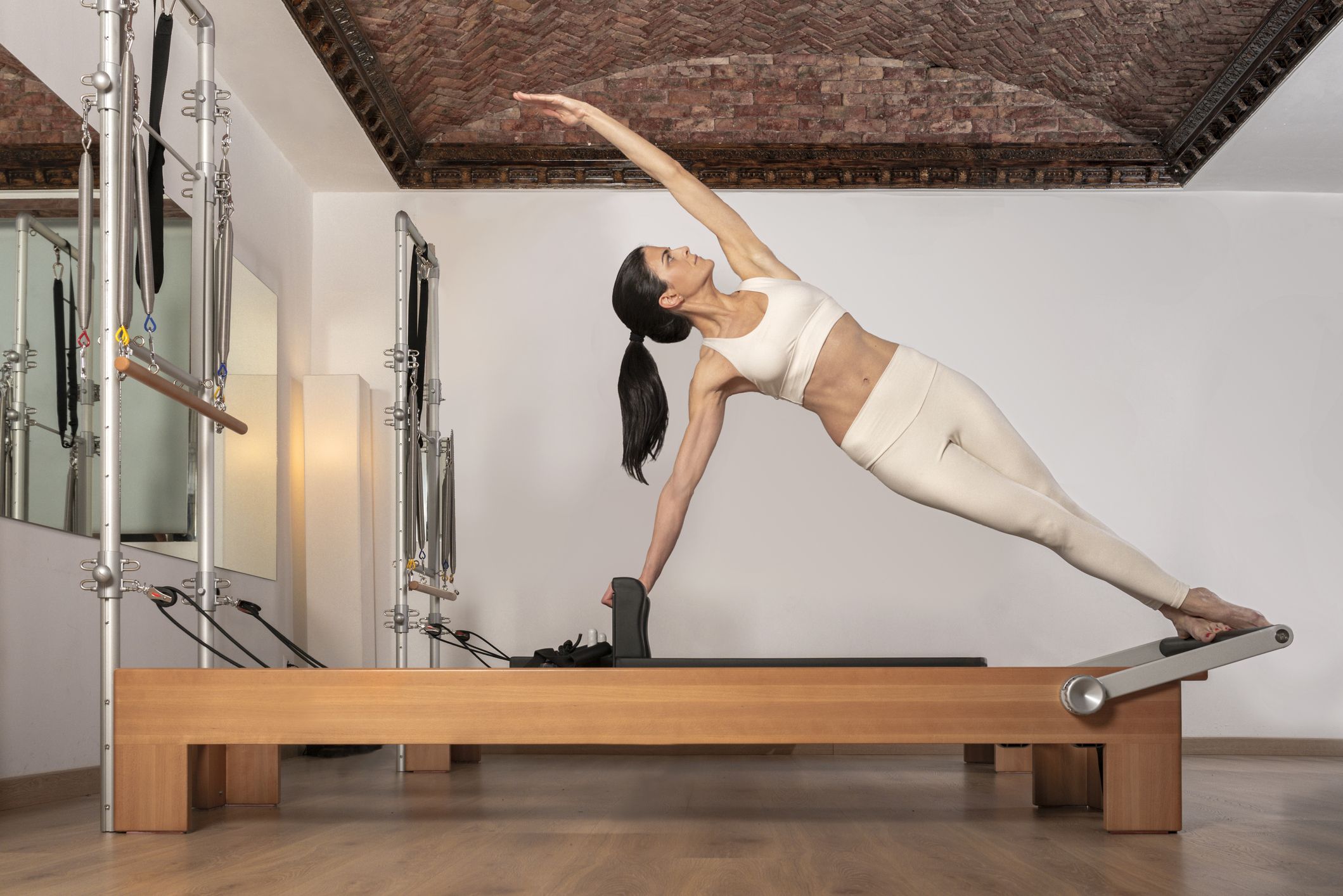
Improve Posture and Spinal Health with Pilates | Benefits Explained

In today’s digital age, many of us spend hours hunched over computers, slouched on couches, or scrolling through smartphones. These habits can take a toll on our posture, leading to muscle imbalances, spinal misalignment, and chronic pain. Fortunately, Pilates offers a highly effective solution for improving posture and strengthening the core muscles that support proper alignment. In this article, we’ll explore how Pilates can help you achieve better posture and enhance overall spinal health.

Understanding Posture and Its Importance

Posture refers to the alignment of your body parts in relation to one another while sitting, standing, or moving. Good posture involves maintaining the natural curves of the spine, balancing the body’s weight evenly, and avoiding excessive strain on muscles and joints. Poor posture, on the other hand, can lead to a host of problems, including back pain, neck pain, headaches, and decreased mobility.

The Role of Core Strength in Posture

Your core muscles, which include the muscles of the abdomen, lower back, pelvis, and hips, play a crucial role in supporting your spine and maintaining proper posture. Weakness or imbalance in these muscles can contribute to poor posture and increase the risk of injury. Pilates focuses on strengthening the core muscles, improving stability, and promoting better alignment, making it an ideal form of exercise for posture correction.

Benefits of Pilates for Posture Improvement

  1. Core Strengthening: Pilates exercises target the deep abdominal muscles, obliques, and back muscles, helping to strengthen and stabilize the core. A strong core provides a solid foundation for good posture and helps prevent slouching and rounding of the spine.
  2. Spinal Alignment: Pilates emphasizes spinal articulation and alignment, teaching you to lengthen the spine, stack the vertebrae, and maintain a neutral pelvis. Through controlled movements and mindful awareness, Pilates helps correct postural deviations and promote a more upright and balanced posture.
  3. Muscle Flexibility: In addition to strengthening the core muscles, Pilates also improves flexibility and mobility in the spine, hips, and shoulders. Increased flexibility allows for greater range of motion and reduces stiffness and tension that can contribute to poor posture.
  4. Body Awareness: Pilates promotes body awareness and mindfulness, encouraging you to pay attention to your alignment, movement patterns, and muscle engagement. By becoming more conscious of how you hold yourself and move, you can make adjustments to improve posture both during Pilates sessions and in everyday life.
  5. Postural Correction: Over time, consistent practice of Pilates can help retrain your body to adopt healthier movement habits and postural alignment. By strengthening weak muscles, releasing tight muscles, and improving overall body mechanics, Pilates contributes to long-term postural correction and spinal health.

Incorporating Pilates Into Your Routine

Whether you’re a beginner or experienced practitioner, Pilates offers a variety of exercises and modifications to suit your fitness level and goals. Consider incorporating Pilates into your weekly routine, either through group classes, private sessions, or online workouts. With regular practice and proper guidance from a certified Pilates instructor, you can reap the benefits of improved posture, core strength, and spinal health that Pilates has to offer.

In conclusion, Pilates is a powerful tool for enhancing posture, strengthening the core, and promoting overall spinal health. By addressing the root causes of poor posture and providing targeted exercises to correct imbalances, Pilates empowers you to stand taller, move more efficiently, and live with greater comfort and confidence. Start your Pilates journey today and experience the transformative effects it can have on your posture and well-being.

Mental Attitude: Stress Reduces Our Ability to Deal with Pain.

Mental Attitude: Stress Reduces Our Ability to Deal with Pain.

Chronic stress can take a mental and physical toll on the body. A new study suggests that stress can affect our ability to withstand physical pain as well. Of the study’s 29 participants, those who experienced higher levels of psychological stress had a significantly lower ability to withstand pain than those with lower stress levels. Lead researcher Dr. Ruth Defrin explains, “Modern life exposes individuals to many, recurrent stressful situations. While there is no way to predict the type of stress we will feel under different circumstances, it is advisable to do everything in our power – adopt relaxation and stress reduction techniques as well as therapy – to reduce the amount of stress in our lives.” Pain, February 2015

Preventing Compensation Patterns: Optimal Functionality and Performance | Office Approach

Athletes and the general public alike often develop compensation patterns when mild, non-debilitating injuries go untreated. These compensatory patterns can significantly impact performance, whether in sports or daily activities, often resulting in pain and difficulty in movement. Recognizing and addressing these issues is crucial for maintaining optimal functionality and quality of life.

Our office is dedicated to identifying, correcting, and preventing these dysfunctional patterns as part of our comprehensive care approach, especially for patients dealing with long-term pain. When it comes to acute injuries—those that are new or recent—our focus on preventing these patterns is paramount. Addressing them early can lead to a quicker and smoother return to sports, work, and daily life.

Untreated mild injuries can subtly alter the way we move, causing the body to adapt in ways that are not always beneficial. For example, an untreated sprained ankle might cause an individual to favor the uninjured foot, leading to imbalances and strain in other parts of the body. Over time, these imbalances can cause additional problems, such as knee, hip, or back pain. In athletes, even minor changes in movement patterns can lead to significant decreases in performance and an increased risk of further injury.

Our approach to care involves a thorough assessment of each patient’s movement patterns and injury history. This allows us to pinpoint areas where compensations may be occurring. By addressing these issues early, we can help prevent the development of chronic pain and dysfunction. For those already experiencing long-term pain, our goal is to correct these patterns to restore normal function and alleviate discomfort.

In acute injury cases, early intervention is key. When an injury is fresh, the body is in a heightened state of healing and adaptation. This is the ideal time to ensure that healing occurs correctly and that no maladaptive compensation patterns are established. Our treatment plans for acute injuries are designed to support the body’s natural healing processes while providing the guidance and interventions needed to maintain proper movement and function.

Preventing compensation patterns involves a combination of techniques tailored to each individual’s needs. This may include manual therapies to address soft tissue restrictions, joint mobilizations to restore proper alignment and movement, and corrective exercises to strengthen and retrain affected muscles. Education is also a critical component, as understanding how and why compensations occur can empower patients to make adjustments in their daily lives that support their recovery and long-term health.

For athletes, this approach not only helps in recovering from injuries but also enhances overall performance. By ensuring that movement patterns are efficient and free of compensations, athletes can move more effectively, reducing the risk of future injuries and optimizing their physical capabilities.

In conclusion, the development of compensation patterns following untreated mild injuries can lead to decreased performance and increased pain. Our office is committed to addressing these issues through a comprehensive approach that includes identifying, correcting, and preventing dysfunctional movement patterns. Whether dealing with chronic pain or recovering from a recent injury, our goal is to support our patients in achieving a quick and seamless return to their desired activities, free from pain and with improved functionality. Through early intervention and personalized care, we aim to enhance the quality of life and performance for all our patients.

Chiropractic: Musculoskeletal Pain Affects School Teachers.

Photo by Karolina Grabowska on Pexels.com

Chiropractic: Musculoskeletal Pain Affects School Teachers.

An assessment of 486 self-evaluation surveys from female school teachers in Saudi Arabia reveals that musculoskeletal pain is surprisingly prevalent in the profession. Their most common complaint was low back pain, followed by knee pain, heel pain, shoulder pain, upper back pain, hip joint pain, ankle pain, and neck pain. Furthermore, nearly half (46.1%) of the teachers surveyed claimed that their pain affected their teaching performance. Pakistan Journal of Medical Sciences, November 2014

Spondylolithesis

Spondylolisthesis occurs when one vertebra slips out of place. This slight slippage can sometimes cause compression of the nerves and, in some cases, cause tingling, numbness, pain, and even weakness in the legs.

Spondylolisthesis can be the result of a trauma to the spine, a congenital defect or simply be a progression of osteoarthritis. Spondylolisthesis can occur, without apparent cause, as people age. In younger individuals, spondylolisthesis usually occurs as a result of trauma during sports such as gymnastics or football and can cause a fracture in the vertebra.

Each person will react differently to the presence of spondylolisthesis and symptoms can vary considerably. Initially, spondylolisthesis may be present without any noticeable symptoms.
When pain is present, it is often felt in the lower back or the buttocks. It can range from mild to severe and can affect daily activities such as walking. Burning and tingling sensations may be felt in the area of the buttocks and legs.

Sitting or leaning forward is often less painful than standing or walking because of the positioning of the spine.

#Chiropractic #PainRelief #Healthyliving #LaserTherapy #Winnipeg #BackPain #NeckPain #Headache #Fitness #Athlete #Wellness

Scoliosis

Scoliosis is a deformation of the spine, that is, a deviation of it, which can vary from mild (10-25 degrees) to severe (> 40 degrees). Scoliosis affects the joints, muscles and surrounding organs such as the shoulders, ribs, hips and lungs. Over time, the rib cage becomes less mobile and makes breathing more difficult.

In most cases, scoliosis is idiopathic, that is, the reason for its occurrence remains unknown. Scoliosis usually progresses over time and often leads to increased curvature and twisting of the spine.

Scoliosis is more common in women than in men and most often presents in young adolescents during growth.

In some cases, scoliosis is hereditary and forms during the development of the fetus. It is also present in neuromuscular conditions such as spina bifida or cerebral palsy. Progressive degeneration of the spine, such as arthritis, can lead to scoliosis in older people.