Pregnancy and Low Back Pain?

What is a Trigger Point?
Trigger Points (TP’s) are defined as a “hyper-irritable spot within a taut band of skeletal muscle. The spot is painful on compression and can evoke characteristic referred pain and autonomic phenomena.”1
Put into plain language, a TP is a painful knot in muscle tissue that can refer pain to other areas of the body. You have probably felt the characteristic achy pain and stiffness that TP’s produce, at some time in your life.
TP’s were first brought to the attention of the medical world by Dr. Janet G. Travell. Dr. Travell, physician to President John F. Kennedy, is the acknowledged Mother of Myofascial Trigger Points. In fact, “Trigger Point massage, the most effective modality used by massage therapists for the relief of pain, is based almost entirely on Dr. Travell’s insights.”2 Dr. Travell’s partner in her research was Dr. David G. Simons, a research scientist and aerospace physician.
Trigger Points are very common. In fact, Travell and Simons state that TP’s are responsible for, or associated with, 75% of pain complaints or conditions.1 With this kind of prevalence, it’s no wonder that TP’s are often referred to as the “scourge of mankind”.
Trigger Points can produce a wide variety of pain complaints. Some of the most common are migraine headaches, back pain, and pain and tingling into the extremities. They are usually responsible for most cases of achy deep pain that is hard to localize.
A TP will refer pain in a predictable pattern, based on its location in a given muscle. Also, since these spots are bundles of contracted muscle fibres, they can cause stiffness and a decreased range of motion. Chronic conditions with many TP’s can also cause general fatigue and malaise, as well as muscle weakness.
Trigger Points are remarkably easy to get, but the most common causes are
TP’s (black X) can refer pain to other areas (red)
Sudden overload of a muscle
Once in place, a TP can remain there for the remainder of your life unless an intervention takes place.
Trigger Points Not Well Known
With thousands of people dealing with chronic pain, and with TP’s being responsible for — or associated with — a high percentage of chronic pain, it is very disappointing to find that a large portion of doctors and other health care practitioners don’t know about TP’s and their symptoms.
Scientific research on TP’s dates back to the 1700’s. There are numerous medical texts and papers written on the subject.
But, it still has been largely overlooked by the health care field. This has led to needless frustration and suffering, as well as thousands of lost work hours and a poorer quality of life.
How Are Trigger Points Treated?
As nasty and troublesome as TP’s are, the treatment for them is surely straight-forward. A skilled practitioner will assess the individual’s pain complaint to determine the most likely location of the TP’s and then apply one of several therapeutic modalities, the most effective of which is a massage technique called “ischemic compression”.
Basically, the therapist will apply a firm, steady pressure to the TP, strong enough to reproduce the symptoms. The pressure will remain until the tissue softens and then the pressure will increase appropriately until the next barrier is felt. This pressure is continued until the referral pain has subsided and the TP is released. (Note: a full release of TP’s could take several sessions.)
Other effective modalities include dry needling (needle placed into the belly of the TP) or wet needling (injection into the TP). The use of moist heat and stretching prove effective, as well. The best practitioners for TP release are Massage Therapists, Physiotherapists, and Athletic Therapists. An educated individual can also apply ischemic compression to themselves, but should start out seeing one of the above therapists to become familiar with the modality and how to apply pressure safely.
1 Simons, D.G., Travell, D.G., & Simons, L.S. Travell and Simons’Myofascial Pain and Dysfunction: the Trigger Point Manual.
Vol. 1. 2nd ed. Lippincott, Williams, and Wilkins, 1999.

The muscles of the hip provide not only local stability, but also play an important role in spinal and lower extremity functional alignment. (1-4) While weakness in some hip muscles (hip extensors and knee extensors) is well tolerated, weakness or imbalance in others can have a profound effect on gait and biomechanical function throughout the lower half of the body. (5) Weakness of the hip abductors, particularly those that assist with external rotation, has the most significant impact on hip and lower extremity stability. (5,6)

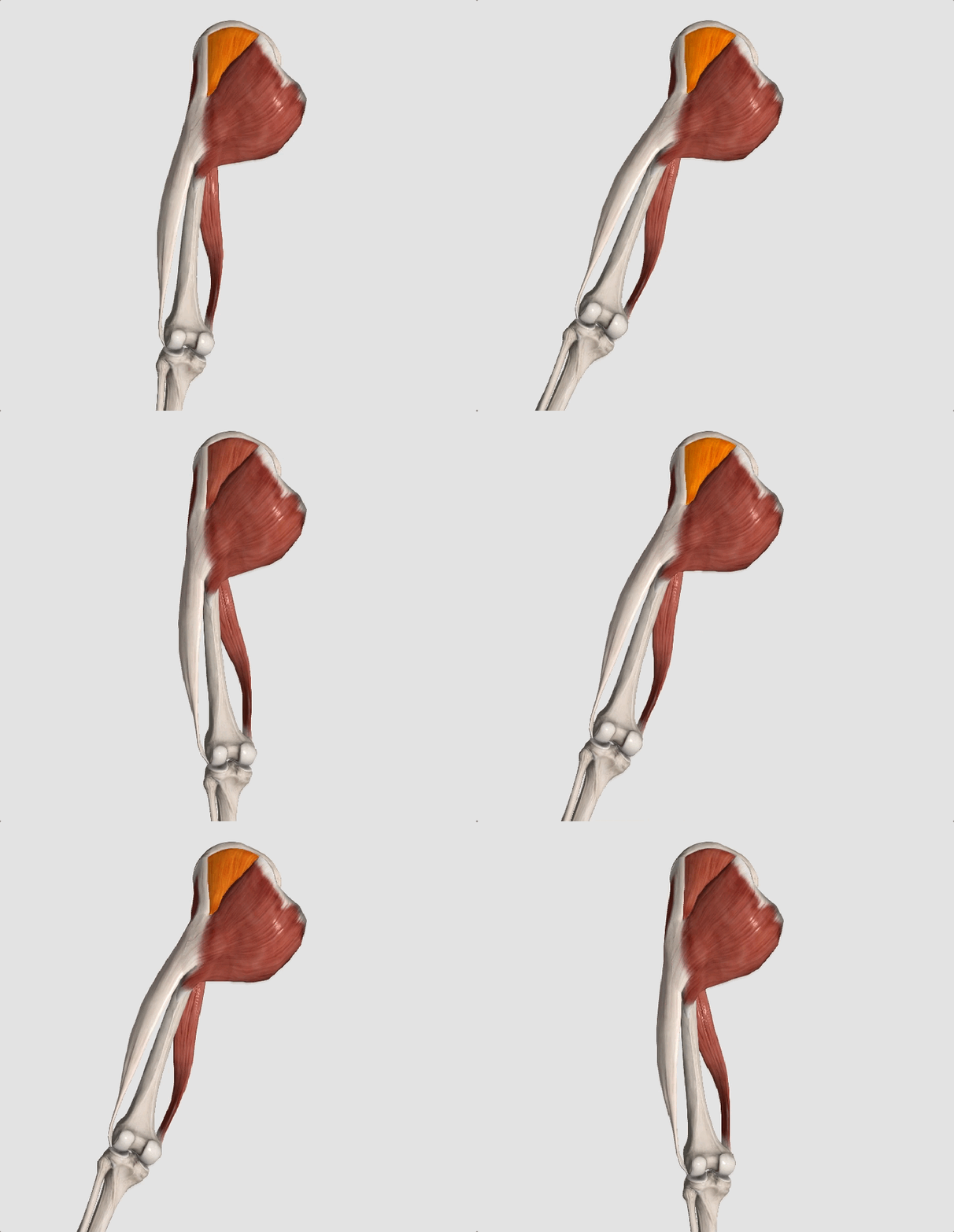
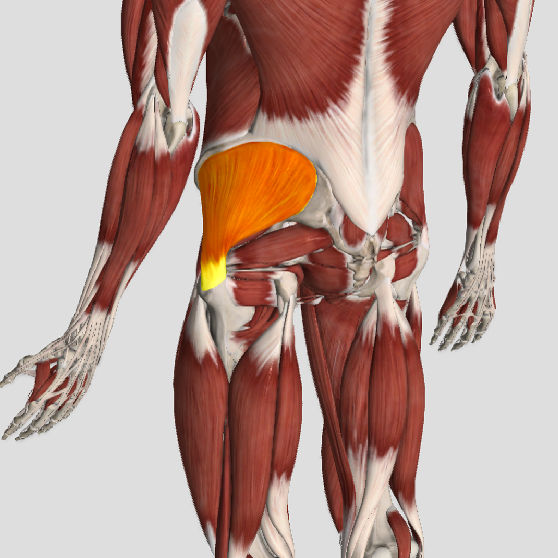
The gluteus medius is the principal hip abductor. When the hip is flexed, the muscle also assists the six deep hip external rotators (piriformis, gemelli, obturators, and quadratus femoris). The gluteus medius originates on the ilium just inferior to the iliac crest and inserts on the lateral and superior aspects of the greater trochanter. While the principal declared action of the gluteus medius is hip abduction, clinicians will appreciate its more valuable contribution as a dynamic stabilizer of the hip and pelvis- particularly during single leg stance activities like walking, running, and squatting. The gluteus medius contributes approximately 70% of the abduction force required to maintain pelvic leveling during single leg stance. The remainder comes predominantly from 2 muscles that insert onto the iliotibial band: the tensor fascia lata and upper gluteus maximus. Hip abductor strength is the single greatest contributor to lower extremity frontal plain alignment during activity. (6)

Incompetent hip abductors and/or external rotators allows for excessive adduction and internal rotation of the thigh during single leg stance activities. This leads to a cascade of biomechanical problems, including pelvic drop, excessive hip adduction, excessive femoral internal rotation, valgus knee stress, and internal tibial rotation. (1,7-12)

Moving is good for your back and muscles, especially if you have back pain.
Pain is a universal experience that can significantly impact our quality of life, mobility, and overall well-being. While pain management often involves medication or surgery, many people are turning to chiropractic care as a natural and holistic approach to pain relief. In this article, we’ll delve into the connection between chiropractic care and pain relief and explore how chiropractic treatments can help alleviate various types of pain.
Understanding Chiropractic Care
Chiropractic care is a branch of alternative medicine that focuses on the diagnosis, treatment, and prevention of musculoskeletal disorders, particularly those affecting the spine. Chiropractors use hands-on techniques, such as spinal adjustments, manipulations, and soft tissue therapies, to realign the spine, improve joint mobility, and restore proper function to the nervous system.
The Role of Chiropractic Care in Pain Relief
Chiropractic care is widely recognized for its effectiveness in relieving pain, particularly in the back, neck, and joints. Here’s how chiropractic treatments can help alleviate pain:
Conditions Treated by Chiropractic Care
Chiropractic care can effectively treat a wide range of acute and chronic pain conditions, including:
Conclusion
Chiropractic care offers a safe, natural, and drug-free approach to pain relief that focuses on addressing the underlying causes of pain and dysfunction. By restoring proper alignment to the spine, optimizing nervous system function, and promoting overall musculoskeletal health, chiropractic treatments can help alleviate pain, improve mobility, and enhance quality of life. If you’re experiencing pain or discomfort, consider consulting with a qualified chiropractor to explore how chiropractic care can help you find relief and restore your health and vitality.
Back pain is a widespread issue that affects millions of people worldwide, impacting daily life and overall well-being. While back pain can stem from various causes, certain types of back injuries are more prevalent than others. In this blog post, we’ll explore the five most common types of back injuries, their causes, symptoms, and potential treatments.
Causes: Muscle strain or sprain occurs when muscles or ligaments in the back are stretched or torn, often due to sudden movements, heavy lifting, or poor posture.
Symptoms: Common symptoms include localized pain, stiffness, muscle spasms, and difficulty moving the affected area.
Treatment: Treatment typically involves rest, ice or heat therapy, over-the-counter pain medication, and gentle stretching exercises. In severe cases, physical therapy or chiropractic care may be recommended.
Causes: A herniated disc, also known as a slipped or ruptured disc, occurs when the soft inner core of a spinal disc protrudes through the tough outer layer, putting pressure on nearby nerves. This can result from age-related wear and tear, injury, or improper lifting techniques.
Symptoms: Symptoms may include sharp pain in the back or neck, radiating pain or numbness in the arms or legs, muscle weakness, and tingling sensations.
Treatment: Treatment options include rest, anti-inflammatory medication, physical therapy, and epidural steroid injections. In severe cases, surgery may be necessary to remove or repair the affected disc.
Causes: Degenerative disc disease is a condition characterized by the gradual deterioration of spinal discs over time. Factors such as aging, genetics, and repetitive strain can contribute to the development of this condition.
Symptoms: Symptoms may include chronic back pain, stiffness, reduced flexibility, and pain that worsens with movement or sitting for prolonged periods.
Treatment: Treatment focuses on managing symptoms and may include medication, physical therapy, lifestyle modifications, and spinal injections. In severe cases, surgery such as spinal fusion or disc replacement may be considered.
Causes: Spinal stenosis occurs when the spinal canal narrows, putting pressure on the spinal cord and nerves. This narrowing can be caused by age-related changes, such as bone spurs or thickened ligaments, or by conditions like arthritis or herniated discs.
Symptoms: Symptoms may include pain, numbness, or weakness in the back, legs, or arms, difficulty walking or maintaining balance, and bowel or bladder dysfunction.
Treatment: Treatment options include medication, physical therapy, epidural steroid injections, and lifestyle modifications. In severe cases, surgery to decompress the spinal cord may be necessary.
Causes: Spondylolisthesis occurs when a vertebra slips out of place and onto the vertebra below it. This can result from a fracture or defect in the vertebra, degenerative changes, or repetitive stress on the spine.
Symptoms: Symptoms may include lower back pain, stiffness, muscle spasms, leg pain or weakness, and difficulty walking or standing for long periods.
Treatment: Treatment options include rest, medication, physical therapy, and bracing to stabilize the spine. In severe cases, surgery may be needed to realign the vertebrae and relieve pressure on the nerves.
Back injuries can vary in severity and cause significant discomfort and impairment. Understanding the most common types of back injuries, their causes, symptoms, and treatment options is essential for effective management and prevention. If you experience persistent or severe back pain, it’s crucial to consult with a healthcare professional for a thorough evaluation and personalized treatment plan. By taking proactive steps to address back injuries, you can improve your quality of life and reduce the risk of long-term complications.
Pain is an all-too-common companion in modern life, affecting millions of people worldwide. Whether it’s due to poor posture, injury, or chronic conditions, pain can significantly diminish quality of life. Many individuals seek relief through medications or surgery, but there is a highly effective, non-invasive alternative: chiropractic care. Chiropractors offer a holistic approach to pain management that can provide lasting relief and improve overall well-being. Here are some of the key virtues of chiropractic care for pain relief.
One of the primary benefits of chiropractic care is that it is non-invasive and drug-free. Chiropractors use manual adjustments and other techniques to align the spine and improve the body’s natural healing processes. This means patients can avoid the potential side effects and dependencies associated with pain medications. Chiropractic care focuses on treating the root cause of pain rather than just masking the symptoms, leading to more sustainable relief.
Chiropractic care is highly effective for a wide range of conditions. It is commonly used to treat back pain, neck pain, and headaches, but it can also help with conditions such as sciatica, sports injuries, arthritis, and even some types of nerve pain. Chiropractors are trained to diagnose and treat musculoskeletal issues that can cause pain and discomfort, making them a valuable resource for many types of pain.
Chiropractic care takes a holistic approach to health, considering the entire body rather than just the site of pain. Chiropractors assess how different parts of the body interact and how misalignments in the spine can affect overall health. This comprehensive approach can lead to improvements in other areas of health, such as better posture, improved mobility, and enhanced overall wellness.
Every patient is unique, and chiropractors understand this. They create personalized treatment plans tailored to each individual’s specific needs and conditions. During the initial consultation, a chiropractor will conduct a thorough examination, including medical history and physical assessments, to develop a customized plan. This individualized approach ensures that patients receive the most effective treatment for their particular situation.
Chiropractic care is not only about relieving current pain but also about preventing future injuries. Chiropractors educate patients on proper posture, ergonomics, and exercises that can strengthen the body and prevent injuries. Regular chiropractic adjustments can help maintain spinal health, reducing the likelihood of future pain and discomfort. This preventative aspect of chiropractic care promotes long-term health and wellness.
Pain can severely limit mobility and flexibility, affecting daily activities and overall quality of life. Chiropractic adjustments help restore proper alignment and function to the spine and joints, which can significantly enhance mobility and flexibility. Patients often report increased range of motion and reduced stiffness after chiropractic treatments, allowing them to move more freely and comfortably.
Chiropractic care can complement other treatments and therapies. It is often used in conjunction with physical therapy, massage therapy, and acupuncture to provide a comprehensive approach to pain management. Chiropractors work collaboratively with other healthcare providers to ensure patients receive the best possible care. This integrative approach can lead to more effective and efficient pain relief.
Chiropractors are not just focused on pain relief but also on overall wellness. They provide guidance on lifestyle changes, including nutrition, exercise, and stress management, that can improve overall health and well-being. By addressing the underlying factors that contribute to pain and promoting a healthier lifestyle, chiropractic care helps patients achieve lasting improvements in their health.
Chiropractic care offers a multitude of benefits for those seeking pain relief. Its non-invasive, drug-free approach, effectiveness for various conditions, holistic perspective, personalized treatment plans, and focus on prevention and overall wellness make it an excellent option for managing pain. By choosing chiropractic care, patients can experience significant pain relief, improved mobility, and enhanced quality of life.
At River East Chiropractic, we are dedicated to providing exceptional chiropractic care tailored to your needs. Our team of skilled chiropractors and other health professionals offer a range of services, including massage therapy, acupuncture, Pilates, and a full gym, to support your journey to better health. Discover the virtues of chiropractic care and take the first step towards a pain-free, healthier life with us.
The role of hip muscles in maintaining leg alignment during movement cannot be overstated. Among these muscles, the gluteus medius stands out for its crucial stabilizing function during activities such as walking, running, and squatting. Positioned on the side of the hip, the gluteus medius plays a pivotal role in stabilizing the pelvis and preventing unwanted movements of the leg.
When you raise one leg, the opposite gluteus medius muscle must contract to counterbalance the body’s tendency to tip in the direction of the lifted leg. Similarly, when standing on a bent leg, the gluteus medius works to prevent the knee from collapsing inward, a position known as “knock knee” or “valgus.”
Weakness in the gluteus medius can lead to various problems. For instance, it allows the pelvis to drop and the knee to cave inward during walking or running, placing excessive strain on the hip and knee joints. This misalignment can cause the kneecap to rub against the thigh bone, resulting in irritation and potentially leading to arthritis over time. Moreover, walking or running with a knock knee posture can stress the ligaments around the knee, increasing the risk of sprains. Additionally, this misalignment can affect the foot arch, contributing to conditions like plantar fasciitis. Furthermore, weak hip muscles can lead to a forward pelvic tilt, which in turn can cause a swayback posture and contribute to lower back pain. Notably, hip muscle weakness appears to be more prevalent in females, particularly among athletes.
Certain activities can exacerbate hip abductor weakness and should be avoided, such as standing with excessive weight on one hip, sitting cross-legged, or sleeping in a side-lying position that stretches the hip abductors. Individuals with fallen arches may benefit from arch supports or orthotics to provide additional support. Furthermore, addressing obesity through diet and exercise can reduce stress on the hip muscles and improve overall musculoskeletal health.
Strength training is the cornerstone of treatment for hip abductor weakness. Building strength in these muscles not only helps prevent injuries but also enhances overall stability and function. Individuals with stronger hip muscles are less likely to experience hip and knee problems associated with weakness and misalignment.
At River East Chiropractic, we recognize the importance of addressing hip abductor weakness as part of a comprehensive approach to musculoskeletal health. Our facility boasts a full gym equipped with state-of-the-art equipment and experienced trainers who specialize in addressing conditions like upper crossed syndrome and hip muscle weakness. Our trainers work closely with patients to develop personalized strength training programs tailored to their specific needs and goals. Through targeted exercises and guidance on proper form and technique, we help individuals strengthen their hip muscles and improve overall stability and alignment.
In addition to strength training, chiropractic care can complement efforts to address hip abductor weakness. Chiropractors are trained to assess and treat musculoskeletal imbalances, including those affecting the hips and pelvis. Through manual adjustments and therapeutic techniques, chiropractors can help restore proper alignment and function to the pelvis and spine, reducing strain on the hip muscles and promoting optimal musculoskeletal health.
By incorporating strength training, chiropractic care, and lifestyle modifications, individuals can effectively manage hip abductor weakness and reduce the risk of associated musculoskeletal problems. With the support of our skilled team at River East Chiropractic, patients can achieve improved function, reduced pain, and a higher quality of life
Your posture is a cornerstone of your overall health, influencing everything from musculoskeletal function to internal organ function. Poor posture can lead to chronic strain and discomfort, affecting your daily life and long-term well-being. One common postural issue is known as “upper crossed syndrome,” characterized by excessive tightness in the shoulders and chest paired with weakness in the neck and mid-back muscles. This imbalance forces the shoulders to roll inward and the head to protrude forward, creating a cascade of negative effects throughout the body.
To grasp how upper crossed syndrome wreaks havoc, envision your spine as a sturdy telephone pole and your head as a heavy bowling ball atop it. When the bowling ball is positioned directly over the pole, minimal effort is needed to maintain balance. However, if the pole tilts forward and the ball threatens to roll off, the muscles must work tirelessly to prevent it from falling. This constant effort places undue strain on the muscles of the neck and upper back, leading to chronic discomfort and potential complications.
The repercussions of upper crossed syndrome extend beyond mere discomfort. It can contribute to a host of issues including neck pain, upper back pain, headaches, temporomandibular joint (TMJ) pain, and even arthritis over time. This postural distortion is particularly prevalent among individuals who spend prolonged periods at computer workstations, where slouching and forward head posture are common.
Addressing upper crossed syndrome requires a multifaceted approach aimed at correcting muscular imbalances and optimizing workstation ergonomics. Chiropractic care plays a pivotal role in this process, offering targeted interventions to restore postural alignment and alleviate associated discomfort. Through manual adjustments, chiropractors can realign misaligned vertebrae and alleviate pressure on nerves, facilitating improved posture and function.
Additionally, chiropractors provide guidance on stretches and exercises tailored to address muscle tightness and weakness characteristic of upper crossed syndrome. These exercises aim to elongate tight muscles, such as the chest and front shoulder muscles, while strengthening weakened muscles, particularly those in the neck and mid-back. By restoring muscular balance, chiropractic care helps alleviate strain on the spine and promote better postural alignment.
In conjunction with chiropractic interventions, modifying your workstation ergonomics is crucial for preventing and managing upper crossed syndrome. Simple adjustments, such as raising the computer monitor to eye level, using an ergonomic chair with proper lumbar support, and taking regular breaks to stretch and move, can significantly reduce strain on the neck and back muscles.
By addressing the root causes of upper crossed syndrome through a comprehensive approach that includes chiropractic care and ergonomic modifications, you can effectively manage discomfort and prevent long-term complications. Prioritizing good posture and seeking timely intervention from a chiropractor can help you maintain optimal musculoskeletal health and enjoy a more comfortable, pain-free lifestyle.