

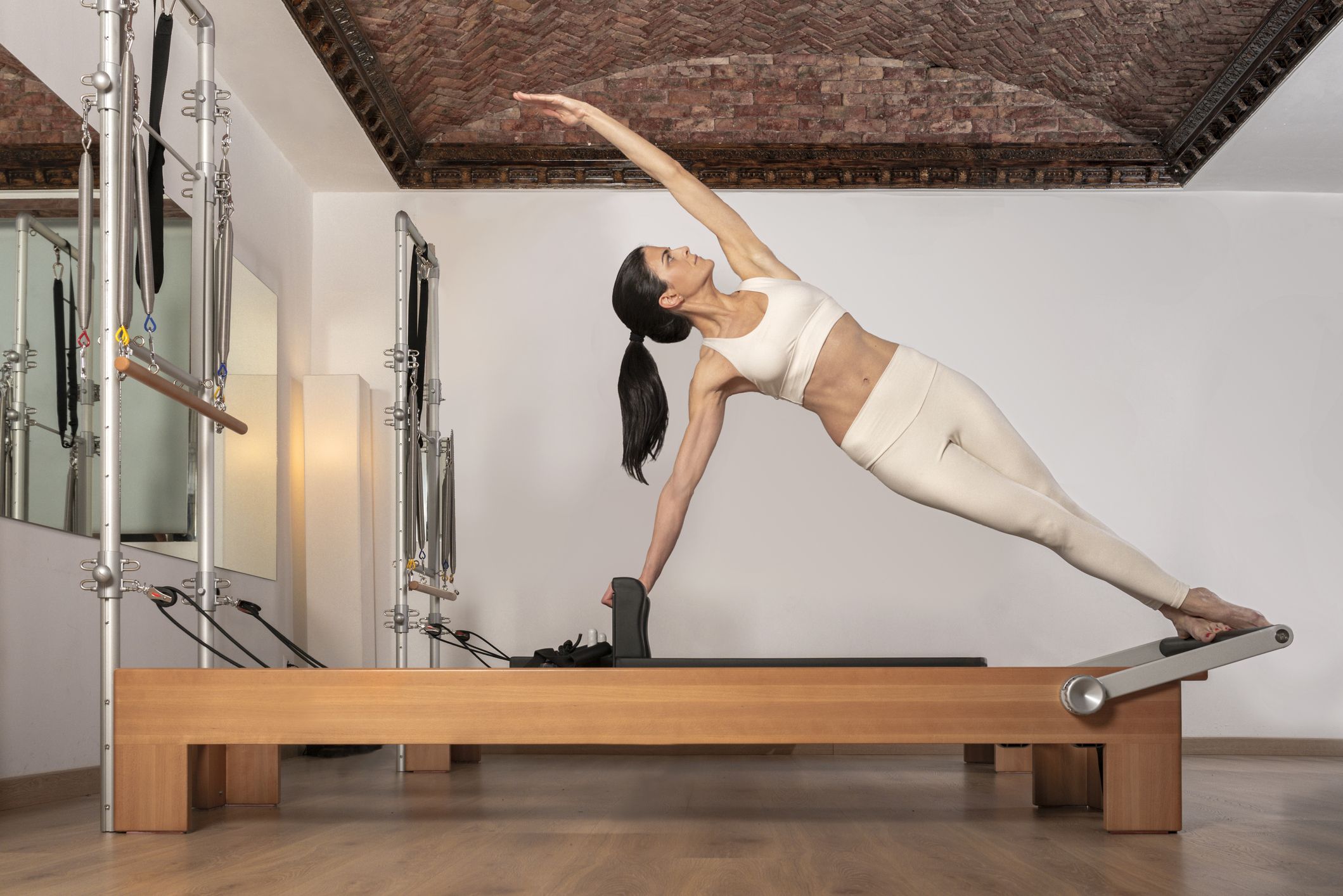
In today’s digital age, many of us spend hours hunched over computers, slouched on couches, or scrolling through smartphones. These habits can take a toll on our posture, leading to muscle imbalances, spinal misalignment, and chronic pain. Fortunately, Pilates offers a highly effective solution for improving posture and strengthening the core muscles that support proper alignment. In this article, we’ll explore how Pilates can help you achieve better posture and enhance overall spinal health.
Understanding Posture and Its Importance
Posture refers to the alignment of your body parts in relation to one another while sitting, standing, or moving. Good posture involves maintaining the natural curves of the spine, balancing the body’s weight evenly, and avoiding excessive strain on muscles and joints. Poor posture, on the other hand, can lead to a host of problems, including back pain, neck pain, headaches, and decreased mobility.
The Role of Core Strength in Posture
Your core muscles, which include the muscles of the abdomen, lower back, pelvis, and hips, play a crucial role in supporting your spine and maintaining proper posture. Weakness or imbalance in these muscles can contribute to poor posture and increase the risk of injury. Pilates focuses on strengthening the core muscles, improving stability, and promoting better alignment, making it an ideal form of exercise for posture correction.
Benefits of Pilates for Posture Improvement
- Core Strengthening: Pilates exercises target the deep abdominal muscles, obliques, and back muscles, helping to strengthen and stabilize the core. A strong core provides a solid foundation for good posture and helps prevent slouching and rounding of the spine.
- Spinal Alignment: Pilates emphasizes spinal articulation and alignment, teaching you to lengthen the spine, stack the vertebrae, and maintain a neutral pelvis. Through controlled movements and mindful awareness, Pilates helps correct postural deviations and promote a more upright and balanced posture.
- Muscle Flexibility: In addition to strengthening the core muscles, Pilates also improves flexibility and mobility in the spine, hips, and shoulders. Increased flexibility allows for greater range of motion and reduces stiffness and tension that can contribute to poor posture.
- Body Awareness: Pilates promotes body awareness and mindfulness, encouraging you to pay attention to your alignment, movement patterns, and muscle engagement. By becoming more conscious of how you hold yourself and move, you can make adjustments to improve posture both during Pilates sessions and in everyday life.
- Postural Correction: Over time, consistent practice of Pilates can help retrain your body to adopt healthier movement habits and postural alignment. By strengthening weak muscles, releasing tight muscles, and improving overall body mechanics, Pilates contributes to long-term postural correction and spinal health.
Incorporating Pilates Into Your Routine
Whether you’re a beginner or experienced practitioner, Pilates offers a variety of exercises and modifications to suit your fitness level and goals. Consider incorporating Pilates into your weekly routine, either through group classes, private sessions, or online workouts. With regular practice and proper guidance from a certified Pilates instructor, you can reap the benefits of improved posture, core strength, and spinal health that Pilates has to offer.
In conclusion, Pilates is a powerful tool for enhancing posture, strengthening the core, and promoting overall spinal health. By addressing the root causes of poor posture and providing targeted exercises to correct imbalances, Pilates empowers you to stand taller, move more efficiently, and live with greater comfort and confidence. Start your Pilates journey today and experience the transformative effects it can have on your posture and well-being.





 Aberdeen Chiropractic