Whiplash and Your Posture

WRD 2.gif​

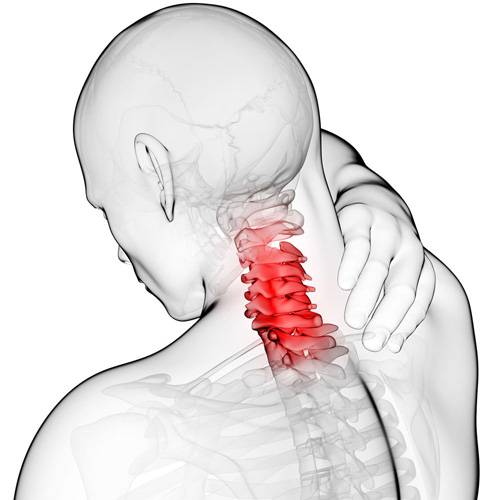
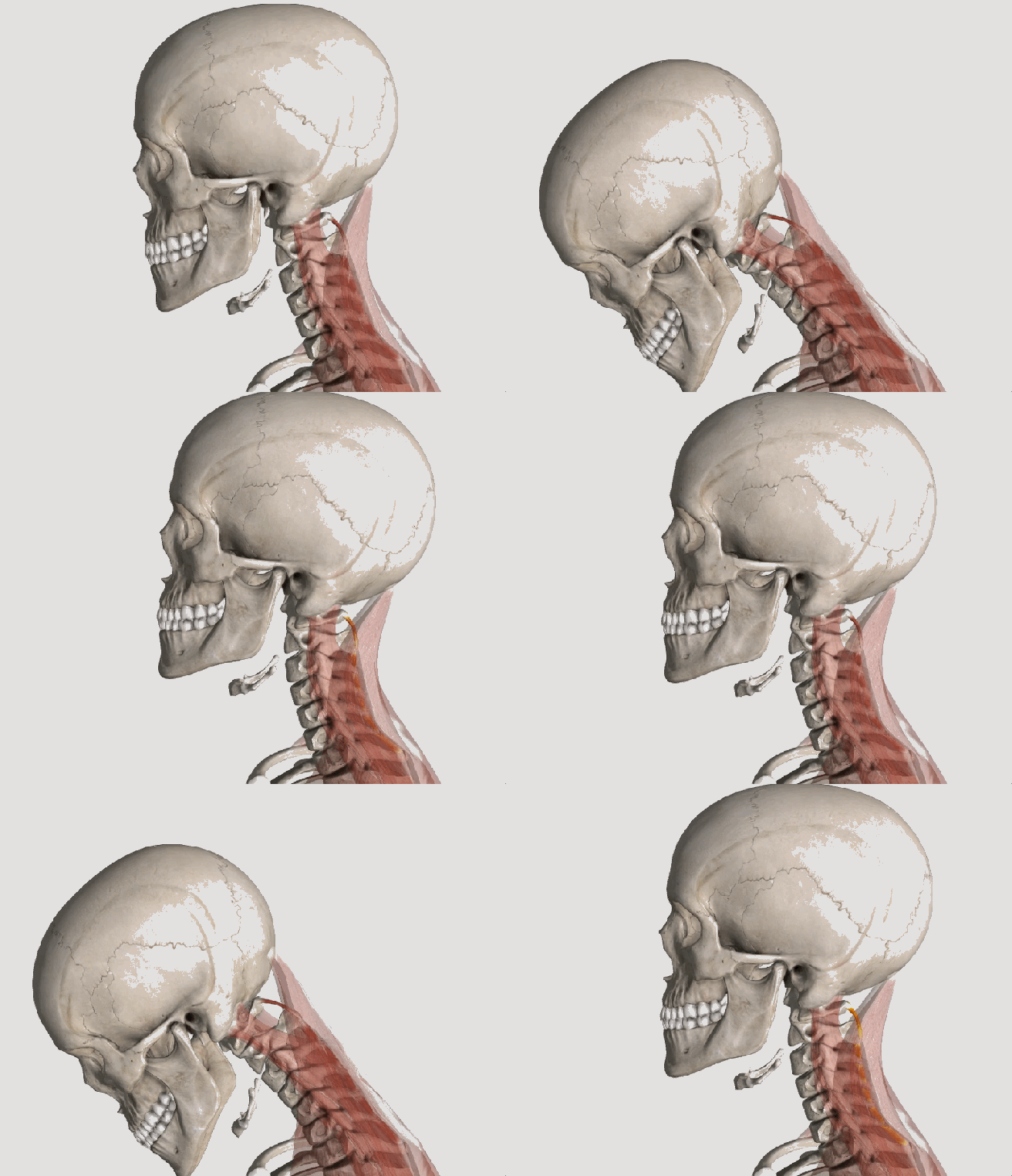
Posture assessment is a key component of the chiropractic examination, and the posture of the head and neck is especially important for a patient recovering from a whiplash injury. Forward head carriage describes a state in which the head sits more forward on the shoulders than it should. In order for the muscles in the neck and shoulders to keep the head upright, they must work harder. This added strain can increase one’s risk for neck pain and headaches, which is why retraining posture is a key component to the management of neck pain and headaches in patients with or without a history of whiplash.

Forward head carriage also increases the distance between the back of the head and the headrest in the seated position, especially when the seat is reclined. In a rear-end collision, a gap greater than a half an inch between the head rest and the back of the head increases the probability of injury due to the greater distance the head can hyperextend as it rebounds backwards into the headrest.  This makes posture correction of forward head carriage an important aspect of treatment from both a preventative and curative perspective.

So this begs the question, can forward head carriage be corrected?  The simple answer is “yes!” One study evaluated the effects of a 16-week resistance and stretching program designed to address forward head posture and protracted shoulder positioning.

Researchers conducted the study in two separate secondary schools with 130 adolescents aged 15–17 years with forward head and protracted shoulder posture. The control group participated in a regular physical education (PE) program while the experimental group attended the same PE classes with the addition of specific exercises for posture correction. The research ream measured the teens’ shoulder head posture from the side using two different validated methods and tracked symptoms using a questionnaire. The results revealed a significant improvement in the shoulder and cervical angle in the experimental group that did not occur in the control group.

The conclusion of the study strongly supports that a 16-week resistance and stretching program is effective in decreasing forward head and protracted shoulder posture in adolescents.  This would suggest that a program such as this should be strongly considered in the regular curriculum of PE courses since this is such a common problem.

Doctors of chiropractic are trained to evaluate and manage forward head posture with shoulder protraction. This can prove beneficial in both the prevention as well as management of signs and symptoms associated with a whiplash injury.
I have Low Back Pain. Why?

265​

Low back pain (LBP) can arise from disks, nerves, joints, and the surrounding soft tissues. To simplify the task of determining “What is causing my LBP?” the Quebec Task Force recommends that LBP be divided into three main categories: 1) Mechanical LBP; 2) Nerve root related back pain; and 3) Pathology or fracture. We will address the first two, as they are most commonly managed by chiropractors.
Making the proper diagnosis points your doctor in the right direction regarding treatment. It avoids time wasted by treating an unrelated condition, which runs the risk of increased chances of a poor and/or prolonged recovery. Low back pain is no exception! The “correct” diagnosis allows treatment to be focused and specific so that it will yield the best results.
Mechanical low back pain is the most commonly seen type of back pain, and it encompasses pain that arises from sprains, strains, facet and sacroiliac (SI) syndromes, and more. The main difference between this and nerve root-related LBP is the ABSENCE of a pinched nerve. Hence, pain typically does NOT radiate, and if it does, it rarely goes beyond the knee and normally does not cause weakness in the leg.
The mechanism of injury for both types of LBP can occur when a person does too much, maintains an awkward position for too long, or over bends, lifts, and/or twists. However, LBP can also occur “insidiously” or for seemingly no reason at all. However, in most cases, if one thinks hard enough, they can identify an event or a series of “micro-traumas” extending back in time that may be the “cause” of their current low back pain issues.
Nerve root-related LBP is less common but it is often more severe—as the pain associated with a pinched nerve is often very sharp, can radiate down a leg often to the foot, and cause numbness, tingling, and muscle weakness. The location of the weakness depends on which nerve is pinched. Think of the nerve as a wire to a light and the switch of the nerve is located in the back where it exits the spine. When the switch is turned on (the nerve is pinched), and the “light” turns on—possibly in the outer foot, middle foot, inner foot, or front, back or side of the thigh. In fact, there are seven nerves that innervate or “run” into our leg, so usually, a very specific location “lights up” in the limb.
Determining the cause of your low back pain helps your doctor of chiropractic determine which treatments may work best to alleviate your pain as well as where such treatments can be focused.

Meds or Chiro first?

Head and Neck

​Although both medication and chiropractic are utilized by neck pain sufferers, not everyone wants to or can take certain medications due to unwanted side effects. For those who aren’t sure what to do, wouldn’t it be nice if research was available that could answer the question posted above? Let’s take a look!

When people have neck pain, they have options as to where they can go for care. Many seek treatment from their primary care physician (PCP). The PCP’s approach to neck pain management usually results in a prescription that may include an anti-inflammatory drug (like ibuprofen or Naproxen), a muscle relaxant (like Flexeril / cyclobenzaprine), and/or a pain pill (like hydrocodone / Vicodin). The choice of which medication a PCP recommends hinges on the patient’s presentation, patient preference (driven from advertisements or prior experiences), and/or the PCP’s own preference.

Although it’s becoming increasingly common to have a PCP refer a neck pain patient for chiropractic care, this still does not happen for all neck pain patients in spite of strong research supporting the significant benefits of spinal manipulation to treat neck pain. One such study compared spinal manipulation, acupuncture, and anti-inflammatory medication with the objective of assessing the long-term benefits (at one year) of these three approaches in patients with chronic (>13 weeks) neck pain. The study randomly divided 115 patients into one of three groups that were all treated for nine weeks. Comparison at the one-year point showed that ONLY those who received spinal manipulation had maintained long-term benefits based on a review of seven main outcome measures. The study concludes that for patients with chronic neck pain, spinal manipulation was the ONLY treatment that maintained a significant long-term (one-year) benefit after nine weeks of treatment!

In a 2012 study published in medical journal The Annals of Internal Medicine, 272 acute or sub-acute neck pain patients received one of three treatment approaches: medication, exercise with advice from a health care practitioner, or chiropractic care. Participants were treated for twelve weeks, with outcomes assessed at 2, 4, 8, 12, 26, and 52 weeks. The patients in the chiropractic care and exercise groups significantly outperformed the medication group at the 26-week point AND had more than DOUBLE the likelihood of complete neck pain relief. However, at the one-year point, ONLY the chiropractic group continued to demonstrate long-term benefits! The significant benefits achieved from both exercise and chiropractic treatments when compared with medication make sense as both address the cause of neck pain as opposed to only masking the symptoms.

With results of these studies showing acute, subacute, as well as chronic neck pain responding BEST to chiropractic care, it only makes sense to TRY THIS FIRST!

Whole Body Approach to Fibromyalgia

​Fibromyalgia is a complicated disorder that’s difficult to diagnose because it involves multiple body systems. As a result, there are a myriad of factors in the body that can play a role in a patient’s symptoms. That said, it’s best to take a whole body approach when it comes to treating a complex condition like FM, starting with the nervous system.

When a patient presents to a chiropractor, the initial examination will look at the body as a whole and will not be limited the main area of complaint. This includes a postural examination in regards to individual leg length (to see if one is shorter); the height of the pelvis, shoulder, and occiput (head); and a gait assessment to evaluate the function of the foot, ankle, knee, hip/pelvis, spine, and head.

Because the nervous system is housed in the spine and cranium, chiropractors specifically look at how the spine compensates for abnormal function elsewhere in the body. When spinal segmental dysfunction is present, altered neurological function often coincides, which results in the symptoms that drive people to the office.

The benefits of spinal manipulative therapy (SMT)—the primary form of treatment delivered by doctors of chiropractic—have been recognized by all other healthcare professions including medical doctors, physical therapists, and osteopathic physicians. In fact, referring patients to chiropractors for SMT has become very commonplace in the healthcare environment. Research has proven SMT to be a FIRST course of care and highly recommended for MANY complaints, especially low back, mid-back, and neck pain, headaches, and many more!

Because fibromyalgia (FM) involves the WHOLE BODY—hence its definition of “wide spread pain,” chiropractic offers a unique approach because it too benefits the whole body by restoring function to the nervous system. For example, when balance is off due to a short leg (this affects 90% of the population to some degree), it can tilt the pelvis, which then places stress on the spine so that it must curve (scoliosis) to keep the head level. Correcting the short leg with a heel lift can restore balance to the pelvis, take pressure off the spine, and relieve some of a patient’s pain symptoms.

In prior articles, we have looked at the many benefits chiropractic offers the FM patient in addition to SMT and other manual therapies. Some of these include tips for improving sleep, exercise training (very important in managing FM), diet—specifically an anti-inflammatory diet (rich in anti-oxidants)—and supplementation (such as magnesium, malic acid, omega-3 fatty acids, vitamin D3, Co-enzyme Q10, and more).

Most importantly, studies show that the FM patient is BEST served when a “team” of healthcare professionals work together on behalf of the FM patient. Depending on a patient’s needs, the team can include a doctor of chiropractic, a primary care doctor, a massage therapist, a clinical psychologist, and others.


My Hip Hurts….

hip FAI

​Is it a labral tear? 

One of the structures that is frequently blamed for hip pain is called the labrum—the rubbery tissue that surrounds the socket helping to stabilize the hip joint. This tissue often wears and tears with age, but it can also be torn as a result of a trauma or sports-related injury.

The clinical significance of a labral tear of the hip is controversial, as these can be found in people who don’t have any pain at all. We know from studies of the intervertebral disks located in the lower back that disk herniation is often found in pain-free subjects—between 20-50% of the normal population.  In other words, the presence of abnormalities on an MRI is often poorly associated with patient symptoms, and the presence of a labral tear of the hip appears to be quite similar.

For instance, in a study of 45 volunteers (average age 38, range: 15–66 years old; 60% males) with no history of hip pain, symptoms, injury, or prior surgery, MRIs reviewed by three board-certified radiologists revealed a total of 73% of the hips had abnormalities, of which more than two-thirds were labral tears.

Another interesting study found an equal number of labral tears in a group of professional ballet dancers (both with and without hip pain) and in non-dancer control subjects of similar age and gender.

Another study showed that diagnostic blocks—a pain killer injected into the hip for diagnostic purposes to determine if it’s a pain generator—failed to offer relief for those with labral tears.

Doctors of chiropractic are trained to identify the origins of pain arising from the low back, pelvis, hip, and knee, all of which can mimic or produce hip symptoms.  Utilizing information derived from a careful history, examination, imaging (when appropriate), and functional tests, chiropractors can offer a nonsurgical, noninvasive, safe method of managing hip pain.

Neck Pain Reduction Strategies

​Cervical Strain

Neck pain is very common! According to one study, between 10-21% of the population will experience an episode of neck pain each year with a higher incidence rate among office workers. Between 33-65% will recover within one year, but most cases become “chronic, recurrent” meaning neck pain will come and go indefinitely. The more we can learn WHAT to do to prevent these episodes, the better.

1.  SLEEP: Use a cervical pillow so the NECK is fully supported during sleep. This keeps your head in alignment with your spine. Also, if possible, sleep on your back!

2. OFFICE: Position the computer screen so that it’s at or slightly below eye level and straight in front of you. The “KEY” point is that you feel comfortable with the height of the monitor. Keep your chin “tucked in” so the 10-11 pound (4.5-5 kg) weight of your head stays back over your shoulders—this will place less of a load on your upper back and neck muscles to hold your head upright! Set a timer on your cell phone to remind you to get up and move around every 30-60 minutes.

3. TELEPHONE: If you are using the phone a lot during the day, GET A HEADSET! If you are pinching the phone between your shoulder and ear, you WILL have neck problems!

4.  EXERCISE: Studies show people who are more physically active are less likely to report neck pain.

5.  NUTRITION: Search for information on the “anti-inflammatory diet.” It’s basically fruits, veggies, and lean meat, with a few other twists. Also, stay hydrated by drinking plenty of water each day.

6.  LIFT/CARRY: A heavy purse, brief case, or roller bag can really hurt your neck. Take ONLY what you need and put the rest in a secondary bag that stays in your car or where you can access it when needed. Switch to a backpack if possible vs. a heavy brief case.

7.  SELF-MASSAGE: Reach back and dig your fingers into your neck muscles and “work” the tight fibers back and forth until they loosen up. Roll your head over the top edge of a chair by sliding down until the top of the chair back rests in your neck. Search for the tight fibers and work them loose!

8.  WHIPLASH: If you are injured, DO NOT WAIT! Those who seek chiropractic care shortly after an accident have less long-term trouble!

Condition Of The Month: Pregnancy-Related Low Back Pain

DSC_0033.jpg

Low back pain during pregnancy is quite common. In fact, between 50-75% of all pregnant women will experience low back pain. The pain is usually caused from rapid changes in weight, posture, gait and hormones.

The average woman gains between 20-40 pounds throughout pregnancy. This weight gain moves your center of gravity forward, causing your pelvis to tilt and your lower back to sway – placing excessive stress on the ligaments, discs, and joints of your spine.

Pregnancy-related low back pain typically starts between the fifth and seventh month of pregnancy, although a significant portion of women experience pain sooner. Symptoms often begin at the base of your spine and may radiate into your buttock or thigh. Discomfort is often aggravated by prolonged standing, sitting, coughing, or sneezing. Your symptoms may increase throughout the day, and some patients report nighttime pain that disturbs their sleep. The extremes of activity seem to contribute to pregnancy-related low back pain – with increased risk for both “sedentary” and “physically demanding” lifestyles. Patients who have suffered with back pain prior to pregnancy are more than twice as likely to re-develop back pain during pregnancy.

Be sure to tell your doctor if your symptoms include fever, chills, bleeding, spotting, unusual discharge, cramping, sudden onset pelvis pain, light-headedness, shortness of breath, chest pain, headache, calf pain or swelling, decreased fetal movement, or symptoms that radiate beyond your knee.

Unfortunately, pregnancy related low back pain occurs at a time when your medical treatment options are limited. Not surprisingly, over 90% of prenatal health care providers would recommend drug-free treatment, including the type of alternative therapy provided in this office. Studies have shown that chiropractic manipulation provides significant relief of pregnancy- related low back pain. Almost 75% of women undergoing chiropractic care report significant pain reduction with improved ability to function.

Most patients will also benefit from continuing aerobic exercise throughout pregnancy. The US Department of Health and Human Services advises that healthy pregnant women may begin or continue moderate intensity aerobic exercise for at least 150 minutes per week. Women should not begin “vigorous” exercise during pregnancy, but those who were preconditioned to vigorous exercise may continue. Be sure to check with your doctor prior to initiating or increasing any exercise program while you are pregnant.

Be sure to take frequent breaks from prolonged sitting or standing. You may find benefit by using a small footstool to alternate feet while standing. Sleeping with a pillow between the knees in a side lying posture may help you to rest more comfortably. You should wear shoes with good arch supports. In some cases, your chiropractor may recommend a sacroiliac belt or pelvic support belt to help relieve your pregnancy-related low back pain.

10 Quick Back Pain Tips

​

Low back pain (LBP) is VERY likely to affect all of us at some point in life. The question is, do you control IT or does IT control you? Here are ten “tricks” for staying in control of “IT!”
1)  STRETCH: When you’re in one position for a long time (like sitting at your desk), SET your cell phone timer to remind yourself to get moving and stretch every 30-60 minutes! Mornings are a great time to stretch.
2)  BE SMART: Do NOT place your computer monitor anywhere other than directly in front of you. Shop carefully for a GOOD supportive office chair that is comfortable and a good fit.
3)  POSTURE: For sitting, sit as upright as comfortably possible keeping your chin tucked in so the head stays back over the shoulders.
4)  SHOE WEAR: Avoid wearing heels greater than one inch high (2.54 cm). A supportive shoe that can be worn COMFORTABLY for several hours is ideal! Generally, the “skimpier” the shoe, the worse the support, so don’t “skimp” on shoe wear!
5)  SMOKING: Carbon monoxide from cigarette smoke competes with oxygen at each cell in the body literally suffocating them, which makes the healing process more difficult.
6)  WEIGHT: Your body mass index (BMI) should be between 18.5 and 25. Search the internet for “BMI Calculator” and plug in your height and weight to figure out yours.  BMI is a reliable indicator of body fatness and a great way to determine where you are at for goal setting.
7)  ANTI-INFLAMMATION: Common over the counter (OTC) medications include ibuprofen and naproxen. However, recent studies show these types of medications (NSAIDS) may delay the healing process. A healthier choice is ginger, turmeric, and bioflavonoids, which are commonly bundled together in a supplement. Eat fresh fruits, veggies, lean meats, and food rich in omega-3 fatty acids. Vitamin D, magnesium, and coenzyme Q10 are also smart choices. AVOID FAST FOOD as they tent to be rich in omega-6 fatty acids, which can promote inflammation.
8)  ICE: This could be included in #7 but deserves its own space. Ice reduces swelling while heat promotes it. Try rotations of ice every 15-20 minutes for about an hour three times a day to “pump” out the swelling!
9)  STAY ACTIVE: Balance rest with physical activity like exercise or simply going for a walk. The most important thing is to move your body around.
10)  STRENGTHEN: Core stabilizing exercises (sit-ups, planks, quadruped) and BALANCE exercises are VERY important!

Standing Posture Tips

Standing Posture Tip

While sitting for prolonged periods of time can be hard on your back, the same can be said for prolonged standing.

If you must stand in one place for awhile, try keeping one foot slightly in front of the other, with your knees slightly bent.

This position helps to take the pressure off your low back

8 Safety Tips to Prevent Falls

8 tips

When the rain and snow starts to fall, so do people. In fact, falls are the leading cause of nonfatal injuries in adults 45 and older. Protect yourself from a life-changing injury this winter with these 8 safety tips.

1. Choose the right shoe. Shoes and boots need to fit properly and have soles with good traction. Snow boots or hiking boots will provide the best protection for the worst type of weather.

2. Leave early. Falls are more likely to happen when you’re in a rush. Allow yourself plenty of time to get to where you’re going.

3. Walk like a penguin. Take short steps and walk as flat-footed as possible on icy or slippery ground.

4. Keep your hands free. You’ll need them to help you balance, so avoid carrying heavy loads and keep those hands out of your pockets.

5. Remove snow and ice from walkways frequently. Don’t wait for it to melt. That could take awhile. Apply ice melt and ask for help if you need it.

6. Keep the lights on. If you have exterior lights on your home, use them to help see where you’re walking at night.

7. Advocate for your safety. If the entrances or sidewalks do not look safe outside of a business or a local venue, speak up and let someone know.

8. Keep your cell phone with you. Even if it’s just on a trip to the mailbox, bring it. In the event that a fall does occur, you may need it to call someone for help.


Stay vigilant and remember these tips during this winter season. If you are injured from a fall, count on our office to help get you back on your feet quickly.