Unlocking Your Speed Potential: Why Sprinting 3 Times a Week is Key to Building and Maintaining Speed Year-Round

Speed is a coveted attribute in various sports and physical activities. Whether you’re an athlete aiming to enhance performance, a fitness enthusiast looking to diversify your workout routine, or someone seeking to improve overall health, incorporating sprinting into your weekly regimen can be a game-changer. Sprinting three times a week is particularly effective for building and maintaining speed year-round. Here’s why this approach is so beneficial.

1. Maximizes Fast-Twitch Muscle Fibers Activation

Sprinting primarily engages fast-twitch muscle fibers, which are crucial for explosive movements and speed. These fibers generate more power compared to slow-twitch fibers, making them essential for activities requiring quick bursts of energy. Regular sprinting stimulates these muscles, enhancing their strength and efficiency. By sprinting three times a week, you consistently activate and develop these fibers, leading to improved speed and explosive power.

2. Enhances Neuromuscular Coordination

Speed is not just about muscle power; it’s also about how effectively your brain and muscles communicate. Sprinting improves neuromuscular coordination by training your nervous system to send rapid, precise signals to your muscles. This heightened coordination translates into quicker, more efficient movements, essential for maintaining speed. Regular sprinting ensures these neuromuscular pathways remain sharp and responsive.

3. Boosts Cardiovascular Fitness

While sprinting is an anaerobic exercise, it significantly boosts cardiovascular fitness. Short, intense bursts of sprinting elevate your heart rate, improving heart and lung function. This enhanced cardiovascular capacity supports longer durations of physical activity and quicker recovery times, contributing to overall endurance. Better cardiovascular health also means your body can sustain high-speed performance for extended periods.

4. Increases Metabolic Rate

Sprinting is an excellent way to boost your metabolism. The high-intensity nature of sprinting triggers a metabolic response known as excess post-exercise oxygen consumption (EPOC), where your body continues to burn calories at an elevated rate even after the workout is finished. This increase in metabolic rate aids in fat loss and muscle definition, which can contribute to overall speed and agility.

5. Improves Technique and Form

Regular sprinting allows for continual refinement of technique and form. Proper sprinting mechanics are crucial for maximizing speed and efficiency while minimizing the risk of injury. Sprinting three times a week provides ample opportunity to focus on aspects such as stride length, arm movement, and body posture. Over time, these adjustments become ingrained, leading to improved overall speed.

6. Promotes Hormonal Balance

High-intensity exercises like sprinting stimulate the release of growth hormone and testosterone, both of which are vital for muscle growth and recovery. These hormones help repair and build muscle tissue, ensuring that your muscles remain strong and capable of producing the power needed for sprinting. Maintaining a balanced hormonal environment is key to sustaining speed and athletic performance.

7. Supports Mental Toughness and Resilience

Sprinting is as much a mental challenge as it is a physical one. The intensity of sprinting workouts builds mental toughness and resilience. Pushing through the discomfort of high-intensity sprints develops a strong, determined mindset, which is crucial for athletes and fitness enthusiasts alike. This mental fortitude can be applied to various aspects of life, enhancing overall well-being and performance.

8. Provides Time Efficiency

One of the most significant advantages of sprinting is its time efficiency. Unlike lengthy endurance workouts, sprinting sessions are short yet highly effective. A well-structured sprint workout, including warm-up and cool-down, can be completed in 30 minutes or less. This makes it easier to fit into a busy schedule while still reaping substantial benefits for speed and fitness.

Sprinting three times a week is a powerful strategy for building and maintaining speed year-round. By maximizing fast-twitch muscle fiber activation, enhancing neuromuscular coordination, boosting cardiovascular fitness, increasing metabolic rate, improving technique, promoting hormonal balance, supporting mental toughness, and offering time efficiency, sprinting proves to be an indispensable component of a well-rounded fitness regimen. Embrace the challenge and unlock your speed potential by incorporating regular sprints into your weekly routine. Your body—and your stopwatch—will thank you.

Unlocking Peak Performance: The Benefits of Chiropractic Care for MMA Fighters

Photo by Bruno Bueno on Pexels.com

Mixed Martial Arts (MMA) is one of the most physically demanding sports, requiring a combination of strength, speed, flexibility, and endurance. Fighters subject their bodies to intense training regimes and rigorous competition, often leading to various physical strains and injuries. To maintain peak performance and longevity in the sport, many MMA athletes turn to chiropractic care. This holistic approach to health not only aids in injury prevention and recovery but also enhances overall athletic performance. Here’s how chiropractic care can be a game-changer for MMA fighters.

Enhancing Performance and Flexibility

Chiropractic care focuses on maintaining and improving the alignment and function of the musculoskeletal system, particularly the spine. For MMA fighters, optimal spinal alignment is crucial for performance. Proper alignment ensures that the nervous system operates efficiently, which can enhance reflexes, coordination, and overall physical performance. Regular chiropractic adjustments can also improve joint flexibility and range of motion, which are essential for executing precise techniques and avoiding injury during training and fights.

Injury Prevention and Recovery

MMA fighters are prone to a variety of injuries, including sprains, strains, dislocations, and fractures. Chiropractic care plays a significant role in both preventing and recovering from these injuries. By maintaining proper alignment and balance, chiropractic adjustments help distribute physical stress more evenly across the body, reducing the risk of overuse injuries. Additionally, chiropractors can identify and address minor misalignments and imbalances before they develop into more serious issues.

For injury recovery, chiropractic care can accelerate the healing process. Techniques such as spinal adjustments, soft tissue therapy, and rehabilitative exercises help reduce inflammation, improve circulation, and promote the body’s natural healing mechanisms. This holistic approach ensures that fighters can return to training and competition more quickly and with reduced risk of re-injury.

Pain Management

Pain management is another critical aspect where chiropractic care benefits MMA fighters. The physical demands of training and fighting can lead to chronic pain conditions, including back pain, neck pain, and headaches. Chiropractic adjustments can alleviate these pains by addressing their root causes, rather than merely masking the symptoms. By reducing nerve irritation and improving spinal function, chiropractic care provides long-term relief and helps fighters maintain their training schedules without being hindered by pain.

Mental Well-Being

The benefits of chiropractic care extend beyond the physical realm. Mental clarity and focus are paramount for MMA fighters, both in training and in the octagon. Pain and discomfort can be significant distractions, impairing concentration and decision-making. By alleviating pain and promoting overall well-being, chiropractic care can enhance mental focus and resilience. Moreover, regular chiropractic sessions can reduce stress and anxiety levels, contributing to better mental health and a more positive mindset.

Comprehensive Care at River East Chiropractic

At River East Chiropractic, we understand the unique needs of MMA fighters and offer a comprehensive range of services to support their health and performance. Our facility is equipped with a full gym, and our team includes chiropractors, acupuncturists, massage therapists, occupational therapists, and personal trainers. This multidisciplinary approach ensures that fighters receive well-rounded care tailored to their specific requirements.

  • Chiropractic Care: Our chiropractors specialize in sports-related injuries and performance enhancement, providing personalized adjustments and rehabilitation plans.
  • Acupuncture: This ancient practice can aid in pain relief, stress reduction, and overall wellness, complementing chiropractic care.
  • Massage Therapy: Regular massage sessions help relieve muscle tension, improve circulation, and enhance recovery.
  • Occupational Therapy: Our therapists work on improving functional movements and preventing injuries through targeted exercises.
  • Personal Training: Our trainers design customized workout programs that focus on strength, conditioning, and flexibility, essential for MMA fighters.

Conclusion

For MMA fighters aiming to reach their peak potential and extend their careers, chiropractic care is an invaluable resource. By addressing physical alignment, preventing injuries, managing pain, and promoting overall well-being, chiropractic care helps fighters stay at the top of their game. River East Chiropractic is dedicated to providing the comprehensive care that MMA fighters need to excel. Follow us on social media and visit our clinic to learn more about how we can support your journey to optimal performance and health.

Speed Enhancement Strategy: Vertical Jumps, Broad Jumps, and Squats for Athletes

Photo by Thomas Ronveaux on Pexels.com

When it comes to athletic performance, speed is often the differentiating factor between good and great athletes. Whether you’re sprinting down the soccer field, running bases in baseball, or breaking away in basketball, speed is crucial. But how do athletes increase their speed? The answer lies in improving their vertical jump, broad jump, and squat strength. Here’s why these exercises are so essential for boosting your speed.

The Power of Plyometrics

Plyometric exercises, such as vertical jumps and broad jumps, are designed to increase explosive power. Explosive power is the ability to generate maximum force in the shortest amount of time, which is directly linked to speed. When you perform a vertical jump, you’re training your muscles to contract more forcefully and quickly, which translates to faster sprinting ability.

Vertical Jump:

  • Muscle Activation: Vertical jumps activate the fast-twitch muscle fibers, which are crucial for sprinting.
  • Power Development: By improving your vertical jump, you increase your overall power output, making each step in your sprint more forceful.

Broad Jump:

  • Explosive Strength: Broad jumps enhance your ability to propel forward, using the same muscle groups and mechanics as sprinting.
  • Coordination: They also improve coordination and balance, essential for maintaining top speed without losing form.

The Squat: The Foundation of Strength

The squat is a fundamental exercise for building lower body strength. Strong legs and glutes are essential for generating the power needed to sprint at high speeds.

Squat:

  • Strength and Stability: Squats build strength in the quadriceps, hamstrings, glutes, and calves, which are all vital for sprinting.
  • Injury Prevention: A stronger lower body can better absorb the impact of running, reducing the risk of injuries.
  • Core Strength: Squats also engage the core muscles, which help maintain proper posture and form during a sprint.

Translating Jumps and Squats to Speed

To understand how these exercises translate to increased speed, consider the biomechanics of running. Sprinting involves a powerful push-off phase, where the foot drives into the ground, propelling the body forward. The more force you can apply during this phase, the faster you will run.

  1. Ground Reaction Force: Vertical and broad jumps train your muscles to apply greater force against the ground, which is directly applicable to the push-off phase in sprinting.
  2. Stride Length: Enhanced leg strength from squats increases your stride length, meaning you cover more ground with each step.
  3. Stride Frequency: Improved explosive power from plyometric exercises helps you increase your stride frequency, enabling you to take more steps in a given time period.

Comprehensive Training for Maximum Speed

Incorporating vertical jumps, broad jumps, and squats into your training regimen provides a comprehensive approach to developing speed. Here’s a sample routine to get you started:

  • Warm-Up: Begin with dynamic stretches and light cardio to prepare your muscles.
  • Vertical Jumps: 3 sets of 10 reps, focusing on maximum height and quick ground contact.
  • Broad Jumps: 3 sets of 10 reps, emphasizing distance and explosive power.
  • Squats: 4 sets of 8-12 reps, using a weight that challenges you but allows for proper form.
  • Cool Down: Finish with static stretching to aid in recovery and maintain flexibility.

Conclusion: Speed Enhancement with River East Chiropractic

At River East Chiropractic, we understand the importance of comprehensive training for athletic performance. Our facility offers a range of services, including personal training, chiropractic care, massage, acupuncture, and Pilates. Our full gym is equipped to help you maximize your training and achieve your speed goals.

Whether you’re looking to improve your vertical jump, broad jump, or squat strength, our expert team is here to guide you. By combining these key exercises with our holistic approach to health and fitness, you’ll be well on your way to becoming a faster, more powerful athlete.

Visit River East Chiropractic today and discover how we can help you unlock your full athletic potential.

Famous Athletes Who Have Used Chiropractic Care


Photo by Karolina Grabowska on Pexels.com

Athletic performance and recovery are critical aspects of a professional athlete’s career. Over the years, many famous athletes have turned to chiropractic care to enhance their performance, prevent injuries, and recover more quickly. Chiropractic care, with its focus on the musculoskeletal system and overall health, has become a staple in the training regimens of many top athletes. This blog post highlights some of the most renowned athletes who have benefited from chiropractic care.

1. Michael Jordan

Michael Jordan, often regarded as the greatest basketball player of all time, has openly credited chiropractic care for helping him maintain peak performance throughout his illustrious career. Jordan, a six-time NBA champion, regularly received chiropractic adjustments to stay in top physical condition. His chiropractor, Dr. Michael Leahy, was a crucial part of his support team, ensuring that Jordan’s body could handle the demands of professional basketball.

2. Tom Brady

Tom Brady, a seven-time Super Bowl champion and one of the most successful quarterbacks in NFL history, is another high-profile athlete who has utilized chiropractic care. Known for his longevity and remarkable ability to avoid serious injuries, Brady has incorporated chiropractic adjustments into his routine. He has emphasized the importance of chiropractic care in his wellness and fitness regimen, helping him maintain flexibility, reduce pain, and improve overall body function.

3. Tiger Woods

Tiger Woods, one of the most iconic golfers in the world, has faced numerous physical challenges throughout his career. Woods has undergone several surgeries and has battled various injuries, yet he continues to perform at an elite level. Chiropractic care has been a significant part of his recovery and maintenance routine. Woods has worked with chiropractors to address back issues and improve his swing mechanics, contributing to his sustained success on the golf course.

4. Usain Bolt

Usain Bolt, the fastest man in the world and multiple Olympic gold medalist, has also turned to chiropractic care to maintain his exceptional speed and agility. Bolt’s chiropractor, Dr. Hans Kraus, played a crucial role in keeping him injury-free and enhancing his performance. Chiropractic adjustments have helped Bolt maintain his posture, alignment, and overall physical health, enabling him to break world records and dominate the track.

5. Evander Holyfield

Evander Holyfield, a former heavyweight boxing champion, is another athlete who has benefited from chiropractic care. Holyfield’s chiropractor, Dr. Steve Adubato, provided regular adjustments to help him recover from the intense physical demands of boxing. Chiropractic care has been instrumental in Holyfield’s ability to stay in top form and achieve success in the ring.

6. Lance Armstrong

Lance Armstrong, a seven-time Tour de France winner, relied on chiropractic care to optimize his performance during his cycling career. Armstrong’s chiropractor, Dr. Jeff Spencer, was an essential part of his support team, helping him recover from the grueling demands of professional cycling. Chiropractic adjustments helped Armstrong maintain his posture, reduce pain, and enhance his overall physical condition.

7. Jerry Rice

Jerry Rice, widely considered one of the greatest wide receivers in NFL history, has also utilized chiropractic care to prolong his career and maintain his performance. Rice, known for his exceptional work ethic and physical fitness, received regular chiropractic adjustments to prevent injuries and stay in peak condition. Chiropractic care has been a key factor in Rice’s ability to set numerous records and achieve long-lasting success in the NFL.

Conclusion

These famous athletes are just a few examples of how chiropractic care can play a crucial role in optimizing athletic performance and recovery. Chiropractic adjustments help maintain proper alignment, reduce pain, and improve overall physical function, allowing athletes to perform at their best and recover more quickly from injuries. Whether you’re a professional athlete or someone looking to enhance your physical health, chiropractic care can offer numerous benefits to help you achieve your goals.

At River East Chiropractic, we provide comprehensive chiropractic services tailored to your individual needs. Our experienced team is dedicated to helping you maintain optimal health and achieve peak performance, whether you’re a professional athlete or simply looking to improve your overall well-being. Visit us today to learn more about how chiropractic care can benefit you.

Effective Shoulder Stability Training for Hockey Players: Injury Prevention & Performance Enhancement


Hockey is a dynamic and physically demanding sport that places significant stress on the entire body, particularly the shoulders. From powerful slap shots to intense physical checks, hockey players rely heavily on shoulder strength and stability. Given the sport’s physicality, shoulder injuries are common and can be debilitating. Incorporating shoulder stability training into a hockey player’s regimen is crucial for enhancing performance and preventing injuries. This blog post will explore the importance of shoulder stability training for hockey players and offer insights into effective exercises.

1. Injury Prevention

Shoulder injuries are prevalent in hockey due to frequent collisions, falls, and the repetitive motions involved in skating, shooting, and checking. Common injuries include dislocations, separations, rotator cuff tears, and labral tears. Shoulder stability training strengthens the muscles, tendons, and ligaments around the shoulder joint, making it more resilient to the stresses encountered during play. By improving shoulder stability, players can significantly reduce their risk of these injuries, ensuring they remain healthy and on the ice.

2. Enhanced Performance

A stable shoulder is essential for executing key hockey skills such as shooting, passing, and checking. The shoulder serves as a pivot point during these actions, and stability allows for more controlled and powerful movements. When shooting, for example, a stable shoulder enables players to generate more power and accuracy. Similarly, stability is crucial for effective stickhandling and delivering strong checks. By incorporating shoulder stability exercises into their training, hockey players can enhance their overall performance and effectiveness in the game.

3. Improved Upper Body Strength and Endurance

Hockey players rely on their upper body for various aspects of the game, including battling for the puck, maintaining balance, and executing powerful shots. Shoulder stability training enhances overall upper body strength and endurance. Strengthening the shoulder muscles, such as the deltoids, rotator cuff, and scapular stabilizers, contributes to better endurance, allowing players to perform at a high level throughout the game. Increased strength and endurance also help players withstand the physical demands and impacts of hockey.

4. Better Posture and Biomechanics

Proper posture and biomechanics are crucial for efficient and effective movement on the ice. Shoulder stability training helps improve posture by balancing the muscles around the shoulder joint and upper back. This balance reduces the risk of developing muscle imbalances that can lead to poor posture and associated injuries. Proper biomechanics enhance skating efficiency, shooting accuracy, and overall agility, providing players with a competitive edge.

5. Rehabilitation and Recovery

For hockey players recovering from shoulder injuries, stability training is a critical component of rehabilitation. Structured stability exercises help rebuild strength, restore range of motion, and improve proprioception (the body’s ability to sense its position and movement). This comprehensive approach to rehabilitation ensures that players not only recover fully but also return to the ice stronger and more resilient. Even for players without current injuries, incorporating stability exercises can aid in recovery from the general wear and tear of the season.

Key Shoulder Stability Exercises for Hockey Players

Incorporating shoulder stability exercises into a hockey training program is straightforward and highly effective. Here are some essential exercises:

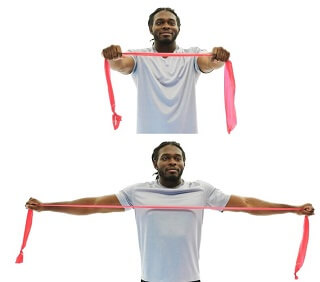
  1. External and Internal Rotations: Using resistance bands or light weights, these exercises target the rotator cuff muscles, crucial for shoulder stability.
  2. Scapular Push-Ups: Focuses on the muscles that stabilize the shoulder blade, promoting better posture and shoulder mechanics.
  3. Shoulder Taps: A core and shoulder stability exercise that involves alternating taps to the opposite shoulder while in a plank position.
  4. Face Pulls: Using resistance bands or a cable machine, this exercise strengthens the upper back and shoulder stabilizers.
  5. Overhead Carries: Holding a weight overhead while walking challenges the shoulder stabilizers and improves overall shoulder endurance.

Shoulder stability training is a vital component of a hockey player’s fitness regimen. By focusing on injury prevention, enhancing performance, improving upper body strength and endurance, promoting better posture and biomechanics, and aiding in rehabilitation, shoulder stability exercises help players stay healthy and perform at their best.

At River East Chiropractic, we understand the unique demands of hockey and offer comprehensive services, including chiropractic care, acupuncture, massage therapy, and personal training, to help you achieve your goals. Our full gym is equipped with everything you need to incorporate shoulder stability training into your routine. Our experienced staff is dedicated to helping you become a stronger, faster, and more durable athlete. Whether you’re recovering from an injury or looking to enhance your performance, River East Chiropractic is here to support your journey every step of the way.

Enhance Speed and Power with Trap Bar Deadlift for Hockey Players

For hockey players, speed is a crucial component of performance on the ice. The ability to accelerate quickly, maintain high speeds, and change direction rapidly can make the difference between winning and losing. To enhance these capabilities, strength training becomes a vital part of a hockey player’s regimen. Among various strength training exercises, the trap bar deadlift stands out as particularly beneficial for hockey players looking to increase their speed. Here’s why the trap bar deadlift is such an effective exercise for this purpose.

1. Improved Explosive Power

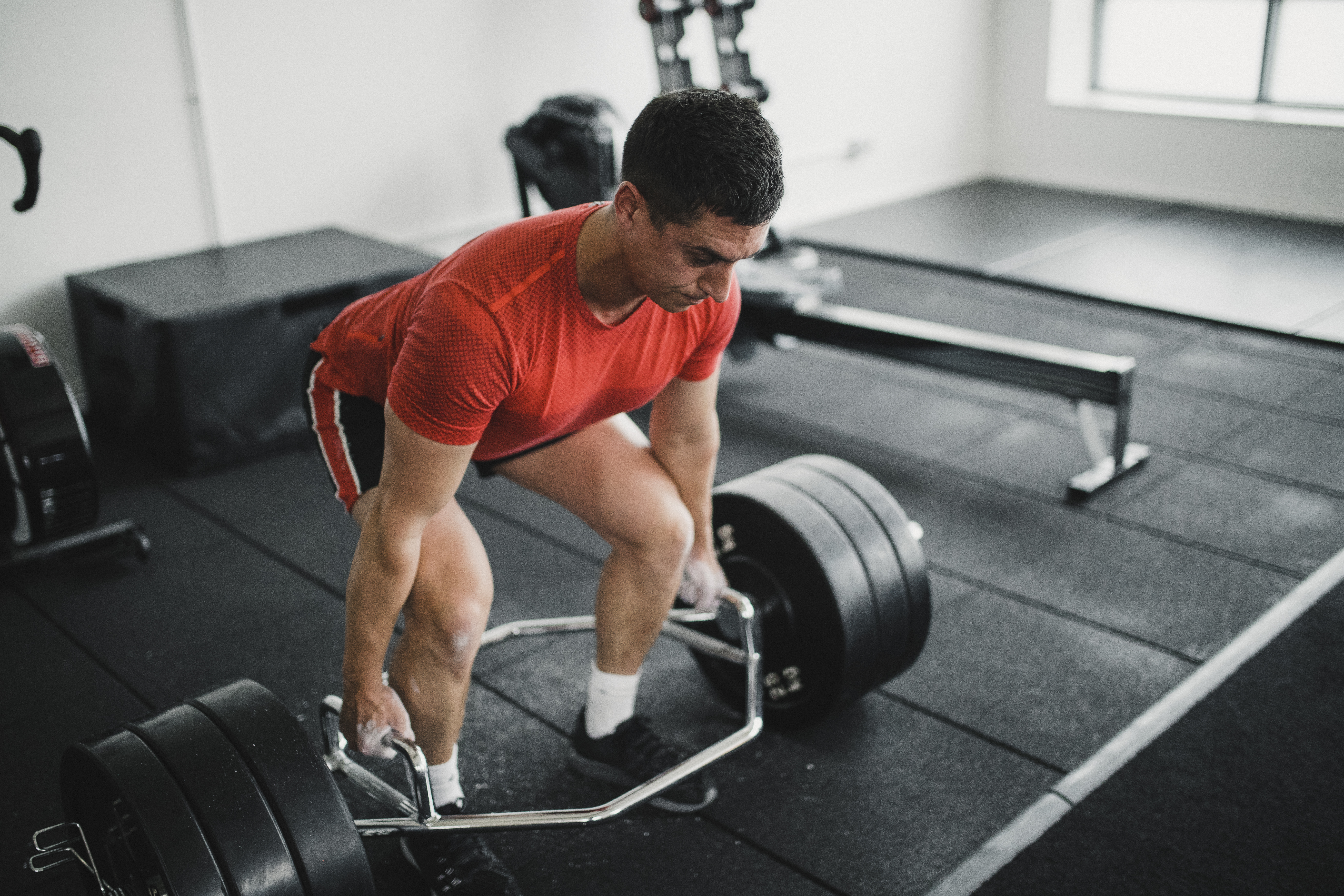
Speed on the ice is heavily reliant on explosive power. The trap bar deadlift is an excellent exercise for developing this type of power. Unlike traditional deadlifts, the trap bar deadlift allows athletes to lift heavier weights more comfortably and safely. This exercise emphasizes the development of the posterior chain, including the glutes, hamstrings, and lower back, which are critical muscles for generating explosive movements. By incorporating the trap bar deadlift into their training routine, hockey players can improve their ability to explode off the starting line, making them faster and more agile.

2. Reduced Risk of Injury

Hockey is a physically demanding sport with a high risk of injury, particularly to the lower back and knees. The design of the trap bar allows for a more natural lifting position, reducing the strain on the lower back compared to traditional straight bar deadlifts. This is especially important for hockey players, who need to maintain their health and avoid time off the ice due to injuries. The trap bar deadlift also places less stress on the knees by promoting a more balanced distribution of weight and encouraging proper form, further reducing the risk of injury.

3. Enhanced Core Stability

Core stability is vital for maintaining balance and control while skating at high speeds. The trap bar deadlift engages the core muscles to a significant extent, helping to build the stability needed for quick direction changes and maintaining a strong, balanced position on the ice. A strong core also contributes to better posture and endurance, allowing players to sustain high performance throughout the game.

4. Functional Strength Development

The movements involved in the trap bar deadlift closely mimic the skating motion in hockey. By strengthening the muscles used in skating through functional strength exercises like the trap bar deadlift, players can translate their gym work directly into improved on-ice performance. This exercise helps build the leg strength and power needed for strong, powerful strides, contributing to overall speed and efficiency in skating.

5. Versatility and Accessibility

The trap bar deadlift is a versatile exercise that can be easily modified to suit different fitness levels and goals. For beginners, it provides a safer introduction to weightlifting by promoting proper form and reducing the risk of injury. For more advanced athletes, increasing the weight can continuously challenge and build muscle strength. The trap bar deadlift’s versatility makes it an excellent addition to any hockey player’s training regimen, ensuring they can continually progress and improve their performance.

6. Improved Jump Performance

Vertical and horizontal jumps are critical for hockey players, especially for quick starts and explosive movements. Studies have shown that the trap bar deadlift can significantly improve jump performance, which translates to better on-ice acceleration and power. By enhancing their jumping ability, hockey players can improve their overall agility and explosiveness, making them more effective in both offensive and defensive plays.

The trap bar deadlift is a powerful tool for hockey players aiming to increase their speed and overall athletic performance. By improving explosive power, reducing injury risk, enhancing core stability, developing functional strength, and boosting jump performance, this exercise addresses multiple facets of athleticism crucial to success in hockey. Incorporating the trap bar deadlift into a regular training regimen can help hockey players achieve new levels of speed, agility, and power on the ice.

At River East Chiropractic, we understand the unique needs of athletes and offer comprehensive services, including personal training, chiropractic care, massage therapy, acupuncture, Pilates, and access to a full gym. Our team of experts is dedicated to helping you maximize your training and reach your full potential. Whether you’re looking to enhance your speed, recover from an injury, or improve overall performance, we have the resources and expertise to support your journey.

How Chiropractic Care Can Help Soccer Players Excel on the Field


Photo by Zac Frith on Pexels.com

Soccer, known as the beautiful game, demands exceptional physical fitness, agility, and coordination. From sprinting down the field to executing precise passes and powerful kicks, soccer players put their bodies through intense physical stress. To perform at their best and avoid injuries, athletes must maintain peak physical condition. Chiropractic care can be a game-changer for soccer players, offering numerous benefits that can enhance performance and prevent injuries. In this blog post, we’ll explore how chiropractic care can help soccer players excel on the field.

1. Enhancing Performance

Improved Range of Motion: Soccer requires a high degree of flexibility and range of motion in the hips, knees, and ankles. Chiropractic adjustments can help maintain and improve joint mobility, ensuring that players can move freely and perform at their highest level.

Optimized Biomechanics: Proper spinal alignment is crucial for efficient movement and energy transfer. Chiropractors can identify and correct misalignments that may hinder a player’s performance. This optimization can lead to better posture, balance, and coordination on the field.

Increased Strength and Agility: Regular chiropractic care can enhance the function of the nervous system, which controls muscle movement and strength. By ensuring that the nervous system is operating efficiently, chiropractors can help athletes improve their strength and agility, giving them a competitive edge.

2. Preventing Injuries

Reduced Risk of Overuse Injuries: Soccer players are prone to overuse injuries due to the repetitive nature of the sport. Chiropractic care can help manage and prevent these injuries by ensuring that the body’s musculoskeletal system is balanced and functioning correctly.

Early Detection of Issues: Regular visits to a chiropractor can help identify potential problems before they become serious injuries. Chiropractors are trained to detect subtle imbalances and dysfunctions that may not yet be causing pain but could lead to injury if left untreated.

Enhanced Recovery: In the event of an injury, chiropractic care can facilitate faster recovery. Techniques such as spinal adjustments, soft tissue therapy, and rehabilitation exercises can reduce pain, inflammation, and muscle tension, promoting quicker healing.

3. Pain Management

Natural Pain Relief: Soccer players often experience pain from sprains, strains, and impact injuries. Chiropractic adjustments can provide natural pain relief by reducing inflammation and improving joint function, without the need for medication.

Addressing Chronic Pain: For players dealing with chronic pain conditions, chiropractic care can offer long-term solutions by addressing the underlying causes of pain. Regular adjustments can help manage conditions such as lower back pain, neck pain, and headaches, allowing athletes to focus on their game.

4. Holistic Health Benefits

Improved Overall Wellness: Chiropractic care is not just about treating injuries; it’s about promoting overall health and wellness. By maintaining proper spinal alignment and nervous system function, players can experience improved sleep, better digestion, and enhanced immune function.

Mental Clarity and Focus: A well-functioning nervous system can lead to improved mental clarity and focus, essential attributes for any athlete. Soccer players need sharp reflexes and quick decision-making abilities, which can be enhanced through regular chiropractic care.

Why Choose River East Chiropractic?

At River East Chiropractic, we understand the unique needs of soccer players and offer comprehensive care to help you achieve your best performance. Our facility provides a range of services, including chiropractic adjustments, acupuncture, massage therapy, and personal training, all tailored to meet the specific demands of athletes.

Comprehensive Care: Our integrated approach ensures that you receive holistic care that addresses all aspects of your health and performance. Whether you need injury prevention, pain management, or performance enhancement, our team is here to support you.

State-of-the-Art Facility: Our fully equipped gym and experienced trainers provide the perfect environment for you to train and recover. We offer personalized fitness programs designed to improve strength, flexibility, and endurance.

Expert Team: Our chiropractors, acupuncturists, massage therapists, and trainers are experienced in working with athletes and are dedicated to helping you reach your full potential.

Conclusion

Chiropractic care offers a multitude of benefits for soccer players, from enhancing performance and preventing injuries to managing pain and promoting overall wellness. At River East Chiropractic, we are committed to helping you excel on the field and achieve your athletic goals. Visit us today to learn how our comprehensive care can make a difference in your game. Let us help you stay at the top of your game and keep playing the sport you love.

Understanding Piriformis Syndrome: Symptoms, Causes, and Treatment Options

Piriformis syndrome is a condition where the sciatic nerve is compressed as it passes underneath a muscle in your buttock called the piriformis. This muscle attaches from the sacrum (the lowest part of your spine) and extends across to your hip, helping to rotate your leg outward when it contracts. For most people, the sciatic nerve travels deep beneath the piriformis muscle. However, if the piriformis muscle becomes irritated or goes into spasm, it can cause painful compression of the sciatic nerve. Interestingly, about a quarter of the population is more likely to suffer from piriformis syndrome because their sciatic nerve passes through the muscle rather than underneath it.

Causes of Piriformis Syndrome

Piriformis syndrome can start suddenly due to an injury or develop gradually from repeated irritation. Common causes include:

  • Falls onto the buttocks
  • Catching oneself from a near fall
  • Strains
  • Long-distance walking
  • Stair climbing
  • Sitting on hard surfaces or wallets

In many cases, a specific triggering event cannot be pinpointed. This condition is most common in people aged 40-60 and affects women more often than men.

Symptoms of Piriformis Syndrome

Symptoms of piriformis syndrome include:

  • Pain, numbness, or tingling that begins in the buttock and radiates along the sciatic nerve toward the foot.
  • Symptoms often increase when sitting or standing in one position for more than 15-20 minutes.
  • Changing positions may help alleviate symptoms.
  • Increased discomfort when walking, running, climbing stairs, riding in a car, sitting cross-legged, or getting up from a chair.

Effective Treatments for Piriformis Syndrome

Sciatica arising from piriformis syndrome is one of the most treatable forms of sciatica and generally responds well to the type of treatment provided at our office. Here are some effective treatment options:

1. Chiropractic Adjustments

Chiropractors can perform adjustments to help relieve pressure on the sciatic nerve and improve overall spinal alignment, reducing irritation of the piriformis muscle.

2. Massage Therapy

Massage can help relax the piriformis muscle, reduce spasms, and alleviate sciatic nerve compression.

3. Physical Therapy

Physical therapists can guide you through specific exercises to stretch and strengthen the piriformis muscle and surrounding muscles, promoting better muscle balance and reducing pressure on the sciatic nerve.

4. Acupuncture

Acupuncture can help relieve muscle tension and improve blood flow, reducing pain and promoting healing.

5. Home Care and Exercises

Applying an ice pack to your buttock for 15-20 minutes at a time, several times throughout the day, can provide relief. Additionally, home stretching exercises are an important part of your recovery. Here are some stretches you can try:

  • Piriformis Stretch: Lie on your back with both knees bent. Cross the affected leg over the other, resting the ankle on the opposite knee. Gently pull the bottom knee toward your chest until you feel a stretch in the buttock.
  • Hamstring Stretch: Sit on the ground with your legs extended straight out. Reach toward your toes, keeping your back straight, until you feel a stretch along the back of your thighs.

Conclusion

Piriformis syndrome can be a painful and debilitating condition, but with proper treatment, it is highly manageable. If you suspect you have piriformis syndrome, consult with a healthcare professional for an accurate diagnosis and personalized treatment plan. At River East Chiropractic, we offer comprehensive care, including chiropractic adjustments, acupuncture, massage therapy, occupational therapy, and access to a full gym, to help you find relief from piriformis syndrome and get back to your favorite activities.

Contact us today to schedule an appointment and start your journey toward a pain-free life. Don’t forget to follow us on social media for more health tips and updates!

10 Effective Muscle Recovery Tips to Reduce Soreness and Alleviate Discomfort


Engaging in regular exercise is essential for maintaining a healthy lifestyle, but it often comes with the inevitable muscle soreness. Whether you’re a seasoned athlete or just starting your fitness journey, muscle recovery is crucial for reducing soreness, alleviating discomfort, and getting you back to your favorite exercises. Here are ten effective tips to help you recover faster and more efficiently.

1. Stay Hydrated

Hydration plays a vital role in muscle recovery. Water helps transport nutrients to your muscles and remove toxins, which aids in the recovery process. Aim to drink at least 8-10 glasses of water daily, and more if you’re engaging in intense workouts.

2. Get Adequate Sleep

Sleep is when your body does most of its repairing and rebuilding. Aim for 7-9 hours of quality sleep per night to ensure your muscles recover properly. Consider creating a relaxing bedtime routine to improve your sleep quality.

3. Incorporate Stretching and Yoga

Stretching after a workout helps to reduce muscle stiffness and improve flexibility. Incorporate a stretching routine or yoga sessions into your fitness regime to promote muscle relaxation and enhance recovery.

4. Use Foam Rollers

Foam rolling is a form of self-myofascial release that helps to alleviate muscle tightness, soreness, and inflammation. Spend 10-15 minutes foam rolling after your workouts to help your muscles recover faster.

5. Consider Massage Therapy

Massage therapy can significantly aid in muscle recovery by improving circulation, reducing muscle tension, and promoting relaxation. Schedule regular massages or use self-massage tools to help alleviate soreness.

6. Eat a Balanced Diet

Proper nutrition is essential for muscle recovery. Include a mix of protein, carbohydrates, and healthy fats in your diet to provide your muscles with the necessary nutrients for repair. Foods rich in antioxidants, such as berries and leafy greens, can also help reduce inflammation.

7. Take Epsom Salt Baths

Epsom salt baths are known for their muscle-soothing properties. The magnesium in Epsom salts helps to relax muscles and reduce soreness. Soak in a warm bath with Epsom salts for 20-30 minutes after a strenuous workout.

8. Apply Ice and Heat Therapy

Ice packs can help reduce inflammation and numb sore muscles, while heat therapy can increase blood flow and relax tight muscles. Alternate between ice and heat for 10-15 minutes each to alleviate discomfort.

9. Engage in Active Recovery

Active recovery involves low-intensity exercises, such as walking, swimming, or cycling, which help to keep your blood flowing and muscles moving without causing additional strain. Incorporate active recovery days into your workout routine.

10. Stay Consistent with Your Routine

Consistency is key to preventing excessive soreness and promoting overall muscle health. Stick to a regular exercise routine, gradually increasing intensity to allow your muscles to adapt and recover efficiently.

Conclusion

Implementing these muscle recovery tips can help you reduce soreness, alleviate discomfort, and get back to your favorite exercises more quickly. By prioritizing hydration, sleep, nutrition, and recovery techniques, you can enhance your overall fitness journey and achieve better results. Remember, taking care of your muscles is just as important as the workout itself.

For personalized muscle recovery strategies and more fitness tips, visit our blog regularly. Don’t forget to share this post with your workout buddies and let us know your favorite recovery techniques in the comments below!


River East Chiropractic: Expertise in Hip Muscle Strengthening

The role of hip muscles in maintaining leg alignment during movement cannot be overstated. Among these muscles, the gluteus medius stands out for its crucial stabilizing function during activities such as walking, running, and squatting. Positioned on the side of the hip, the gluteus medius plays a pivotal role in stabilizing the pelvis and preventing unwanted movements of the leg.

When you raise one leg, the opposite gluteus medius muscle must contract to counterbalance the body’s tendency to tip in the direction of the lifted leg. Similarly, when standing on a bent leg, the gluteus medius works to prevent the knee from collapsing inward, a position known as “knock knee” or “valgus.”

Weakness in the gluteus medius can lead to various problems. For instance, it allows the pelvis to drop and the knee to cave inward during walking or running, placing excessive strain on the hip and knee joints. This misalignment can cause the kneecap to rub against the thigh bone, resulting in irritation and potentially leading to arthritis over time. Moreover, walking or running with a knock knee posture can stress the ligaments around the knee, increasing the risk of sprains. Additionally, this misalignment can affect the foot arch, contributing to conditions like plantar fasciitis. Furthermore, weak hip muscles can lead to a forward pelvic tilt, which in turn can cause a swayback posture and contribute to lower back pain. Notably, hip muscle weakness appears to be more prevalent in females, particularly among athletes.

Certain activities can exacerbate hip abductor weakness and should be avoided, such as standing with excessive weight on one hip, sitting cross-legged, or sleeping in a side-lying position that stretches the hip abductors. Individuals with fallen arches may benefit from arch supports or orthotics to provide additional support. Furthermore, addressing obesity through diet and exercise can reduce stress on the hip muscles and improve overall musculoskeletal health.

Strength training is the cornerstone of treatment for hip abductor weakness. Building strength in these muscles not only helps prevent injuries but also enhances overall stability and function. Individuals with stronger hip muscles are less likely to experience hip and knee problems associated with weakness and misalignment.

At River East Chiropractic, we recognize the importance of addressing hip abductor weakness as part of a comprehensive approach to musculoskeletal health. Our facility boasts a full gym equipped with state-of-the-art equipment and experienced trainers who specialize in addressing conditions like upper crossed syndrome and hip muscle weakness. Our trainers work closely with patients to develop personalized strength training programs tailored to their specific needs and goals. Through targeted exercises and guidance on proper form and technique, we help individuals strengthen their hip muscles and improve overall stability and alignment.

In addition to strength training, chiropractic care can complement efforts to address hip abductor weakness. Chiropractors are trained to assess and treat musculoskeletal imbalances, including those affecting the hips and pelvis. Through manual adjustments and therapeutic techniques, chiropractors can help restore proper alignment and function to the pelvis and spine, reducing strain on the hip muscles and promoting optimal musculoskeletal health.

By incorporating strength training, chiropractic care, and lifestyle modifications, individuals can effectively manage hip abductor weakness and reduce the risk of associated musculoskeletal problems. With the support of our skilled team at River East Chiropractic, patients can achieve improved function, reduced pain, and a higher quality of life