JFK’s Fitness Initiatives: A Legacy of Health and Strength

In the early 1960s, President John F. Kennedy recognized the growing need for a national focus on physical fitness. Concerned about the overall health of the American population—especially the youth—he believed that a strong and physically capable nation was essential for its future success. His initiatives in promoting physical fitness were groundbreaking and set the tone for decades of health-conscious policies in the United States.

Kennedy’s passion for fitness can be traced back to his personal experiences. Despite dealing with several chronic health issues, including back problems, JFK remained an advocate for staying physically active. His experiences in World War II, particularly his role in rescuing his crew after their PT boat was sunk, reinforced his belief in the importance of physical endurance and strength.

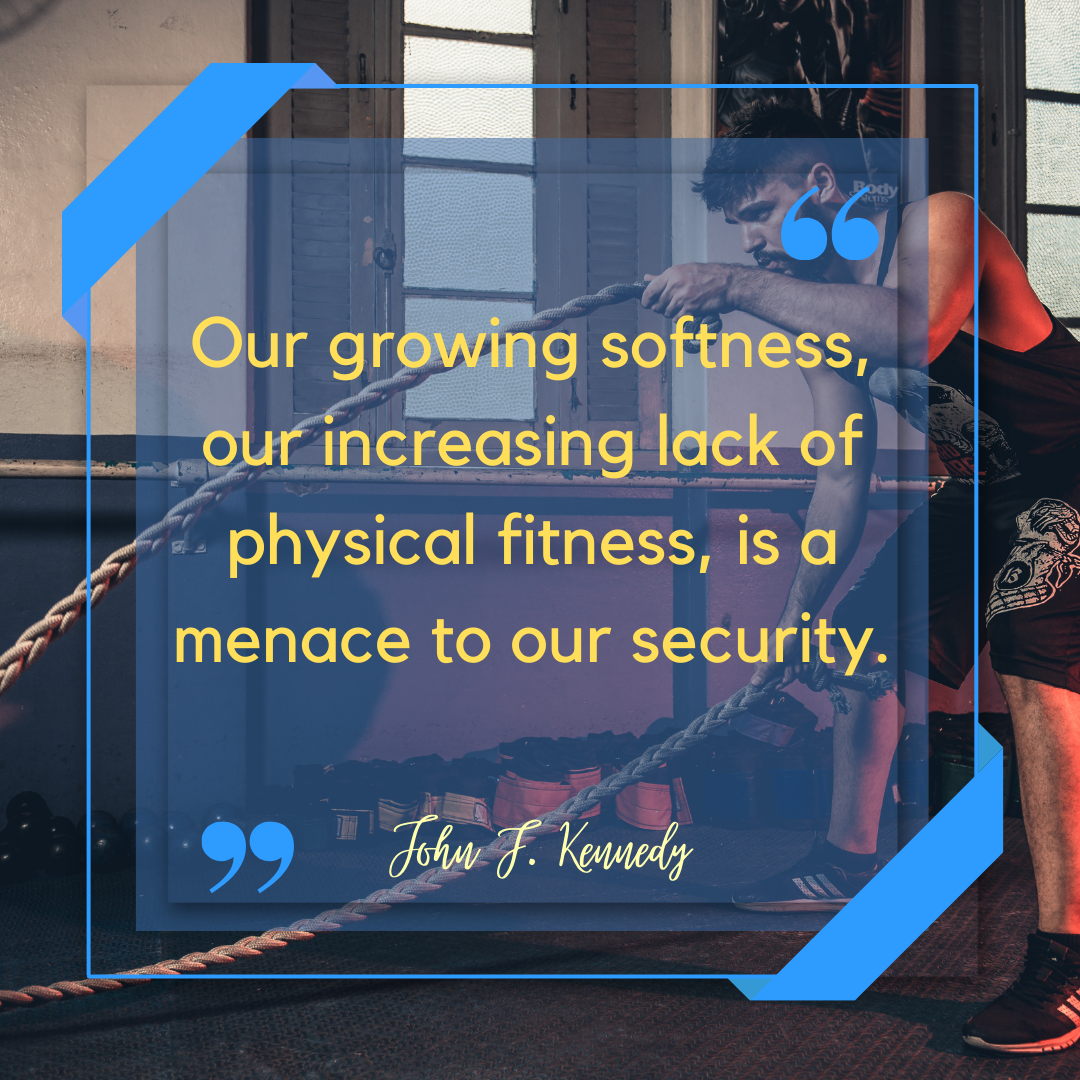
Shortly after taking office, JFK published an article titled “The Soft American” in Sports Illustrated in 1960. In this article, he voiced his concern that Americans were becoming too sedentary, with physical activity taking a backseat to modern conveniences. He wrote that this decline in physical fitness posed a threat to the nation’s overall well-being, as well as its ability to maintain global leadership. Kennedy emphasized that fitness was not just about individual health, but about national strength and preparedness.

To address this issue, Kennedy established the President’s Council on Physical Fitness, expanding on an existing initiative from the Eisenhower administration. Under JFK’s leadership, the Council promoted physical education programs in schools and developed new fitness tests to ensure that children were meeting national health standards. Kennedy also encouraged adults to incorporate regular exercise into their daily lives, highlighting activities like walking, running, and swimming as simple yet effective ways to stay fit.

One of the most notable aspects of JFK’s fitness initiatives was his challenge to the military to improve their physical standards. He promoted the 50-mile hike, originally designed by Theodore Roosevelt, as a test of endurance, even encouraging his staff to participate.

JFK’s fitness initiatives left a lasting legacy. His efforts to inspire Americans to prioritize their physical well-being contributed to a cultural shift towards health and fitness that continues today. Through his programs, Kennedy set a standard that recognized the importance of physical fitness not only for individuals but for the strength and resilience of the nation.

Boost Your Heart Health with These Foods

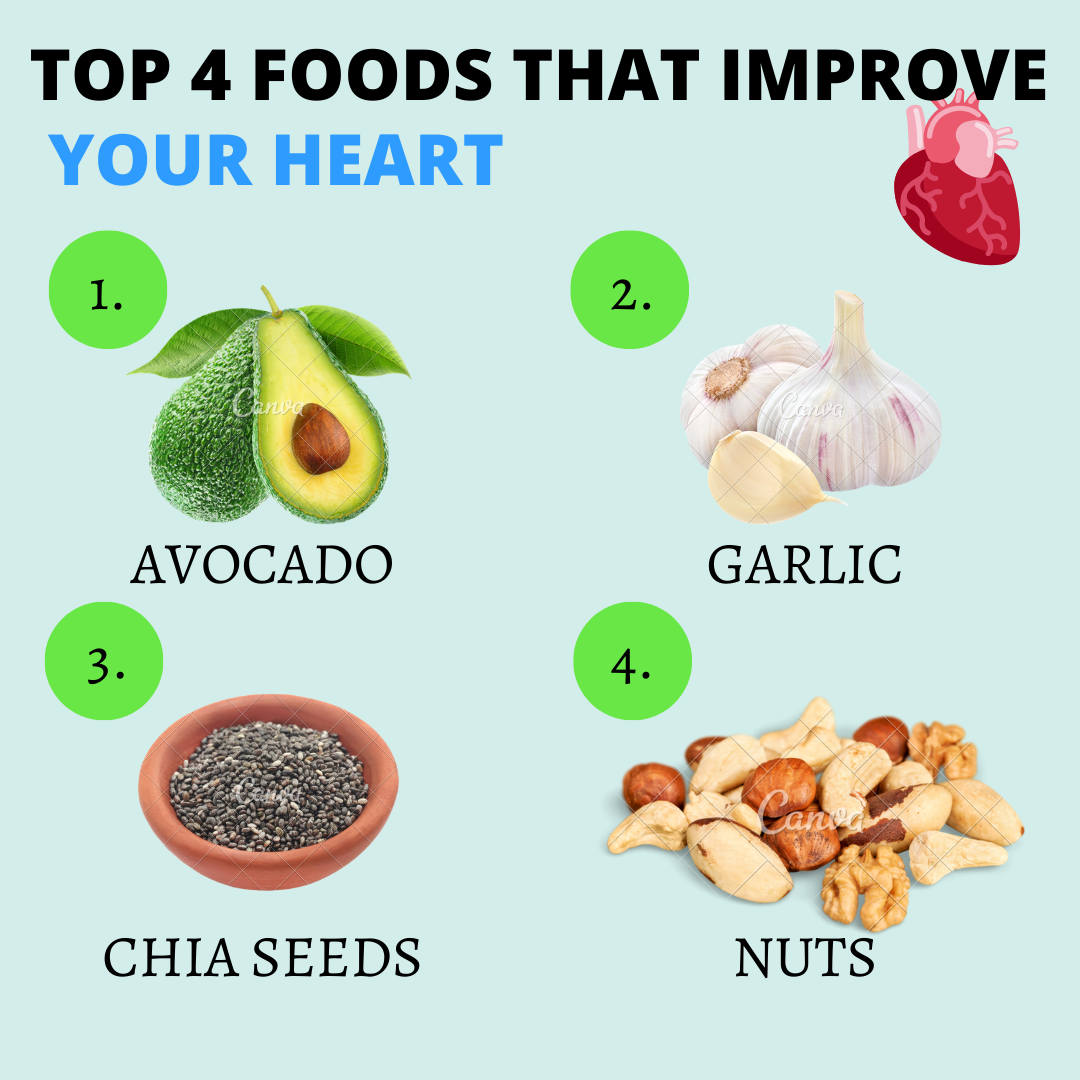
Maintaining heart health is essential for overall well-being, and incorporating specific foods into your diet can significantly contribute to cardiovascular wellness. Four powerhouse foods—avocado, chia seeds, garlic, and nuts—are especially beneficial for heart health.

Avocado is rich in monounsaturated fats, which can help lower bad cholesterol levels (LDL) while raising good cholesterol (HDL). The fiber in avocados also aids in maintaining healthy blood pressure and supporting heart function.

Chia seeds are tiny but mighty. Packed with omega-3 fatty acids, fiber, and antioxidants, they help reduce inflammation and lower blood pressure. Their high fiber content also supports digestive health, contributing to overall cardiovascular function.

Garlic is well-known for its heart-protective properties. It contains allicin, a compound that has been shown to lower cholesterol levels and reduce blood pressure. Regular consumption of garlic may also improve arterial health, enhancing blood flow and reducing the risk of heart disease.

Nuts, particularly walnuts, almonds, and pistachios, are excellent sources of healthy fats, protein, and fiber. Their rich nutrient profile helps lower cholesterol levels, reduce inflammation, and improve blood vessel function. Nuts are also linked to lower risks of heart disease when consumed regularly.

Incorporating these heart-healthy foods into your diet can lead to significant improvements in cardiovascular health. Enjoy avocados in salads, sprinkle chia seeds on yogurt, add garlic to your dishes, and snack on a handful of nuts to nourish your heart and enhance your well-being.

The Positive Impact of Exercise on Mood

Exercise is often touted for its physical benefits, but its positive effects on mental health are equally significant. Engaging in regular physical activity can dramatically enhance your mood and overall emotional well-being.

One of the primary reasons exercise boosts mood is the release of endorphins—natural chemicals in the brain that act as painkillers and mood elevators. This phenomenon, often referred to as the “runner’s high,” can lead to feelings of euphoria and a reduction in stress and anxiety levels.

Additionally, exercise helps to reduce symptoms of depression. Research shows that regular physical activity can be as effective as medication for some individuals in alleviating depressive symptoms. Activities like running, swimming, or even brisk walking can help break the cycle of negative thoughts and promote a sense of accomplishment.

Exercise also encourages better sleep, which is crucial for mood regulation. Improved sleep quality leads to increased energy levels and enhanced cognitive function, making it easier to manage daily stressors.

Finally, working out provides an opportunity for social interaction. Group classes, sports teams, or simply exercising with friends can foster a sense of community and support, further boosting your mood.

Incorporating regular exercise into your routine can lead to lasting improvements in your mental health, helping you feel more balanced, energized, and resilient. So lace up those sneakers and get moving—your mind will thank you!

Nobody Does Dieting Perfectly: Recovering from a Binge Without Stress

In the journey toward healthier eating, it’s essential to remember that perfection is an unrealistic expectation. Everyone has moments of indulgence, whether it’s a slice of cake at a birthday party or a late-night snack binge. Instead of feeling guilty or stressed after a binge, it’s important to shift your mindset and focus on recovery.

Firstly, understand that one day of overeating won’t derail your progress. Your overall health is determined by your habits over time, not a single meal or snack. Allow yourself to enjoy these moments without self-judgment. Embrace the idea that food is meant to be enjoyed, and it’s okay to indulge occasionally.

To recover from a binge, return to your normal eating patterns without restriction. Focus on nourishing your body with balanced meals rich in whole foods, like fruits, vegetables, lean proteins, and whole grains. Hydration is also key; drinking water can help your body reset.

Lastly, practice self-compassion. Acknowledge that everyone faces challenges with food, and it’s all part of the journey. By approaching your eating habits with kindness and understanding, you can maintain a positive relationship with food and navigate your wellness journey with confidence.

How Food Impacts Mood

The connection between food and mood is a powerful one, significantly influencing our emotional well-being. Certain nutrients play key roles in regulating mood and mental health. For instance, omega-3 fatty acids, found in fatty fish like salmon, have been linked to reduced symptoms of depression and anxiety. These healthy fats support brain function and promote the production of neurotransmitters that elevate mood.

Complex carbohydrates, such as whole grains, fruits, and vegetables, are also essential. They stabilize blood sugar levels, preventing energy crashes that can lead to irritability and mood swings. Additionally, these foods are rich in fiber, which supports gut health—an increasingly recognized factor in mental well-being.

On the other hand, consuming high amounts of processed foods, sugar, and unhealthy fats can have a negative impact on mood. These foods can lead to inflammation and blood sugar spikes, contributing to feelings of anxiety and depression.

To enhance your mood, focus on a balanced diet rich in whole, nutrient-dense foods. By prioritizing what you eat, you can positively influence your emotional health and overall well-being.

How Fitness Positively Impacts Calmness Levels

Engaging in regular physical activity has profound effects on your mental well-being, particularly in promoting calmness and reducing stress. Exercise triggers the release of endorphins, often referred to as “feel-good” hormones, which can elevate your mood and create a sense of relaxation.

Aerobic activities, such as running, swimming, or cycling, can be especially effective in alleviating anxiety and promoting a peaceful state of mind. These exercises increase blood flow to the brain, enhancing cognitive function and helping to clear racing thoughts.

Moreover, fitness routines often encourage mindfulness. Activities like yoga and Pilates focus on breathing and body awareness, fostering a meditative state that enhances calmness and reduces mental clutter.

By incorporating regular exercise into your routine, you not only improve your physical health but also cultivate a greater sense of tranquility and balance in your life.

For more wellness tips, visit rivereastchiropractic.ca.

River East Chiropractic is now open until 8pm on Mondays and Thursdays.

Foods That Negatively Impact Sleep

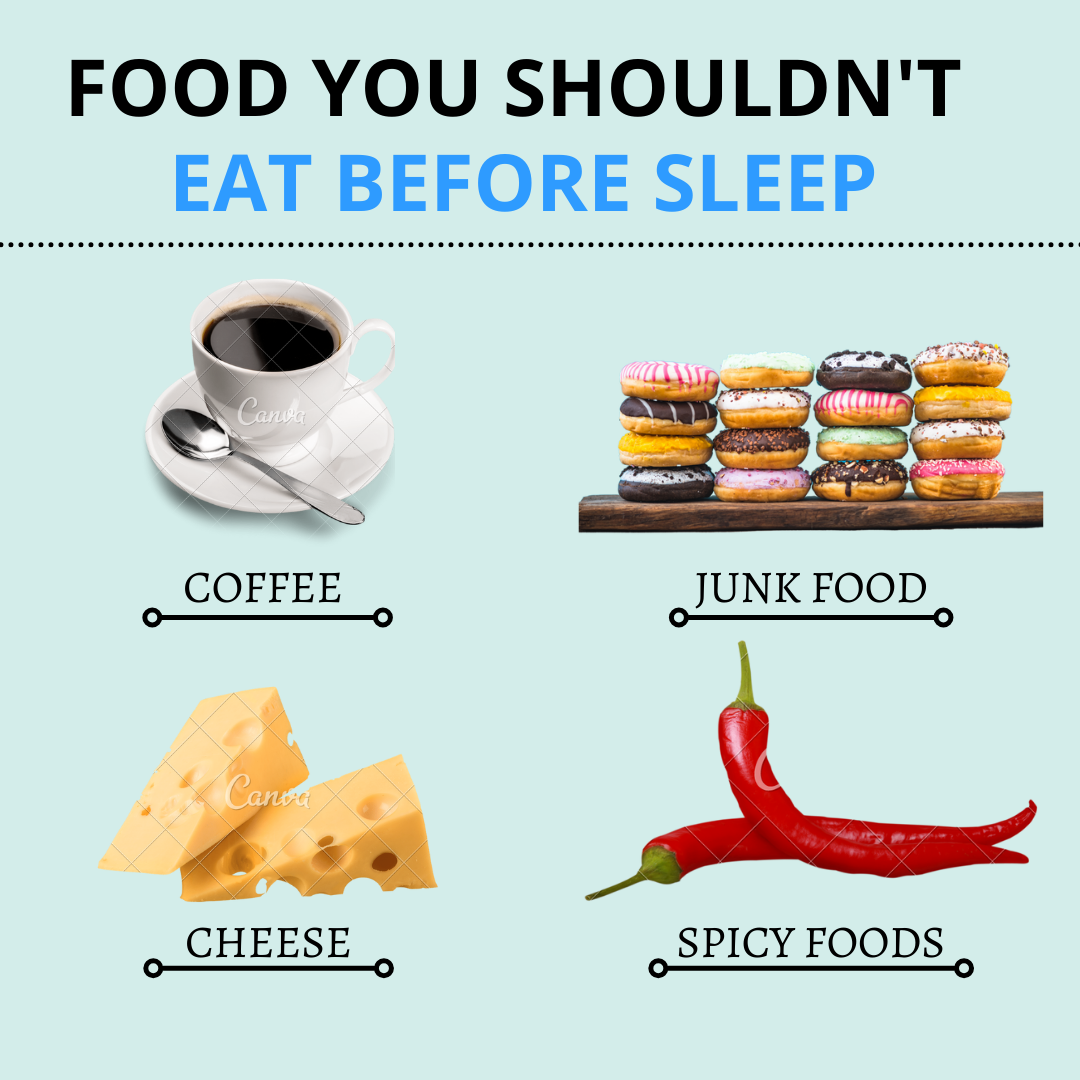
What you eat can significantly impact your sleep quality. Certain foods can interfere with your ability to fall asleep and stay asleep through the night. Caffeine is one of the most notorious culprits; found in coffee, tea, chocolate, and some sodas, it can disrupt your sleep if consumed too close to bedtime.

High-sugar foods can also lead to sleep disturbances. Sugary snacks can cause spikes and crashes in blood sugar levels, making it harder to fall asleep. Similarly, heavy or rich meals late at night can lead to discomfort and indigestion, keeping you awake.

Alcohol may initially make you drowsy, but it can disrupt sleep patterns and prevent restorative sleep cycles. Lastly, spicy foods can cause heartburn and discomfort, further impeding restful sleep.

To improve your sleep, focus on lighter, balanced meals earlier in the evening.

For more health tips, visit rivereastchiropractic.ca.

River East Chiropractic is now open until 8pm on Mondays and Thursdays.

How to Avoid Starting and Stopping Your Fitness Routine

Many people struggle with maintaining a consistent fitness routine, often falling into the cycle of starting and stopping. To break this cycle, set clear and realistic goals that inspire you. Instead of vague goals like “get fit,” aim for specific targets, such as running a 5K or lifting a certain weight.

Creating a schedule is crucial. Designate specific days and times for your workouts, treating them as important appointments. This consistency helps establish a habit over time.

Finding activities you genuinely enjoy can also make a significant difference. Experiment with various classes, sports, or outdoor activities until you discover what excites you. Working out with a friend can enhance accountability and make exercising more enjoyable.

Finally, celebrate your progress, no matter how small. Acknowledging your achievements boosts motivation and helps maintain your commitment to fitness.

For more tips on staying active, visit rivereastchiropractic.ca.

River East Chiropractic is now open until 8pm on Mondays and Thursdays.

How to Avoid Overeating

Overeating can hinder your health and fitness goals, but there are effective strategies to help you stay in control. One of the most important is to practice mindful eating. Slow down and savor each bite, paying attention to the flavors and textures of your food. This helps your brain register when you’re full, reducing the chances of overeating.

Another tip is to serve smaller portions. Using smaller plates can create the illusion of a fuller plate, tricking your brain into feeling satisfied with less food. Staying hydrated is also key—sometimes thirst can be mistaken for hunger. Drinking water before meals can help you feel fuller.

Additionally, ensure your meals are balanced, incorporating protein, fiber, and healthy fats. These nutrients help keep you satiated for longer periods. Finally, avoid distractions while eating, such as screens, to focus more on your meal.

For more health tips, visit rivereastchiropractic.ca.

River East Chiropractic is now open until 8pm on Mondays and Thursdays.