Restaurant salads may seem like a healthy option, but they often hide a surprising number of calories. Ingredients like creamy dressings, croutons, cheese, and candied nuts can turn a simple salad into a high-calorie meal. For example, ranch dressing or blue cheese can add 200–300 calories alone, while toppings like bacon or fried chicken add even more. Sugary vinaigrettes or excess oils can also pack hidden calories. Choosing light dressings, lean proteins, and simple toppings can help keep your salad nutritious and low-calorie.
Be mindful of these add-ons the next time you order!
Fitness and chiropractic care complement each other, enhancing overall wellness. Regular exercise strengthens muscles, improves flexibility, and promotes cardiovascular health, while chiropractic adjustments ensure proper alignment, improving mobility and reducing pain. Together, they work to enhance posture, reduce injury risk, and boost energy levels. Fitness not only contributes to physical health but also supports mental clarity and stress relief, while chiropractic care keeps your body functioning optimally.
River East Chiropractic offers a full fitness facility with personal training, allowing you to focus on holistic wellness. We are now open until 8 p.m. on Mondays and Thursdays!
A proper, healthy diet is a cornerstone of overall well-being and significantly impacts quality of life. The foods we eat provide the nutrients our bodies need to function properly, influencing everything from energy levels to mental clarity and long-term health.
A balanced diet rich in whole foods—such as fruits, vegetables, whole grains, lean proteins, and healthy fats—provides the vitamins and minerals necessary for maintaining optimal body functions. For instance, fiber from fruits and vegetables aids digestion and helps prevent conditions like heart disease and diabetes, while protein is essential for muscle repair and growth. Healthy fats from sources like avocados and nuts support brain health and reduce inflammation.
Eating well also supports mental health. Research shows that diets high in processed foods and sugar are linked to increased rates of anxiety and depression, while nutrient-dense foods, like those rich in omega-3 fatty acids and antioxidants, can boost mood and cognitive function. Furthermore, a proper diet supports sustained energy levels, reducing the need for stimulants like caffeine and avoiding crashes associated with sugary snacks.
Long-term, a healthy diet can help prevent chronic diseases, including heart disease, diabetes, and certain cancers. It can also promote longevity and improve the ability to enjoy daily activities without the hindrance of illness or fatigue.
In summary, proper nutrition goes beyond just weight management. It lays the foundation for physical, mental, and emotional well-being, fostering a longer, more vibrant life. A commitment to eating well truly enhances quality of life in profound ways.
Pushing your limits during a workout is essential for growth, but doing it safely is key to avoiding injury and burnout. One effective approach is progressive overload, where you gradually increase the intensity of your workouts. This could mean adding more weight, increasing reps, or shortening rest periods. The goal is to challenge your body without pushing it too far too quickly.
Listening to your body is crucial. Discomfort is expected, but sharp pain or unusual fatigue are signs to scale back. Proper warm-ups and cool-downs, as well as maintaining good form, reduce the risk of injury. It’s also important to mix high-intensity workouts with rest days or lighter sessions to allow your muscles to recover.
Incorporating active recovery, like stretching or yoga, can help alleviate soreness while keeping you active. Staying hydrated and consuming a balanced diet are equally important, as they support your body’s ability to perform and recover. Finally, consider consulting a fitness professional to create a plan that challenges you safely.
Pushing your limits, when done mindfully, leads to greater strength, endurance, and overall fitness without unnecessary setbacks.
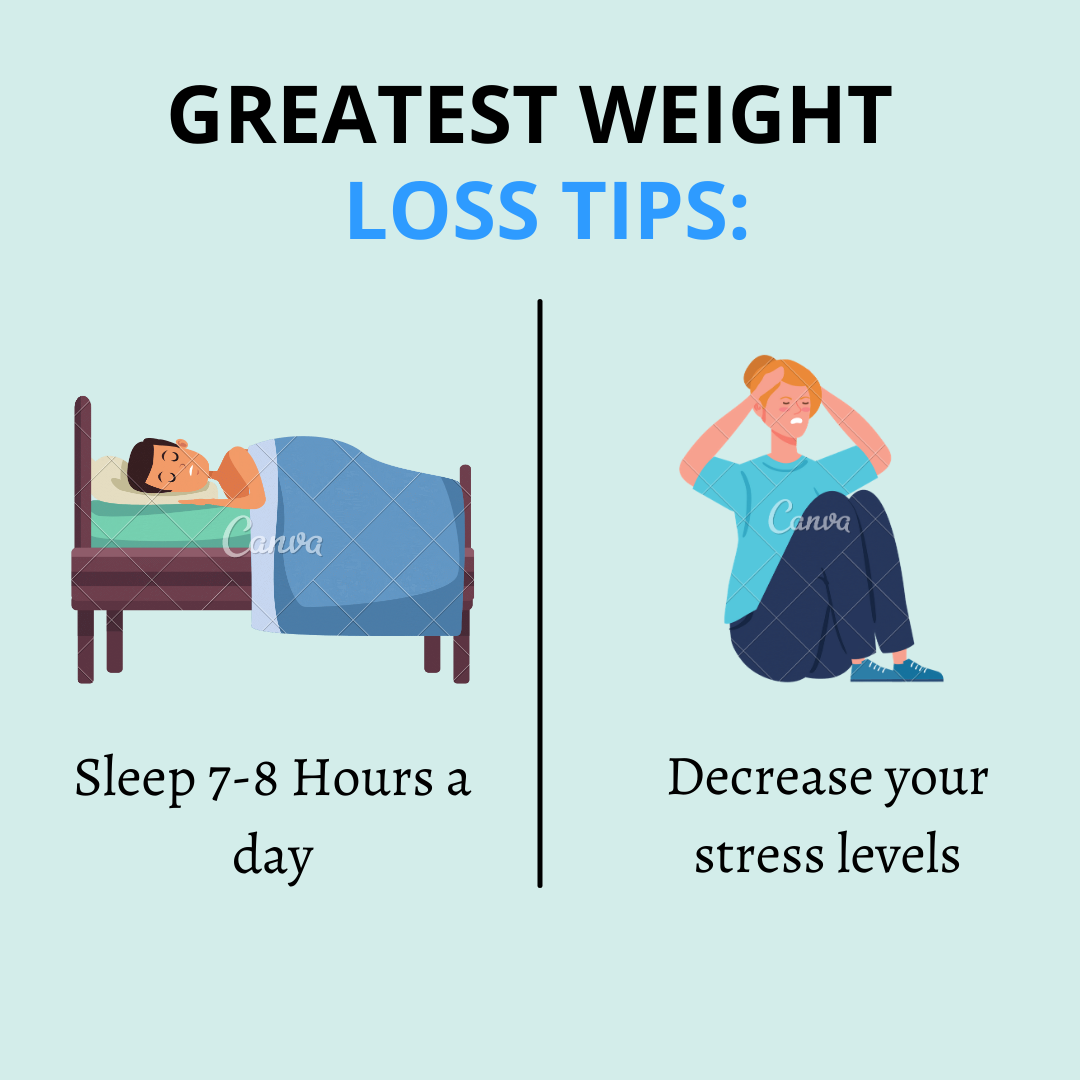
Getting more sleep and managing stress can significantly improve weight loss and overall wellness. Sleep plays a crucial role in regulating hormones like ghrelin and leptin, which control hunger and satiety. When you don’t get enough rest, your body produces more ghrelin (the hunger hormone) and less leptin, leading to increased appetite and overeating. Studies show that people who sleep 7–9 hours a night are more likely to maintain a healthy weight compared to those who get less.
Stress, on the other hand, triggers the release of cortisol, a hormone that increases cravings for high-calorie foods. Chronic stress can also lead to emotional eating, making it harder to maintain a balanced diet. Lowering stress through mindfulness, meditation, or regular exercise can help reduce cortisol levels, curb cravings, and improve mental well-being.
By prioritizing quality sleep and reducing stress, you support not only weight loss but also your immune system, mental clarity, and mood. This holistic approach creates a healthier lifestyle that promotes long-term success, both physically and emotionally.
One of the most famous stories in sports history is Michael Jordan being cut from his high school basketball team. As a sophomore at Laney High School in Wilmington, North Carolina, Jordan tried out for the varsity basketball team but didn’t make the cut. His coach believed Jordan needed more development and placed him on the junior varsity team instead.
Rather than being discouraged, Jordan used this setback as motivation. He worked tirelessly to improve his skills, pushing himself harder in every practice and game. His perseverance paid off, as he not only made the varsity team the following year but eventually became one of the greatest basketball players in history. This story is a testament to how failure can fuel determination and lead to extraordinary success. Jordan himself has said, “I’ve failed over and over and over again in my life, and that is why I succeed.”
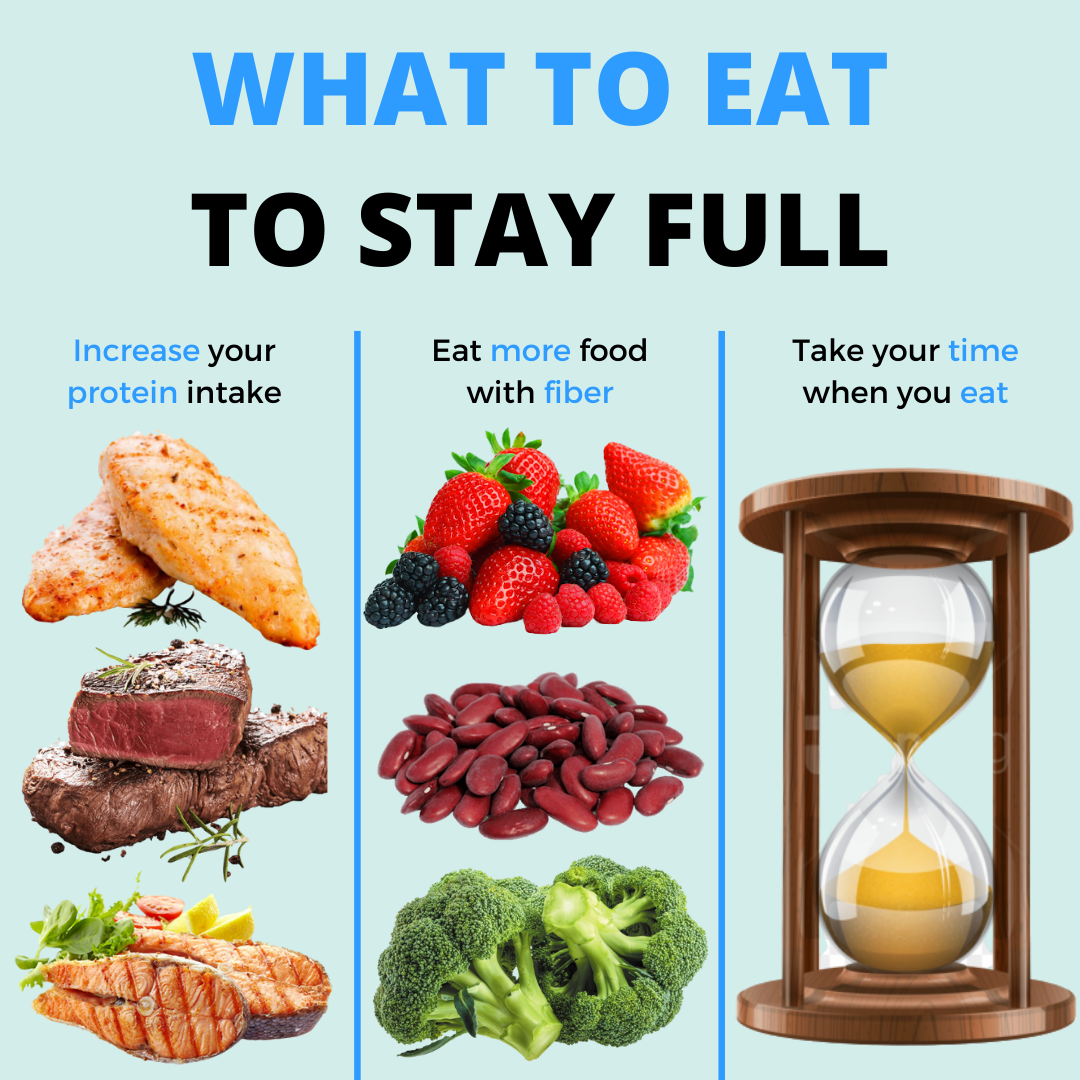
To stay full longer, focus on foods rich in protein, fiber, and healthy fats. Eggs, lean meats, and legumes like beans or lentils are excellent sources of protein, which promotes satiety. Oats, quinoa, and whole grains provide fiber that slows digestion, keeping you full. Nuts, seeds, and avocados offer healthy fats that take longer to break down, curbing hunger. Vegetables like broccoli and spinach are also fiber-rich, adding volume without many calories. Incorporating these foods into your meals helps regulate appetite and supports sustained energy throughout the day.
When we think of champions, physical strength and skill are often what come to mind. But behind every great athlete, performer, or leader is something less visible but just as crucial—mental toughness. This trait separates those who reach the top from those who fall short, and it plays a vital role in achieving long-term success.
What is Mental Toughness?
Mental toughness is the ability to remain focused, resilient, and composed under pressure. It’s about pushing through adversity, maintaining discipline, and staying committed to goals, even when the odds seem stacked against you. While physical abilities can carry you part of the way, it’s mental toughness that allows you to keep going when things get tough.
At its core, mental toughness involves:
Emotional control: Managing stress, frustration, and fear during high-stakes situations.
Resilience: Bouncing back from setbacks or failures without losing confidence.
Focus: Keeping attention on long-term goals despite distractions or challenges.
Self-belief: Trusting your abilities even when external results aren’t immediately apparent.
How Mental Toughness Builds a Champion
Overcoming Adversity Champions are often faced with adversity. Injuries, losses, or failures are inevitable, but mental toughness allows athletes and performers to view setbacks as opportunities for growth. Instead of getting discouraged, mentally tough individuals learn from their experiences and come back stronger.
Performing Under Pressure The greatest moments in sports or life often come in high-pressure situations. Whether it’s a final shot, a championship game, or a critical decision at work, mental toughness helps you remain calm, focused, and confident. This enables you to execute at your best when it matters most.
Consistency and Discipline Champions don’t just rely on talent; they put in the work every single day. Mental toughness is what keeps them disciplined and committed, even when motivation is low. It’s what gets them out of bed at 5 a.m. for training or encourages them to keep practicing a skill after hours of failure. The ability to stay consistent with effort, regardless of external factors, is key to reaching the top.
Self-Confidence Believing in yourself is an essential component of success. Mental toughness strengthens self-confidence by reinforcing the belief that you can handle challenges and persevere. With a strong mindset, doubt becomes less powerful, and you are more likely to push through difficult moments without losing sight of your goals.
How to Develop Mental Toughness
While some people may naturally possess a high degree of mental toughness, it is a skill that can be developed. Here are a few ways to build it:
Embrace challenges: Face your fears and step outside your comfort zone regularly. Over time, you’ll become more comfortable with discomfort.
Develop a growth mindset: View failures as learning opportunities rather than roadblocks. Celebrate effort, progress, and resilience.
Practice mindfulness: Techniques like meditation and visualization can help improve focus and emotional control, which are critical to mental toughness.
Set small goals: Achieving smaller goals along the way builds momentum and confidence, reinforcing your mental strength.
Stay positive: Mentally tough individuals maintain a positive attitude, even in tough circumstances. Learn to reframe negative thoughts and focus on what you can control.
Conclusion
Mental toughness is the secret ingredient behind every champion’s success. It drives resilience, consistency, and peak performance, helping individuals push past obstacles and reach their full potential. By developing mental toughness, you can not only improve your performance in sports or work but also navigate life’s challenges with greater confidence and determination.
John Wooden, often regarded as one of the greatest coaches in sports history, was born on October 14, 1910, in Hall, Indiana. Known as the “Wizard of Westwood,” Wooden achieved unparalleled success as the head coach of UCLA’s men’s basketball team, where he led the Bruins to 10 NCAA championships in a 12-year span, including an unprecedented seven consecutive titles from 1967 to 1973.
Wooden’s coaching career was defined not just by his team’s victories, but by his holistic approach to developing players. He emphasized values like discipline, teamwork, and integrity, encapsulated in his famous “Pyramid of Success,” which outlined the key traits needed for both athletic and personal achievement. His philosophy was centered on character building and striving for excellence rather than merely focusing on winning.
Before his UCLA tenure, Wooden was a three-time All-American guard at Purdue University and served as a high school coach. Wooden’s influence extended far beyond the court; he was a mentor, teacher, and an inspiration to countless athletes, coaches, and leaders. John Wooden passed away on June 4, 2010, but his legacy of leadership, wisdom, and sportsmanship continues to inspire generations.