What are trigger points.

What is a Trigger Point?

Trigger Points (TP’s) are defined as a “hyper-irritable spot within a taut band of skeletal muscle. The spot is painful on compression and can evoke characteristic referred pain and autonomic phenomena.”1

Put into plain language, a TP is a painful knot in muscle tissue that can refer pain to other areas of the body. You have probably felt the characteristic achy pain and stiffness that TP’s produce at some time in your life.

Trigger points in the upper traps.

One of the most common issues that I treat on a daily basis is trigger points in the upper traps. The trapezius muscle or “traps” is a large diamond shaped muscle located in you back and neck. The upper portion of this muscle is one on the most common areas to become strained due to poor posture or emotional stress. When this

happens trigger points are sure to develop. These points will cause pain to be felt up the neck, behind the ear, and traveling to the temple. Trigger points in the upper traps are one of the most common causes of headache pain, as well as a stiff neck.

Piriformis syndrome

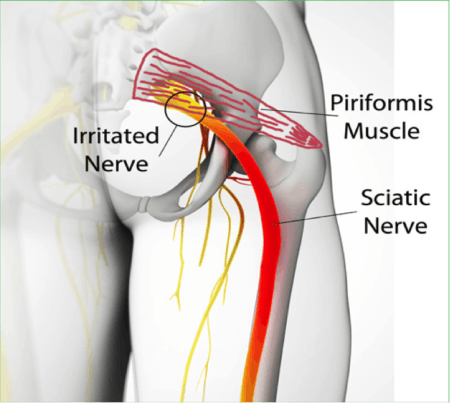
Piriformis syndrome is caused by a tight contracted piriformis muscle putting pressure on the sciatic nerve causing symptoms of tingling, numbness, and altered sensation. This muscle is often tight in people who sit for long periods of time. A common cause of this muscle being contracted and tight are trigger points. These trigger points are contracted knots within the belly of the muscle. These knots cause the muscle to become shortened. Trigger points will also cause pain on their own. This is usually felt as a deep achy pain in the glute and hip area, as well as in the back of the leg.

The rectus femoris muscle is one of your quad muscles. It acts primarily to extend the knee but it also helps to flex the hip. This muscle is often overloaded from athletic activity, but it also can become chronically shortened from prolonged sitting. Trigger points will refer pain deep into the knee producing a deep ache felt into the joint.

Trigger points in the trapezius muscle.

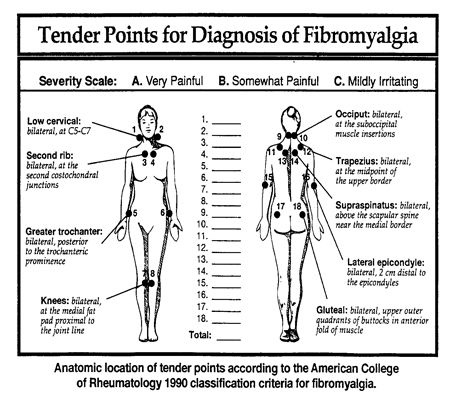
The trapezius muscle is a large diamond shaped muscle located in your back. This muscle is often overloaded due to poor sitting posture or excessive exercise. When this occurs trigger points will form. These points can cause back, neck, and shoulder pain. Trigger points in the upper traps are a leading cause of headache.

Trigger points in the gluteus Maximus muscle.

The gluteus Maximus muscle makes up your buttock. It’s is a powerful hip extensor and thus used heavily during activities such as walking, running, and climbing up stairs. Most atheletes abuse this muscle. When overworked trigger points will form, and these points will cause pain to be felt in the hip, sacrum and the as well as deep in the gluteal area. Litterally a pain in the butt!! Trigger points won’t release on their own and require interventions like trigger point massage.

Trigger point massage

Session Description


A treatment with Bryan is very user friendly. And, no, you don’t have to remove any clothing. However, bringing a t-shirt and a pair of shorts or sweats is recommended.


The first time you come for a treatment you will be asked to fill out a Client History form. Bryan will go over the information you provide, asking for more detail and discussing the type of pain you are having and its location.


The treatment itself involves locating the Trigger Points in the muscle or soft tissue and applying a deep focused pressure to the Point. This will reproduce the pain and the referral pattern that is characteristic of that pain.


The treatment will be uncomfortable at first, but as the Trigger Points release, the pain will decrease. The pressure will always be adjusted to your tolerance level. If, at any time, you feel too uncomfortable you can ask Bryan to ease off a bit.


Depending on your specific problem, Bryan may also use some stretching and / or range-of-motion techniques, as needed.


After treatment, it is usually recommended that the client apply moist heat to the area treated.