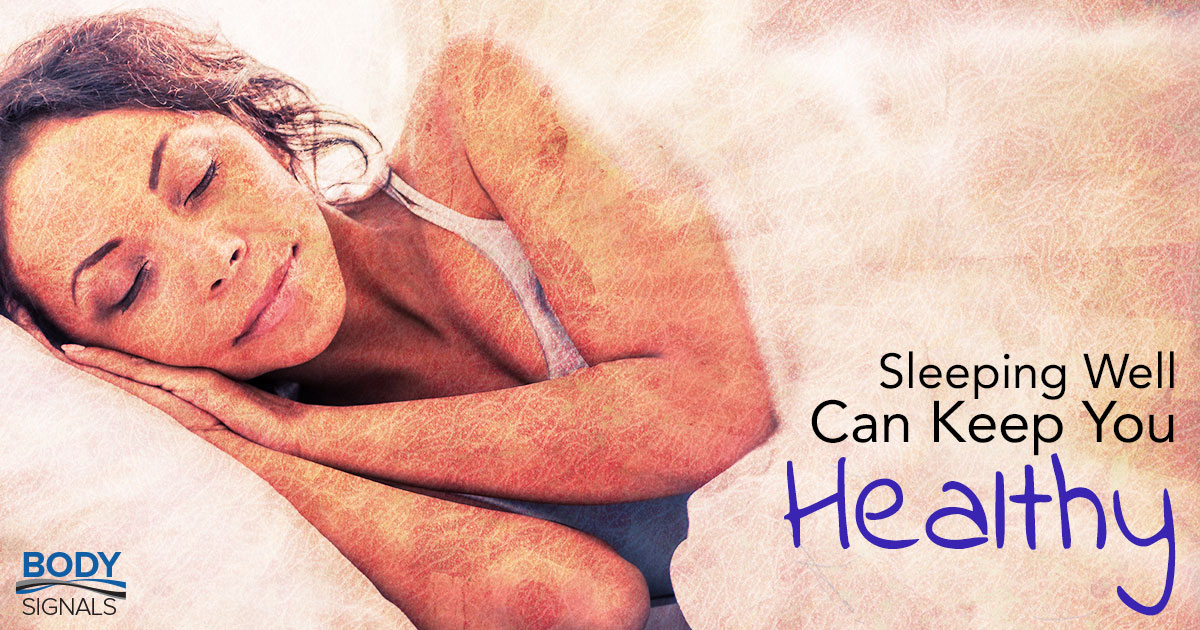
Sleeping Well Can Keep You Healthy 

Bottom Line:

New research has shown that not only can a good night’s sleep keep you mentally sharp, but it can also help you stay healthy by strengthening your immune system. For years physicians have believed that sleep supports the healing process, and now new evidence has been discovered that indicates sleep also plays a role in regulating your immune function. Your immune system is the complex network of cells, tissues, and organs that protect your body from disease, so keeping that system functioning at its highest level is very important to your overall health and wellness. 

Why it Matters:

While you’re asleep, your central nervous system is in constant communication with your immune system. Many immune system functions operate on a 24 hour cycle, just like your sleep schedule. In fact, your T-cells, which are some of the most important immune cells, are very, very active while you’re asleep. Everyone may not require the same amount of sleep, but the research is clear: getting a good night’s sleep will help bolster your immune system. 

  • Your body uses sleep as its time to rest and recover.
  • Sleep patterns are tightly linked to your immune function.
  • Chronic sleep issues promote inflammation and pain. 

Next Steps: 

Sleeping well has been proven to be an essential part of staying healthy. Sleep disorders, such as sleep apnea, can make it extremely difficult to get a good night’s sleep and leave you feeling tired and sleepy all day. If you have experienced difficulty sleeping, let us know. We have an upcoming workshop where we’ll be discussing not only the causes of many of these issues, but also the action steps you can take to FINALLY get a great night of sleep! 

Science Source: 

Sleep and immune function. European Journal of Physiology. 2012 

Chiropractic: Abnormal Neck Posture Associated with Headache Risk.

Chiropractic: Abnormal Neck Posture Associated with Headache Risk.

After comparing neck x-rays of patients with cervicogenic headaches (or headaches originating from dysfunction in the neck) to neck x-rays of healthy controls, researchers found that just a 3-4° difference in cervical lordosis (curve) is associated with an 8% increased risk for developing this type of headache.


Physical Therapy, February 2015

For more health and wellness tips and information follow us or check out our blog at http://www.aberdeenchiropracticblog.com 

Photo by Andrea Piacquadio on Pexels.com

Diet: Are Fruits and Vegetables Good for Your Lungs?

Diet: Are Fruits and Vegetables Good for Your Lungs?

A meta-analysis of 38 studies indicates that eating fruits and vegetables can have a protective effect on the lungs. After reviewing data concerning nearly five million individuals, researchers conclude that consuming up to two servings of fruit and two servings of vegetables per day is associated with as much as a 16% reduced risk for developing lung cancer.


Lung Cancer, February 2015


For more health and wellness tips and information follow us or check out our blog at http://www.aberdeenchiropracticblog.com 

Photo by Trang Doan on Pexels.com

Wellness/Prevention: Eat More Carrots to Reduce Diabetes Risk!

Wellness/Prevention: Eat More Carrots to Reduce Diabetes Risk!

A diet rich in alpha-carotene and beta-carotene can reduce a person’s risk for developing type 2 diabetes by as much as 22%. The most common source of carotenes in the American diet is carrots; however, pumpkin, winter squash, sweet potato, spinach, and broccoli are also great food sources of alpha-carotene and/or beta-carotene.

Nutrition, Metabolism, and Cardiovascular Diseases, December 2014


For more health and wellness tips and information follow us or check out our blog at http://www.aberdeenchiropracticblog.com 

Quote: “And in the end it is not the years in your life that count, it’s the life in your years.” ~ Abraham Lincoln

Photo by mali maeder on Pexels.com

The Best Sleep Position 

Bottom Line:

One of the most common questions we get from patients is: “What’s the best sleeping position?” Considering you spend nearly one-third of your life sleeping, this is an important question to ask! Top researchers have found one of the best positions to sleep is on your side with your head supported, shoulders centered, and a pillow between your legs. This allows for the best alignment of your spine and reduces the pressure on your neck, low back, hips, and legs – all of which leads to a more restful night of sleep.

Why it Matters:

Sleeping is the time where your body can maximize rest and recovery. Not only can a lack of sleep cause grogginess the next day, but chronic sleep issues can lead to depression, insomnia, and even make aches and pains worse! If you have ever woken up with a “crick” in your neck, you know how taxing an awkward sleeping position can be on your spine. Maintaining a neutral position and keeping your spine in alignment overnight is an essential part of waking up energized and ready to conquer the day. 

  • Chronic sleep disturbances have been linked to depression and many common pain syndromes.
  • Maintaining proper spinal alignment at night can decrease your aches and pains.
  • Sleeping on your side with your head and legs supported is the best sleep position for your spine.

Next Steps: 

Tonight, when you lie in bed, take a look and make sure your nose and belly button are in alignment. If they are, it’s a good sign your spine is in both an optimal and comfortable sleep posture. Then, take a small pillow and place it between your knees to give your legs and hips that proper added support. Following these quick tips will help you get into the best position to have a great night’s sleep. 

Science Source: 

National Sleep Foundation. http://www.sleep.org 

Harvard Health Publishing. Harvard Medical School 2018

From the “No Kidding” files: Light Activity Good for Seniors’ Hearts.

Exercise: Light Activity Good for Seniors’ Hearts.

Light physical activity appears to benefit older adults’ hearts even if they suffer from mobility issues. Research involving almost 1,200 elderly adults with limited mobility revealed that those who fit some movement into their day, such as light housework or slow walking, had a lower risk of suffering a heart attack over the following ten years. Senior researcher Dr. Thomas Buford adds, “I think this and other studies are showing us it’s never too late for people to benefit from physical activity.”

Journal of the American Heart Association, February 2015


For more health and wellness tips and information follow us or check out our blog at http://www.aberdeenchiropracticblog.com 

Photo by Magda Ehlers on Pexels.com

Diet: Unhealthy Foods on the Rise in Developing Nations.

Diet: Unhealthy Foods on the Rise in Developing Nations.

While citizens in wealthier nations may be eating healthier foods, developing nations are consuming more processed meats and sugar-sweetened drinks than ever before. Senior study author Dr. Dariush Mozaffarian warns, “There is a particularly urgent need to focus on improving diet quality among poorer populations. If we do nothing, under-nutrition will be rapidly eclipsed by obesity and non-communicable diseases, as is already being seen in India, China, and other middle-income countries.”


The Lancet Global Health, February 2015


For more health and wellness tips and information follow us or check out our blog at http://www.aberdeenchiropracticblog.com 

Photo by Mustata Silva on Pexels.com

Wellness/Prevention: Lowering Diabetes Risk Among Pre-Diabetics.

Wellness/Prevention: Lowering Diabetes Risk Among Pre-Diabetics.

University of Michigan Medical School researchers have found that healthy weight-loss strategies can reduce the risk of developing type 2 diabetes among prediabetics by as much as 28% over a three-year period.

British Medical Journal, February 2015

For more health and wellness tips and information follow us or check out our blog at http://www.aberdeenchiropracticblog.com 

Quote: “Remember, darkness does not always equate to evil, just as light does not always bring good.” ~ P.C. Cast

Photo by Andres Ayrton on Pexels.com

Chiropractic: Prevention Is Key to Avoid Back Pain.

Chiropractic: Prevention Is Key to Avoid Back Pain.

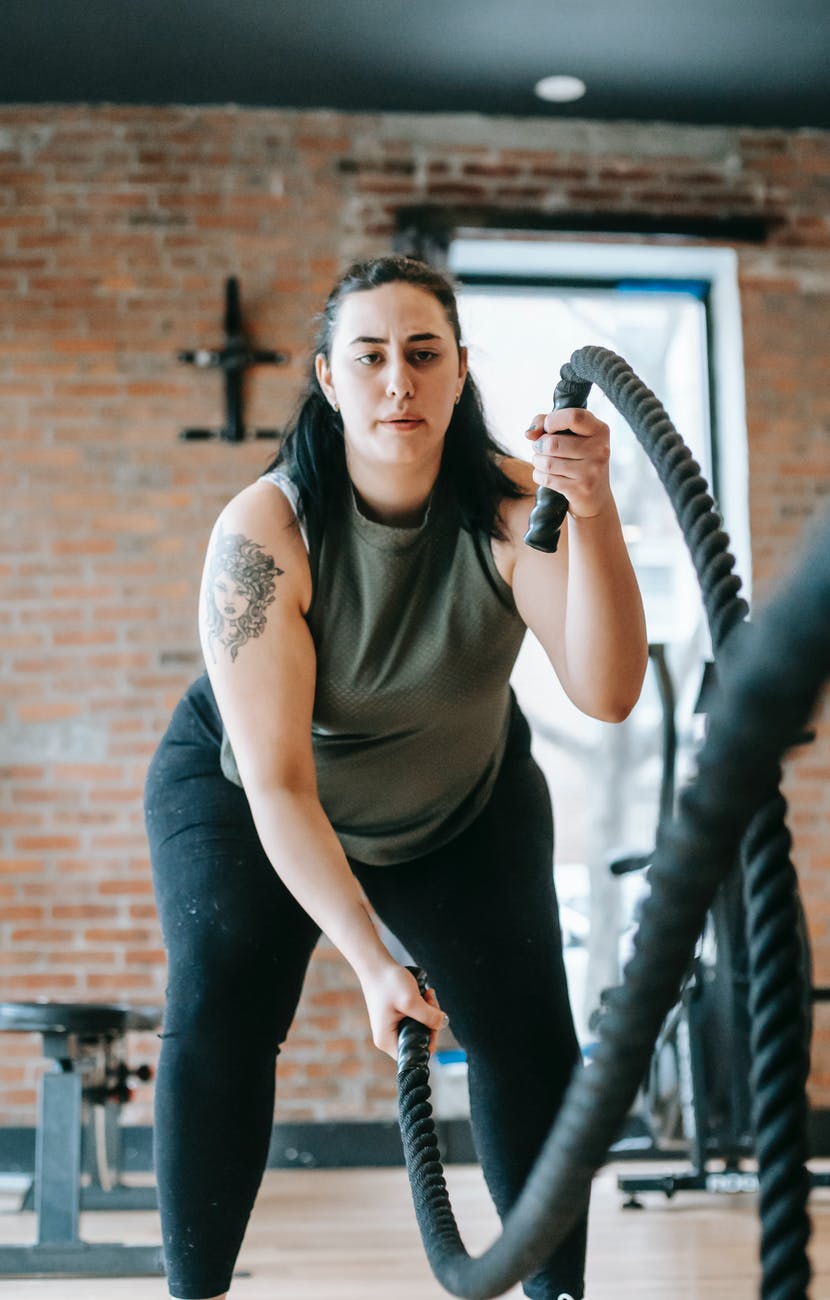
The American Chiropractic Association offers these suggestions to help protect your back and improve your spinal health: maintain a healthy diet and weight, exercise regularly, maintain proper posture, avoid prolonged inactivity or bed rest, quit smoking, and use good body mechanics when lifting.


American Chiropractic Association, August 2014


For more health and wellness tips and information follow us or check out our blog at http://www.aberdeenchiropracticblog.com 

Photo by Scott Webb on Pexels.com
Photo by Ketut Subiyanto on Pexels.com
Photo by Anete Lusina on Pexels.com

Diet: Experts Say a Little Fat & Sugar OK for Kids if Diet Is Healthy.

Diet: Experts Say a Little Fat & Sugar OK for Kids if Diet Is Healthy.

Children’s eating habits are a growing concern due to the high prevalence of childhood obesity in the United States and other Western countries. A leading group of pediatricians suggests that a little sugar and fat is okay in a child’s diet if it helps them eat more fruits and vegetables. Researcher Dr. Robert Murray comments, “Think of sweeteners, fat, salt, and spices as ways to make nutrient-rich foods more palatable to children.”


Pediatrics, February 2015


For more health and wellness tips and information follow us or check out our blog at http://www.aberdeenchiropracticblog.com 

Photo by Olya Kobruseva on Pexels.com