CranioSacral Technique Is Here!

CranioSacral Technique is especially good at treating headaches.

CranioSacral Technique is here and now available at Aberdeen Chiropractic!

Dr. Natalie Carriere has come on board offering CST, Karen Specific Technique (KST), Acupuncture, Chiropractic, Dry Needling and rehabilitation at Aberdeen Chiropractic.

What is CranioSacral Technique? What does it treat?

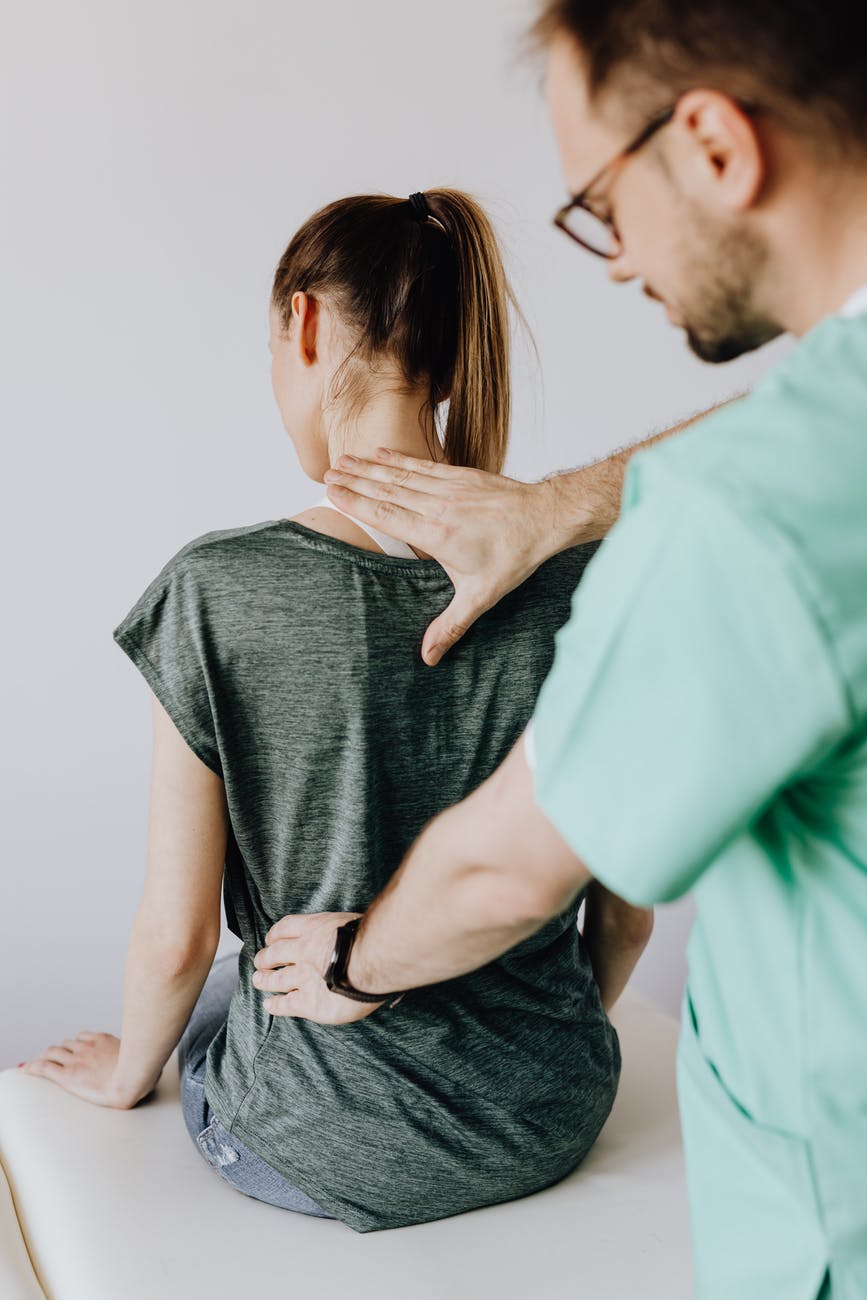
CranioSacral Technique (CST) is a light touch treatment method of relieving pain and dysfunction.

CST releases tension to allow the entire body to relax and self-correct. Using gentle, light touch you are evaluated and treated to reduce pain and physical stress.

Because it is such a gentle technique, not is considered an excellent treatment option for patients of all ages, especially newborn and elderly patients who are concerned with what is seen as traditional Chiropractic treatment.

For more information or to book an appointment with Dr. Carriere please call us at 204-586-8424 or email at info@aberdeenchiropractic.com

Shoulder Impingement Syndrome

Shoulder Impingement Syndrome
Impingement syndrome
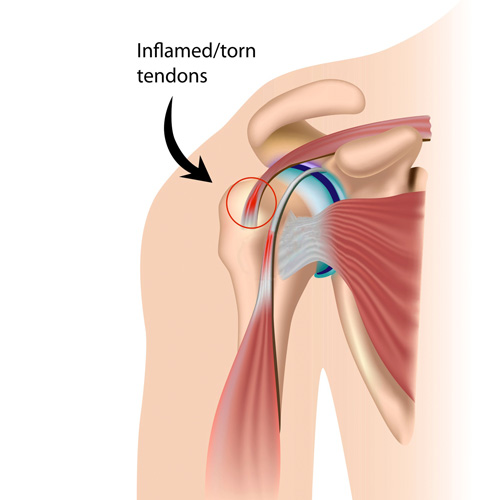
Impingement syndrome is an irritation of the structures between the upper portion of your arm and your shoulder blade mainly during overhead arm movements.The rotator cuff is comprised of four muscles that help position the humerus, your upper arm bone, into the shoulder socket during arm movement.The shoulder has great mobility but at the same time is prone to injury during falls or accident, or when there is a lack of motor control (altered biomechanics).Men over 40 performing manual labour are the most affected with this condition. It is also present in young athletes practicing sports involving repeated overhead motion such as swimming, baseball or tennis.

▬▬▬▬▬

Structures involved

The tendons of the rotator cuff, ligaments of your shoulder and subacromial bursa are the most commonly affected structures. The subacromial space gets smaller during overhead movements. This can cause, over time, irritation, inflammation and/or a lesion of the rotator cuff tendons.

page1image3462066528

▬▬▬▬▬

Signs & Symptoms that you may experience

Everyone will react differently after an injury and recovery will depend on the severity of it.

Impingement syndrome can cause but is not limited to, pain at the front of the shoulder and localized swelling. Pain or tightness is often felt when you lift your arm overhead or when you lower it from an elevated position. Pain can also be felt around your shoulder blade in your back.

Other early symptoms can include light pain with activities or during rest and in some cases, irradiating pain around your shoulder. In severe cases, you might feel pain at night and a loss of strength or range of motion. Impingement syndrome can lead to rotator cuff tendinitis or shoulder bursitis when left untreated.

▬▬▬▬▬

Recovery

Your rehabilitation plan, health, fitness & nutritional status will affect recovery speed. Most of the time, you can expect to recover fully from impingement syndrome. As a rule of thumb, this condition can take up to three months to fully recover.

▬▬▬▬▬▬▬▬▬▬▬▬▬▬▬▬▬▬▬▬▬▬▬▬▬▬▬▬▬▬▬▬▬▬▬▬▬▬▬▬▬▬▬▬▬▬▬▬▬
▬▬▬▬▬▬▬▬▬▬▬▬▬▬▬▬▬▬▬▬▬▬▬▬▬▬▬▬▬▬

▶ WHAT TO DO

Early Stage

Relative rest is a good way to protect your shoulder and prevent further damage, but it’s important to avoid overprotecting your injury. A few days rest where you avoid pain-inducing movement and activities might be necessary. A quick but progressive return to your activities of daily living, light cardiovascular exercise and specific range of motion and strengthening exercises will allow better recovery.

Rehabilitation

Follow your practitioner’s advice. It will help you manage the different phases of the recovery process and will increase the likelihood of successful rehabilitation. Your practitioner will assist you during your rehabilitation program in order to regain your normal range of motion, strength and endurance, optimal motor control and functional status.

As per the principles of rehabilitation for impingement syndrome, movement training through therapeutic exercises is an important part of functional recovery. A progressive exercise program performed over a few weeks period is pretty standard.

▶ WHAT TO AVOID

Don’t rely on passive treatment only. Each phase of the rehabilitation process is important. Patients that are actively involved in their treatment plan tend to recover faster. Keep in mind that pain is not always a good indicator of tissue damage. As soon as you feel better and the pain is well managed in collaboration with your therapist, you should reintroduce light strengthening exercises as tolerated.

Stress and Weight 

Photo by RODNAE Productions on Pexels.com

Bottom Line:

A recent research study found over 75% of people experience at least a moderate amount of stress every day! 

Chronic stress is not fun to deal with, but did you know it can also affect your weight? 

When you are stressed your body goes into survival (or “fight or flight”) mode which changes your hormonal balance. You don’t need to be running from a saber tooth tiger to enter fight or flight mode. Even everyday events like traffic and stress at work can cause you to have that physiological response. 

Why it Matters:

Recent research suggests that chronic stress can result in:

  • high blood pressure,
  • changes in your brain,
  • and weight gain.

When you are stressed out, it is more likely that you will over-eat and less likely that you will get enough sleep and exercise. Stress causes your body to release cortisol, a hormone that can produce a build-up of fatty tissue and cause weight gain. Cortisol increases both your appetite and the amount of fat the body stores. By recognizing your stressors, and engaging in a few simple relaxation techniques, you can learn to reduce your body’s natural stress response. 

  • The hormone Cortisol is released in response to stress and increases your blood sugar.
  • Chronic stress can lead to elevated cortisol levels. 
  • An association has been found between increased cortisol levels and obesity.

Next Steps: 

Relaxation techniques such as meditation, yoga, or even simple breathing exercises can help your body counter the stress response. Also, exercise has been shown to decrease stress levels substantially. 

The next time you are feeling stressed out, take a moment to breathe a few deep breaths and try to get some exercise into your schedule that day. Not only will you feel better mentally, but your body will be able to reduce the amount of Cortisol produced which will limit your body’s fat storage and help curb any thoughts of over-eating. Staying fit and trim does start in your head! 

Science Source(s): 

Hair Cortisol and Adiposity in a Population‐Based Sample of 2,527 Men and Women Aged 54 to 87 Years. Obesity 2017

Tips for a Good Night’s Sleep 

Bottom Line:

Staying up late one night usually only results in feeling a little tired the next day, but when this happens day after day, it can really start to negatively affect your life. Research has shown that a lack of proper sleep can result in irritability, increased stress, a weakened immune system, and even joint pains. However, by developing a few healthy habits, you’ll be able to ensure that your brain and body get the rest the deserve, so you are ready to have a productive next day. 

Why it Matters:

Practicing a relaxing nighttime ritual, such as powering down your electronics and reading a book, can help prepare your body for a good night’s sleep – and don’t forget the TV. While some people like to sleep with the television on, researchers have found that minimizing background noise can actually help your brain get more rest. In our own office, we’ve also heard from countless patients that they get a better night’s sleep after getting adjusted, which makes sense considering the numerous benefits of Chiropractic care.  

– Wind down for approximately 30 minutes before bed by turning off your electronics. 

– Minimize background noise to help your brain get much-deserved rest.

– Many patients report a more restful sleep after getting adjusted. 

Next Steps: 

Looking for more tips on how you can get a better night’s sleep? Come to our upcoming workshop where we’ll teach you about the best sleep position for your spine, how sleep helps your immune system stay strong, and how Chiropractic care can decrease the stress you hold in those muscles supporting your neck and shoulders. If you want to Sleep Better Tonight, then this workshop is for you! 

Science Source: 

Harvard Health Publishing. Harvard Medical School 2018

EOS Sleep Centers. Dr. David Volpi 

Sleeping Well Can Keep You Healthy 

Bottom Line:

New research has shown that not only can a good night’s sleep keep you mentally sharp, but it can also help you stay healthy by strengthening your immune system. For years physicians have believed that sleep supports the healing process, and now new evidence has been discovered that indicates sleep also plays a role in regulating your immune function. Your immune system is the complex network of cells, tissues, and organs that protect your body from disease, so keeping that system functioning at its highest level is very important to your overall health and wellness. 

Why it Matters:

While you’re asleep, your central nervous system is in constant communication with your immune system. Many immune system functions operate on a 24 hour cycle, just like your sleep schedule. In fact, your T-cells, which are some of the most important immune cells, are very, very active while you’re asleep. Everyone may not require the same amount of sleep, but the research is clear: getting a good night’s sleep will help bolster your immune system. 

  • Your body uses sleep as its time to rest and recover.
  • Sleep patterns are tightly linked to your immune function.
  • Chronic sleep issues promote inflammation and pain. 

Next Steps: 

Sleeping well has been proven to be an essential part of staying healthy. Sleep disorders, such as sleep apnea, can make it extremely difficult to get a good night’s sleep and leave you feeling tired and sleepy all day. If you have experienced difficulty sleeping, let us know. We have an upcoming workshop where we’ll be discussing not only the causes of many of these issues, but also the action steps you can take to FINALLY get a great night of sleep! 

Science Source: 

Sleep and immune function. European Journal of Physiology. 2012 

Chiropractic: Abnormal Neck Posture Associated with Headache Risk.

Chiropractic: Abnormal Neck Posture Associated with Headache Risk.

After comparing neck x-rays of patients with cervicogenic headaches (or headaches originating from dysfunction in the neck) to neck x-rays of healthy controls, researchers found that just a 3-4° difference in cervical lordosis (curve) is associated with an 8% increased risk for developing this type of headache.


Physical Therapy, February 2015

For more health and wellness tips and information follow us or check out our blog at http://www.aberdeenchiropracticblog.com 

Photo by Andrea Piacquadio on Pexels.com

Diet: Are Fruits and Vegetables Good for Your Lungs?

Diet: Are Fruits and Vegetables Good for Your Lungs?

A meta-analysis of 38 studies indicates that eating fruits and vegetables can have a protective effect on the lungs. After reviewing data concerning nearly five million individuals, researchers conclude that consuming up to two servings of fruit and two servings of vegetables per day is associated with as much as a 16% reduced risk for developing lung cancer.


Lung Cancer, February 2015


For more health and wellness tips and information follow us or check out our blog at http://www.aberdeenchiropracticblog.com 

Photo by Trang Doan on Pexels.com

Wellness/Prevention: Eat More Carrots to Reduce Diabetes Risk!

Wellness/Prevention: Eat More Carrots to Reduce Diabetes Risk!

A diet rich in alpha-carotene and beta-carotene can reduce a person’s risk for developing type 2 diabetes by as much as 22%. The most common source of carotenes in the American diet is carrots; however, pumpkin, winter squash, sweet potato, spinach, and broccoli are also great food sources of alpha-carotene and/or beta-carotene.

Nutrition, Metabolism, and Cardiovascular Diseases, December 2014


For more health and wellness tips and information follow us or check out our blog at http://www.aberdeenchiropracticblog.com 

Quote: “And in the end it is not the years in your life that count, it’s the life in your years.” ~ Abraham Lincoln

Photo by mali maeder on Pexels.com

The Best Sleep Position 

Bottom Line:

One of the most common questions we get from patients is: “What’s the best sleeping position?” Considering you spend nearly one-third of your life sleeping, this is an important question to ask! Top researchers have found one of the best positions to sleep is on your side with your head supported, shoulders centered, and a pillow between your legs. This allows for the best alignment of your spine and reduces the pressure on your neck, low back, hips, and legs – all of which leads to a more restful night of sleep.

Why it Matters:

Sleeping is the time where your body can maximize rest and recovery. Not only can a lack of sleep cause grogginess the next day, but chronic sleep issues can lead to depression, insomnia, and even make aches and pains worse! If you have ever woken up with a “crick” in your neck, you know how taxing an awkward sleeping position can be on your spine. Maintaining a neutral position and keeping your spine in alignment overnight is an essential part of waking up energized and ready to conquer the day. 

  • Chronic sleep disturbances have been linked to depression and many common pain syndromes.
  • Maintaining proper spinal alignment at night can decrease your aches and pains.
  • Sleeping on your side with your head and legs supported is the best sleep position for your spine.

Next Steps: 

Tonight, when you lie in bed, take a look and make sure your nose and belly button are in alignment. If they are, it’s a good sign your spine is in both an optimal and comfortable sleep posture. Then, take a small pillow and place it between your knees to give your legs and hips that proper added support. Following these quick tips will help you get into the best position to have a great night’s sleep. 

Science Source: 

National Sleep Foundation. http://www.sleep.org 

Harvard Health Publishing. Harvard Medical School 2018

From the “No Kidding” files: Light Activity Good for Seniors’ Hearts.

Exercise: Light Activity Good for Seniors’ Hearts.

Light physical activity appears to benefit older adults’ hearts even if they suffer from mobility issues. Research involving almost 1,200 elderly adults with limited mobility revealed that those who fit some movement into their day, such as light housework or slow walking, had a lower risk of suffering a heart attack over the following ten years. Senior researcher Dr. Thomas Buford adds, “I think this and other studies are showing us it’s never too late for people to benefit from physical activity.”

Journal of the American Heart Association, February 2015


For more health and wellness tips and information follow us or check out our blog at http://www.aberdeenchiropracticblog.com 

Photo by Magda Ehlers on Pexels.com