Massage therapy and whiplash pain.

did you know that one of the most successful ways to treat whiplash is with massage therapy? during a whiplash injury the muscles and soft tissue in the neck get damaged. massage therapy techniques such as trigger point massage are an effective way to treat these injured muscle and speed up the healing process.

Trigger points and whiplash.

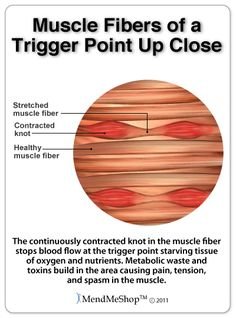
One on the unavoidable consequences of a whiplash injury is the development of myofascial trigger points in the muscles of the neck. Trigger points form in muscles when the tissue is stressed beyond it’s capacity. This damages the contractile mechanism In the muscle fibers and causes trigger points to form. These knots in the muscles will cause pain, refered pain, stiffness, and weakness. Trigger points in the neck muscles will refer pain into the head and face causing headaches and migraine pain.

Whiplash and soft tissue.

During a whiplash injury the soft tissue in both the front and back of the neck can get damaged. When this happens trigger points will form in the muscles. These points will produce pain, refered pain, as well as stiffness and weakness. Trigger points in the neck muscles quite often refer pain into the head causing headaches and migraine pain. These points don’t resolve with stretching or rehabilitation exercises, they must be specifically released with a technique such as trigger point massage therapy.

Whiplash and soft tissue.

Whiplash is a nonmedical term used to describe neck pain following an injury to the soft tissues of the neck (specifically ligaments, tendons, and muscles).It is caused by an abnormal motion or force applied to the neck that causes movement beyond the neck’s normal range of motion. It is usually caused by a flexion-extension motion of the neck that pulls and strains the neck muscles and ligaments.

Whiplash and massage therapy.

now that the winter is here and the roads are slippery, whiplash injuries becomes very common. Most people think of their spine and head when dealing with whiplash, but the muscles of the neck and upper back are always affected as well. Muscles in the neck will develop trigger points from the violent whipping motion of the head that occurs with this injury. Left unchecked these points will continue to produce pain, stiffness and weakness. Trigger points in the neck are one of the most common sources of headache pain. Make sure you are getting the soft tissue treated as well as the spine if you are recovering from a whiplash injury.

Why trigger point therapy?

People often think of a massage as a relaxing experience, something they might do occasionally, or give as a gift along with a trip to the spa. Trigger point massage therapy is another kind of massage used to treat pain and physical dysfunction. Trigger points can develop in people from all walks of life. They can affect people of all ages, office workers and labourers, elite and weekend athletes, post surgical patients, people with acute pain from injury and people with chronic pain. Trigger point massage therapy can treat a wide variety of physical conditions such as:

– Migraines

– back pain.

– sciatica

– Carple tunnel syndrome

– achy persistent pain

– pain from Fibromyalgia

– post surgical pain and scarring

– soft tissue injuries related to sports

– TMJ dysfunction

Causes of a stiff neck.

The levator scapulae muscle is located in your neck. It is responsible for raising your shoulder blade up to your ear, as well as side flexion of the neck. Trigger points develop in this muscle commonly due to poor posture, and stress holding patterns. Once developed these trigger points will cause a deep achy pain and stiffness in the neck.

What is myofascial pain syndrome?

Myofascial pain syndrome is a chronic pain disorder. In this condition, pressure on sensitive points in your muscles (trigger points) causes pain in the muscle and sometimes in seemingly unrelated parts of your body. This is called referred pain.

This syndrome typically occurs after a muscle has been contracted repetitively. This can be caused by repetitive motions used in jobs or hobbies or by stress-related muscle tension.

Trigger points and headaches

Trigger points in a number of muscles can refer pain into the head causing headaches. One of the most common muscles is the trapezius. This is a large diamond shaped muscle in the upper back and neck. Trigger points in the upper portion of this muscle are the most common trigger points in the body. These points will refer pain into the head, behind the ear and into the temple. Trigger points usually won’t resolve on their own, a therapeutic intervention is required to release the point.

How trigger points form.

Activation of trigger points may be caused by a number of factors, including acute or chronic muscle overload, activation by other trigger points (key/satellite, primary/secondary), disease, psychological distress (via systemic inflammation), homeostatic imbalances, direct trauma to the region, collision trauma (such as a car crash which stresses many muscles and causes instant trigger points) radiculopathy, infections and health issues such as smoking.