Tricep trigger points and elbow pain.

The triceps muscle is the main extensor of the elbow. It is the muscle in the back part of the arm and travels from the shoulder to the elbow. Trigger points in this muscle will cause pain when trying to straighten the elbow. Tricep trigger points refer pain into both the inside and outside of the elbow and are thus a common cause of both tennis and golfers elbow.

Bicep brachii trigger points

The biceps brachii is the most well-known of the arm due to its prominence. It is the muscle we think of when we imagine someone with ‘big arms.’ Its chief role is elbow flexion, and, while it is not the only elbow flexor, its role makes it prone to

overload problems which can lead to trigger points. When trigger points form they will produce pain felt in the elbow arm and up into the front of the shoulder. Shoulder pain is usually felt as superficial as opposed to deep in the joint.

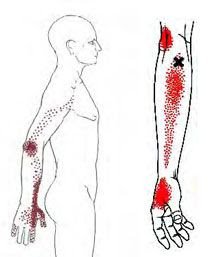
Brachioradialis trigger points and forearm and hand pain.

The Brachioradialis muscle is located in the forearm. It is responsible for flexing the elbow in semipronation such as when lifting a coffee mug up to your mouth. Trigger points in this muscle are an often overlooked source of elbow pain. These points will also refer pain down the forearm and into the web of the thumb.

Trigger points in the trapezius muscle

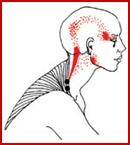
The trapezius muscle is a large diamond shaped muscle in your upper and middle back and neck. It it responsible for both shoulder and neck movements. Trigger points in the upper portion of this muscle are the most common points to develop in the body. These trigger points most often occur due to poor posture, such as a slumped sitting posture. Trigger points in the upper portion of the traps will cause pain to refer into the neck, head, and into the temple. These points are one of the most common causes of headaches.

Why trigger point therapy?

People often think of a massage as a relaxing experience, something they might do occasionally, or give as a gift along with a trip to the spa. Trigger point massage therapy is another kind of massage used to treat pain and physical dysfunction. Trigger points can develop in people from all walks of life. They can affect people of all ages, office workers and labourers, elite and weekend athletes, post surgical patients, people with acute pain from injury and people with chronic pain. Trigger point massage therapy can treat a wide variety of physical conditions such as:

– Migraines

– back pain.

– sciatica

– Carple tunnel syndrome

– achy persistent pain

– pain from Fibromyalgia

– post surgical pain and scarring

– soft tissue injuries related to sports

– TMJ dysfunction

Achy pain in the shoulder blade??

One of the most common causes of achy restless shoulder blades is trigger points in the rhomboid muscles. these muscles are responsible for pulling your shoulder blades back, and are often overloaded from poor shoulder posture. These muscles are very common areas to develop trigger points. Once there they will produce a persistent deep achy pain along the inside of the shoulder blade.

Trigger points in the trapezius muscle.

The trapezius muscle or traps is a large diamond shaped muscle located in your back and neck. It is responsible for both neck and shoulder movements as well as stabilizing these areas. Because of this the traps are a very common muscle to become overloaded and strained. When this happens trigger points form in the muscle and cause pain, refered pain, stiffness, and weakness. The upper portion of the muscle is the most common area in the body to develop trigger points. These points refer pain up the neck, behind the ear, and into the temple causing headaches. Trigger points in the lower parts of the muscle will cause shoulder and upper back pain. Trigger points need direct attention to be treated. Otherwise they can out live you!

The levator scapulae muscle is located in the neck. It attaches from the cervical vertebrae to the top of the shoulder blade. It is responsible for elevation of the shoulder and lateral flexion of the neck. This muscle is often overloaded from poor shoulder posture such as holding your shoulders up to your ears when stressed. When this happens trigger points will develop causing pain to be felt along the shoulder blade and into the neck. Trigger points in this muscle are the most common cause of a stiff sore neck.

Deltoid trigger points and shoulder pain.

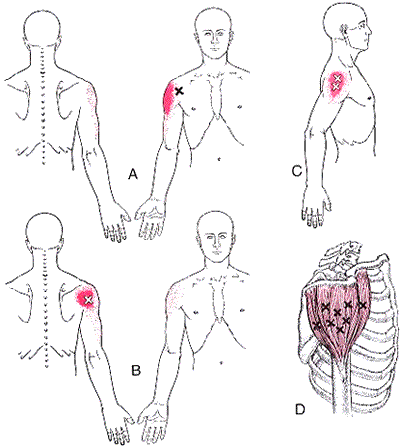
The referred pain from the deltoid trigger points is rather unique among myofascial pain patterns in that it “stays close to home” and is not projected to an adjacent region of the body. The pain is typically experienced only during movement of the shoulder joint, and when there is trigger point activity in all three deltoid sections the client may not be able to raise the arm up to 90 degrees. Because the trigger point in the anterior deltoid projects pain to both the anterior and lateral aspects of the shoulder, it will often activate trigger points in the lateral deltoid.

Trigger points in the supraspinatus muscle.

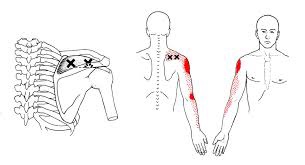
The supraspinatus muscle is a small muscle that helps make up the rotator cuff. It is responsible for shoulder stability as well as lateral rotation of the arm, and help initiate abduction of the shoulder. This muscle can become injured from overhead movements of the shoulder such as painting a ceiling or throwing movements. When this happens trigger points will form producing pain felt in the shoulder, and down the arm. These points will also cause weakness and stiffness. Trigger points must be released for the area to heal.