What to expect with a trigger point massage.

A treatment with Bryan is very user friendly. And, no, you don’t have to remove any clothing. However, bringing a t-shirt and a pair of shorts or sweats is recommended.

The first time you come for a treatment you will be asked to fill out a Client History form. Bryan will go over the information you provide, asking for more detail and discussing the type of pain you are having and its location.

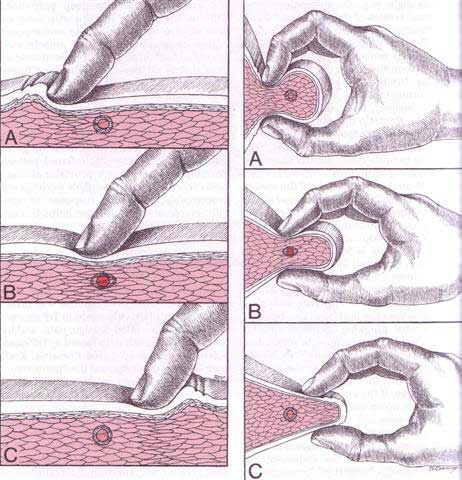
The treatment itself involves locating the Trigger Points in the muscle or soft tissue and applying a deep focused pressure to the Point. This will reproduce the pain and the referral pattern that is characteristic of that pain.

The treatment will be uncomfortable at first, but as the Trigger Points release, the pain will decrease. The pressure will always be adjusted to your tolerance level. If, at any time, you feel too uncomfortable you can ask Bryan to ease off a bit.

Depending on your specific problem, Bryan may also use some stretching and / or range-of-motion techniques, as needed.

After treatment, it is usually recommended that the client apply moist heat to the area treated.

CTS Warning Signs

warning-843608_960_720

Headaches are REALLY common! In fact, two out of three children will have a headache by the time they are fifteen years old, and more than 90% of adults will experience a headache at some point in their life. It appears safe to say that almost ALL of us will have firsthand knowledge of what a headache is like sooner or later!

Certain types of headaches run in families (due to genetics), and headaches can occur during different stages of life. Some have a consistent pattern, while others do not. To make this even more complicated, it’s not uncommon to have more than one type of headache at the same time!

Headaches can vary in frequency and intensity, as some people can have several headaches in one day that come and go, while others have multiple headaches per month or maybe only one or two a year. Headaches may be continuous and last for days or weeks and may or may not fluctuate in intensity.

For some, lying down in a dark, quiet room is a must. For others, life can continue on like normal. Headaches are a major reason for missed work or school days as well as for doctor visits. The “cost” of headaches is enormous—running into the billions of dollars per year in the United States (US) in both direct costs and productivity losses. Indirect costs such as the potential future costs in children with headaches who miss school and the associated interference with their academic progress are much more difficult to calculate.

There are MANY types of headaches, which are classified into types. With each type, there is a different cause or group of causes. For example, migraine headaches, which affect about 12% of the US population (both children and adults), are vascular in nature—where the blood vessels dilate or enlarge and irritate nerve-sensitive tissues inside the head. This usually results in throbbing, pulsating pain often on one side of the head and can include nausea and/or vomiting. Some migraine sufferers have an “aura” such as a flashing or bright light that occurs within 10-15 minutes prior to the onset while other migraine sufferers do not have an aura.

The tension-type headache is the most common type and as the name implies, is triggered by stress or some type of tension. The intensity ranges between mild and severe, usually on both sides of the head and often begin during adolescence and peak around age 30, affecting women slightly more than men. These can be episodic (come and go, ten to fifteen times a month, lasting 30 min. to several days) or chronic (more than fifteen times a month over a three-month period).

There are many other types of headaches that may be primary or secondary—when caused by an underlying illness or condition. The GOOD news is chiropractic care is often extremely helpful in managing headaches of all varieties and should be included in the healthcare team when management requires a multidisciplinary treatment approach.

He barely hit me; why does it hurt?

Error
This video doesn’t exist

You may have heard the comment, “If there’s no damage to the car, then there’s no injury.” Unfortunately, that does not always seem to be the case.

There are MANY factors that affect the dynamics of a collision and whether or not injury occurs. A short list includes: vehicle type and design, speed, angle of collision, momentum, acceleration factors, friction, kinetic and potential energy, height, weight, muscle mass, seat back angle and spring, head position upon impact, etc.

Consider Sir Isaac Newton’s Third Law of Motion: “For every action there is an equal and opposite reaction.” This law applies to a car accident at any speed. Using the analogy of hitting a pool ball into the corner pocket straight on, when the cue ball stops, its momentum is transferred to the target ball which accelerates at the same speed…hopefully into the corner pocket!

This example is not quite the same as an automobile collision because the energy transfer is very efficient due in part to the two pool balls not deforming (crushing or breaking) on impact with one another. If either ball did deform, more energy absorption would occur and the acceleration of the second ball would be lower.
In fact, in the United States, vehicle bumpers are tested at 2.5 mph with impact equipment of similar mass with the test vehicle’s brakes disengaged and the transmission in neutral. National Highway Transportation Highway Safety Administration (NHTSA) vehicle safety standards demand that no damage should occur to the car in this scenario.
However, energy transfer occurs very quickly and with a greater amount of force when there is no vehicle deformation (damage). As a result, a greater amount of energy (described as G-force) is directly transferred to the occupants inside the vehicle—increasing the risk of injury. A 1997 Society of Automobile Engineers article provided an example in which the same 25 mph (12 m/s) collision resulted in a five-times greater force on the occupants of the vehicle when the crush distance of the impact fell from 1 meter to .2 meters.
So be aware that even low-speed impacts can still place quite a bit of force on your body, even if the bumper of your car doesn’t have a scratch on it.

Can Carpal Tunnel Be Prevented? 

Prevent

Carpal Tunnel Syndrome (CTS) is a VERY common condition where the median nerve is compressed or squeezed as it passes through the wrist. One reason that it’s so common is because MANY daily activities require fast, repetitive use of the fingers, hands, and arms, and the friction of the rapidly moving muscle tendons inside the tunnel results in swelling and compression of the nerve. So, can CTS really be prevented?

There are many factors associated with CTS, and some risks can be prevented. For example, some conditions like diabetes, rheumatoid arthritis, and IBS increase the risk of CTS. Therefore, it would be safe to assume those who better manage such conditions would have a lower risk for developing CTS.

Due to the many factors associated with CTS, there is no “one size fits all” when it comes to treatment and prevention of CTS. With that said, here are some VERY effective methods:

1)  Ergonomic workstation modifications: Altering the work space (monitor height, keyboard/mouse style, different chair, chair/desk height, etc.) to reduce the number and speed of movements needed to perform commons work tasks.

2)  Rest periods: Insert “micro-breaks” into a busy task. Combine breaks with stretching exercises of the wrist/hand/fingers and vary job tasks between fast and slow repetitive types.

3)  Exercise: Shake the fingers and hands, lean back in a chair with the arms/shoulders stretched back (“Brugger’s Exercise”), move the neck (chin tucks, rotations, etc.), bend the hand/wrist backwards on a wall or the desk’s edge, self-massage and deep tissue release of the forearm and hand muscles. Do regular aerobic exercise (walking, swimming, biking, etc.) several times each week.

4) Posture: Sit up straight, elbows about 90° on height-adjustable arm rests or comfortably at the sides, forearms parallel to the floor; knees level or slightly lower than the hips, feet flat on the floor or on a footrest or box, if needed. Place typing materials at eye level / avoid prolonged head/neck rotation. Use a wrist rest for the keyboard and mouse, and use a headset when on the phone.

5)  Reduce hand tool forces: Choose a tool that allows the wrist to remain neutral. Avoid side to side and flexion/extension wrist positions—especially if they’re prolonged! Tool handles should NOT dig into the palm of the hand or the wrist, and should not have sharp edges. A textured handle can improve grip. Minimize vibration from power tools. Wear shock absorbing gloves. Avoid cold work environments and cold tools.

6)  Diet: Cut down on caffeine and smoking. Avoid obesity—a known risk factor of CTS! Consider an anti-inflammatory diet (Paleo, Mediterranean).

7)  Splints: A wrist cock-up splint at night prevents prolonged faulty positions and REALLY helps!

This is a partial list of preventative measures that can REALLY help. Doctors of chiropractic treat the WHOLE person and can teach you the right exercises, ways to modify your diet, offer manual therapies and modalities, and help guide you in your self-management of CTS, as this can be a lifelong affliction. A multi-modal treatment approach generally works best!

Is Surgery Always Required?

Carpal tunnel syndrome (CTS) is the most common peripheral entrapment neuropathy—that is, it’s the most common place to trap a nerve in the extremities (arms or legs). CTS affects 6-11% of adults in the general population, and it occurs in women more often than men. The cause is often difficult to determine but the most common reasons can include trauma, repetitive maneuvers, certain diseases, pregnancy, being over the age of 50, and obesity.

So, is surgery the only answer? The short answer is NO! In fact, in a recent randomized clinical trial published in the Journal of Pain, researchers observed similar improvements in function when they compared the outcomes of patients who underwent surgery vs. those who received manual therapies (such as those performed several times a day at chiropractic clinics around the world) at both six months and one year later. The improvements included increased strength, function, and decreased hypersensitivity in both the surgical and non-surgical groups. Interestingly, the manual therapy group did BETTER at the one and three month assessments when compared with the surgical group (again, with no difference at six and twelve months)!

The median nerve, the culprit behind CTS, starts in the neck and travels down through the shoulder, elbow, forearm, and finally through the carpal tunnel, which is made up of eight small carpal bones that form the arch of the bridge. Entrapment of the median nerve occurs when the normally tight quarters within the carpal tunnel combine with the inflamed nine sheathed muscle tendons that push the nerve into the floor of the tunnel (a ligament), which results in CTS! The goal of therapy—both surgical and manual therapy—is to reduce the pressure within the tunnel and free up the compression of the median nerve.

Manual therapies focus on joint mobilization and manipulation to reduce joint fixations, muscle release techniques in the forearm and hand, stretching techniques, and at-home exercises that emphasize a similar stretch, the night brace, and management of any underlying contributing factor. These “underlying factors” might include diabetes, hypothyroid, taking birth control pills, weight management, and inflammatory arthritis.


CTS SUrgery

My back hurts, why look at my feet?

168

Improperly supported feet can affect the alignment of all of the structures above. To improve your overall comfort:
Choose shoes with good arch support.
Avoid going barefoot or wearing shoes that lack support (i.e. flip-flops). The following brands of sandals provide better than average arch support: Naot, Fit Flops, Orthoheels, Abeo, Vionic and Yellow box.
Avoid high-heeled shoes or boots (keep heels to a maximum of 1½ inches, especially if you are going to be doing a lot of walking).
“Cross-trainer” athletic shoes tend to provide the best all around support and shock absorption for daily activities.
Patients with fallen arches should consider adding arch supports or orthotics.
Repair or replace shoes with worn soles or heels.

How can a low speed crash cause injury?

There is certainly a lot of interest in concussion these days between big screen movies, football, and other sports-related injuries. Concussion, traumatic brain injury (TBI), and mild traumatic brain injury (mTBI) are often used interchangeably. Though mTBI is NOT the first thing we think about in a low-speed motor vehicle collision (MVC), it does happen. So how often do MVC-related TBIs occur, how does one know they have it, and is it usually permanent or long lasting?

Here are some interesting statistics: 1) The incidence rate of fatal and hospitalized TBI in 1994 was estimated to be 91/100,000 (~1%); 2) Each year in the United States, for every person who dies from a brain injury, five are admitted to hospitals and an additional 26 seek treatment for TBI; 3) About 80% of TBIs are considered mild (mTBI); 4) Many mTBIs result from MVCs, but little is known or reported about the crash characteristics. 5) The majority (about 80%) of mTBI improve within three months, while 20% have symptoms for more than six months that can include memory issues, depression, and cognitive difficulty (formulating thought and staying on task). Long-term, unresolved TBI is often referred to as “post-concussive syndrome.”

In one study, researchers followed car crash victims who were admitted into the hospital and found 37.7% were diagnosed with TBI, of which the majority (79%) were defined as minor by a tool called Maximum Abbreviated Injury Scale (MAIS) with a score of one or two (out of a possible six) for head injuries. In contrast to more severe TBIs, mild TBIs occur more often in women, younger drivers, and those who were wearing seatbelts at the time of the crash. Mild TBI is also more prevalent in frontal vs. lateral (“T-bone”) crashes.

As stated previously, we don’t think about our brains being injured in a car crash as much as we do other areas of our body that may be injured—like the neck. In fact, MOST patients only talk about their pain, and their doctor of chiropractic has to specifically ask them about their brain-related symptoms.

How do you know if you have mTBI? An instrument called the Traumatic Brain Injury Questionnaire can be helpful as a screen and can be repeated to monitor improvement. Why does mTBI persist in the “unlucky” 20%? Advanced imaging has come a long way in helping show nerve damage associated with TBI such as DTI (diffuse tensor imaging), but it’s not quite yet readily available. Functional MRI (fMRI) and a type of PET scanning (FDG-PET) help as well, but brain profusion SPECT, which measures the blood flow within the brain and activity patterns at this time, seems the most sensitive.

We realize you have a choice in whom you consider for your health care provision and we sincerely appreciate your trust in choosing our service for those needs.  If you, a friend, or family member requires care for Whiplash, we would be honored to render our services.

Trigger points in the masseter muscle

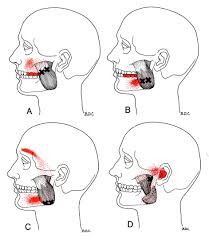
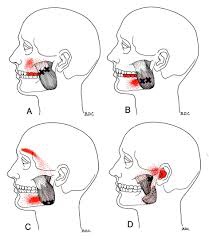
The masseter is the main muscle that moves your jaw. It originates on the zygomatic arch and maxilla, and inserts on the coronoid process and Ramus of the mandible. It’s actions are to elevate the mandible and close the jaw. The deep fibres of this muscle also retrude the mandible. This muscle commonly harbours trigger points as a result of teeth grinding. Trigger points in this muscle are often also associated with tmj dysfunction. Trigger points in the upper part of this muscle will refer pain to the upper molars and maxilla often felt as sinusitis. Trigger points in the lower portion of this muscle refer to the lower molars and temple. All trigger points can cause tooth sensitivity

Food Myth Series

01-signs-healthy-fats-mufa.jpg

Over the next few weeks we will be addressing some common food myths that, frankly, drive us a little bit crazy when we hear them. Hopefully we are able to clarify some common misconceptions regarding diet and how what you eat affects how you feel and perform.

We are always open to discussion and want to hear any food myths you have heard in your travels that made you go “What?”.

So, without further delay, food myth #1:

Eating Fats Is Unhealthy

Generations of now adults have been brainwashed into believing that fats = getting fat by the Canada Food Guide. This is simply not the case. While some fats are unhealthy, plenty more have benefits that you won’t find elsewhere. A lower calorie eating plan that includes healthy fats can help people lose more weight than a similar diet that’s low in fat, according to a study in the International Journal of Obesity. Fats make food taste better, keep you fuller and help prevent overeating.

It is true that fats have more calories per gram than proteins and carbs but those calories come with health benefits that the others don’t. Healthy fats like the ones found in salmon, olive oil, nuts and avocados are key to several healthy living goals including:

1. They are a major fuel source for your body (meaning they provides a lot of calories) and are also the main way you store energy.
2. You need fat to help you absorb certain nutrients, such as fat-soluble vitamins (vitamins A, D, E and K) and antioxidants (like lycopene and beta-carotene).
3. Fats are important in giving your cells structure.
4. Omega-3 fats, a type of unsaturated fat, are important for optimum nerve, brain and heart function.

One type of fat you don’t need? Trans fats, an artificial kind of fat found in partially hydrogenated oils and a main ingredient in the food frying process (delicious, yes, but very unhealthy).

Source

So there you go, a quick overview of why fats are important in every healthy diet. Come back next week for more food myth-busting.

health-fats-for-your-heart.jpg


Fibromyalgia and Exercise

295

Are there differences in lifestyle between people with vs. without fibromyalgia (FM)?

A recent study found women with FM found spend more time engaged in sedentary behaviors and less time in physical activity. In the study, researchers followed 413 female patients with FM and 188 age-matched healthy female controls. Researchers used three different approaches to access physical activity: a triaxial accelerometer to examine sedentary time, time spent in physical activity, and step counts.

They discovered those who suffered from FM spent an average of 39 more minutes per day in sedentary activity and 21 fewer minutes per day in light physical activity, 17 fewer minutes per day in moderate physical activity, and 19 fewer minutes per day in moderate-to-vigorous physical activity. In addition, those with FM took a mean of 1,881 fewer steps that those without FM.

Now, this isn’t really a surprise given the fact that people with FM are in pain and more likely to have difficulties sleeping and tolerating prolonged activities. After comparing the sufferers to the non-sufferers, the researchers found only 21% of FM patients vs. 46% of non-FM controls achieved the recommended 150 minutes/week (a little over 20 min. / day) of “moderate-to-vigorous” physical activity. They also found that only 16% vs. 45%, respectively, walked the recommended ≥10,000 steps per day.

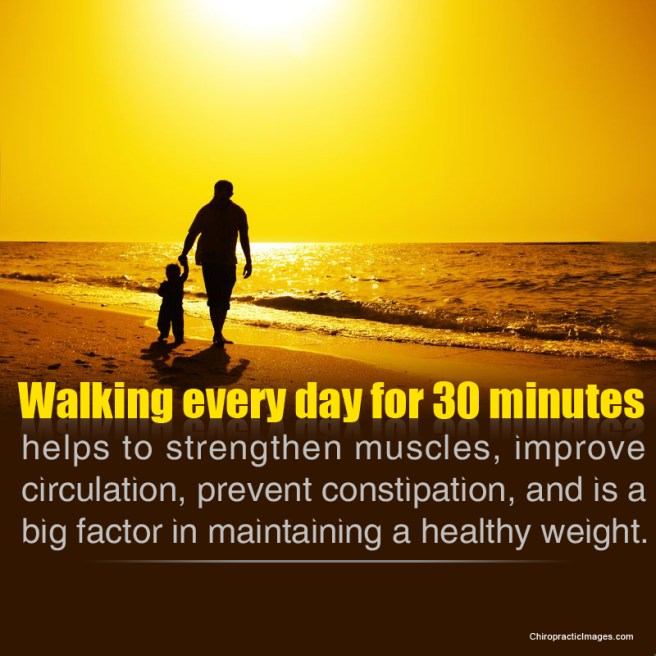
One of the BEST forms of exercise for most people is walking. A walking program should be a staple exercise. It’s important to note that this should be GRADUALLY introduced so as to avoid an overuse injury—strain or sprain of the muscles and joints. This gradual introduction into activity is ESPECIALLY important for the FM sufferer as overuse injuries can make them afraid to do something that can REALLY help when done correctly!