All About Bunions

Hallux valgus is defined as a deformity that occurs at the base of the hallux, the big toe. This condition, commonly called a bunion, is often associated with joint stiffness and causes a change in the alignment of the big toe. The big toe gradually deviates towards the other toes. It generally causes pain and in some cases an alteration in the normal biomechanics of walking.

The articular limitation of the extension of the big toe or ankle is often compensated by walking with an outward rotation of the foot. Over time, this pressure on the big toe joint causes the symptoms to appear and worsen.

The onset of hallux valgus can be accelerated by wearing narrow, pointed shoes, such as high heels. Structural abnormalities of the foot such as flat feet or an increase in the length of the hallux can also contribute to hallux valgus.

▬▬▬▬▬

Structures involved

In a case of hallux valgus, it is at the ​metatarsophalangeal joint t​ hat the change in the alignment of the joint occurs. Over time, the ligaments of this joint become more relaxed on the medial side of the joint. When hallux valgus is associated with joint stiffness, it is primarily the cartilage damage combined with the presence, in some cases, of slight bone deposits on the medial side of the joint that would be responsible for the restriction of movement.

page1image3421088480

▬▬▬▬▬

Signs & Symptoms that you may experience

Each person will react differently to this condition and recovery will depend on the stage of the condition. Hallux valgus can produce, but is not limited to, pain and the appearance of a small bump on the inner side at the base of the big toe, joint stiffness, difficulty with impact activities such as walking and running, and can sometimes cause localized edema around the big toe. The presence of hallux valgus is not always associated with symptoms of pain.

▬▬▬▬▬

Developments

Hallux valgus, often associated with osteoarthritis, is a progressive condition that cannot be cured, which means that the deformity may progress over time. However, an active lifestyle and a rehabilitation plan may slow the progression of this condition and its symptoms.

▬▬▬▬▬▬▬▬▬▬▬▬▬▬▬▬▬▬▬▬▬▬▬▬▬▬▬▬▬▬▬▬▬▬▬▬▬▬▬▬▬▬▬▬▬▬▬▬▬▬▬▬▬▬▬▬▬▬▬▬▬▬▬▬▬▬▬▬▬▬▬▬▬▬▬▬▬▬▬▬

▶​ ​WHAT TO DO

Painful episodes

Relative rest is a good way to prevent your symptoms from getting worse. A few days of rest by reducing activities that cause significant pain may be necessary.​ However, it is very important to avoid deconditioning. A quick return to your daily activities, light cardiovascular exercises that do not cause an increase in pain, joint mobilization exercises and strengthening of the hallux muscles will allow for a better recovery.

Rehabilitation

Follow your therapist’s advice. This will help you manage the various stages of the healing process and increase the odds of successful rehabilitation. Your therapist will accompany you during your rehabilitation program to improve the range of motion of your big toe and your leg in general, to restore your flexibility, muscular strength and endurance, and your functional state.

According to the principles of hallux valgus rehabilitation, improving the extension of the big toe and the articular amplitude of the ankle should be an integral part of the treatment plan. A program to improve joint range of motion and flexibility, as well as specific muscle strengthening is common to control the symptoms. Short-term use of a toe separator may be beneficial.

▶ ​WHAT TO AVOID

Do not rely solely on a passive treatment approach. Each phase of the rehabilitation process is important. Patients who actively participate in their treatment plan tend to recover more quickly. Remember that pain is not always a good indicator of joint and tissue damage. As soon as you feel better and the pain is well under control, introduce joint range-of-motion exercises based on your tolerance. It is always better to limit walking to a pain-free level than to stop it completely. Remember that exercise is an excellent way to manage the pain associated with osteoarthritis in the big toe.

Decreasing Tension Headaches

Bottom Line:

Quick question: do you know anyone who isn’t interested in reducing the stress in their life? We’ll give you a minute. Still thinking? That’s what we thought! There aren’t too many of us who couldn’t benefit from reducing the stress in our daily lives. Between family, work, and the latest political thread on social media, the stress can be overwhelming! Chronic everyday stress can also significantly impact our brains and bodies, causing everything from fatigue and depression to debilitating headaches. 

Why it Matters:

Headaches caused by stress are often classified as tension-type headaches. Pain at the base of the skull that starts in the neck and wraps around to the front of the head is common with tension headaches. Research has shown that Chiropractic adjustments effectively treat and correct the cause of these headaches, providing both relief from symptoms and lasting results. In fact, in addition to reducing tension in the muscles supporting your neck, adjustments can also improve your range of motion and reduce your overall feeling of stress. This unique combination of benefits is why millions of people rely on Chiropractic care to help them find relief. 

  • Chronic stress can contribute to tension headaches.
  • Chiropractic care is one of the best ways to reduce stress on your musculoskeletal system and spine.
  • Adjustments have been shown to reduce the frequency, severity, and intensity of tension headaches. 

Next Steps: 

You don’t necessarily need to make drastic changes to your life to reduce your daily stress level. Picking up a new hobby, taking a few minutes to read before bed, or enjoying a relaxing activity like yoga can all help. If you would like to discover even more ways to help reduce your daily stress, we invite you to attend our complimentary workshop coming up soon. We’ll be covering everything you need to know to reduce stress and end your headaches now! 

Science Source(s): 

Do Manual Therapy Techniques Have a Positive Effect on Quality of Life in People with Tension-Type Headache? A Randomized Controlled Trial. European Journal of Physical and Rehabilitation Medicine. February 2016

The Connection Between Posture and Headaches 

Bottom Line:

Ergonomics is the study of the posture and positioning of your body. It sounds pretty boring until you consider that millions of people are suffering from headaches every day that are related to their posture! Whether it’s an assembly line, a computer, a tablet, or your phone, you’re likely spending a lot of time looking down. Research has found that up to 20 pounds of pressure is placed on the neck for every inch the chin extends forward or down. This increased pressure can irritate the tissues of the neck leading to everything from premature degenerative changes to chronic headaches. 

Why it Matters:

Maintaining a healthy posture not only helps reduce the stress and pressure on the spinal joints of your neck, it also helps dramatically reduce your headaches. The first step in regaining proper posture is to establish normal motion. This is why Chiropractic adjustments are likely to become your new best friend! Our care is focused on finding the areas of your spine that aren’t moving correctly and gently helping them regain their normal range of motion. After we’ve worked with you to restore proper movement, we can then focus on strengthening the muscles that support your neck and back. This personalized type of care is how we’ve been able to help many people (just like you!) establish better posture and reduce the frequency and severity of their headaches. 

  • Every inch of forward head posture adds up to 20 lbs. of pressure on your neck.
  • This added pressure can contribute to tension headaches.
  • Research has shown that Chiropractic care can dramatically improve your posture and, in turn, reduce your headaches.

Next Steps: 

Take a look around your workstation the next time you’re at the office. Is it set up in a way that’s ergonomically correct? If not, or if you’re not sure, just let us know! We would be happy to set up a time to come to your office, evaluate your workplace, and share our specific recommendations to help keep you and everyone you work with feeling great!  

Science Source(s): 

Evidence-Based Guidelines for the Chiropractic Treatment of Adults with Headache. Journal of Manipulative and Physiological Therapeutics. Volume 34, Number 5. 2011

Efficacy of Manual and Manipulative Therapy in the Perception of Pain and Cervical Motion in Patients with Tension-Type Headache: A Randomized, Controlled Clinical Trial Journal of Chiropractic Medicine. (2014) 13, 4-13 

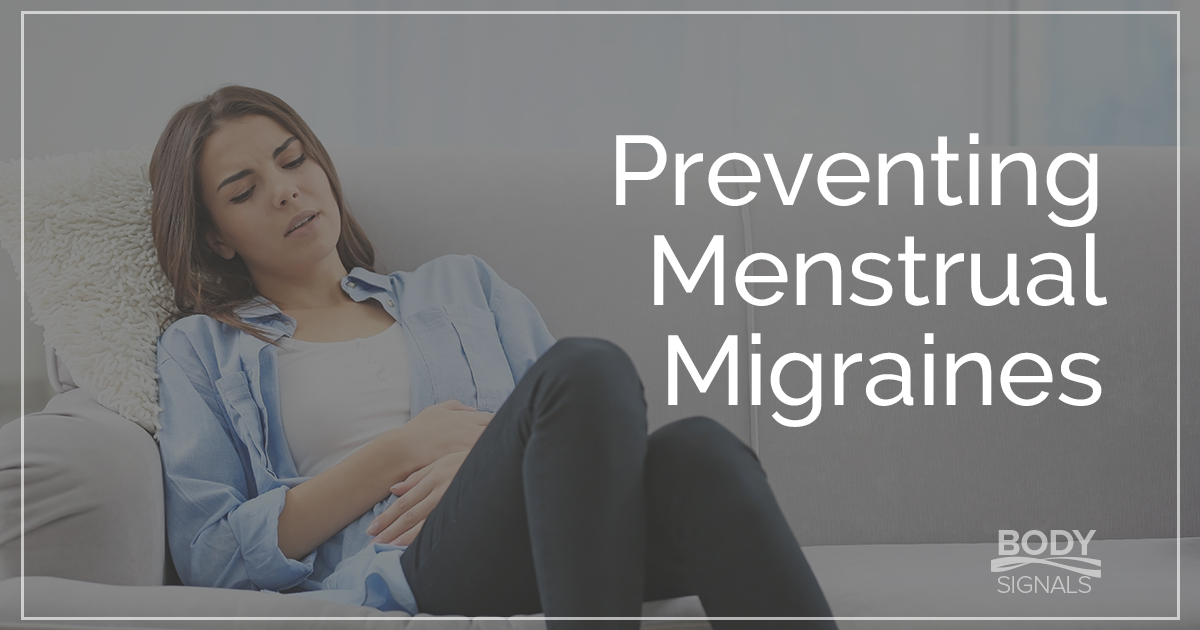
Preventing Menstrual Migraines 

Bottom Line:

For many women, monthly menstruation means monthly migraines. In addition to hormone changes, your diet, physical activity and stress levels all contribute to this pattern. While pregnancy and menopause are two ways to eliminate these types of headaches, we also have a few more practical ways to find relief!

Why it Matters:

New research recommends Chiropractic adjustments as part of an evidence-based approach to reducing the pain associated with migraine headaches. Regular adjustments can both help reduce the stress on the muscles that support your neck and improve your range of motion. By keeping active, reducing your stress, maintaining enough hydration, and staying well adjusted, you’ll give your body the best opportunity to manage those monthly hormonal changes and take the first step towards ending your migraine headaches!  

  • Hormonal changes cause monthly migraines for millions of women.
  • Stress has been shown to have a significant impact on hormonal balance.
  • Adjustments are recommended as an evidence-based approach to reducing both migraine headaches and overall levels of stress.  

Next Steps: 

Did you suffer from migraine headaches before coming into our practice? If so, stop by the front desk and let us know! Sharing your journey and how Chiropractic care helped you find relief may inspire someone else in our community to take action and find a natural solution to their headaches. 

Science Source(s): 

Evidence-Based Guidelines for the Chiropractic Treatment of Adults with Headache. Journal of Manipulative and Physiological Therapeutics. Volume 34, Number 5. 2011

Your Active Lifestyle

Bottom Line:

Maintaining an active, healthy lifestyle can provide you with a life rich in experiences and fulfillment. Whether you enjoy team sports, individual pursuits, or just like getting your 10,000 steps in every day, we’re here to support you. While not everyone is destined to be a pro athlete, staying active and living a high quality of life are goals we can all strive for. Even just a few small changes to your habits around your exercise routine, thought processes, and nutrition can pay big dividends on your overall health and wellness.

Why it Matters:

Medical researchers around the world agree on the health benefits of an active lifestyle, such as reducing your risk of heart disease, anxiety and diabetes – but it doesn’t stop there. Each year, new research is published that shows even more benefits of maintaining a healthy lifestyle by staying active, eating right, and keeping a positive mental attitude. We call this a balance of physical, chemical and emotional stress. As nice as it may seem, no one can reduce all the stress in their life, but by understanding this delicate balance, you can start taking practical steps towards having a great life experience. 

  • A steady balance (or homeostasis), is when your body can function at its optimal level.
  • Excessive or chronic physical, chemical, or emotional stress can throw off this delicate balance.
  • Chiropractic care has been shown to reduce stress in the neuromusculoskeletal system by way of a muscle spindle stretch response.

Next Steps: 

Information and education about how to live a healthy lifestyle are essential, but what counts is taking action. Just like learning how to do a push up won’t make you more fit, understanding how to be more healthy won’t make you more healthy until you start to create better health habits and work towards making healthier decisions each day. Need a little inspiration? Connect with our Facebook Page where we post daily health tips and motivating messages to keep you on track!  

Science Source(s): 

The effects of a single session of spinal manipulation on strength and cortical drive in athletes. European journal of Applied Physiology. 2018

Changes in biochemical markers following spinal manipulation-a systematic review and meta-analysis. Musculoskeletal Science and Practice. 2017

Diet: Healthy Diet May Lower Risk of COPD.

Diet: Healthy Diet May Lower Risk of COPD.

New research suggests that a diet low in red meat and rich in whole grains may reduce the risk of developing a chronic lung disease known as chronic obstructive pulmonary disease (COPD). Researchers tracked over 120,000 individuals and found that healthy eaters were one-third less likely to develop COPD when compared with regular consumers of red meat, refined grains, sugary drinks, and alcohol. The findings reveal that good eating habits appear to lower COPD risk for both smokers and nonsmokers alike.


British Medical Journal, February 2015

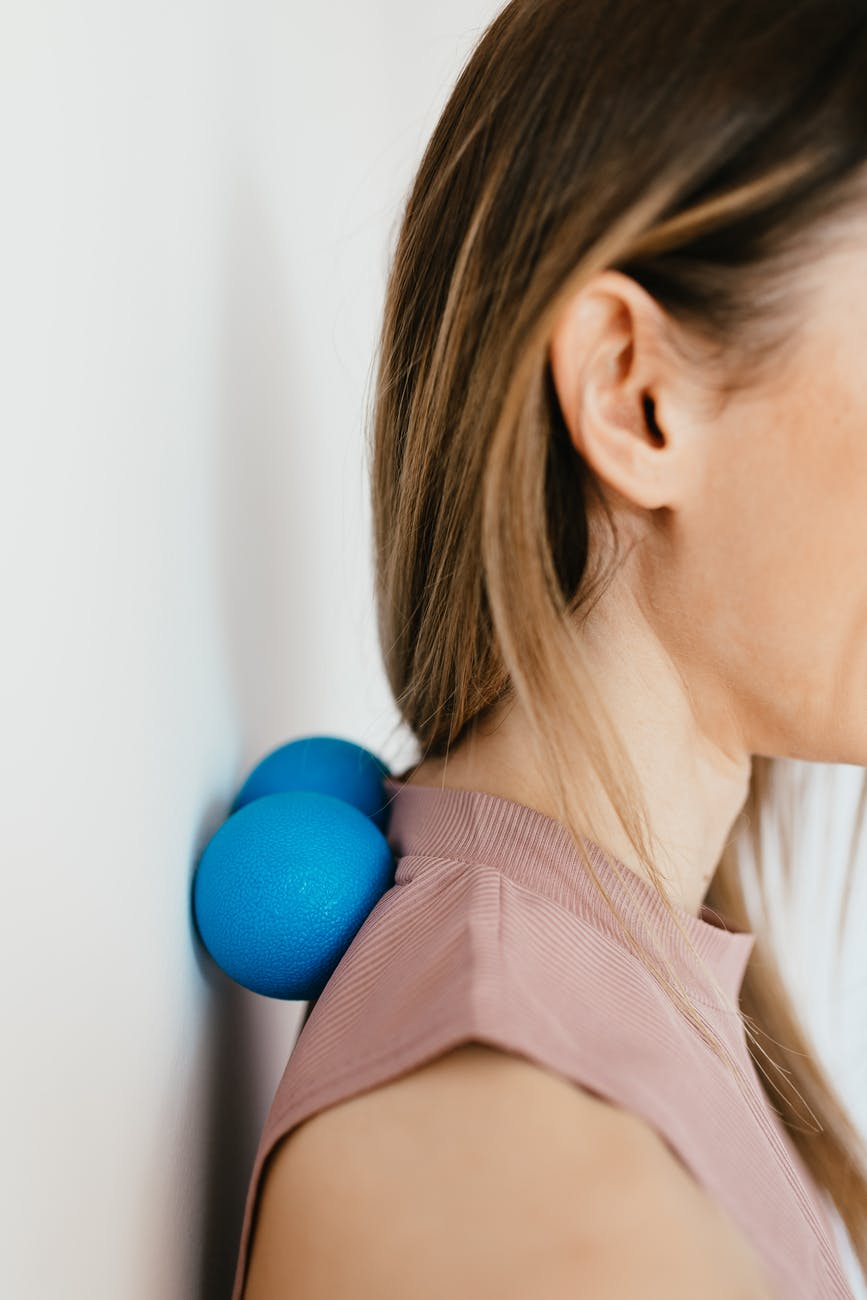
Photo by Alexandr Podvalny on Pexels.com

Stiff neck??

One of the most common causes of a stiff neck are trigger points in the levator scapulae muscle. This muscle runs up the side of the neck from the top of the shoulder blade. It helps to shrug the shoulders and move and stabilize the neck. When trigger points form in this muscle they will produce pain and stiffness in the neck. Deep tissue trigger point massage applied to these knots is an effective treatment method.

Photo by Karolina Grabowska on Pexels.com

Finding Headache Relief Without Drugs 

Bottom Line:

Waking up with a headache or consistently getting one by the end of work each day is not fun (or normal). Headaches can be caused by a variety of factors, none of which are a shortage of medication in your body! As a matter of fact, if you have been relying on drugs to find relief day after day, there is a variety of new research that encourages you to reconsider. 

Why it Matters:

Relying on medications to find relief each and every day places an enormous amount of strain on your liver and other internal organs. What’s more, researchers have found that a common “side” effect of many popular headache mediations is…more headaches! And if that wasn’t enough to encourage you to think differently about how to treat your headaches, new research has found an increased risk of heart attacks in people who had taken NSAIDs (or non-steroidal anti-inflammatory drugs). It’s easy to see why our firm belief is that the best way for most people to find relief from their headaches is through natural healthcare such as combination of Chiropractic and light stress-relieving exercise like yoga. 

  • Headache medications often have dangerous side effects. 
  • Research has shown little to no evidence that such drugs are effective at treating headaches.
  • In a recent study, over 30% of participants saw a 100% improvement in the frequency and severity of their headaches after receiving Chiropractic care. 

Next Steps: 

Our workshop on finding natural solutions and relief from headaches is coming up soon! We’ll help you discover the causes of many common types of headaches, share tips on reducing their impact in your life, and review the steps you can take to ensure that you don’t have to suffer from them in the future. Share this with a friend and be sure to let us know how many people will be attending the workshop with you! 

Science Source(s): 

Dose-Response and Efficacy of Spinal Manipulation for Chronic Cervicogenic Headache: A Pilot Randomized Controlled Trial. The Spine Journal. 2010 

Chiropractic spinal manipulative therapy for cervicogenic headache: a single-blinded, placebo, randomized controlled trial. BioMed Central. 2017 

Mental well-being linked to better cardiovascular and overall health

https://www.medicalnewstoday.com/articles/mental-well-being-linked-to-better-cardiovascular-and-overall-health

Photo by Andre Furtado on Pexels.com

Cardiovascular and general, overall health are well established factors to general wellbeing and mental health. Likewise, improving your overall health and specifically cardiovascular health will lead to improvements in your mental health and overall outlook.

Get fit and feel great!

Photo by Kat Smith on Pexels.com

Health: Your Most Valuable Possession

Bottom Line: 

What is the most valuable thing in the world to you? As the great physician Hippocrates once said: “A wise man ought to realize that health is his most valuable possession.” We agree. All the cars, watches, and bitcoins in the world has never improved anyone’s health. That’s why we are so passionate about helping you get well and stay well with Chiropractic care – and we aren’t alone. A recent study in the Journal of Rehabilitation Medicine showed that Chiropractic care had an extremely high perceived value for people suffering from neck pain. In other words, people loved getting adjusted! 

Why it Matters: 

Whether you’re recovering from an injury or just looking to improve your quality of life, maintaining optimal health is a process – so you should have fun doing it! It’s a lot easier to get well and stay well when you enjoy the care and treatment. People love Chiropractic care not only because of the pain relief they receive but also because Chiropractors can help them to live a healthier lifestyle. 

  • An incredible 94% of people receiving adjustments reported high patient satisfaction.
  • Chiropractors are trained to help people live a healthy, active lifestyle, using natural treatment options.
  • Chiropractic is supported by top research journals like SPINE and the Annals of Internal Medicine.

Next Steps:

If you know someone who appreciates natural healthcare and wants to maintain an active lifestyle, then share this Research That Matters paper with them. Without any exposure to Chiropractic care, they may have to rely on dangerous medications or surgery to reduce the pain in their neck, but we believe there is a better way with Chiropractic. 

Science Source(s): 

Spinal Manipulation, Medication, or Home Exercise With Advice for Acute and Subacute Neck Pain- A Randomized Trial. Annals of Internal Medicine, Volume 156, 2012 

Safety of Chiropractic Manipulation of the Cervical Spine. SPINE, Volume 32, 2007 

Perceived Value of Spinal Manipulative Therapy and Exercise Among Seniors with Chronic Neck Pain: A Mixed Methods Study. Journal of Rehabilitation Medicine. 2014 

Evidence-Based Guidelines for the Chiropractic Treatment of Adults with Neck Pain. Journal of Manipulative and Physiological Therapeutics. Volume 37. 2014

Outcomes from Magnetic Resonance Imaging-Confirmed Symptomatic Cervical Disk Herniation Patients Treated with High-Velocity, Low-Amplitude Spinal Manipulative Therapy. Journal of Manipulative and Physiological Therapeutics. 2013