Health
Chiro & Concussions

Whiplash Associated Disorders (WAD) is the appropriate terminology to use when addressing the myriad of symptoms that can occur as a result of a motor vehicle collision (MVC). In a recent publication in The Physician and Sports Medicine (Volume 43, Issue 3, 2015; 7/3/15 online:1-11), the article “The role of the cervical spine in post-concussive syndrome” takes a look at the neck when it’s injured in a car accident and how this relates to concussion.
It’s estimated about 3.8 million concussion injuries, also referred to as “mild traumatic brain injury” (mTBI), occur each year in the United States. Ironically, it’s one of the least understood injuries in the sports medicine and neuroscience communities. The GOOD NEWS is that concussion symptoms resolve within 7-10 days in the majority of cases; unfortunately, this isn’t the case with 10-15% of patients. Symptoms can last weeks, months, or even years in this group for which the term “post-concussive syndrome” (PCS) is used (defined as three or more symptoms lasting for four weeks as defined by the ICD-10) or three months following a minor head injury (as defined by the Diagnostic and Statistical Manual of Mental Disorders).
There have been significant advances in understanding what takes place in the acute phase of mTBI, but unfortunately, there is no clear physiological explanation for the chronic phase. Studies show the range of force to the head needed to cause concussion is between 60-160g (“g” = gravity) with 96.1g representing the highest predictive value in a football injury, whereas as little as 4.5g of neck acceleration can cause mild strain injury to the neck. In spite of this difference, the signs and symptoms reported by those injured in low-speed MVCs vs. football collisions are strikingly similar!
Research shows if an individual sustains an injury where the head is accelerated between 60-160g, it is HIGHLY likely that the tissues of the cervical spine (neck) have also reached their injury threshold of 4.5g. In a study that looked at hockey players, those who sustained a concussion also had WAD / neck injuries indicating that these injuries occur concurrently. Injuries to the neck in WAD include the same symptoms that occur in concussion including headache, dizziness/balance loss, nausea, visual and auditory problems, and cognitive dysfunction, just to name a few.
The paper concludes with five cases of PCS that responded well to a combination of active exercise/rehabilitation AND passive manual therapy (cervical spine manipulation). The favourable outcome supports the concept that the neck injury portion of WAD is a very important aspect to consider when treating patients with PCS!
This “link” between neck injury and concussion explains why chiropractic care is essential in the treatment of the concussion patient! This is especially true when the symptoms of concussion persist longer than one month!
We realize you have a choice in whom you consider for your health care provision and we sincerely appreciate your trust in choosing our service for those needs. If you, a friend, or family member requires care for Whiplash, we would be honoured to render our services.
Exercise Helps LBP!

Moving is good for your back and muscles, especially if you have back pain.
Chiropractic Care for Enhanced Athletic Performance
Athletes are always seeking ways to optimize their performance and gain a competitive edge. While rigorous training, proper nutrition, and mental focus are essential components of athletic success, many athletes are turning to chiropractic care to enhance their performance and prevent injuries. In this article, we’ll explore the role of chiropractic care in improving athletic performance and how athletes can benefit from incorporating chiropractic treatments into their training regimen.
Understanding Chiropractic Care
Chiropractic care is a holistic healthcare approach that focuses on the relationship between the spine and the nervous system, emphasizing the body’s innate ability to heal itself. Chiropractors use hands-on techniques, such as spinal adjustments, manipulations, and soft tissue therapies, to correct spinal misalignments (subluxations), restore joint function, and alleviate pain and dysfunction. By optimizing spinal alignment and nervous system function, chiropractic care aims to promote overall health, well-being, and vitality.
Benefits of Chiropractic Care for Athletes
- Improved Joint Mobility and Range of Motion: Chiropractic adjustments can help improve joint mobility and flexibility, allowing athletes to move more freely and efficiently. By addressing restrictions in the spine and extremities, chiropractic care can enhance range of motion, reduce stiffness, and prevent injuries related to restricted movement.
- Enhanced Neuromuscular Function: The nervous system plays a crucial role in coordinating movement, balance, and proprioception (awareness of body position). Chiropractic adjustments help optimize nervous system function by removing interference along the spine, facilitating better communication between the brain and body, and enhancing neuromuscular coordination and control.
- Prevention of Sports Injuries: Regular chiropractic care can help prevent sports injuries by addressing underlying biomechanical imbalances, muscle weaknesses, and joint dysfunctions that may predispose athletes to injury. By promoting proper alignment, muscle balance, and joint stability, chiropractic adjustments reduce the risk of overuse injuries, strains, sprains, and repetitive stress injuries.
- Faster Recovery from Injuries: In the event of an injury, chiropractic care can expedite the healing process and facilitate recovery by promoting optimal tissue repair, reducing inflammation, and alleviating pain. Chiropractors may incorporate soft tissue therapies, rehabilitative exercises, and nutritional support to enhance the body’s natural healing mechanisms and restore function more quickly.
- Pain Relief and Management: Many athletes experience musculoskeletal pain and discomfort as a result of training, competition, or repetitive stress. Chiropractic care offers effective pain relief by addressing the underlying causes of pain, such as spinal misalignments, muscle tension, and nerve irritation. By providing targeted adjustments and therapies, chiropractors help athletes manage pain naturally and avoid reliance on medications or invasive procedures.
Incorporating Chiropractic Care into Athletic Training
Athletes of all levels can benefit from incorporating chiropractic care into their training regimen, whether they’re preparing for competition, recovering from an injury, or simply looking to optimize their performance and overall health. Here are some tips for integrating chiropractic care into your athletic routine:
- Schedule regular chiropractic adjustments to maintain spinal alignment and nervous system function.
- Address any biomechanical imbalances or musculoskeletal issues proactively to prevent injuries.
- Seek chiropractic care for acute injuries or chronic conditions to expedite healing and rehabilitation.
- Work with a sports chiropractor who understands the unique needs and demands of athletes and can tailor treatments accordingly.
- Combine chiropractic care with other modalities such as physical therapy, massage therapy, strength training, and sports nutrition for a comprehensive approach to performance optimization and injury prevention.
Conclusion
In conclusion, chiropractic care offers numerous benefits for athletes seeking to improve their performance, prevent injuries, and recover from training and competition. By optimizing spinal alignment, enhancing nervous system function, and promoting overall musculoskeletal health, chiropractic adjustments help athletes move, perform, and feel their best. Whether you’re a professional athlete, weekend warrior, or fitness enthusiast, chiropractic care can be a valuable addition to your training toolkit, helping you achieve your athletic goals and excel in your chosen sport or activity.
Laser Therapy for Sports Injuries: Speeding Up Recovery
Sports injuries are a common occurrence among athletes of all levels, from weekend warriors to professional competitors. Whether it’s a sprained ankle, strained muscle, or tendonitis, injuries can sideline athletes and disrupt their training and performance goals. While rest, ice, compression, and elevation (R.I.C.E) have long been the standard protocol for treating sports injuries, there’s a growing interest in alternative therapies that can accelerate the healing process and get athletes back in the game faster. One such therapy gaining attention is laser therapy. In this article, we’ll explore how laser therapy can help speed up recovery from sports injuries and get athletes back to peak performance.
Understanding Laser Therapy
Laser therapy, also known as low-level laser therapy (LLLT) or photobiomodulation, involves the use of low-intensity laser light to stimulate cellular activity and promote tissue repair and regeneration. Unlike surgical lasers that cut or vaporize tissue, therapeutic lasers emit non-thermal light energy that penetrates the skin without causing damage. This light energy is absorbed by chromophores (light-sensitive molecules) within cells, leading to a cascade of biological effects that accelerate the healing process.
How Laser Therapy Works for Sports Injuries
Laser therapy offers several mechanisms by which it can promote healing and recovery from sports injuries:
- Reduced Inflammation: Laser therapy has anti-inflammatory effects, helping to reduce swelling, pain, and inflammation associated with acute and chronic sports injuries. By inhibiting pro-inflammatory molecules and promoting the release of anti-inflammatory cytokines, laser therapy helps create an optimal environment for tissue healing.
- Improved Circulation: Laser therapy enhances blood flow to the injured area, delivering oxygen, nutrients, and immune cells that are essential for tissue repair and regeneration. Increased circulation helps remove metabolic waste products and toxins, reducing tissue hypoxia and promoting faster healing.
- Stimulated Tissue Repair: Laser therapy stimulates cellular activity and metabolism, promoting the production of ATP (adenosine triphosphate), the energy currency of cells. This increased energy production accelerates cellular repair processes, including collagen synthesis, fibroblast proliferation, and angiogenesis (formation of new blood vessels), leading to faster tissue healing.
- Pain Relief: Laser therapy has analgesic effects, providing immediate pain relief by modulating pain perception and transmission. By blocking pain signals sent to the brain and promoting the release of endorphins (natural pain-relieving compounds), laser therapy helps alleviate pain associated with sports injuries, allowing athletes to tolerate rehabilitation exercises and resume training sooner.
Applications of Laser Therapy in Sports Medicine
Laser therapy can be used to treat a wide range of sports injuries, including:
- Sprains and strains
- Tendonitis
- Muscle tears
- Ligament injuries
- Bursitis
- Contusions (bruises)
- Stress fractures
- Plantar fasciitis
- Tennis elbow
- Runner’s knee
Conclusion
In conclusion, laser therapy offers a safe, non-invasive, and effective treatment option for accelerating the healing process and promoting recovery from sports injuries. By reducing inflammation, improving circulation, stimulating tissue repair, and providing pain relief, laser therapy can help athletes get back to their training and competition goals faster. If you’re dealing with a sports injury or looking to optimize recovery, consider incorporating laser therapy into your rehabilitation plan under the guidance of a qualified healthcare professional. With its potential to expedite healing and minimize downtime, laser therapy may be the key to getting you back in the game and performing at your best.
Exploring the Link Between Chiropractic Care and Pain Relief
Pain is a universal experience that can significantly impact our quality of life, mobility, and overall well-being. While pain management often involves medication or surgery, many people are turning to chiropractic care as a natural and holistic approach to pain relief. In this article, we’ll delve into the connection between chiropractic care and pain relief and explore how chiropractic treatments can help alleviate various types of pain.
Understanding Chiropractic Care
Chiropractic care is a branch of alternative medicine that focuses on the diagnosis, treatment, and prevention of musculoskeletal disorders, particularly those affecting the spine. Chiropractors use hands-on techniques, such as spinal adjustments, manipulations, and soft tissue therapies, to realign the spine, improve joint mobility, and restore proper function to the nervous system.
The Role of Chiropractic Care in Pain Relief
Chiropractic care is widely recognized for its effectiveness in relieving pain, particularly in the back, neck, and joints. Here’s how chiropractic treatments can help alleviate pain:
- Spinal Alignment: Misalignments or subluxations in the spine can put pressure on nerves, leading to pain and discomfort. Chiropractic adjustments aim to correct these misalignments, restore proper alignment to the spine, and alleviate nerve compression, resulting in pain relief and improved mobility.
- Reduction of Inflammation: Chiropractic adjustments can help reduce inflammation in the body by improving joint function, increasing blood flow, and promoting the release of anti-inflammatory substances. By addressing the underlying cause of inflammation, chiropractic care can help alleviate pain associated with conditions such as arthritis, bursitis, and tendonitis.
- Muscle Relaxation: Chiropractic treatments often involve soft tissue therapies, such as massage, myofascial release, and trigger point therapy, which help relax tense muscles, reduce muscle spasms, and improve circulation. By addressing muscular imbalances and tension, chiropractic care can alleviate pain and stiffness in the muscles and surrounding tissues.
- Prevention of Recurring Pain: In addition to providing immediate pain relief, chiropractic care focuses on addressing the underlying causes of pain and dysfunction to prevent future episodes of pain and discomfort. Through regular chiropractic adjustments, lifestyle modifications, and rehabilitative exercises, chiropractors help patients maintain optimal spinal health and function, reducing the risk of recurring pain.
Conditions Treated by Chiropractic Care
Chiropractic care can effectively treat a wide range of acute and chronic pain conditions, including:
- Back pain (lower back pain, upper back pain)
- Neck pain
- Headaches and migraines
- Joint pain (shoulder pain, hip pain, knee pain)
- Sciatica
- Herniated discs
- Fibromyalgia
- Sports injuries
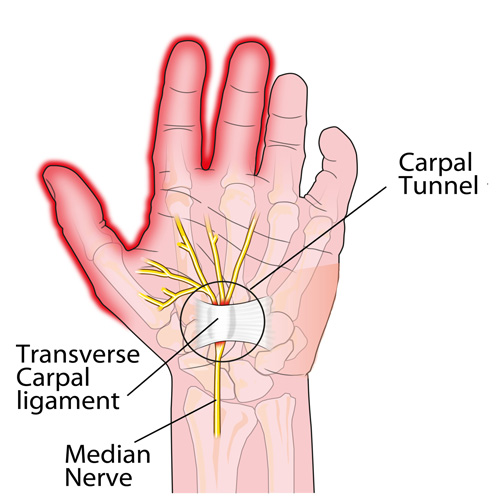
- Carpal tunnel syndrome
Conclusion
Chiropractic care offers a safe, natural, and drug-free approach to pain relief that focuses on addressing the underlying causes of pain and dysfunction. By restoring proper alignment to the spine, optimizing nervous system function, and promoting overall musculoskeletal health, chiropractic treatments can help alleviate pain, improve mobility, and enhance quality of life. If you’re experiencing pain or discomfort, consider consulting with a qualified chiropractor to explore how chiropractic care can help you find relief and restore your health and vitality.
The Importance of Personalized Training in Achieving Fitness Goals
When it comes to achieving fitness goals, there is no one-size-fits-all approach. Each individual has unique strengths, weaknesses, preferences, and goals that require personalized attention and guidance. That’s where personalized training comes in. In this article, we’ll explore the importance of personalized training in helping you reach your fitness goals and why it’s worth investing in a customized approach to fitness.
Understanding Personalized Training
Personalized training involves working one-on-one with a certified personal trainer who tailors a fitness program specifically to your needs, abilities, and objectives. Rather than following a generic workout plan or participating in group classes, personalized training offers individualized attention, support, and accountability to help you maximize your potential and achieve optimal results.
Benefits of Personalized Training
- Customized Workouts: A personalized training program is designed to address your unique fitness level, goals, preferences, and any physical limitations or injuries you may have. Your personal trainer will create a variety of exercises and routines that target your specific needs, ensuring that every workout is effective, safe, and enjoyable.
- Accountability and Motivation: Working with a personal trainer provides accountability and motivation to stay on track with your fitness goals. Your trainer will keep you accountable for your workouts, track your progress, and provide encouragement and support to help you stay motivated and focused, even when the going gets tough.
- Proper Form and Technique: One of the biggest advantages of personalized training is the opportunity to receive individualized instruction and feedback on proper form and technique. Your personal trainer will teach you how to perform exercises correctly, prevent injury, and maximize results by ensuring that you’re using the right muscles and movements.
- Progress Tracking and Adjustments: With personalized training, your progress is closely monitored, and your program is adjusted as needed to ensure continued progress and adaptation. Whether you’re looking to build strength, lose weight, improve endurance, or enhance athletic performance, your trainer will modify your workouts and goals accordingly to keep you moving forward.
- Nutritional Guidance: In addition to exercise programming, many personal trainers offer nutritional guidance and support to help you fuel your body for optimal performance and results. Your trainer can provide personalized recommendations on meal planning, supplementation, hydration, and healthy eating habits to complement your fitness efforts.
Investing in Your Health and Well-being
While personalized training may require a financial investment, the benefits it offers in terms of results, support, and guidance are invaluable. By working with a knowledgeable and experienced personal trainer, you’re not just investing in a workout program – you’re investing in your health, well-being, and future self.
In conclusion, personalized training is a highly effective and efficient way to achieve your fitness goals and unlock your full potential. With individualized attention, customized workouts, accountability, and support, personalized training empowers you to make meaningful and sustainable changes to your health and fitness. If you’re ready to take your fitness journey to the next level, consider investing in personalized training and experience the transformative benefits it has to offer.
Effective Plantar Fasciitis Treatment with Class IV Laser
What is it?
Plantar fasciitis is inflammation of the thick tissue on the bottom of the foot that connects the heel to the toes and creates the arch of the foot.
Symptoms
The most common complaint is pain in the bottom of the heel. The heel pain may be dull or sharp. The bottom of the foot may also ache or burn. This can be painful and make walking more difficult.
The pain is usually worse:
- In the morning when you take your first steps
- After standing or sitting for a while
- When climbing stairs
- After intense activity
The pain may develop slowly over time, or suddenly after intense activity.
What Causes Plantar Fasciitis?
Plantar fasciitis develops because of repeated small tears to the flat band of ligamentous tissue that connects your heel to the bones of your toes. These tears weaken the arch that supports the foot. As the arch of the foot weakens, increasing strain is placed on the deeper ligaments and tendons of the foot and lower leg. Over time, Plantar Fasciitis can result in Chronic Pain, Heel Spurs and Degenerative Joint Disease (Arthritis).
You are more likely to get plantar fasciitis if you have:
• Foot arch problems (both flat feet and high arches)
• Long-distance running, especially running downhill or on uneven surfaces
• Sudden weight gain or obesity
• Tight Achilles tendon (the tendon connecting the calf muscles to the heel)
• Shoes with poor arch support or soft soles
Plantar fasciitis is seen in both men and women. However, it most often affects active men ages 40 – 70. It is one of the most common orthopedic complaints relating to the foot.
Plantar fasciitis is commonly thought of as being caused by a heel spur, but research has found that this is not the case. On x-ray, heel spurs are seen in people with and without plantar fasciitis.
Signs and tests
The health care provider will perform a physical exam. This may show:
• Tenderness on the bottom of your foot
• Flat feet or high arches
• Mild foot swelling or redness
• Stiffness or tightness of the arch in the bottom of your foot.
Physicians typically treat Plantar Fasciitis with anti-inflammatory drugs and steroid injections. These medications temporarily reduce the pain associated with Plantar Fasciitis but do not treat the cause of the problem. Traditional methods can usually take between 9 months to two years to resolve this condition.
Class IV Laser Plantar Fasciitis Program
Our program utilizes the latest class IV Lasers, and combines them with other therapies to help reduce the pain, strengthen the muscles around the foot and ankle joints, and increase range of motion. The Class IV Laser is at the heart of our treatment program. It provides a safe, effective, non-invasive, painless solution for plantar fasciitis. Patients generally respond exceptionally well to treatments and usually notice significant pain relief after just a few treatments.
Permanent correction of Plantar Fasciitis requires two procedures.
1. Heal the Damaged Fascia
Ending the pain caused by Plantar Fasciitis requires stopping the cycle of inflammation. This is critical because chronically inflamed tissues block the flow of needed nutrients and oxygen to surrounding muscles and joints. The advanced CLASS IV LASER restores the flow of nutrients and oxygen to the inflamed tissue allowing the cells to repair themselves at an accelerated rate.
2. Correct the Foot and Gait Mechanics
Most cases of plantar fasciitis are resolved very easily with Class IV Laser Therapy alone; however, if the condition has become chronic this can lead to alterations in the gait that will have to be addressed. This could involve stabilizing the arch with orthotics or implementing a simple series of specific strengthening and stretching exercises.
Plantar fasciitis when treated early has an exceptionally good prognosis with our protocol. We encourage those with Plantar Fasciitis to seek our help right away. The longer one suffers with this painful condition the more likely it will cause other conditions in the knee, hip and spine.
Transform Your Sleep with a Cervical Support Pillow | Benefits Explained
Achieving a restful night’s sleep is crucial for overall health and well-being, yet many people struggle with discomfort and poor sleep quality due to improper neck support. One effective solution is using a cervical support pillow, designed to maintain the natural curvature of your neck and spine. In this blog post, we’ll explore the benefits of a cervical support pillow and how it can transform your sleep experience. Let’s delve into why investing in a cervical support pillow could be the key to waking up refreshed and pain-free.
What is a Cervical Support Pillow?
A cervical support pillow is ergonomically designed to support the neck’s natural curvature, providing optimal alignment for the head, neck, and spine. Unlike traditional pillows, cervical support pillows often have a contoured shape, featuring a central depression for the head and elevated edges to support the neck. They are typically made from materials such as memory foam, latex, or fiber fill to offer both support and comfort.
Benefits of a Cervical Support Pillow
1. Alleviates Neck Pain
One of the primary benefits of a cervical support pillow is its ability to alleviate neck pain. By maintaining the natural alignment of the cervical spine, these pillows reduce strain on the neck muscles and ligaments. This alignment helps prevent stiffness and discomfort, allowing you to wake up without the usual neck pain associated with poor sleeping posture.
2. Enhances Spinal Alignment
Proper spinal alignment is crucial for overall health and well-being. A cervical support pillow promotes correct alignment of the head, neck, and spine, reducing the risk of developing chronic pain conditions such as cervical spondylosis or herniated discs. By supporting the natural curve of the spine, these pillows help maintain a healthy posture even while you sleep.
3. Improves Sleep Quality
A good night’s sleep is essential for physical and mental health. Cervical support pillows enhance sleep quality by providing the right amount of support and comfort, reducing tossing and turning throughout the night. Improved sleep quality leads to better mood, increased productivity, and overall enhanced quality of life.
4. Reduces Snoring and Sleep Apnea
For individuals suffering from snoring or sleep apnea, a cervical support pillow can be particularly beneficial. By keeping the airways open and properly aligned, these pillows help reduce the likelihood of airway obstruction, thereby decreasing snoring and sleep apnea symptoms. This results in more restful and uninterrupted sleep for both you and your partner.
5. Relieves Shoulder and Upper Back Pain
Improper neck support can lead to shoulder and upper back pain. A cervical support pillow helps distribute weight evenly across the shoulders, reducing pressure points and alleviating pain in these areas. This even distribution of weight promotes relaxation of the shoulder muscles, further enhancing comfort and sleep quality.
6. Suitable for Various Sleeping Positions
Whether you’re a back, side, or even a stomach sleeper, there’s a cervical support pillow designed to meet your needs. These pillows come in various shapes and sizes to accommodate different sleeping positions, ensuring that everyone can benefit from proper neck support and improved sleep posture.
7. Durable and Long-Lasting
Cervical support pillows are typically made from high-quality materials such as memory foam or latex, which are known for their durability and longevity. Investing in a cervical support pillow means you’ll enjoy consistent support and comfort for years to come, making it a worthwhile addition to your sleep routine.
How to Choose the Right Cervical Support Pillow
Selecting the right cervical support pillow is essential to reap its full benefits. Here are some tips to help you choose the perfect pillow:
- Consider Your Sleeping Position: Back sleepers may prefer contoured pillows with higher edges, while side sleepers might benefit from pillows with more firm support.
- Material Matters: Memory foam pillows offer excellent support and conform to your shape, while latex pillows provide a firmer feel and are hypoallergenic.
- Pillow Height: Ensure the pillow height matches your shoulder width to maintain proper spinal alignment.
- Personal Preference: Comfort is key. Choose a pillow that feels comfortable and supports your head and neck effectively.
Conclusion
A cervical support pillow is more than just a pillow; it’s an investment in your health and well-being. By providing proper neck support, enhancing spinal alignment, improving sleep quality, reducing snoring, and alleviating pain, a cervical support pillow can transform your sleep experience. Whether you suffer from neck pain, snoring, or simply want to improve your sleep quality, a cervical support pillow could be the solution you’ve been searching for. Make the switch today and wake up feeling refreshed, pain-free, and ready to take on the day.
Understanding and Treating Common Back Injuries
Back pain is a widespread issue that affects millions of people worldwide, impacting daily life and overall well-being. While back pain can stem from various causes, certain types of back injuries are more prevalent than others. In this blog post, we’ll explore the five most common types of back injuries, their causes, symptoms, and potential treatments.
1. Muscle Strain or Sprain
Causes: Muscle strain or sprain occurs when muscles or ligaments in the back are stretched or torn, often due to sudden movements, heavy lifting, or poor posture.
Symptoms: Common symptoms include localized pain, stiffness, muscle spasms, and difficulty moving the affected area.
Treatment: Treatment typically involves rest, ice or heat therapy, over-the-counter pain medication, and gentle stretching exercises. In severe cases, physical therapy or chiropractic care may be recommended.
2. Herniated Disc
Causes: A herniated disc, also known as a slipped or ruptured disc, occurs when the soft inner core of a spinal disc protrudes through the tough outer layer, putting pressure on nearby nerves. This can result from age-related wear and tear, injury, or improper lifting techniques.
Symptoms: Symptoms may include sharp pain in the back or neck, radiating pain or numbness in the arms or legs, muscle weakness, and tingling sensations.
Treatment: Treatment options include rest, anti-inflammatory medication, physical therapy, and epidural steroid injections. In severe cases, surgery may be necessary to remove or repair the affected disc.
3. Degenerative Disc Disease
Causes: Degenerative disc disease is a condition characterized by the gradual deterioration of spinal discs over time. Factors such as aging, genetics, and repetitive strain can contribute to the development of this condition.
Symptoms: Symptoms may include chronic back pain, stiffness, reduced flexibility, and pain that worsens with movement or sitting for prolonged periods.
Treatment: Treatment focuses on managing symptoms and may include medication, physical therapy, lifestyle modifications, and spinal injections. In severe cases, surgery such as spinal fusion or disc replacement may be considered.
4. Spinal Stenosis
Causes: Spinal stenosis occurs when the spinal canal narrows, putting pressure on the spinal cord and nerves. This narrowing can be caused by age-related changes, such as bone spurs or thickened ligaments, or by conditions like arthritis or herniated discs.
Symptoms: Symptoms may include pain, numbness, or weakness in the back, legs, or arms, difficulty walking or maintaining balance, and bowel or bladder dysfunction.
Treatment: Treatment options include medication, physical therapy, epidural steroid injections, and lifestyle modifications. In severe cases, surgery to decompress the spinal cord may be necessary.
5. Spondylolisthesis
Causes: Spondylolisthesis occurs when a vertebra slips out of place and onto the vertebra below it. This can result from a fracture or defect in the vertebra, degenerative changes, or repetitive stress on the spine.
Symptoms: Symptoms may include lower back pain, stiffness, muscle spasms, leg pain or weakness, and difficulty walking or standing for long periods.
Treatment: Treatment options include rest, medication, physical therapy, and bracing to stabilize the spine. In severe cases, surgery may be needed to realign the vertebrae and relieve pressure on the nerves.
Conclusion
Back injuries can vary in severity and cause significant discomfort and impairment. Understanding the most common types of back injuries, their causes, symptoms, and treatment options is essential for effective management and prevention. If you experience persistent or severe back pain, it’s crucial to consult with a healthcare professional for a thorough evaluation and personalized treatment plan. By taking proactive steps to address back injuries, you can improve your quality of life and reduce the risk of long-term complications.