Regardless of age, females who are highly physically fit have faster neural reaction times than their less fit peers. Near infrared spectroscopy scans showed that physical fitness is associated with greater cerebral oxygenation, which may be the underlying mechanism for the observed elevations in brain function.
Mindfulness practices encourage individuals to focus their attention on the present, instead of the past or future, and to take an objective look at their thoughts and emotions. A new study finds that mindfulness meditation may help older adults get a better night’s sleep. In the study, those who learned mindfulness practices slept better within six weeks and also showed a greater reduction in depression symptoms and daytime fatigue. Co-author Dr. Adam Spira writes, “Cognitive behavioral therapy is highly effective… What I found most interesting about this [mindfulness] approach is that it’s a non-drug option, and it’s accessible to the community at large.”
Exercise: Moderate Exercise Can Help Women’s Hearts.
Just a few bouts of moderate exercise each week can reduce a middle aged woman’s risk for heart disease, blood clots, and stroke by 20% when compared with women who do little or no exercise. Moderate exercise examples include walking, gardening, and cycling. Lead author Dr. Miranda Armstrong concludes, “To prevent heart disease, stroke and blood clots, women don’t have to be super athletes or strenuously exercise daily to experience the benefits of physical activity.”
A new study indicates that a simple high-fiber diet can help lower blood pressure, reduce blood sugar, and aid in weight loss. Researchers found that increasing dietary fiber led to a host of other healthy dietary changes, likely because consuming more high-fiber foods can lead to a decrease in consumption of unhealthy foods that are high in fat and sugar. Study author Dr. Yunsheng Ma writes, “For people who find it difficult to follow complex dietary recommendations, a simpleto-follow diet with just one message — increase your fiber intake — may be the way to go.”
Mental Attitude: Kids Can Suffer from Migraines Too.
According to the American Migraine Foundation, about 6% of children and more than 25% of teens ages 15-17 suffer from migraines. Many factors can contribute to childhood migraines, including too little or too much sleep and abnormal stress. Children with migraines should be evaluated by a healthcare professional for potential treatment options.
Exercise: Access to Physical Activity Could Reduce Health Costs.
New research finds that standardizing access to physical activity services such as classes or counseling to encourage exercise could help reduce costs associated with a sedentary lifestyle. Past research has linked lack of physical activity to chronic conditions such as heart disease, diabetes, and obesity. Lead researcher Dr. Cameron Moore adds, “These services can range from something as informal as an organized walking group, to something as structured as an aerobics class or counseling session. Physical activity services are certainly part of the broader health promotion picture, but they are unique in their cost-effectiveness and ability to improve health and well-being for all patients, not just those with a chronic condition.”
Applied Physiology, Nutrition and Metabolism, February 2015
Chiropractic: Quick Recovery for Spinal Degeneration?
Lumber spinal stenosis is a condition that eventually leads to compression/choking of spinal nerve roots in the lower back that can produce tingling, weakness, or numbness that radiates from the low back and into the buttocks and legs. A recent study found that just one spinal adjustment resulted in immediate improvements in perceived pain, spinal mobility, and hip flexion among men who suffer from osteoarthritis and spinal stenosis. Further long-term studies are needed, but the findings are hopeful for those who are searching for relief from spinal degeneration symptoms.
Archives of Physical Medicine and Rehabilitation, September 2014
Safety first. Not only is “do no harm” part of the oath that doctors take, but it’s also a pretty good principle for all of us to live by. No matter how safe you are, there are times when you get hurt or injured, and finding a healthcare option that is safe, provides excellent results, and has high patient satisfaction can be tricky. Or is it? In 2007, SPINE (one of the worlds most respected research journals) looked at data from over 50,000 Chiropractic adjustments given to nearly 20,000 patients, and they found Chiropractic care to be incredibly safe and effective.
Why it Matters:
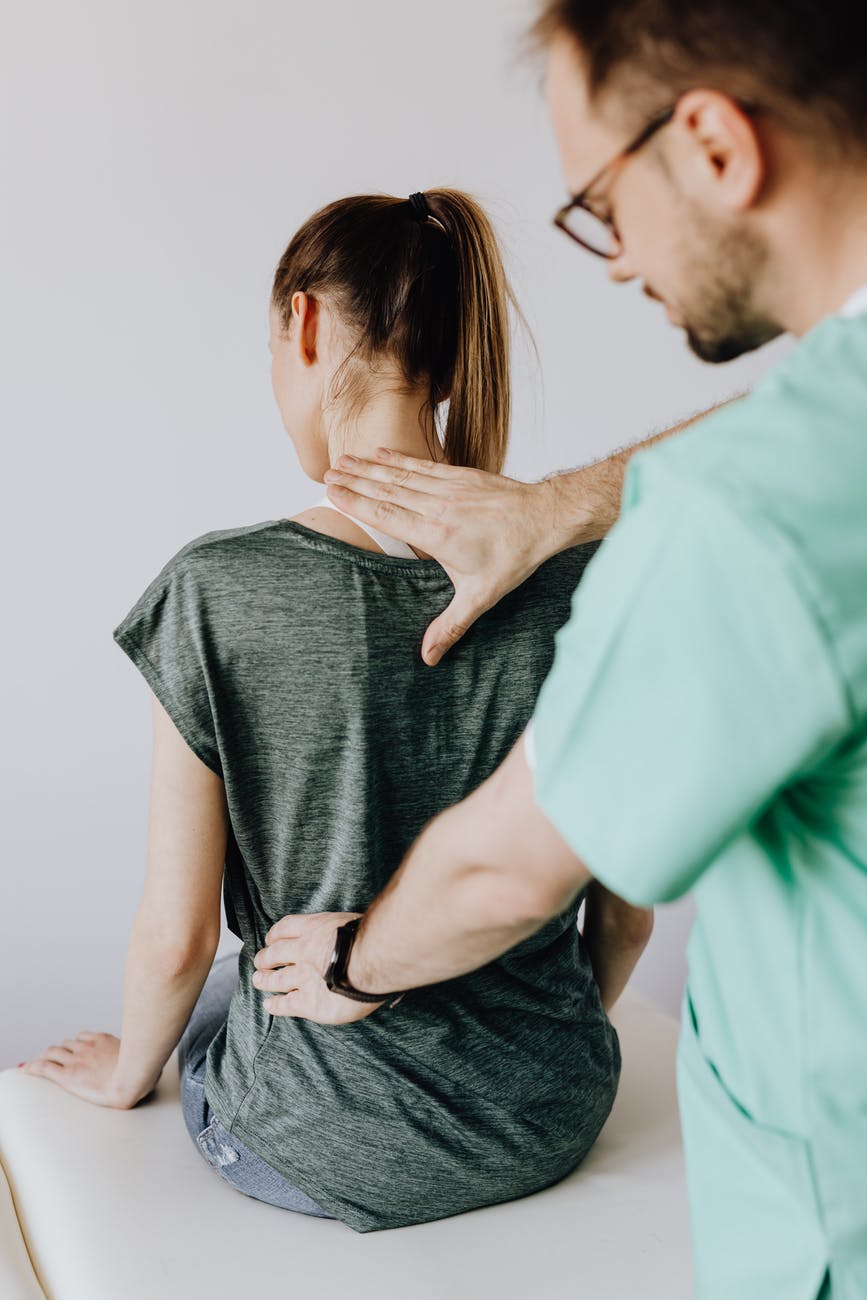
Awkward sleeping positions, poor posture, and long hours at a computer can all lead to neck pain. By staying active, taking periodic breaks to stretch throughout the day, and setting up your workstation to minimize the stress on your spine, you can dramatically reduce the likelihood you will encounter a bout of neck pain. It’s great to know that if you do end up experiencing neck pain, Chiropractic adjustments are one of the safest and most effective options to help get you back on track.
Research has shown Chiropractic care to be extremely safe.
SPINE examined nearly 20,000 patients and found zero complications.
Up to 85% of people with acute neck pain found relief with Chiropractic adjustments.
Next Steps:
Believe it or not, many people are nervous to start Chiropractic care. The truth is that Chiropractic care is safer than many medications and has far less risk than surgery. Sharing research like this with your friends and family is a great idea. It will inspire them to make a smart decision using the Research That Matters!
Science Source:
Spinal Manipulation, Medication, or Home Exercise With Advice for Acute and Subacute Neck Pain- A Randomized Trial. Annals of Internal Medicine, Volume 156, 2012
Safety of Chiropractic Manipulation of the Cervical Spine. SPINE, Volume 32, 2007
Evidence-Based Guidelines for the Chiropractic Treatment of Adults with Neck Pain. Journal of Manipulative and Physiological Therapeutics. Volume 37. 2014
Risk of Vertebrobasilar Stroke and Chiropractic Care. SPINE, Volume 33. 2008
According to new research, the problem of American teens not getting enough sleep continues to worsen. In 1991, 71% of 15-year-olds reported getting seven of more hours of sleep per night. As of 2012, this percentage has decreased to 63%. The study shows that at age 13, approximately two-thirds of teens get at least seven hours of sleep a night and by age 18, that percentage drops to about one-third. Sleep experts have noted that too little sleep increases the risk of weight gain, poor school performance, depression, and other problems.
Exercise: Combination of Coconut Oil & Exercise Reduces High Blood Pressure.
Brazilian researchers have discovered that combining exercise and daily consumption of coconut oil can reduce high blood pressure, at least in animal subjects. Using hypertensive rats, the researchers found that the combination of a daily intake of coconut oil and exercise restored baroreflex sensitivity and reduced oxidative stress, resulting in a reduction in blood pressure. Study co-author Dr. Valdir de Andrade Braga explains, “This is an important finding as coconut oil is currently being considered a popular ‘superfood’ and it is being consumed by athletes and the general population who seek a healthy lifestyle.” Applied Physiology, Nutrition, and Metabolism, February 2015