Chiro & Concussions

head-shot2

Whiplash Associated Disorders (WAD) is the appropriate terminology to use when addressing the myriad of symptoms that can occur as a result of a motor vehicle collision (MVC). In a recent publication in The Physician and Sports Medicine (Volume 43, Issue 3, 2015; 7/3/15 online:1-11), the article “The role of the cervical spine in post-concussive syndrome” takes a look at the neck when it’s injured in a car accident and how this relates to concussion.

It’s estimated about 3.8 million concussion injuries, also referred to as “mild traumatic brain injury” (mTBI), occur each year in the United States. Ironically, it’s one of the least understood injuries in the sports medicine and neuroscience communities. The GOOD NEWS is that concussion symptoms resolve within 7-10 days in the majority of cases; unfortunately, this isn’t the case with 10-15% of patients. Symptoms can last weeks, months, or even years in this group for which the term “post-concussive syndrome” (PCS) is used (defined as three or more symptoms lasting for four weeks as defined by the ICD-10) or three months following a minor head injury (as defined by the Diagnostic and Statistical Manual of Mental Disorders).

There have been significant advances in understanding what takes place in the acute phase of mTBI, but unfortunately, there is no clear physiological explanation for the chronic phase. Studies show the range of force to the head needed to cause concussion is between 60-160g (“g” = gravity) with 96.1g representing the highest predictive value in a football injury, whereas as little as 4.5g of neck acceleration can cause mild strain injury to the neck. In spite of this difference, the signs and symptoms reported by those injured in low-speed MVCs vs. football collisions are strikingly similar!

Research shows if an individual sustains an injury where the head is accelerated between 60-160g, it is HIGHLY likely that the tissues of the cervical spine (neck) have also reached their injury threshold of 4.5g. In a study that looked at hockey players, those who sustained a concussion also had WAD / neck injuries indicating that these injuries occur concurrently. Injuries to the neck in WAD include the same symptoms that occur in concussion including headache, dizziness/balance loss, nausea, visual and auditory problems, and cognitive dysfunction, just to name a few.

The paper concludes with five cases of PCS that responded well to a combination of active exercise/rehabilitation AND passive manual therapy (cervical spine manipulation). The favourable outcome supports the concept that the neck injury portion of WAD is a very important aspect to consider when treating patients with PCS!

This “link” between neck injury and concussion explains why chiropractic care is essential in the treatment of the concussion patient! This is especially true when the symptoms of concussion persist longer than one month!

We realize you have a choice in whom you consider for your health care provision and we sincerely appreciate your trust in choosing our service for those needs.  If you, a friend, or family member requires care for Whiplash, we would be honoured to render our services.


Maximizing Athletes’ Performance and Preventing Injuries with Pilates

Athletes are no strangers to the risk of injury that comes with pushing the limits of physical performance. Whether you’re a professional athlete, a dedicated gym-goer, or a weekend warrior, the last thing you want is to be sidelined by an injury. That’s where Pilates comes in. This low-impact exercise method offers a myriad of benefits for athletes, including injury prevention. In this article, we’ll explore how Pilates can help athletes stay injury-free and perform at their best.

Understanding Pilates

Pilates is a form of exercise that focuses on strengthening the core muscles, improving flexibility, and enhancing body awareness and control. Developed by Joseph Pilates in the early 20th century, Pilates emphasizes precise, controlled movements performed with proper alignment and breathing techniques. Pilates exercises can be done on a mat or using specialized equipment such as reformers, cadillacs, and barrels, offering a versatile and customizable workout experience.

Benefits of Pilates for Injury Prevention

  1. Core Strength and Stability: Pilates targets the deep stabilizing muscles of the core, including the abdominals, obliques, and pelvic floor muscles. A strong core provides a stable foundation for movement, improves posture, and reduces the risk of injuries such as low back pain, hip instability, and knee injuries.
  2. Muscle Balance and Symmetry: Pilates exercises promote balanced muscle development by targeting both large and small muscle groups throughout the body. By addressing muscle imbalances and weaknesses, Pilates helps prevent overuse injuries and compensatory movement patterns that can lead to injury.
  3. Flexibility and Range of Motion: Pilates incorporates dynamic stretching and lengthening exercises that improve flexibility, joint mobility, and muscle elasticity. Enhanced flexibility reduces the risk of strains, sprains, and muscle tears by allowing muscles and joints to move through their full range of motion more effectively.
  4. Improved Body Awareness and Alignment: Pilates emphasizes proper alignment, posture, and body mechanics, teaching athletes to move mindfully and efficiently. By increasing body awareness and proprioception, Pilates helps athletes identify and correct movement dysfunctions and biomechanical issues that contribute to injury.
  5. Injury Rehabilitation and Recovery: Pilates is often used as a rehabilitation tool to help athletes recover from injuries and return to sport safely. With its low-impact nature and focus on controlled movements, Pilates can be adapted to accommodate individuals with injuries or mobility limitations, allowing for targeted strengthening and rehabilitation exercises.
  6. Mind-Body Connection: Pilates fosters a mind-body connection by encouraging focused concentration, breath awareness, and mindfulness during movement. This heightened awareness helps athletes tune into their bodies, listen to warning signs of potential injury, and make adjustments to prevent overexertion or strain.

Incorporating Pilates Into Your Training Routine

To reap the benefits of Pilates for injury prevention, consider incorporating Pilates into your training routine in the following ways:

  • Attend Pilates classes or private sessions led by certified instructors who can provide personalized guidance and instruction.
  • Include Pilates exercises as part of your warm-up or cool-down routine to prepare the body for activity and promote recovery.
  • Use Pilates equipment such as reformers, stability balls, and resistance bands to add variety and challenge to your workouts.
  • Focus on proper form, alignment, and breath control during Pilates exercises to maximize effectiveness and reduce the risk of injury.
  • Listen to your body and modify exercises as needed to accommodate any injuries, limitations, or areas of discomfort.

Conclusion

In conclusion, Pilates is a valuable tool for athletes seeking to prevent injuries, improve performance, and maintain overall health and well-being. By strengthening the core, promoting muscle balance and flexibility, enhancing body awareness, and facilitating injury rehabilitation, Pilates empowers athletes to move with confidence, resilience, and efficiency. Whether you’re a competitive athlete or a fitness enthusiast, incorporating Pilates into your training routine can help you stay injury-free and perform at your peak.

Chiropractic Care for Enhanced Athletic Performance

Athletes are always seeking ways to optimize their performance and gain a competitive edge. While rigorous training, proper nutrition, and mental focus are essential components of athletic success, many athletes are turning to chiropractic care to enhance their performance and prevent injuries. In this article, we’ll explore the role of chiropractic care in improving athletic performance and how athletes can benefit from incorporating chiropractic treatments into their training regimen.

Understanding Chiropractic Care

Chiropractic care is a holistic healthcare approach that focuses on the relationship between the spine and the nervous system, emphasizing the body’s innate ability to heal itself. Chiropractors use hands-on techniques, such as spinal adjustments, manipulations, and soft tissue therapies, to correct spinal misalignments (subluxations), restore joint function, and alleviate pain and dysfunction. By optimizing spinal alignment and nervous system function, chiropractic care aims to promote overall health, well-being, and vitality.

Benefits of Chiropractic Care for Athletes

  1. Improved Joint Mobility and Range of Motion: Chiropractic adjustments can help improve joint mobility and flexibility, allowing athletes to move more freely and efficiently. By addressing restrictions in the spine and extremities, chiropractic care can enhance range of motion, reduce stiffness, and prevent injuries related to restricted movement.
  2. Enhanced Neuromuscular Function: The nervous system plays a crucial role in coordinating movement, balance, and proprioception (awareness of body position). Chiropractic adjustments help optimize nervous system function by removing interference along the spine, facilitating better communication between the brain and body, and enhancing neuromuscular coordination and control.
  3. Prevention of Sports Injuries: Regular chiropractic care can help prevent sports injuries by addressing underlying biomechanical imbalances, muscle weaknesses, and joint dysfunctions that may predispose athletes to injury. By promoting proper alignment, muscle balance, and joint stability, chiropractic adjustments reduce the risk of overuse injuries, strains, sprains, and repetitive stress injuries.
  4. Faster Recovery from Injuries: In the event of an injury, chiropractic care can expedite the healing process and facilitate recovery by promoting optimal tissue repair, reducing inflammation, and alleviating pain. Chiropractors may incorporate soft tissue therapies, rehabilitative exercises, and nutritional support to enhance the body’s natural healing mechanisms and restore function more quickly.
  5. Pain Relief and Management: Many athletes experience musculoskeletal pain and discomfort as a result of training, competition, or repetitive stress. Chiropractic care offers effective pain relief by addressing the underlying causes of pain, such as spinal misalignments, muscle tension, and nerve irritation. By providing targeted adjustments and therapies, chiropractors help athletes manage pain naturally and avoid reliance on medications or invasive procedures.

Incorporating Chiropractic Care into Athletic Training

Athletes of all levels can benefit from incorporating chiropractic care into their training regimen, whether they’re preparing for competition, recovering from an injury, or simply looking to optimize their performance and overall health. Here are some tips for integrating chiropractic care into your athletic routine:

  • Schedule regular chiropractic adjustments to maintain spinal alignment and nervous system function.
  • Address any biomechanical imbalances or musculoskeletal issues proactively to prevent injuries.
  • Seek chiropractic care for acute injuries or chronic conditions to expedite healing and rehabilitation.
  • Work with a sports chiropractor who understands the unique needs and demands of athletes and can tailor treatments accordingly.
  • Combine chiropractic care with other modalities such as physical therapy, massage therapy, strength training, and sports nutrition for a comprehensive approach to performance optimization and injury prevention.

Conclusion

In conclusion, chiropractic care offers numerous benefits for athletes seeking to improve their performance, prevent injuries, and recover from training and competition. By optimizing spinal alignment, enhancing nervous system function, and promoting overall musculoskeletal health, chiropractic adjustments help athletes move, perform, and feel their best. Whether you’re a professional athlete, weekend warrior, or fitness enthusiast, chiropractic care can be a valuable addition to your training toolkit, helping you achieve your athletic goals and excel in your chosen sport or activity.

Benefits of Regular Chiropractic Adjustments

In today’s fast-paced world, many of us lead lives that put significant strain on our bodies. Whether it’s from sitting at a desk for hours on end, participating in sports, or even just the stresses of daily life, our bodies can develop aches, pains, and imbalances over time. This is where chiropractic care comes in.

Chiropractic adjustments are a cornerstone of chiropractic care, and they offer numerous benefits beyond just pain relief. In this article, we’ll explore five key benefits of regular chiropractic adjustments that can improve your overall health and well-being.

1. Pain Relief

One of the most well-known benefits of chiropractic adjustments is their ability to provide relief from pain, particularly in the back, neck, and joints. By realigning the spine and other musculoskeletal structures, chiropractors can alleviate pressure on nerves and reduce inflammation, leading to decreased pain and improved mobility.

2. Improved Posture

Poor posture is a common problem in today’s society, often resulting from sedentary lifestyles and excessive screen time. Over time, poor posture can lead to muscle imbalances, joint dysfunction, and chronic pain. Regular chiropractic adjustments can help correct spinal misalignments, allowing your body to maintain better posture naturally.

3. Enhanced Functionality

When your spine is properly aligned, your nervous system can function more efficiently, facilitating communication between your brain and body. This improved communication can enhance the function of various systems and organs in your body, leading to better overall health and vitality.

4. Increased Energy Levels

When your body is in alignment, it doesn’t have to work as hard to maintain proper function. Many people report feeling more energized and alert after chiropractic adjustments, as their bodies are able to operate more efficiently. This increased energy can translate into improved productivity and a better quality of life.

In conclusion, regular chiropractic adjustments offer a multitude of benefits beyond just pain relief. From improved posture and enhanced functionality to a stronger immune system and increased energy levels, chiropractic care can help you achieve and maintain optimal health and wellness. If you’re looking for a natural, holistic approach to health care, consider incorporating regular chiropractic adjustments into your wellness routine. Your body will thank you for it!

Unlocking Your Speed Potential: Why Sprinting 3 Times a Week is Key to Building and Maintaining Speed Year-Round

Speed is a coveted attribute in various sports and physical activities. Whether you’re an athlete aiming to enhance performance, a fitness enthusiast looking to diversify your workout routine, or someone seeking to improve overall health, incorporating sprinting into your weekly regimen can be a game-changer. Sprinting three times a week is particularly effective for building and maintaining speed year-round. Here’s why this approach is so beneficial.

1. Maximizes Fast-Twitch Muscle Fibers Activation

Sprinting primarily engages fast-twitch muscle fibers, which are crucial for explosive movements and speed. These fibers generate more power compared to slow-twitch fibers, making them essential for activities requiring quick bursts of energy. Regular sprinting stimulates these muscles, enhancing their strength and efficiency. By sprinting three times a week, you consistently activate and develop these fibers, leading to improved speed and explosive power.

2. Enhances Neuromuscular Coordination

Speed is not just about muscle power; it’s also about how effectively your brain and muscles communicate. Sprinting improves neuromuscular coordination by training your nervous system to send rapid, precise signals to your muscles. This heightened coordination translates into quicker, more efficient movements, essential for maintaining speed. Regular sprinting ensures these neuromuscular pathways remain sharp and responsive.

3. Boosts Cardiovascular Fitness

While sprinting is an anaerobic exercise, it significantly boosts cardiovascular fitness. Short, intense bursts of sprinting elevate your heart rate, improving heart and lung function. This enhanced cardiovascular capacity supports longer durations of physical activity and quicker recovery times, contributing to overall endurance. Better cardiovascular health also means your body can sustain high-speed performance for extended periods.

4. Increases Metabolic Rate

Sprinting is an excellent way to boost your metabolism. The high-intensity nature of sprinting triggers a metabolic response known as excess post-exercise oxygen consumption (EPOC), where your body continues to burn calories at an elevated rate even after the workout is finished. This increase in metabolic rate aids in fat loss and muscle definition, which can contribute to overall speed and agility.

5. Improves Technique and Form

Regular sprinting allows for continual refinement of technique and form. Proper sprinting mechanics are crucial for maximizing speed and efficiency while minimizing the risk of injury. Sprinting three times a week provides ample opportunity to focus on aspects such as stride length, arm movement, and body posture. Over time, these adjustments become ingrained, leading to improved overall speed.

6. Promotes Hormonal Balance

High-intensity exercises like sprinting stimulate the release of growth hormone and testosterone, both of which are vital for muscle growth and recovery. These hormones help repair and build muscle tissue, ensuring that your muscles remain strong and capable of producing the power needed for sprinting. Maintaining a balanced hormonal environment is key to sustaining speed and athletic performance.

7. Supports Mental Toughness and Resilience

Sprinting is as much a mental challenge as it is a physical one. The intensity of sprinting workouts builds mental toughness and resilience. Pushing through the discomfort of high-intensity sprints develops a strong, determined mindset, which is crucial for athletes and fitness enthusiasts alike. This mental fortitude can be applied to various aspects of life, enhancing overall well-being and performance.

8. Provides Time Efficiency

One of the most significant advantages of sprinting is its time efficiency. Unlike lengthy endurance workouts, sprinting sessions are short yet highly effective. A well-structured sprint workout, including warm-up and cool-down, can be completed in 30 minutes or less. This makes it easier to fit into a busy schedule while still reaping substantial benefits for speed and fitness.

Sprinting three times a week is a powerful strategy for building and maintaining speed year-round. By maximizing fast-twitch muscle fiber activation, enhancing neuromuscular coordination, boosting cardiovascular fitness, increasing metabolic rate, improving technique, promoting hormonal balance, supporting mental toughness, and offering time efficiency, sprinting proves to be an indispensable component of a well-rounded fitness regimen. Embrace the challenge and unlock your speed potential by incorporating regular sprints into your weekly routine. Your body—and your stopwatch—will thank you.

Unlocking Peak Performance: The Benefits of Chiropractic Care for MMA Fighters

Photo by Bruno Bueno on Pexels.com

Mixed Martial Arts (MMA) is one of the most physically demanding sports, requiring a combination of strength, speed, flexibility, and endurance. Fighters subject their bodies to intense training regimes and rigorous competition, often leading to various physical strains and injuries. To maintain peak performance and longevity in the sport, many MMA athletes turn to chiropractic care. This holistic approach to health not only aids in injury prevention and recovery but also enhances overall athletic performance. Here’s how chiropractic care can be a game-changer for MMA fighters.

Enhancing Performance and Flexibility

Chiropractic care focuses on maintaining and improving the alignment and function of the musculoskeletal system, particularly the spine. For MMA fighters, optimal spinal alignment is crucial for performance. Proper alignment ensures that the nervous system operates efficiently, which can enhance reflexes, coordination, and overall physical performance. Regular chiropractic adjustments can also improve joint flexibility and range of motion, which are essential for executing precise techniques and avoiding injury during training and fights.

Injury Prevention and Recovery

MMA fighters are prone to a variety of injuries, including sprains, strains, dislocations, and fractures. Chiropractic care plays a significant role in both preventing and recovering from these injuries. By maintaining proper alignment and balance, chiropractic adjustments help distribute physical stress more evenly across the body, reducing the risk of overuse injuries. Additionally, chiropractors can identify and address minor misalignments and imbalances before they develop into more serious issues.

For injury recovery, chiropractic care can accelerate the healing process. Techniques such as spinal adjustments, soft tissue therapy, and rehabilitative exercises help reduce inflammation, improve circulation, and promote the body’s natural healing mechanisms. This holistic approach ensures that fighters can return to training and competition more quickly and with reduced risk of re-injury.

Pain Management

Pain management is another critical aspect where chiropractic care benefits MMA fighters. The physical demands of training and fighting can lead to chronic pain conditions, including back pain, neck pain, and headaches. Chiropractic adjustments can alleviate these pains by addressing their root causes, rather than merely masking the symptoms. By reducing nerve irritation and improving spinal function, chiropractic care provides long-term relief and helps fighters maintain their training schedules without being hindered by pain.

Mental Well-Being

The benefits of chiropractic care extend beyond the physical realm. Mental clarity and focus are paramount for MMA fighters, both in training and in the octagon. Pain and discomfort can be significant distractions, impairing concentration and decision-making. By alleviating pain and promoting overall well-being, chiropractic care can enhance mental focus and resilience. Moreover, regular chiropractic sessions can reduce stress and anxiety levels, contributing to better mental health and a more positive mindset.

Comprehensive Care at River East Chiropractic

At River East Chiropractic, we understand the unique needs of MMA fighters and offer a comprehensive range of services to support their health and performance. Our facility is equipped with a full gym, and our team includes chiropractors, acupuncturists, massage therapists, occupational therapists, and personal trainers. This multidisciplinary approach ensures that fighters receive well-rounded care tailored to their specific requirements.

  • Chiropractic Care: Our chiropractors specialize in sports-related injuries and performance enhancement, providing personalized adjustments and rehabilitation plans.
  • Acupuncture: This ancient practice can aid in pain relief, stress reduction, and overall wellness, complementing chiropractic care.
  • Massage Therapy: Regular massage sessions help relieve muscle tension, improve circulation, and enhance recovery.
  • Occupational Therapy: Our therapists work on improving functional movements and preventing injuries through targeted exercises.
  • Personal Training: Our trainers design customized workout programs that focus on strength, conditioning, and flexibility, essential for MMA fighters.

Conclusion

For MMA fighters aiming to reach their peak potential and extend their careers, chiropractic care is an invaluable resource. By addressing physical alignment, preventing injuries, managing pain, and promoting overall well-being, chiropractic care helps fighters stay at the top of their game. River East Chiropractic is dedicated to providing the comprehensive care that MMA fighters need to excel. Follow us on social media and visit our clinic to learn more about how we can support your journey to optimal performance and health.

Effective Shoulder Stability Training for Hockey Players: Injury Prevention & Performance Enhancement


Hockey is a dynamic and physically demanding sport that places significant stress on the entire body, particularly the shoulders. From powerful slap shots to intense physical checks, hockey players rely heavily on shoulder strength and stability. Given the sport’s physicality, shoulder injuries are common and can be debilitating. Incorporating shoulder stability training into a hockey player’s regimen is crucial for enhancing performance and preventing injuries. This blog post will explore the importance of shoulder stability training for hockey players and offer insights into effective exercises.

1. Injury Prevention

Shoulder injuries are prevalent in hockey due to frequent collisions, falls, and the repetitive motions involved in skating, shooting, and checking. Common injuries include dislocations, separations, rotator cuff tears, and labral tears. Shoulder stability training strengthens the muscles, tendons, and ligaments around the shoulder joint, making it more resilient to the stresses encountered during play. By improving shoulder stability, players can significantly reduce their risk of these injuries, ensuring they remain healthy and on the ice.

2. Enhanced Performance

A stable shoulder is essential for executing key hockey skills such as shooting, passing, and checking. The shoulder serves as a pivot point during these actions, and stability allows for more controlled and powerful movements. When shooting, for example, a stable shoulder enables players to generate more power and accuracy. Similarly, stability is crucial for effective stickhandling and delivering strong checks. By incorporating shoulder stability exercises into their training, hockey players can enhance their overall performance and effectiveness in the game.

3. Improved Upper Body Strength and Endurance

Hockey players rely on their upper body for various aspects of the game, including battling for the puck, maintaining balance, and executing powerful shots. Shoulder stability training enhances overall upper body strength and endurance. Strengthening the shoulder muscles, such as the deltoids, rotator cuff, and scapular stabilizers, contributes to better endurance, allowing players to perform at a high level throughout the game. Increased strength and endurance also help players withstand the physical demands and impacts of hockey.

4. Better Posture and Biomechanics

Proper posture and biomechanics are crucial for efficient and effective movement on the ice. Shoulder stability training helps improve posture by balancing the muscles around the shoulder joint and upper back. This balance reduces the risk of developing muscle imbalances that can lead to poor posture and associated injuries. Proper biomechanics enhance skating efficiency, shooting accuracy, and overall agility, providing players with a competitive edge.

5. Rehabilitation and Recovery

For hockey players recovering from shoulder injuries, stability training is a critical component of rehabilitation. Structured stability exercises help rebuild strength, restore range of motion, and improve proprioception (the body’s ability to sense its position and movement). This comprehensive approach to rehabilitation ensures that players not only recover fully but also return to the ice stronger and more resilient. Even for players without current injuries, incorporating stability exercises can aid in recovery from the general wear and tear of the season.

Key Shoulder Stability Exercises for Hockey Players

Incorporating shoulder stability exercises into a hockey training program is straightforward and highly effective. Here are some essential exercises:

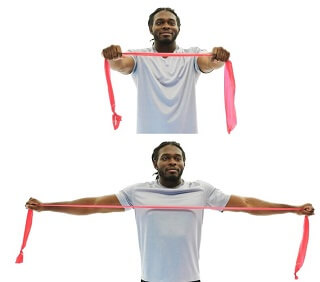
  1. External and Internal Rotations: Using resistance bands or light weights, these exercises target the rotator cuff muscles, crucial for shoulder stability.
  2. Scapular Push-Ups: Focuses on the muscles that stabilize the shoulder blade, promoting better posture and shoulder mechanics.
  3. Shoulder Taps: A core and shoulder stability exercise that involves alternating taps to the opposite shoulder while in a plank position.
  4. Face Pulls: Using resistance bands or a cable machine, this exercise strengthens the upper back and shoulder stabilizers.
  5. Overhead Carries: Holding a weight overhead while walking challenges the shoulder stabilizers and improves overall shoulder endurance.

Shoulder stability training is a vital component of a hockey player’s fitness regimen. By focusing on injury prevention, enhancing performance, improving upper body strength and endurance, promoting better posture and biomechanics, and aiding in rehabilitation, shoulder stability exercises help players stay healthy and perform at their best.

At River East Chiropractic, we understand the unique demands of hockey and offer comprehensive services, including chiropractic care, acupuncture, massage therapy, and personal training, to help you achieve your goals. Our full gym is equipped with everything you need to incorporate shoulder stability training into your routine. Our experienced staff is dedicated to helping you become a stronger, faster, and more durable athlete. Whether you’re recovering from an injury or looking to enhance your performance, River East Chiropractic is here to support your journey every step of the way.

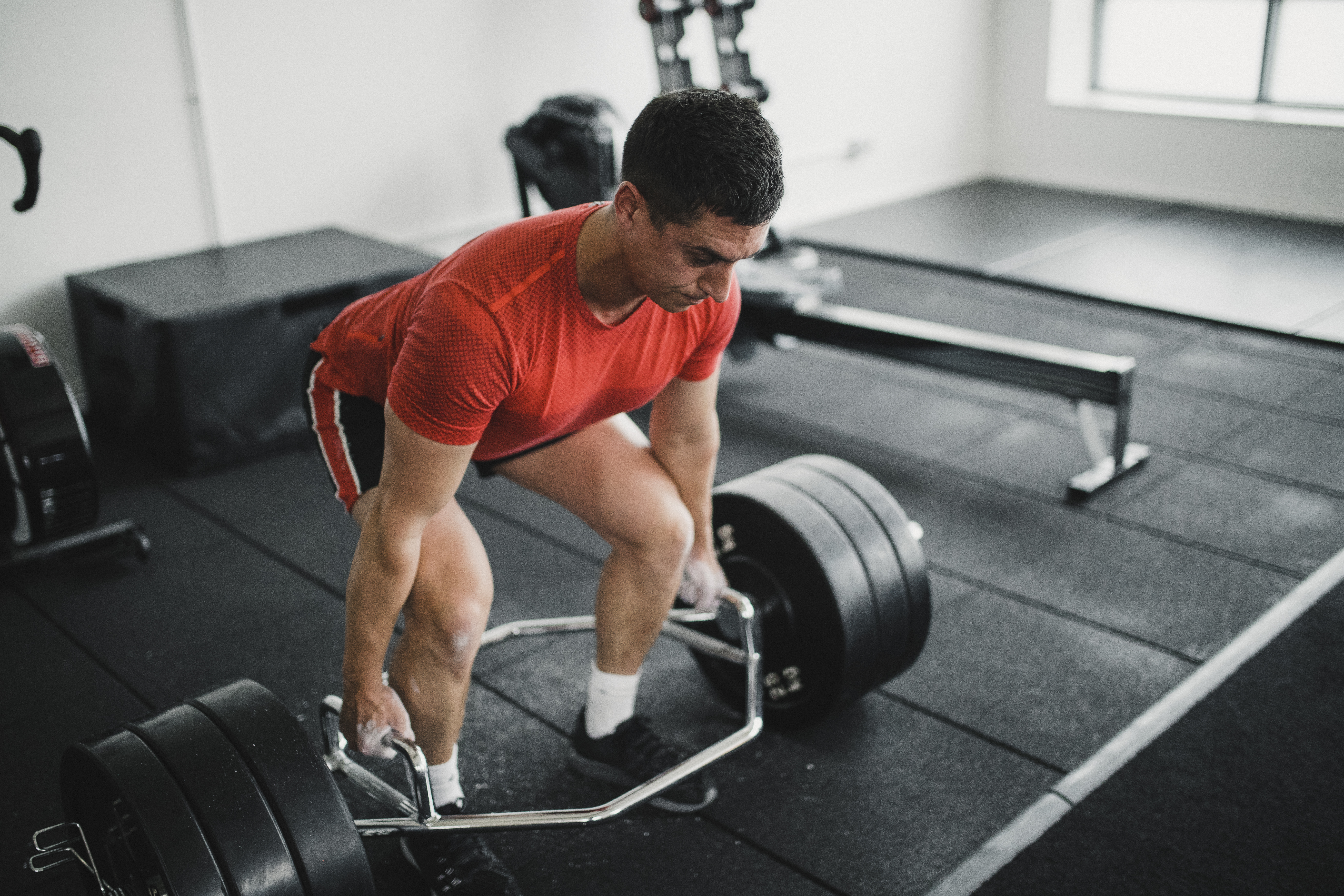
Enhance Speed and Power with Trap Bar Deadlift for Hockey Players

For hockey players, speed is a crucial component of performance on the ice. The ability to accelerate quickly, maintain high speeds, and change direction rapidly can make the difference between winning and losing. To enhance these capabilities, strength training becomes a vital part of a hockey player’s regimen. Among various strength training exercises, the trap bar deadlift stands out as particularly beneficial for hockey players looking to increase their speed. Here’s why the trap bar deadlift is such an effective exercise for this purpose.

1. Improved Explosive Power

Speed on the ice is heavily reliant on explosive power. The trap bar deadlift is an excellent exercise for developing this type of power. Unlike traditional deadlifts, the trap bar deadlift allows athletes to lift heavier weights more comfortably and safely. This exercise emphasizes the development of the posterior chain, including the glutes, hamstrings, and lower back, which are critical muscles for generating explosive movements. By incorporating the trap bar deadlift into their training routine, hockey players can improve their ability to explode off the starting line, making them faster and more agile.

2. Reduced Risk of Injury

Hockey is a physically demanding sport with a high risk of injury, particularly to the lower back and knees. The design of the trap bar allows for a more natural lifting position, reducing the strain on the lower back compared to traditional straight bar deadlifts. This is especially important for hockey players, who need to maintain their health and avoid time off the ice due to injuries. The trap bar deadlift also places less stress on the knees by promoting a more balanced distribution of weight and encouraging proper form, further reducing the risk of injury.

3. Enhanced Core Stability

Core stability is vital for maintaining balance and control while skating at high speeds. The trap bar deadlift engages the core muscles to a significant extent, helping to build the stability needed for quick direction changes and maintaining a strong, balanced position on the ice. A strong core also contributes to better posture and endurance, allowing players to sustain high performance throughout the game.

4. Functional Strength Development

The movements involved in the trap bar deadlift closely mimic the skating motion in hockey. By strengthening the muscles used in skating through functional strength exercises like the trap bar deadlift, players can translate their gym work directly into improved on-ice performance. This exercise helps build the leg strength and power needed for strong, powerful strides, contributing to overall speed and efficiency in skating.

5. Versatility and Accessibility

The trap bar deadlift is a versatile exercise that can be easily modified to suit different fitness levels and goals. For beginners, it provides a safer introduction to weightlifting by promoting proper form and reducing the risk of injury. For more advanced athletes, increasing the weight can continuously challenge and build muscle strength. The trap bar deadlift’s versatility makes it an excellent addition to any hockey player’s training regimen, ensuring they can continually progress and improve their performance.

6. Improved Jump Performance

Vertical and horizontal jumps are critical for hockey players, especially for quick starts and explosive movements. Studies have shown that the trap bar deadlift can significantly improve jump performance, which translates to better on-ice acceleration and power. By enhancing their jumping ability, hockey players can improve their overall agility and explosiveness, making them more effective in both offensive and defensive plays.

The trap bar deadlift is a powerful tool for hockey players aiming to increase their speed and overall athletic performance. By improving explosive power, reducing injury risk, enhancing core stability, developing functional strength, and boosting jump performance, this exercise addresses multiple facets of athleticism crucial to success in hockey. Incorporating the trap bar deadlift into a regular training regimen can help hockey players achieve new levels of speed, agility, and power on the ice.

At River East Chiropractic, we understand the unique needs of athletes and offer comprehensive services, including personal training, chiropractic care, massage therapy, acupuncture, Pilates, and access to a full gym. Our team of experts is dedicated to helping you maximize your training and reach your full potential. Whether you’re looking to enhance your speed, recover from an injury, or improve overall performance, we have the resources and expertise to support your journey.

Understanding Piriformis Syndrome: Symptoms, Causes, and Treatment Options

Piriformis syndrome is a condition where the sciatic nerve is compressed as it passes underneath a muscle in your buttock called the piriformis. This muscle attaches from the sacrum (the lowest part of your spine) and extends across to your hip, helping to rotate your leg outward when it contracts. For most people, the sciatic nerve travels deep beneath the piriformis muscle. However, if the piriformis muscle becomes irritated or goes into spasm, it can cause painful compression of the sciatic nerve. Interestingly, about a quarter of the population is more likely to suffer from piriformis syndrome because their sciatic nerve passes through the muscle rather than underneath it.

Causes of Piriformis Syndrome

Piriformis syndrome can start suddenly due to an injury or develop gradually from repeated irritation. Common causes include:

  • Falls onto the buttocks
  • Catching oneself from a near fall
  • Strains
  • Long-distance walking
  • Stair climbing
  • Sitting on hard surfaces or wallets

In many cases, a specific triggering event cannot be pinpointed. This condition is most common in people aged 40-60 and affects women more often than men.

Symptoms of Piriformis Syndrome

Symptoms of piriformis syndrome include:

  • Pain, numbness, or tingling that begins in the buttock and radiates along the sciatic nerve toward the foot.
  • Symptoms often increase when sitting or standing in one position for more than 15-20 minutes.
  • Changing positions may help alleviate symptoms.
  • Increased discomfort when walking, running, climbing stairs, riding in a car, sitting cross-legged, or getting up from a chair.

Effective Treatments for Piriformis Syndrome

Sciatica arising from piriformis syndrome is one of the most treatable forms of sciatica and generally responds well to the type of treatment provided at our office. Here are some effective treatment options:

1. Chiropractic Adjustments

Chiropractors can perform adjustments to help relieve pressure on the sciatic nerve and improve overall spinal alignment, reducing irritation of the piriformis muscle.

2. Massage Therapy

Massage can help relax the piriformis muscle, reduce spasms, and alleviate sciatic nerve compression.

3. Physical Therapy

Physical therapists can guide you through specific exercises to stretch and strengthen the piriformis muscle and surrounding muscles, promoting better muscle balance and reducing pressure on the sciatic nerve.

4. Acupuncture

Acupuncture can help relieve muscle tension and improve blood flow, reducing pain and promoting healing.

5. Home Care and Exercises

Applying an ice pack to your buttock for 15-20 minutes at a time, several times throughout the day, can provide relief. Additionally, home stretching exercises are an important part of your recovery. Here are some stretches you can try:

  • Piriformis Stretch: Lie on your back with both knees bent. Cross the affected leg over the other, resting the ankle on the opposite knee. Gently pull the bottom knee toward your chest until you feel a stretch in the buttock.
  • Hamstring Stretch: Sit on the ground with your legs extended straight out. Reach toward your toes, keeping your back straight, until you feel a stretch along the back of your thighs.

Conclusion

Piriformis syndrome can be a painful and debilitating condition, but with proper treatment, it is highly manageable. If you suspect you have piriformis syndrome, consult with a healthcare professional for an accurate diagnosis and personalized treatment plan. At River East Chiropractic, we offer comprehensive care, including chiropractic adjustments, acupuncture, massage therapy, occupational therapy, and access to a full gym, to help you find relief from piriformis syndrome and get back to your favorite activities.

Contact us today to schedule an appointment and start your journey toward a pain-free life. Don’t forget to follow us on social media for more health tips and updates!

Essential Nutrient-Rich Foods: Fruits, Vegetables, Lean Meats, and More

Maintaining a healthy diet is crucial for overall well-being, and one of the key principles to remember is the importance of variety. A diverse diet ensures that you receive a wide range of nutrients necessary for the optimal functioning of your body. Incorporating a variety of fruits, vegetables, lean meats, fish, eggs, nuts, and whole grains into your meals can provide the balance and nutritional diversity needed for a healthy lifestyle.

Fruits and Vegetables: Nature’s Nutrient Powerhouses

Fruits and vegetables are essential components of a varied diet. They are rich in vitamins, minerals, antioxidants, and fiber, which support various bodily functions and help protect against chronic diseases. The more colorful your plate, the better. Each color group provides different phytonutrients:

  • Red fruits and vegetables like tomatoes, strawberries, and red peppers are high in antioxidants like lycopene and anthocyanins, which support heart health and reduce cancer risk.
  • Orange and yellow produce such as carrots, sweet potatoes, and oranges are packed with vitamins C and A, essential for immune function and vision.
  • Green vegetables like spinach, broccoli, and kale are rich in chlorophyll, fiber, and folate, promoting detoxification and cardiovascular health.
  • Blue and purple options like blueberries, eggplants, and plums contain anthocyanins and resveratrol, which support cognitive function and reduce inflammation.
  • White and brown produce such as garlic, onions, and mushrooms have compounds like allicin and selenium, which boost the immune system and have anti-inflammatory properties.

Lean Meats and Fish: Protein and Beyond

Lean meats and fish are excellent sources of high-quality protein, essential for muscle repair and growth, hormone production, and enzyme function. Including a variety of these protein sources ensures you get different amino acids and other nutrients:

  • Chicken and turkey are great sources of lean protein and B vitamins, supporting energy metabolism.
  • Fish, especially fatty fish like salmon, mackerel, and sardines, are rich in omega-3 fatty acids, which are vital for brain health and reducing inflammation.
  • Lean cuts of beef and pork provide iron and zinc, essential for oxygen transport and immune function.

Eggs and Nuts: Compact Nutritional Powerhouses

Eggs and nuts are versatile and nutrient-dense foods that can easily fit into any diet:

  • Eggs are an excellent source of complete protein, vitamins D and B12, and choline, which is crucial for brain health.
  • Nuts like almonds, walnuts, and cashews offer healthy fats, protein, fiber, and essential minerals like magnesium and potassium.

Whole Grains: Sustained Energy and Nutrients

Whole grains are another vital part of a varied diet. They provide sustained energy through complex carbohydrates and are rich in fiber, vitamins, and minerals:

  • Quinoa, brown rice, and oats are excellent sources of fiber, promoting digestive health and stable blood sugar levels.
  • Whole grain bread and pasta can help increase your intake of B vitamins and iron.

Creating a Colorful Plate

A colorful plate not only looks appealing but also signifies a range of nutrients. Aim to include a variety of colors in each meal to maximize the health benefits. For example:

  • Start your day with a smoothie made from spinach, blueberries, a banana, and a scoop of protein powder.
  • For lunch, enjoy a salad with mixed greens, cherry tomatoes, orange bell peppers, grilled chicken, and a sprinkle of nuts.
  • Dinner could be grilled salmon with a side of quinoa and steamed broccoli, carrots, and cauliflower.

Conclusion

Variety in your diet is essential for ensuring you receive all the necessary nutrients your body needs to function optimally. By incorporating a wide range of fruits, vegetables, lean meats and fish, eggs, nuts, and whole grains, you can create a colorful and nutrient-rich diet that supports overall health and well-being. Remember, a healthy diet is not just about eating the right foods but also about enjoying a diverse array of flavors and textures that make meals enjoyable and satisfying.