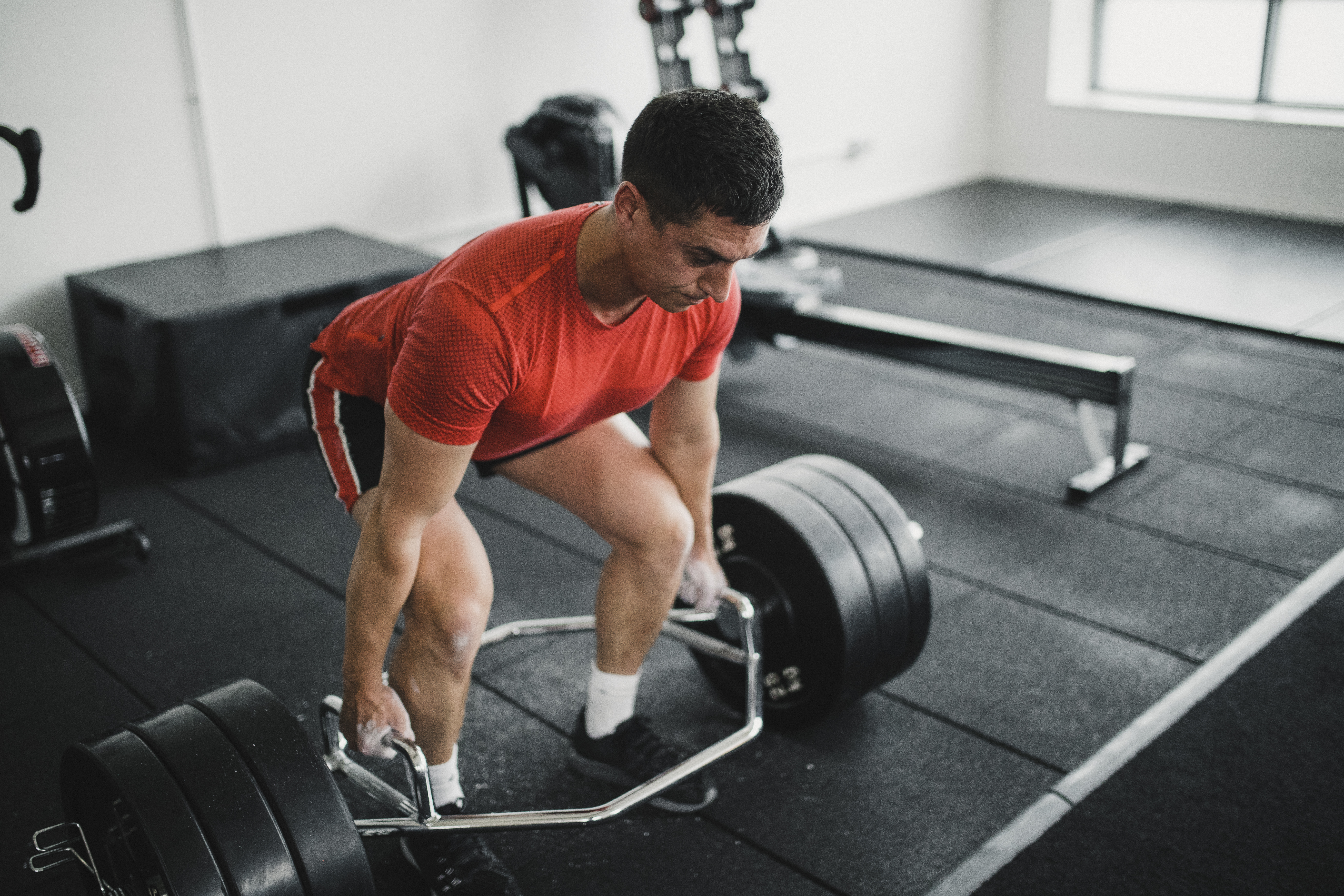
Enhance Speed and Power with Trap Bar Deadlift for Hockey Players

For hockey players, speed is a crucial component of performance on the ice. The ability to accelerate quickly, maintain high speeds, and change direction rapidly can make the difference between winning and losing. To enhance these capabilities, strength training becomes a vital part of a hockey player’s regimen. Among various strength training exercises, the trap bar deadlift stands out as particularly beneficial for hockey players looking to increase their speed. Here’s why the trap bar deadlift is such an effective exercise for this purpose.

1. Improved Explosive Power

Speed on the ice is heavily reliant on explosive power. The trap bar deadlift is an excellent exercise for developing this type of power. Unlike traditional deadlifts, the trap bar deadlift allows athletes to lift heavier weights more comfortably and safely. This exercise emphasizes the development of the posterior chain, including the glutes, hamstrings, and lower back, which are critical muscles for generating explosive movements. By incorporating the trap bar deadlift into their training routine, hockey players can improve their ability to explode off the starting line, making them faster and more agile.

2. Reduced Risk of Injury

Hockey is a physically demanding sport with a high risk of injury, particularly to the lower back and knees. The design of the trap bar allows for a more natural lifting position, reducing the strain on the lower back compared to traditional straight bar deadlifts. This is especially important for hockey players, who need to maintain their health and avoid time off the ice due to injuries. The trap bar deadlift also places less stress on the knees by promoting a more balanced distribution of weight and encouraging proper form, further reducing the risk of injury.

3. Enhanced Core Stability

Core stability is vital for maintaining balance and control while skating at high speeds. The trap bar deadlift engages the core muscles to a significant extent, helping to build the stability needed for quick direction changes and maintaining a strong, balanced position on the ice. A strong core also contributes to better posture and endurance, allowing players to sustain high performance throughout the game.

4. Functional Strength Development

The movements involved in the trap bar deadlift closely mimic the skating motion in hockey. By strengthening the muscles used in skating through functional strength exercises like the trap bar deadlift, players can translate their gym work directly into improved on-ice performance. This exercise helps build the leg strength and power needed for strong, powerful strides, contributing to overall speed and efficiency in skating.

5. Versatility and Accessibility

The trap bar deadlift is a versatile exercise that can be easily modified to suit different fitness levels and goals. For beginners, it provides a safer introduction to weightlifting by promoting proper form and reducing the risk of injury. For more advanced athletes, increasing the weight can continuously challenge and build muscle strength. The trap bar deadlift’s versatility makes it an excellent addition to any hockey player’s training regimen, ensuring they can continually progress and improve their performance.

6. Improved Jump Performance

Vertical and horizontal jumps are critical for hockey players, especially for quick starts and explosive movements. Studies have shown that the trap bar deadlift can significantly improve jump performance, which translates to better on-ice acceleration and power. By enhancing their jumping ability, hockey players can improve their overall agility and explosiveness, making them more effective in both offensive and defensive plays.

The trap bar deadlift is a powerful tool for hockey players aiming to increase their speed and overall athletic performance. By improving explosive power, reducing injury risk, enhancing core stability, developing functional strength, and boosting jump performance, this exercise addresses multiple facets of athleticism crucial to success in hockey. Incorporating the trap bar deadlift into a regular training regimen can help hockey players achieve new levels of speed, agility, and power on the ice.

At River East Chiropractic, we understand the unique needs of athletes and offer comprehensive services, including personal training, chiropractic care, massage therapy, acupuncture, Pilates, and access to a full gym. Our team of experts is dedicated to helping you maximize your training and reach your full potential. Whether you’re looking to enhance your speed, recover from an injury, or improve overall performance, we have the resources and expertise to support your journey.

Understanding Piriformis Syndrome: Symptoms, Causes, and Treatment Options

Piriformis syndrome is a condition where the sciatic nerve is compressed as it passes underneath a muscle in your buttock called the piriformis. This muscle attaches from the sacrum (the lowest part of your spine) and extends across to your hip, helping to rotate your leg outward when it contracts. For most people, the sciatic nerve travels deep beneath the piriformis muscle. However, if the piriformis muscle becomes irritated or goes into spasm, it can cause painful compression of the sciatic nerve. Interestingly, about a quarter of the population is more likely to suffer from piriformis syndrome because their sciatic nerve passes through the muscle rather than underneath it.

Causes of Piriformis Syndrome

Piriformis syndrome can start suddenly due to an injury or develop gradually from repeated irritation. Common causes include:

  • Falls onto the buttocks
  • Catching oneself from a near fall
  • Strains
  • Long-distance walking
  • Stair climbing
  • Sitting on hard surfaces or wallets

In many cases, a specific triggering event cannot be pinpointed. This condition is most common in people aged 40-60 and affects women more often than men.

Symptoms of Piriformis Syndrome

Symptoms of piriformis syndrome include:

  • Pain, numbness, or tingling that begins in the buttock and radiates along the sciatic nerve toward the foot.
  • Symptoms often increase when sitting or standing in one position for more than 15-20 minutes.
  • Changing positions may help alleviate symptoms.
  • Increased discomfort when walking, running, climbing stairs, riding in a car, sitting cross-legged, or getting up from a chair.

Effective Treatments for Piriformis Syndrome

Sciatica arising from piriformis syndrome is one of the most treatable forms of sciatica and generally responds well to the type of treatment provided at our office. Here are some effective treatment options:

1. Chiropractic Adjustments

Chiropractors can perform adjustments to help relieve pressure on the sciatic nerve and improve overall spinal alignment, reducing irritation of the piriformis muscle.

2. Massage Therapy

Massage can help relax the piriformis muscle, reduce spasms, and alleviate sciatic nerve compression.

3. Physical Therapy

Physical therapists can guide you through specific exercises to stretch and strengthen the piriformis muscle and surrounding muscles, promoting better muscle balance and reducing pressure on the sciatic nerve.

4. Acupuncture

Acupuncture can help relieve muscle tension and improve blood flow, reducing pain and promoting healing.

5. Home Care and Exercises

Applying an ice pack to your buttock for 15-20 minutes at a time, several times throughout the day, can provide relief. Additionally, home stretching exercises are an important part of your recovery. Here are some stretches you can try:

  • Piriformis Stretch: Lie on your back with both knees bent. Cross the affected leg over the other, resting the ankle on the opposite knee. Gently pull the bottom knee toward your chest until you feel a stretch in the buttock.
  • Hamstring Stretch: Sit on the ground with your legs extended straight out. Reach toward your toes, keeping your back straight, until you feel a stretch along the back of your thighs.

Conclusion

Piriformis syndrome can be a painful and debilitating condition, but with proper treatment, it is highly manageable. If you suspect you have piriformis syndrome, consult with a healthcare professional for an accurate diagnosis and personalized treatment plan. At River East Chiropractic, we offer comprehensive care, including chiropractic adjustments, acupuncture, massage therapy, occupational therapy, and access to a full gym, to help you find relief from piriformis syndrome and get back to your favorite activities.

Contact us today to schedule an appointment and start your journey toward a pain-free life. Don’t forget to follow us on social media for more health tips and updates!

Essential Nutrient-Rich Foods: Fruits, Vegetables, Lean Meats, and More

Maintaining a healthy diet is crucial for overall well-being, and one of the key principles to remember is the importance of variety. A diverse diet ensures that you receive a wide range of nutrients necessary for the optimal functioning of your body. Incorporating a variety of fruits, vegetables, lean meats, fish, eggs, nuts, and whole grains into your meals can provide the balance and nutritional diversity needed for a healthy lifestyle.

Fruits and Vegetables: Nature’s Nutrient Powerhouses

Fruits and vegetables are essential components of a varied diet. They are rich in vitamins, minerals, antioxidants, and fiber, which support various bodily functions and help protect against chronic diseases. The more colorful your plate, the better. Each color group provides different phytonutrients:

  • Red fruits and vegetables like tomatoes, strawberries, and red peppers are high in antioxidants like lycopene and anthocyanins, which support heart health and reduce cancer risk.
  • Orange and yellow produce such as carrots, sweet potatoes, and oranges are packed with vitamins C and A, essential for immune function and vision.
  • Green vegetables like spinach, broccoli, and kale are rich in chlorophyll, fiber, and folate, promoting detoxification and cardiovascular health.
  • Blue and purple options like blueberries, eggplants, and plums contain anthocyanins and resveratrol, which support cognitive function and reduce inflammation.
  • White and brown produce such as garlic, onions, and mushrooms have compounds like allicin and selenium, which boost the immune system and have anti-inflammatory properties.

Lean Meats and Fish: Protein and Beyond

Lean meats and fish are excellent sources of high-quality protein, essential for muscle repair and growth, hormone production, and enzyme function. Including a variety of these protein sources ensures you get different amino acids and other nutrients:

  • Chicken and turkey are great sources of lean protein and B vitamins, supporting energy metabolism.
  • Fish, especially fatty fish like salmon, mackerel, and sardines, are rich in omega-3 fatty acids, which are vital for brain health and reducing inflammation.
  • Lean cuts of beef and pork provide iron and zinc, essential for oxygen transport and immune function.

Eggs and Nuts: Compact Nutritional Powerhouses

Eggs and nuts are versatile and nutrient-dense foods that can easily fit into any diet:

  • Eggs are an excellent source of complete protein, vitamins D and B12, and choline, which is crucial for brain health.
  • Nuts like almonds, walnuts, and cashews offer healthy fats, protein, fiber, and essential minerals like magnesium and potassium.

Whole Grains: Sustained Energy and Nutrients

Whole grains are another vital part of a varied diet. They provide sustained energy through complex carbohydrates and are rich in fiber, vitamins, and minerals:

  • Quinoa, brown rice, and oats are excellent sources of fiber, promoting digestive health and stable blood sugar levels.
  • Whole grain bread and pasta can help increase your intake of B vitamins and iron.

Creating a Colorful Plate

A colorful plate not only looks appealing but also signifies a range of nutrients. Aim to include a variety of colors in each meal to maximize the health benefits. For example:

  • Start your day with a smoothie made from spinach, blueberries, a banana, and a scoop of protein powder.
  • For lunch, enjoy a salad with mixed greens, cherry tomatoes, orange bell peppers, grilled chicken, and a sprinkle of nuts.
  • Dinner could be grilled salmon with a side of quinoa and steamed broccoli, carrots, and cauliflower.

Conclusion

Variety in your diet is essential for ensuring you receive all the necessary nutrients your body needs to function optimally. By incorporating a wide range of fruits, vegetables, lean meats and fish, eggs, nuts, and whole grains, you can create a colorful and nutrient-rich diet that supports overall health and well-being. Remember, a healthy diet is not just about eating the right foods but also about enjoying a diverse array of flavors and textures that make meals enjoyable and satisfying.

River East Chiropractic: Expertise in Hip Muscle Strengthening

The role of hip muscles in maintaining leg alignment during movement cannot be overstated. Among these muscles, the gluteus medius stands out for its crucial stabilizing function during activities such as walking, running, and squatting. Positioned on the side of the hip, the gluteus medius plays a pivotal role in stabilizing the pelvis and preventing unwanted movements of the leg.

When you raise one leg, the opposite gluteus medius muscle must contract to counterbalance the body’s tendency to tip in the direction of the lifted leg. Similarly, when standing on a bent leg, the gluteus medius works to prevent the knee from collapsing inward, a position known as “knock knee” or “valgus.”

Weakness in the gluteus medius can lead to various problems. For instance, it allows the pelvis to drop and the knee to cave inward during walking or running, placing excessive strain on the hip and knee joints. This misalignment can cause the kneecap to rub against the thigh bone, resulting in irritation and potentially leading to arthritis over time. Moreover, walking or running with a knock knee posture can stress the ligaments around the knee, increasing the risk of sprains. Additionally, this misalignment can affect the foot arch, contributing to conditions like plantar fasciitis. Furthermore, weak hip muscles can lead to a forward pelvic tilt, which in turn can cause a swayback posture and contribute to lower back pain. Notably, hip muscle weakness appears to be more prevalent in females, particularly among athletes.

Certain activities can exacerbate hip abductor weakness and should be avoided, such as standing with excessive weight on one hip, sitting cross-legged, or sleeping in a side-lying position that stretches the hip abductors. Individuals with fallen arches may benefit from arch supports or orthotics to provide additional support. Furthermore, addressing obesity through diet and exercise can reduce stress on the hip muscles and improve overall musculoskeletal health.

Strength training is the cornerstone of treatment for hip abductor weakness. Building strength in these muscles not only helps prevent injuries but also enhances overall stability and function. Individuals with stronger hip muscles are less likely to experience hip and knee problems associated with weakness and misalignment.

At River East Chiropractic, we recognize the importance of addressing hip abductor weakness as part of a comprehensive approach to musculoskeletal health. Our facility boasts a full gym equipped with state-of-the-art equipment and experienced trainers who specialize in addressing conditions like upper crossed syndrome and hip muscle weakness. Our trainers work closely with patients to develop personalized strength training programs tailored to their specific needs and goals. Through targeted exercises and guidance on proper form and technique, we help individuals strengthen their hip muscles and improve overall stability and alignment.

In addition to strength training, chiropractic care can complement efforts to address hip abductor weakness. Chiropractors are trained to assess and treat musculoskeletal imbalances, including those affecting the hips and pelvis. Through manual adjustments and therapeutic techniques, chiropractors can help restore proper alignment and function to the pelvis and spine, reducing strain on the hip muscles and promoting optimal musculoskeletal health.

By incorporating strength training, chiropractic care, and lifestyle modifications, individuals can effectively manage hip abductor weakness and reduce the risk of associated musculoskeletal problems. With the support of our skilled team at River East Chiropractic, patients can achieve improved function, reduced pain, and a higher quality of life

Effective Treatment for Low Back Pain and Joint Restrictions with Chiropractic Care

Low back pain is a pervasive issue, affecting 80% of the population at some juncture in life and one-third annually. Often stemming from slightly misaligned or restricted joints in the spine, this discomfort disrupts normal functioning and quality of life.

Comprising five stacked bones with interposed discs for flexibility, the lower back ideally allows for independent movement of each spinal joint. However, our examination may reveal lumbar segmental joint restriction, colloquially termed “subluxation,” indicating slight misalignment and restriction. Analogous to a spring with welded sections, restricted joints impede spinal flexibility and function.

Various factors contribute to joint restriction, including accidents, repetitive strains, and poor posture. Lifestyle habits such as being overweight, smoking, and strenuous work exacerbate the risk. Joint restrictions trigger a cycle of discomfort, initiating inflammation and muscular guarding, perpetuating restriction and potentially causing compensatory issues elsewhere in the spine.

Typically manifesting as local tenderness and restricted range of motion, back pain from joint restriction may radiate to hips or thighs. Inform your chiropractor of any symptoms such as pain radiation below the knee, weakness, or changes in bowel/bladder function.

Untreated, long-standing restrictions may lead to arthritis, akin to misaligned car wheels causing tire wear. Fortunately, chiropractic care offers safe and effective treatment for joint restrictions. Our practice provides various tools to alleviate pain and expedite recovery, complemented by lifestyle adjustments like wearing supportive shoes and incorporating regular breaks from sedentary activities. Additionally, yoga classes may offer supplementary benefits for back pain management.

Recognizing the prevalence and treatability of low back pain underscores the importance of proactive management. By addressing joint restrictions promptly and adopting supportive lifestyle practices, individuals can mitigate discomfort and optimize spinal health. With chiropractic care as a cornerstone of treatment, individuals can reclaim mobility, alleviate pain, and restore overall well-being.

Yoga’s Surging Popularity in the United States: A Holistic Wellness Revolution

Exercise: Yoga Gaining in Popularity in the United States.

Over the past decade, yoga has experienced a notable surge in popularity, with a remarkable uptick in participation observed across diverse age groups. According to data compiled by the National Center for Health Statistics in February 2015, the percentage of adults engaging in yoga has more than doubled, soaring from just under 6% in 2002 to over 10% in 2012. This trend is mirrored among children and seniors, reflecting a widespread recognition of yoga’s myriad benefits for physical, mental, and emotional well-being.

At its core, yoga is far more than a mere physical exercise regimen; it embodies an ancient tradition rooted in the harmonization of body, mind, and spirit. Through a synthesis of mindful movement, controlled breathing, and meditation, yoga fosters a profound sense of inner peace, serenity, and interconnectedness with the world around us. Its holistic approach to health and wellness transcends the confines of conventional fitness routines, offering practitioners a pathway to holistic flourishing and self-discovery.

For adults, yoga serves as a sanctuary from the stresses of modern life, providing a sanctuary where they can reconnect with themselves and cultivate resilience in the face of adversity. Meanwhile, children benefit from the developmental advantages conferred by yoga, including improved concentration, enhanced flexibility, and heightened emotional intelligence. For seniors, yoga offers a gentle yet effective means of maintaining mobility, alleviating chronic pain, and fostering a sense of vitality and vitality in their golden years.

As yoga continues to captivate hearts and minds worldwide, its transformative potential as a catalyst for personal growth and well-being remains undeniable. By embracing yoga as a holistic lifestyle practice, individuals of all ages can embark on a journey of self-discovery, healing, and empowerment, enriching their lives immeasurably in the process.

TV Screen Time Linked to 30% Higher Child Hypertension Risk

Health Alert: Watching Two or More Hours of TV a Day Increases Hypertension Risk in Children.

A groundbreaking study published in the International Journal of Cardiology in February 2015 has unveiled alarming correlations between sedentary behaviors and childhood hypertension. Delving into the intricate relationship between screen time and physical activity, researchers discovered unsettling statistics: spending more than two hours daily in front of a TV screen elevates a child’s risk of high blood pressure by a staggering 30%. Equally concerning is the revelation that engaging in less than one hour of physical activity per day amplifies the risk of hypertension by a staggering 50%.

These findings underscore the profound impact of lifestyle choices on cardiovascular health, particularly during the formative years of childhood. The authors of the study emphasize the pervasiveness of sedentary behaviors in infancy and their persistence into later stages of life, sounding a clarion call for urgent intervention.

The implications of these findings reverberate far beyond the realm of childhood health, permeating societal norms and public health agendas. As sedentary habits become increasingly pervasive in modern lifestyles, addressing the root causes of inactivity assumes paramount importance in mitigating the burgeoning epidemic of hypertension among children.

Armed with this knowledge, healthcare practitioners, policymakers, and parents alike are tasked with orchestrating concerted efforts to promote physical activity and limit sedentary behaviors among children. By fostering environments conducive to active living and instilling healthy habits from an early age, we can stem the tide of childhood hypertension and cultivate a generation primed for lifelong cardiovascular wellness.

Consequences of Vitamin D Deficiency: Insight from Dr. Peter Horvath

In regions characterized by snowy winters and high latitudes, such as Buffalo, New York, residents face a heightened risk of vitamin D deficiency, according to the insights of esteemed nutrition researcher, Dr. Peter Horvath. His research reveals a stark reality: during the winter months, nearly half of Buffalo’s population grapples with insufficient vitamin D levels, with a quarter classified as deficient.

The consequences of such deficiencies extend far beyond mere inconvenience. They encompass a spectrum of health concerns, from compromised bone density and weakened immunity to an elevated susceptibility to type 2 diabetes, certain cancers, cardiovascular ailments, and cognitive decline in older individuals.

Vitamin D plays a crucial role in maintaining bone health by facilitating the absorption of calcium and phosphorus. Inadequate levels of this vital nutrient can lead to decreased bone density, increasing the risk of fractures and osteoporosis, particularly in older adults. Furthermore, vitamin D deficiency has been linked to immune system dysfunction, making individuals more susceptible to infections and illnesses.

Dr. Horvath’s findings also shed light on the connection between vitamin D and chronic diseases like type 2 diabetes and certain cancers. Insufficient vitamin D levels have been associated with insulin resistance and impaired glucose metabolism, contributing to the development of diabetes. Additionally, studies suggest that vitamin D may play a role in regulating cell growth and preventing the proliferation of cancer cells, highlighting its importance in cancer prevention.

Moreover, emerging research indicates a correlation between vitamin D deficiency and cardiovascular disease. Low levels of vitamin D have been linked to an increased risk of hypertension, heart failure, and stroke, underscoring the need to address this deficiency to safeguard cardiovascular health.

In the realm of cognitive function, vitamin D deficiency has been implicated in age-related cognitive decline and neurodegenerative diseases such as Alzheimer’s. Adequate levels of vitamin D are thought to support cognitive health by reducing inflammation and promoting neuronal growth and function.

In light of these findings, Dr. Horvath advocates for proactive measures to address vitamin D deficiency. He recommends increasing sun exposure during the warmer months, as sunlight is a primary source of vitamin D synthesis in the skin. Additionally, dietary supplements or fortified foods can help individuals maintain optimal vitamin D levels, especially during the winter season when sunlight exposure is limited.

By heeding Dr. Horvath’s advice and taking steps to ensure adequate vitamin D intake, individuals can mitigate the risks associated with deficiency and promote overall health and well-being. As Markus Zusak’s poignant quote suggests, perhaps with the right interventions, everyone can surpass their perceived limitations and thrive in the face of adversity.

Cervicogenic Headaches: Impact of Abnormal Neck Posture Revealed

Chiropractic: Abnormal Neck Posture Associated with Headache Risk.

In a groundbreaking study published in the February 2015 issue of Physical Therapy, researchers delved into the intricate relationship between cervicogenic headaches and cervical lordosis. By meticulously analyzing neck x-rays from individuals suffering from cervicogenic headaches and contrasting them with those from healthy controls, the researchers unearthed a striking correlation. Even a subtle 3-4° variance in cervical lordosis was discovered to be intimately linked with an 8% escalation in the likelihood of developing this debilitating type of headache. This finding not only underscores the profound impact of cervical curvature on health outcomes but also accentuates the pivotal role of physical therapy in managing such conditions. With such revelations, healthcare practitioners gain invaluable insights into the nuanced mechanisms underlying cervicogenic headaches, paving the way for more targeted and effective interventions to alleviate patient suffering and enhance overall well-being.

Diet: Are Fruits and Vegetables Good for Your Lungs?

Diet: Are Fruits and Vegetables Good for Your Lungs?

A meta-analysis of 38 studies indicates that eating fruits and vegetables can have a protective effect on the lungs. After reviewing data concerning nearly five million individuals, researchers conclude that consuming up to two servings of fruit and two servings of vegetables per day is associated with as much as a 16% reduced risk for developing lung cancer. Lung Cancer, February 2015