Diet: Healthy Diet & Nutrition Critical for Mental Health.
A new collaborative study adds to a growing body of evidence showing a relationship between both diet quality and potential nutritional deficiencies and mental health. Studies have shown that many nutrients have a clear influence on brain health including omega-3 fatty acids, B vitamins (particularly folate and B12), choline, iron, zinc, magnesium, S-adenosyl methionine (SAMe), vitamin D, and amino acids. Lead author Dr. Jerome Sarris writes, “While the determinants of mental health are complex, the emerging and compelling evidence for nutrition as a key factor in the high prevalence and incidence of mental disorders suggests that nutrition is as important to psychiatry as it is to cardiology, endocrinology, and gastroenterology.”
Quick question: do you know anyone who isn’t interested in reducing the stress in their life? We’ll give you a minute. Still thinking? That’s what we thought! There aren’t too many of us who couldn’t benefit from reducing the stress in our daily lives. Between family, work, and the latest political thread on social media, the stress can be overwhelming! Chronic everyday stress can also significantly impact our brains and bodies, causing everything from fatigue and depression to debilitating headaches.
Why it Matters:
Headaches caused by stress are often classified as tension-type headaches. Pain at the base of the skull that starts in the neck and wraps around to the front of the head is common with tension headaches. Research has shown that Chiropractic adjustments effectively treat and correct the cause of these headaches, providing both relief from symptoms and lasting results. In fact, in addition to reducing tension in the muscles supporting your neck, adjustments can also improve your range of motion and reduce your overall feeling of stress. This unique combination of benefits is why millions of people rely on Chiropractic care to help them find relief.
Chronic stress can contribute to tension headaches.
Chiropractic care is one of the best ways to reduce stress on your musculoskeletal system and spine.
Adjustments have been shown to reduce the frequency, severity, and intensity of tension headaches.
Next Steps:
You don’t necessarily need to make drastic changes to your life to reduce your daily stress level. Picking up a new hobby, taking a few minutes to read before bed, or enjoying a relaxing activity like yoga can all help. If you would like to discover even more ways to help reduce your daily stress, we invite you to attend our complimentary workshop coming up soon. We’ll be covering everything you need to know to reduce stress and end your headaches now!
Science Source(s):
Do Manual Therapy Techniques Have a Positive Effect on Quality of Life in People with Tension-Type Headache? A Randomized Controlled Trial. European Journal of Physical and Rehabilitation Medicine. February 2016
Mental Attitude: Student Loans = Stress for Young Adults.
A new study finds that student loan debt is a significant cause of stress among young adults. Researchers conducted a survey across the United States and found that those with greater student loan debt reported higher levels of depressive symptoms. Study author Dr. Katrina Walsemann writes, “We are speculating that part of the reason that these types of loans are so stressful is the fact that you cannot defer them, they follow you for the rest of your life until you pay them off.” Further research is needed to determine how student loan debt affects other areas of health and life, such as job choices, marriage, and children.
Wellness/Prevention: Positive Emotions May Be Best Anti-Inflammatories.
University of California, Berkeley researchers have discovered a link between positive emotions and lower levels of inflammatory proteins that are knows to signal the immune system to work harder. The research team found that participants who experienced positive emotions had the lowest levels of the cytokine and interleukin 6, which are known markers of inflammation. Sustained high levels of cytokines are associated with conditions such as type-2 diabetes, heart disease, arthritis, Alzheimer’s disease, and clinical depression.
Ergonomics is the study of the posture and positioning of your body. It sounds pretty boring until you consider that millions of people are suffering from headaches every day that are related to their posture! Whether it’s an assembly line, a computer, a tablet, or your phone, you’re likely spending a lot of time looking down. Research has found that up to 20 pounds of pressure is placed on the neck for every inch the chin extends forward or down. This increased pressure can irritate the tissues of the neck leading to everything from premature degenerative changes to chronic headaches.
Why it Matters:
Maintaining a healthy posture not only helps reduce the stress and pressure on the spinal joints of your neck, it also helps dramatically reduce your headaches. The first step in regaining proper posture is to establish normal motion. This is why Chiropractic adjustments are likely to become your new best friend! Our care is focused on finding the areas of your spine that aren’t moving correctly and gently helping them regain their normal range of motion. After we’ve worked with you to restore proper movement, we can then focus on strengthening the muscles that support your neck and back. This personalized type of care is how we’ve been able to help many people (just like you!) establish better posture and reduce the frequency and severity of their headaches.
Every inch of forward head posture adds up to 20 lbs. of pressure on your neck.
This added pressure can contribute to tension headaches.
Research has shown that Chiropractic care can dramatically improve your posture and, in turn, reduce your headaches.
Next Steps:
Take a look around your workstation the next time you’re at the office. Is it set up in a way that’s ergonomically correct? If not, or if you’re not sure, just let us know! We would be happy to set up a time to come to your office, evaluate your workplace, and share our specific recommendations to help keep you and everyone you work with feeling great!
Science Source(s):
Evidence-Based Guidelines for the Chiropractic Treatment of Adults with Headache. Journal of Manipulative and Physiological Therapeutics. Volume 34, Number 5. 2011
Efficacy of Manual and Manipulative Therapy in the Perception of Pain and Cervical Motion in Patients with Tension-Type Headache: A Randomized, Controlled Clinical Trial Journal of Chiropractic Medicine. (2014) 13, 4-13
Chiropractic: More Sitting Time More Neck and Shoulder Pain.
According to a study involving 118 males in blue-collar jobs across a variety of industries, those who spend nearly the whole workday sitting are nearly three times more likely to experience neck and shoulder pain than workers who spend more than half the workday on their feet.
International Archives of Occupational and Environmental Health, February 2015
Diet: Oatmeal for Breakfast = Fullness & Lower Calorie Intake at Lunch.
Your breakfast choice may affect how full you feel during the rest of the morning and how much you eat for lunch. Scientists from the New York Obesity Nutrition Research Center at Mount Sinai St. Luke’s Hospital report that having oatmeal for breakfast results in greater fullness, less hunger, and fewer calories eaten during lunch compared with those eating a ready-to-eat cereal for breakfast. The researchers believe that the greater satiety effect of oatmeal cereal compared to sugared ready-to-eat cereal or water might be due to slower gastric emptying, as they found that oatmeal took longer to leave the stomach.
Wellness/Prevention: Preventing Second Hip Fractures.
After analyzing long-term data on nearly 40,000 first-time hip fracture patients, University of British Columbia researchers found that roughly 8% will experience a second hip fracture in the decade following their first hip injury. In light of this finding, they recommend that secondary hip fracture prevention interventions should continue beyond just the early post-fracture period.
Wellness/Prevention: Reducing Work-Family Conflict Can Improve Sleep.
A study involving hundreds of managers and employees at a firm in the United States found that employees enrolled in a program to reduce work-family conflicts reported improved sleep quality. The program, which lasted three months, included discussion groups, role-playing, and games. Managers were also trained to be supportive of employees’ family demands. Lead investigator Dr. Orfeu Buxton writes, “Work can be a calling and inspirational, as well as a paycheck, but work should not be detrimental to health. It is possible to mitigate some of the deleterious effects of work by reducing work-family conflict, and improving sleep.”
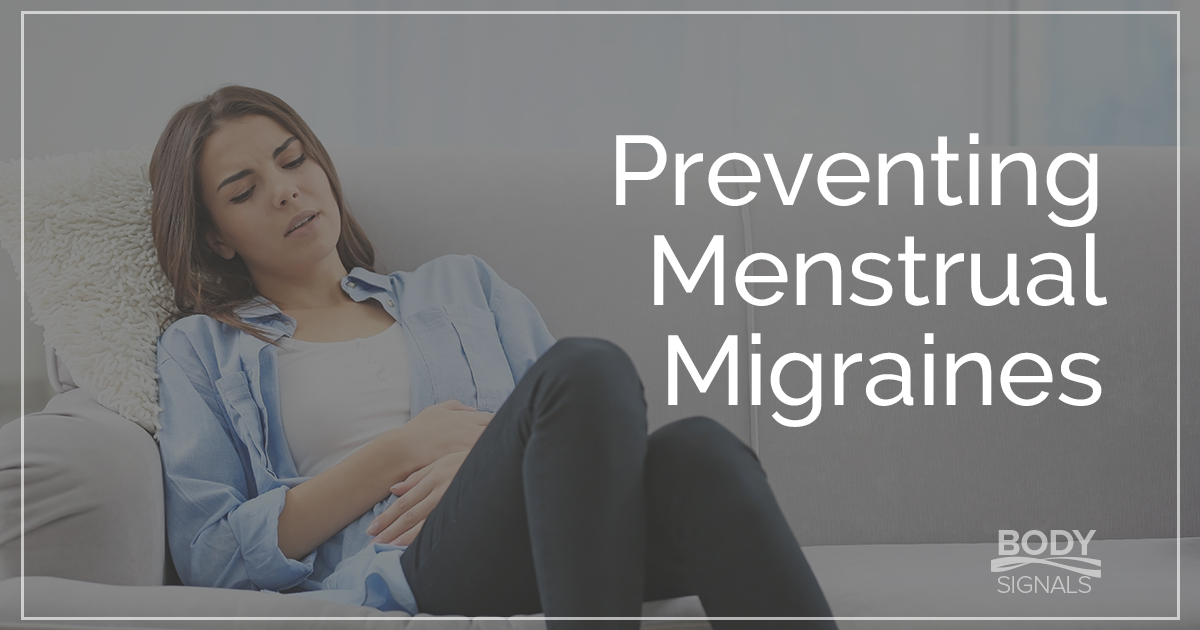
For many women, monthly menstruation means monthly migraines. In addition to hormone changes, your diet, physical activity and stress levels all contribute to this pattern. While pregnancy and menopause are two ways to eliminate these types of headaches, we also have a few more practical ways to find relief!
Why it Matters:
New research recommends Chiropractic adjustments as part of an evidence-based approach to reducing the pain associated with migraine headaches. Regular adjustments can both help reduce the stress on the muscles that support your neck and improve your range of motion. By keeping active, reducing your stress, maintaining enough hydration, and staying well adjusted, you’ll give your body the best opportunity to manage those monthly hormonal changes and take the first step towards ending your migraine headaches!
Hormonal changes cause monthly migraines for millions of women.
Stress has been shown to have a significant impact on hormonal balance.
Adjustments are recommended as an evidence-based approach to reducing both migraine headaches and overall levels of stress.
Next Steps:
Did you suffer from migraine headaches before coming into our practice? If so, stop by the front desk and let us know! Sharing your journey and how Chiropractic care helped you find relief may inspire someone else in our community to take action and find a natural solution to their headaches.
Science Source(s):
Evidence-Based Guidelines for the Chiropractic Treatment of Adults with Headache. Journal of Manipulative and Physiological Therapeutics. Volume 34, Number 5. 2011







 Aberdeen Chiropractic