One of the most common questions we get from patients is: “What’s the best sleeping position?” Considering you spend nearly one-third of your life sleeping, this is an important question to ask! Top researchers have found one of the best positions to sleep is on your side with your head supported, shoulders centered, and a pillow between your legs. This allows for the best alignment of your spine and reduces the pressure on your neck, low back, hips, and legs – all of which leads to a more restful night of sleep.
Why it Matters:
Sleeping is the time where your body can maximize rest and recovery. Not only can a lack of sleep cause grogginess the next day, but chronic sleep issues can lead to depression, insomnia, and even make aches and pains worse! If you have ever woken up with a “crick” in your neck, you know how taxing an awkward sleeping position can be on your spine. Maintaining a neutral position and keeping your spine in alignment overnight is an essential part of waking up energized and ready to conquer the day.
Chronic sleep disturbances have been linked to depression and many common pain syndromes.
Maintaining proper spinal alignment at night can decrease your aches and pains.
Sleeping on your side with your head and legs supported is the best sleep position for your spine.
Next Steps:
Tonight, when you lie in bed, take a look and make sure your nose and belly button are in alignment. If they are, it’s a good sign your spine is in both an optimal and comfortable sleep posture. Then, take a small pillow and place it between your knees to give your legs and hips that proper added support. Following these quick tips will help you get into the best position to have a great night’s sleep.
Exercise: Light Activity Good for Seniors’ Hearts.
Light physical activity appears to benefit older adults’ hearts even if they suffer from mobility issues. Research involving almost 1,200 elderly adults with limited mobility revealed that those who fit some movement into their day, such as light housework or slow walking, had a lower risk of suffering a heart attack over the following ten years. Senior researcher Dr. Thomas Buford adds, “I think this and other studies are showing us it’s never too late for people to benefit from physical activity.”
Journal of the American Heart Association, February 2015
Diet: Unhealthy Foods on the Rise in Developing Nations.
While citizens in wealthier nations may be eating healthier foods, developing nations are consuming more processed meats and sugar-sweetened drinks than ever before. Senior study author Dr. Dariush Mozaffarian warns, “There is a particularly urgent need to focus on improving diet quality among poorer populations. If we do nothing, under-nutrition will be rapidly eclipsed by obesity and non-communicable diseases, as is already being seen in India, China, and other middle-income countries.”
Wellness/Prevention: Lowering Diabetes Risk Among Pre-Diabetics.
University of Michigan Medical School researchers have found that healthy weight-loss strategies can reduce the risk of developing type 2 diabetes among prediabetics by as much as 28% over a three-year period.
Chiropractic: Prevention Is Key to Avoid Back Pain.
The American Chiropractic Association offers these suggestions to help protect your back and improve your spinal health: maintain a healthy diet and weight, exercise regularly, maintain proper posture, avoid prolonged inactivity or bed rest, quit smoking, and use good body mechanics when lifting.
Diet: Experts Say a Little Fat & Sugar OK for Kids if Diet Is Healthy.
Children’s eating habits are a growing concern due to the high prevalence of childhood obesity in the United States and other Western countries. A leading group of pediatricians suggests that a little sugar and fat is okay in a child’s diet if it helps them eat more fruits and vegetables. Researcher Dr. Robert Murray comments, “Think of sweeteners, fat, salt, and spices as ways to make nutrient-rich foods more palatable to children.”
Health Alert: Frequent Sauna Use Linked to Reduced Risk of CVD.
After reviewing twenty years of data concerning 2,315 Finnish men, researchers found that those who used a sauna at least two to three times per week were 22% less likely to experience sudden cardiac death, 23% less likely to experience fatal coronary heart disease (CHD), had a 27% lower risk of cardiovascular disease (CVD) death, and had a 24% lower risk of all-cause mortality during the course of the two-decade study. The authors write, “This study provides prospective evidence that sauna bathing is a protective factor against the risk of sudden cardiac death, fatal CHD, fatal CVD, and all-cause mortality events in the general male population. Our results suggest that sauna bathing is a recommendable health habit, although further studies are needed to confirm our results in different population settings.”
Hip osteoarthritis is a condition that can cause stiffness that limits joint range of motion. Over time, certain hip movements become limited, usually causing pain and alteration of normal biomechanics. Your muscles must therefore work harder during movement, generating a feeling of muscle tension.To date, the exact causes of osteoarthritis have not been fully identified. It is completely normal to have a mild level of osteoarthritis with age. However, the more advanced stages of osteoarthritis can affect the ability to carry out daily and physical activities. An exacerbation of symptoms usually occurs during a period when the level of physical activity has been drastically increased. Direct trauma to the hip can increase the symptoms of osteoarthritis.
▬▬▬▬▬
Structures involved
At the hip, the joint affected by osteoarthritis is the acetabulofemoral joint, formed by the p elvic bone and the femur bone. It is mainly cartilage damage combined with the presence, in some cases, of slight bone spurs in the joint that appear to be responsible for the restriction of movement. Over time, some muscles in the hip area may become tighter to compensate for the joint restriction.
▬▬▬▬▬
Signs & Symptoms that you may experience
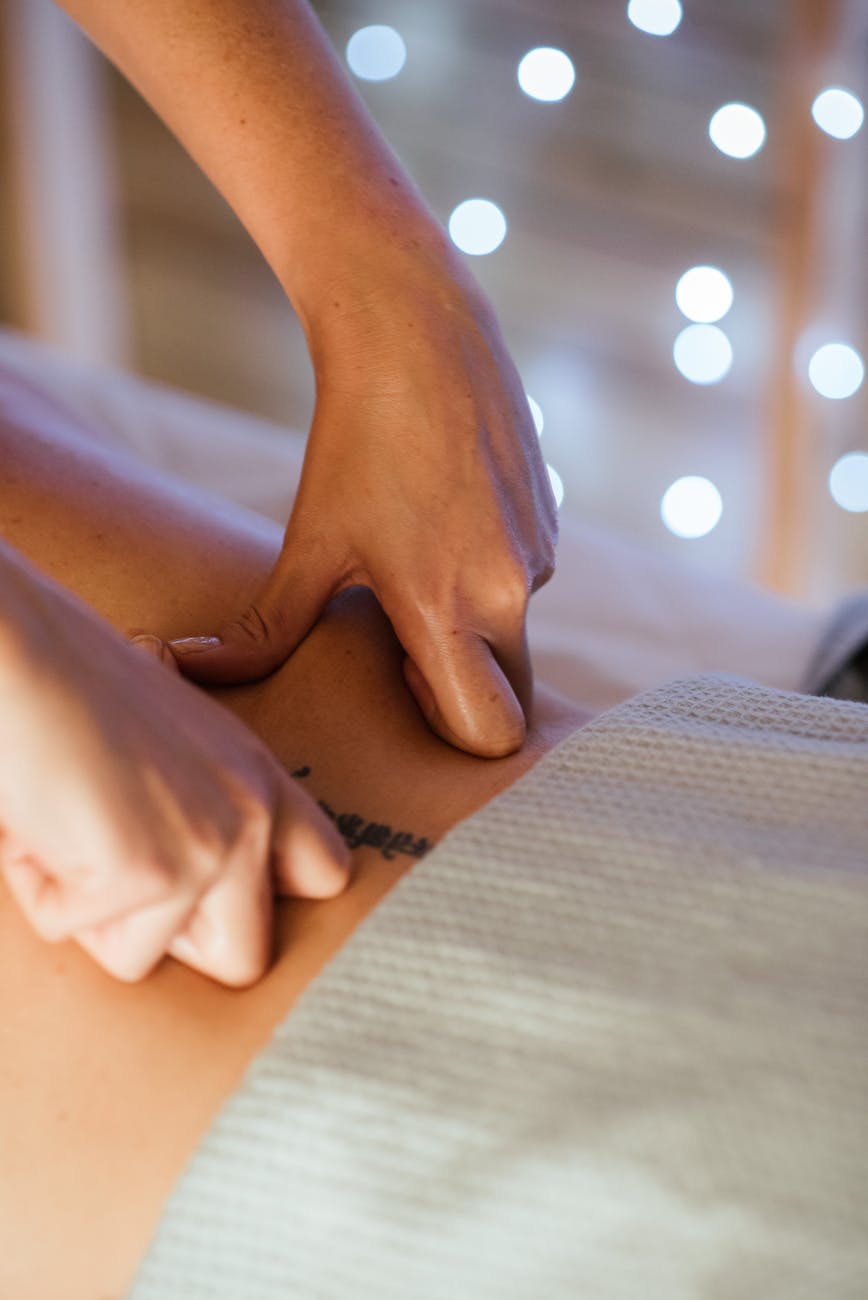
Each person will react differently to osteoarthritis and management will depend on its stage. Hip osteoarthritis can produce, but is not limited to, local pain in the groin area, edema and stiffness in certain hip movements. Repetitive hip movements during walking or other sports activities, prolonged standing and sleeping with direct pressure may cause pain.
▬▬▬▬▬
Developments
Osteoarthritis of the hip is a progressive condition that cannot be cured, which means that the range of motion may decrease over time. An active lifestyle and a rehabilitation plan may however slow the progression of this condition and make it easier to manage the symptoms.1
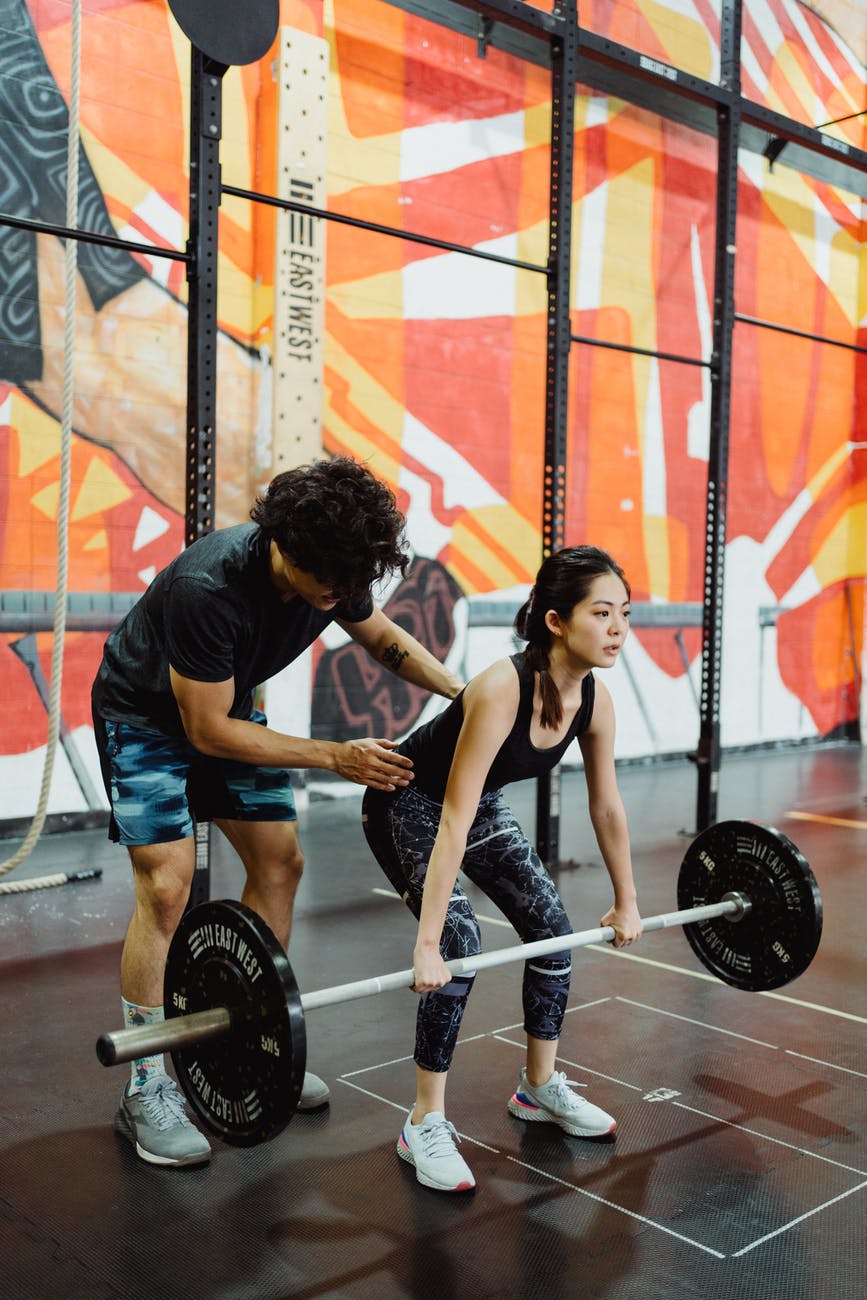
Relative rest is a good way to prevent your symptoms from getting worse. A few days of rest while reducing activities that cause significant pain m ay be necessary, but it is very important to avoid deconditioning. A quick return to your daily activities, light cardiovascular exercises that do not cause an increase in pain, joint mobilization exercises and hip muscles strengthening exercises will allow for better recovery.
Rehabilitation
Follow your therapist’s advice. This will help you manage the various stages of the healing process and increase the odds of success. Your therapist will accompany you during your rehabilitation program in order to improve your hip joint range of motion, regain flexibility, muscle strength and endurance, and functional state.
According to the principles of hip osteoarthritis rehabilitation, improving joint range of motion should be an integral part of the treatment plan. A program to improve joint range of motion and flexibility, as well as specific muscle strengthening is common to control the symptoms of hip osteoarthritis.
▶ WHAT TO AVOID
Do not rely solely on a passive treatment approach. Each phase of the rehabilitation process is important. Patients who actively participate in their treatment plan tend to recover more quickly. Keep in mind that pain is not always a good indicator of joint or tissue damage. A significant level of pain does not necessarily imply a more advanced stage. As soon as you feel better and the pain is well under control, introduce, in collaboration with your therapist, light mobility and strengthening exercises based on your tolerance. Remember that exercise is an excellent way to manage pain associated with osteoarthritis.
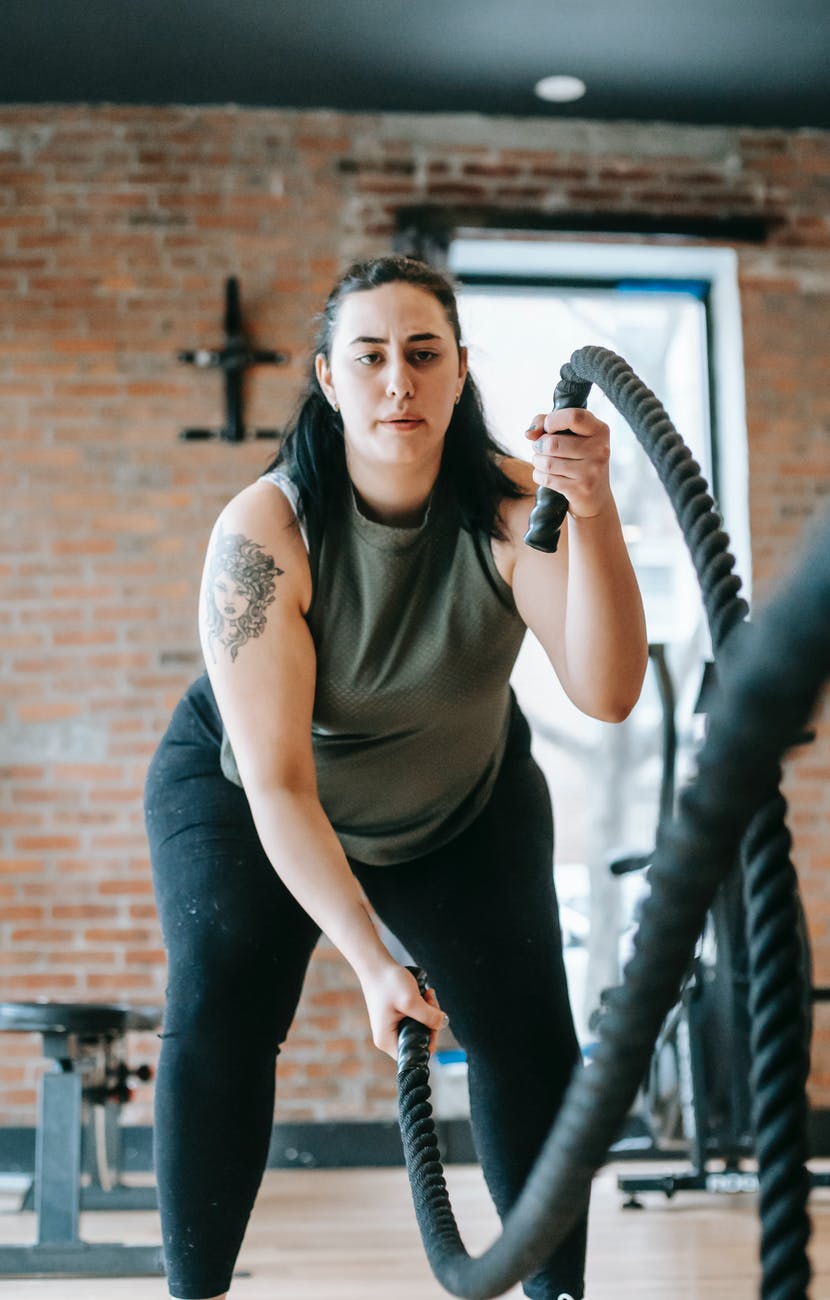
Regardless of age, females who are highly physically fit have faster neural reaction times than their less fit peers. Near infrared spectroscopy scans showed that physical fitness is associated with greater cerebral oxygenation, which may be the underlying mechanism for the observed elevations in brain function.
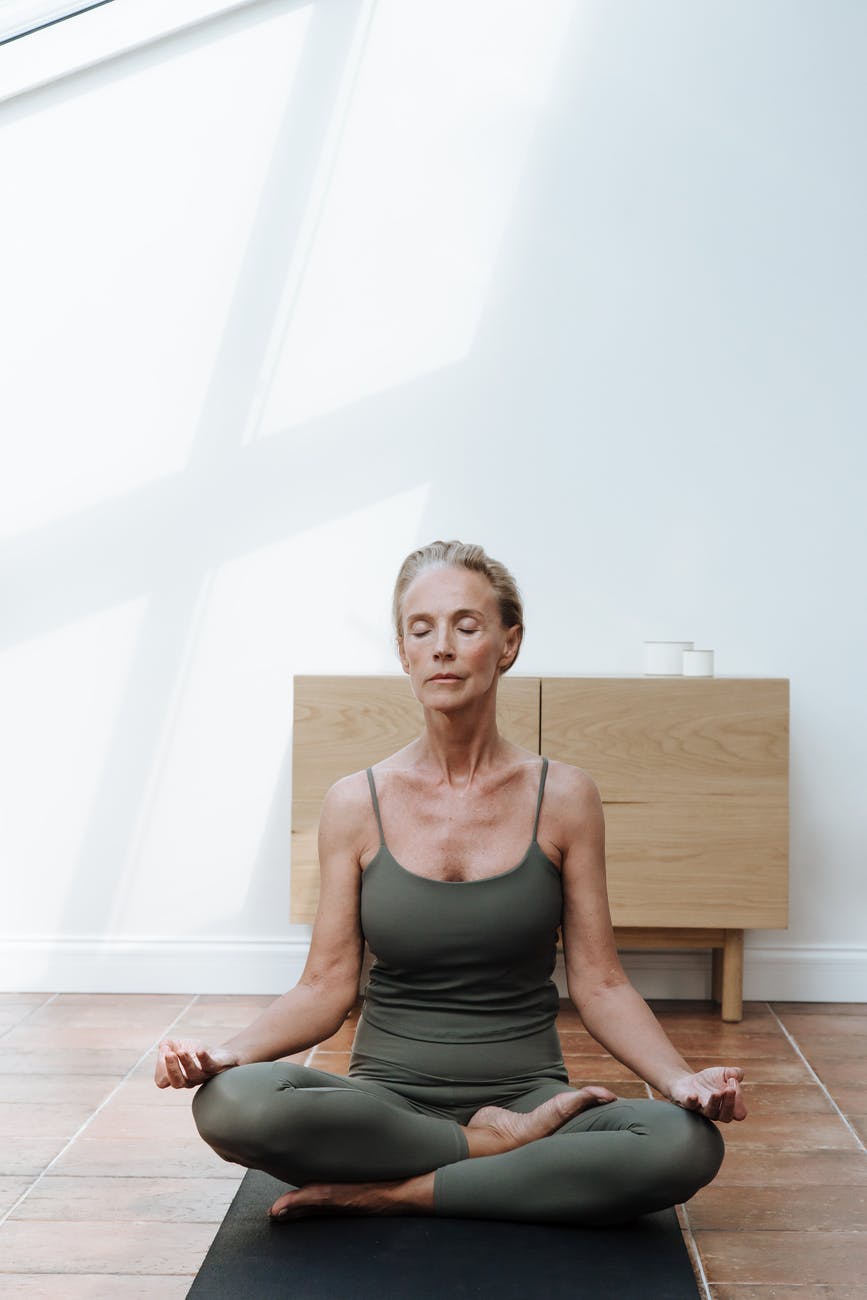
Mindfulness practices encourage individuals to focus their attention on the present, instead of the past or future, and to take an objective look at their thoughts and emotions. A new study finds that mindfulness meditation may help older adults get a better night’s sleep. In the study, those who learned mindfulness practices slept better within six weeks and also showed a greater reduction in depression symptoms and daytime fatigue. Co-author Dr. Adam Spira writes, “Cognitive behavioral therapy is highly effective… What I found most interesting about this [mindfulness] approach is that it’s a non-drug option, and it’s accessible to the community at large.”





 Aberdeen Chiropractic