Is my Shoulder Pain a SITS Tear?

neck pain 1

One of the most common causes of shoulder pain is a rotator cuff (RC) tear. To determine just how common this is, one study looked at a population of 683 people regardless of whether or not they had shoulder complaints. There were 229 males and 454 females for a total of 1,366 shoulders. (The participants’ average age was 58 years, ranging from 22 to 87 years old.)

The research team found 20.7% had full thickness rotator cuff tears. Of those with shoulder pain, only 36% had tears found on ultrasound. Of those without shoulder pain, 17% also had tears! Risk factors for an increased for tearing of the rotator cuff include a history of trauma, the dominant arm (ie your right arm if you’re right handed), and increasing age.

In a review of radiologic studies of 2,553 shoulders, researchers found full-thickness rotator cuff tears in 11.75% and partial thickness tears in 18.49% of the subjects for a total of 30.24% having some degree of tearing. In this group, about 40% of tears were found in pain-free shoulders. The researchers concluded that rotator cuff tears are common and frequently asymptomatic.

Both of these studies support the necessity to FIRST consider the patient’s clinical presentation and then correlate that with the imaging results. In other words, the presence of a RC tear on an image (usually MRI or ultrasound) does NOT necessarily mean there is pain (and vise versa)!

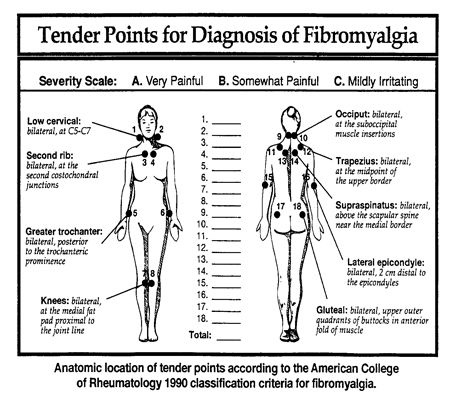
So what other things could be causing the shoulder pain? There are many: impingement, tendonitis, bursitis, muscle strain, capsular (and other ligament) sprain, frozen shoulder, and osteoarthritis (the “wearing out” type). Also, rheumatoid arthritis, lupus, polymyalgia rheumatica and other autoimmune types of “arthropathies,” fibromyalgia, a herniated cervical disk, shoulder dislocations, whiplash injuries, and more!

Most importantly, we must NOT forget to include referred pain to the shoulder from an impaired heart (such as coronary heart disease or heart attack), lung, liver, or gall bladder as these problems commonly refer pain to the shoulder and may represent a MEDICAL EMERGENCY!

Is your foot causing your knee pain?

Flat-Foot-Arch-Before

Due to bipedal locomotion (walking around on two legs), foot and ankle problems have the potential to affect EVERYTHING above the feet—even the knees!

When analyzing the way we walk (also known as our gait), we find when the heel strike takes place, the heel and foot motion causes “supination” or the rolling OUT of the ankle. As the unloaded leg begins to swing forwards, there is a quick transition to pronation where the heel and ankle roll inwards and the medial longitudinal arch (MLA) of the foot flattens and pronates NORMALLY!

During the transition from supination to pronation, the flattening of the MLA acts like a spring to propel us forwards followed by the “toe off”, the last phase, as we push off with our big toe and the cycle starts with the other leg. However, if you watch people walk from behind, you will see MANY ankles roll inwards too much. This is call “hyperpronation” and that is NOT NORMAL!

So at what point does this normal pronation become hyperpronation? The answer is NOT black and white, as there is no specific “cut-off” point but rather, a range of abnormal. Hence, we use the terms mild, moderate, and severe hyperpronation to describe the variance or the degrees of abnormality.  Hyperpronation can lead to the development of bunions and foot/ankle instability that can cause and/or contribute to knee, hip, pelvis, and spinal problems—even neck and head complaints can result (the “domino effect”)!

One study looked at the incidence of hyperpronation in 50 subjects who had an anterior cruciate ligament (ACL) rupture vs. 50 without a history of knee / ACL injury. They found the ACL-injured subjects had greater pronation than the noninjured subjects suggesting that the presence of hyperpronation increases the risk of ACL injury.

Doctors of chiropractic are trained to evaluate and treat knee conditions of all kinds. Often this may include prescribing exercises or utilizing foot orthotics in an effort to restore the biomechanics of the foot, which can have positive effects not only on the knees but also further up the body.

Meditation and Chiropractic

457


With growing evidence that meditation has significant health benefits, a 2016 study by a team of researchers from the United States, Spain, and France sought to explain how and why meditation actually works.

The study investigated the difference between “mindful meditation” in a group of experienced meditators vs. “quiet non-meditative activity” in a group of untrained control subjects. After eight hours of mindfulness practice, the meditation group showed a range of genetic and molecular differences, which in turn correlated with faster physical recovery from a stressful situation.

According to researchers, this is the first time a study has documented a rapid alteration in gene expression within meditating subjects. Interestingly, the researchers observed these changes in the SAME genes that anti-inflammatory and pain-killing drugs target! Thus, they speculate that mindful-based training may benefit patients with inflammatory conditions! This and prior studies have prompted the American Heart Association to endorse meditation as an effective cardiac preventative intervention.

Meditation has been found to be helpful for many conditions including stress management, lowering high blood pressure, heart disease, and depression. You can incorporate meditation into your life with three simple meditation exercises! The initial advice is “…go slow and be compassionate and gentle with yourself.” Your mind will try to wander (called our “default mode”) which consumes about half of our day, so try to focus (called “focus mode”)!

1)  WALKING MEDITATION: At a slow to medium pace, focus on your feet. Notice how your heel hits the ground and then feel the roll of your foot followed by the big toe pushing off prior to the swing phase. Feel for stones under the foot and other interesting sensations. If your mind starts to wander (default mode), gently bring your attention back to your foot (focus mode). You WILL get better with practice, and you’ll soon find it much easier to “focus” during stressful situations!

2)  NOVEL EXPERIENCES: It’s much easier to lose focus on the people you see everyday vs. those seen only one time a month. The next time you arrive home from work, pretend you haven’t seen your spouse/friend in 30 days. Give them your undivided attention. Then, try this on co-workers and other people you see every day. Believe me, they WILL notice a difference!

3)  GRATITUDE EXERCISES: When you’re not in their presence, focus on a person’s face and send them a “silent gratitude” for being in your life. Try this on family members, friends, co-workers, and others!

When Teens Get Headaches

In 2016, researchers at Curtin University in Perth examined the seated posture and health data of 1,108 17-year olds in an effort to determine if any particular posture increased the risk of headaches/neck pain among late adolescents.

Among four posture subgroups—upright, intermediate, slumped thorax, and forward head—the researchers observed the following: participants who were slumped in their thoracic spine (mid-back region) and had their head forward when they sat were at higher odds of having mild, moderate, or severe depression; participants classified as having a more upright posture exercised more frequently, females were more likely to sit more upright than males; those who were overweight were more likely to sit with a forward neck posture; and taller people were more likely to sit upright.

While they found biopsychosocial factors like exercise frequency, depression, and body mass index (BMI) ARE associated with headaches and neck pain, their data did not suggest any one particular posture increased the risk of neck pain or headaches more than any other posture among the teenagers involved in the study.

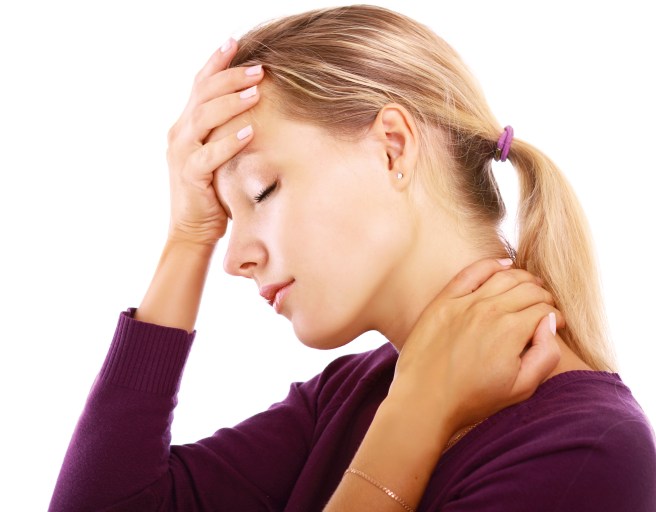
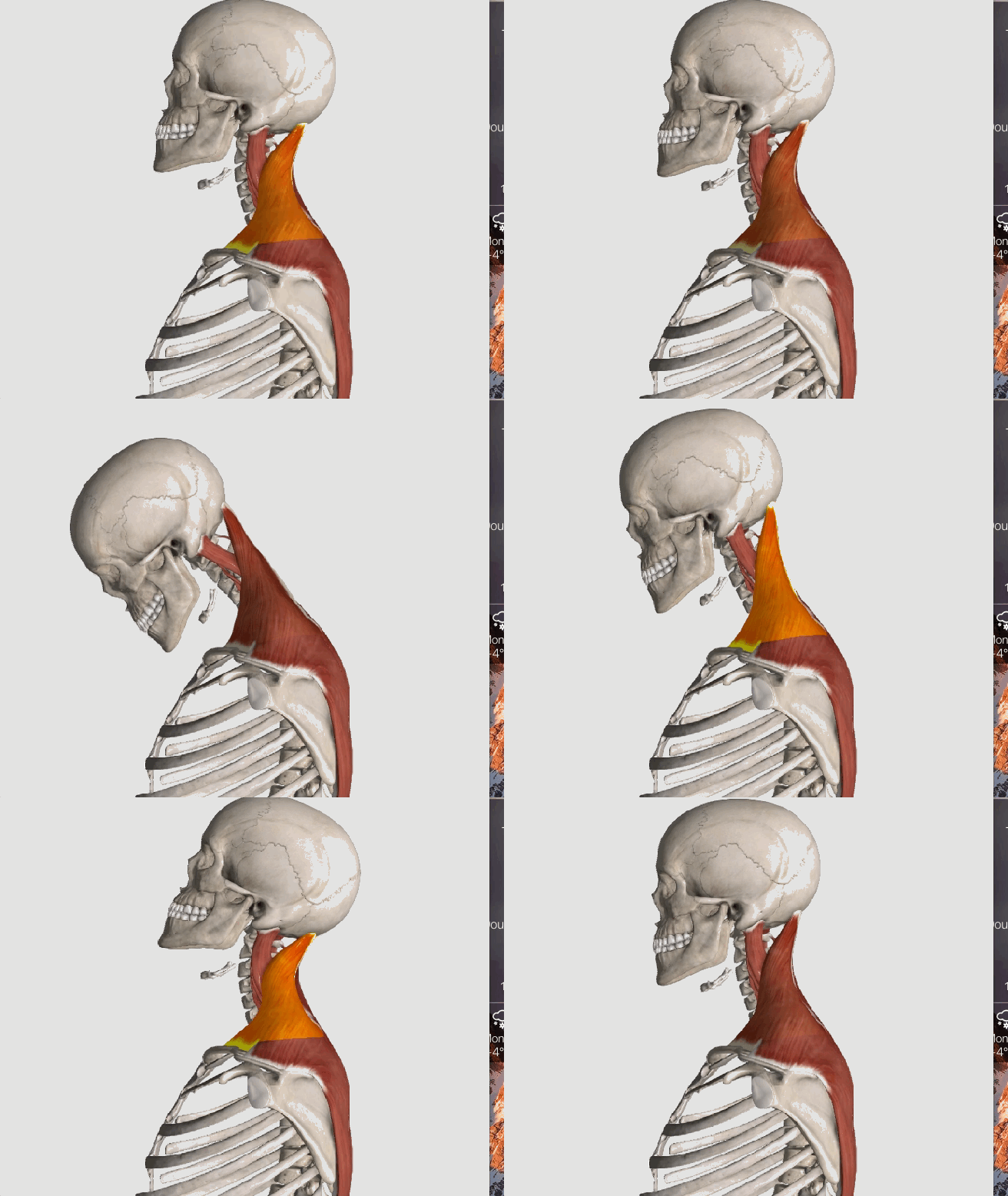
This is noteworthy as studies with adults do indicate the risk for neck pain and headaches is greater in individuals with poor neck posture. In particular, postures such as forward head carriage, pinching a phone between the ear and shoulder, and prolonged neck/head rotation outside of neutral can all increase the risk of cervical disorders. This suggests that in younger bodies, the cause of neck pain and headaches may be multifactoral and not limited to just poor posture and that treatment must address all issues that may increase one’s risk for neck pain/headaches in order to reach a desired outcome.

The good news is that chiropractic has long embraced the biopsychosocial model of healthcare, looking at ALL factors that affect back and neck pain and quality of life. Through patient education, spinal manipulation, mobilization, exercise training, the use of modalities, and more, chiropractors can greatly help those struggling with neck pain and headaches!

What to expect from a trigger point massage

ession Description


A treatment with Bryan is very user friendly. And, no, you don’t have to remove any clothing. However, bringing a t-shirt and a pair of shorts or sweats is recommended.


The first time you come for a treatment you will be asked to fill out a Client History form. Bryan will go over the information you provide, asking for more detail and discussing the type of pain you are having and its location.


The treatment itself involves locating the Trigger Points in the muscle or soft tissue and applying a deep focused pressure to the Point. This will reproduce the pain and the referral pattern that is characteristic of that pain.


The treatment will be uncomfortable at first, but as the Trigger Points release, the pain will decrease. The pressure will always be adjusted to your tolerance level. If, at any time, you feel too uncomfortable you can ask Bryan to ease off a bit.


Depending on your specific problem, Bryan may also use some stretching and / or range-of-motion techniques, as needed.


After treatment, it is usually recommended that the client apply moist heat to the area treated.


Trigger points

Trigger Points in muscle and other soft tissue are one of the most common causes of a wide variety of pain and dysfunction, including (but not limited to):


• Achy persistent pain
• Severe local pain
• Arm / leg pain
• Back pain
• Radiating pain
• Weakness
• Stiffness

• Pain resulting from a medical condition, such as
– Migraines
– Sciatica
– TMJ dysfunctions
– Arthritis
– Fibromyalgia
– Carpal tunnel syndrome
– Soft tissue injuries
– And more…

Trigger points in the Rectus Abdominis muscle.

The rectus abdominis is you “six pack” muscle. It originates on the pubic bone and inserts on the costal cartilage of ribs 5-7, and the xiphoid process of the sternum. It’s main actions are to flex and rotate the spine, as well as increase the intra-abdominal pressure. Trigger points in this muscle refer pain into the mid and lower back. This muscle is tight in people who slouch and have a posteriorly rotated pelvis. An anteriorly rotated pelvis can be corrected by strengthening this muscle.

Hip or LB? Which is it?

Technically, the hip is the ball-and-socket joint between the long bone of the thigh and the pelvis; but more often than not, many people will point to a number of different places on their back or pelvis and say, “My hip is killing me” when it’s not really “the hip” at all!
Hip pain can be located in the front (groin area), the side, the back, or in the buttocks. The “classic sign” of hip pain is reproduced most consistently when you try to cross your legs—put your ankle on the far end of the thigh and then push down on your knee. This may feel tight and cause pain in the groin area. For many people, hip pain is also reproduced when they cross their legs and then pull their knee towards the opposite shoulder.
The hip is a VERY strong joint due to the deep receiving cup of the pelvis and the round ball that fits nicely into it. Because it’s a freely moving joint, there is a joint capsule. The capsule is lined with tissue that produces an oily substance that lubricates the joint (called synovial fluid), and when hip pain occurs, this can be caused by a capsulitis (inflammation of the capsule) with a buildup of synovial fluid (called synovitis).
When the smooth, shiny surface of the ball starts to wear thin (which can eventually wear away down to the bone), that’s a condition called “osteoarthritis.” This occurs over time for many and may eventually result in the need for a hip replacement. This usually isn’t needed until an individual is in their late 60s or older (if at all), but for those who injure a hip earlier in life, the “wearing out” process may accelerate and a hip replacement may be needed well before old age.
There are many studies that report low back and hip arthritis often occur together, and differentiating between the two can sometimes be a challenge. For example, pain can radiate from the hip to the knee, which many doctors will diagnose as “sciatic nerve.” But hip pain can present exactly the same, making it hard to determine if it’s low back-generated pain or hip-generated pain.
This is why it’s SO IMPORTANT that your doctor of chiropractic conduct a careful history and examination. There are specific tests that he or she will perform that help determine which of the two is causing the pain. There are times when they may find BOTH problems co-existing together, making it necessary to manage two problems, rather than just one.
There are many mobilization, manipulation, soft tissue therapies, modalities, and exercises available to patients with both hip and low back pain. So if you’re not sure what is bothering you and you don’t know what to do, visit your doctor of chiropractic and he or she will help you through this.

What Is Facet Syndrome?

facet joint

As stated in previous articles, low back pain (LBP) can arise from many different structures. Lumbar facet syndrome is one that involves the facet joint and includes both acute (new) and chronic (old) varieties. The facet joint is synonymous with the zygapophyseal joint, so if you hear that word, don’t let it throw you off! Approximately 45% of patients with chronic low back pain suffer from “facet syndrome” (FS) in which the facets are the low back pain generator.
There are many conditions that give rise to FS. Some of these include the straining of the surrounding joint capsule (the capsule holds the joint securely together), joint hypomobility (reduced motion in the joint), a synovial cyst (similar to a ganglion on the back of the wrist but its located inside the joint), and degeneration (also called osteoarthritis—the wearing out type of arthritis).
Because facet syndrome can accompany other conditions, a doctor of chiropractic must evaluate each patient individually and manage each person appropriately. In “pure” facet syndrome, pain rarely ever passes the level of the knee and does not cause neurological loss (weakness, loss of reflex, etc.). It can create numbness but usually NOT beyond the knee. Pain is usually not worsened by hip movements such as straight leg raise or hip rotation.
The facet joint’s “job” (at least in part) is to limit or guard twisting movements in the upper lumbar/low back region, and the lower lumbar facets are shaped to limit motion when bending forwards and backwards. Facet joints are unique because they are innervated by specific nerves that can be blocked by injecting an anesthetic agent to determine if the facet (and its innervating nerve) is the main source of pain. The surrounding capsule around the facet joint contains mechanoreceptors (cells that detect movement) and nociceptors (cells that detect pain) that fire when the facet joint is compressed/jammed or over-stretched. These nociceptors can become “hypersensitized” (very irritable) when they remain inflamed over time.
In many patients, injury to a facet joint is the result of many microtraumas over a period of time and not one single isolated event. For example, repeatedly bending backwards, twisting, and leaning to one side can stretch the joint capsule and fatigue it until some capsular tissues finally “give” and it inflames which generates pain.
These joints commonly become arthritic with age, which is one reason people over 50-60 years old commonly present with FS. Osteoarthritis results in a narrowing of the joint space and causes a more permanently “jammed” joint. This is one reason many elderly people walk partially bent over—as bending forwards opens the facet joints and “feels good!”
The good news is that chiropractic manipulation is a highly effective treatment for facet syndrome, and most patients feel much better within the first or second week of care (often within three to five visits).