Happy New Year!

Here’s to a great 2023!

Dear Patients, Friends and Family,

Thank you so much for your support, kind words and best wishes for 2022! We are so grateful for your support and are excited to see what the new year has in store. We cannot wait to celebrate all of the wonderful moments we share together in 2023!

Thank you for being a part of our lives and for making every day so special. We love you all!

Ischial Bursitis

Photo by Valeria Ushakova on Pexels.com

Ischial bursitis is the irritation of the bursa at the bony prominence behind the pelvis, called ischial tuberosity. This bony prominence represents an insertion zone for several muscles, including the hamstrings, and provides support in the sitting position.

Activities and sports that require the hamstring muscles to be repeatedly contracted or stretched during running, jumping or kicking can cause irritation of the bursa and sometimes inflammation. Ischial bursitis usually results from injury to the hamstring tendons. Prolonged sitting on a hard surface or falling on the buttocks can also aggravate the irritation.

Contact us for treatment in Winnipeg

Find and Follow us on Twitter and Instagram!

Weight Training and Hockey

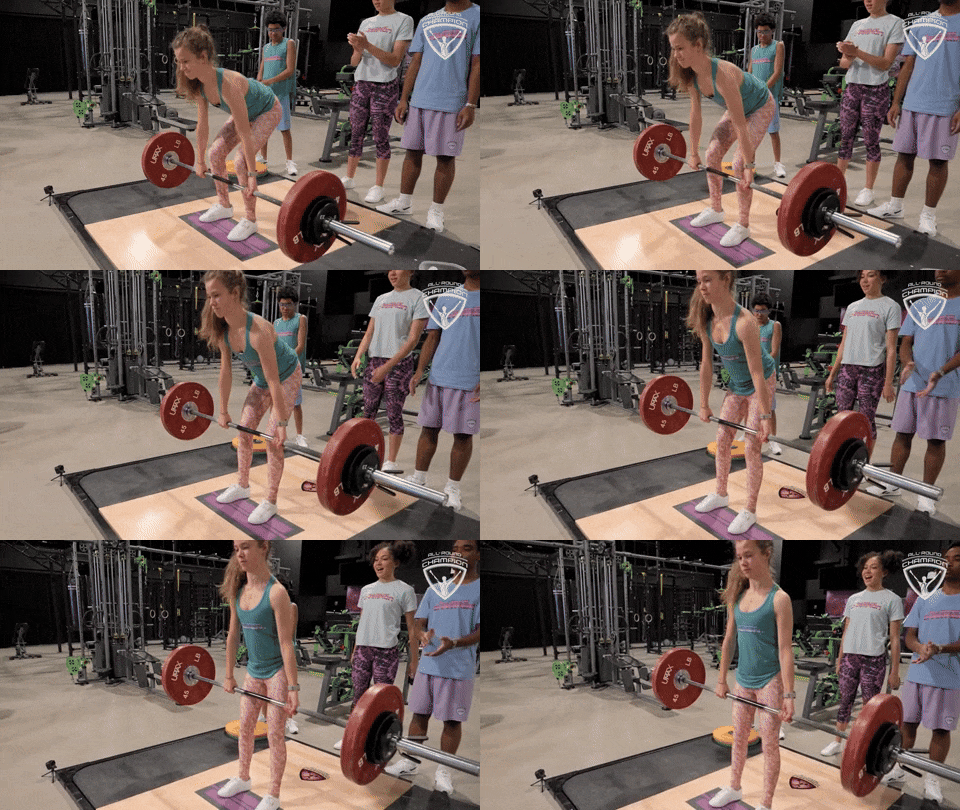
Hockey players need to weight train in order to improve their performance on the ice. Weight training can help improve a player’s strength, speed, and agility. It can also help reduce the risk of injuries.

Weight training can help improve a player’s strength. When a player is stronger, they can generate more power and speed on the ice. This can help them make better plays and take control of the game. Weight training can also help improve a player’s speed. When a player is faster, they can move around the ice more easily and get to the puck faster. This can help them create more scoring opportunities.

Weight training can also help improve a player’s agility. When a player is more agile, they can move around the ice more easily and avoid being hit by the other team. This can help them stay in the game longer. Weight training can also help reduce the risk of injuries. When a player is stronger, they are less likely to get injured. This can help them stay on the ice longer and help the team win more games.

Weight Training For Young Athletes

Weight training is an important part of any young athlete’s training program. It can help improve strength, speed, and power. Weight training can also help prevent injuries.

Weight training can help improve the strength of young athletes. Strength is important for athletes because it allows them to generate more power and run faster. Weight training can also help improve the athletes’ endurance, which is important for long distance events.

Weight training can help improve the speed of young athletes. Speed is important for athletes because it allows them to run faster and cover more ground. Weight training can help improve the athletes’ stride length and frequency, both of which are important factors in running speed. Weight training can help improve the power of young athletes. Power is important for athletes because it allows them to run faster and jump higher.

Weight training can help improve the athletes’ explosive power, which is important for athletes who compete in sports that require speed and power. Weight training can also help prevent injuries in young athletes. Weight training can help improve the strength and flexibility of the muscles and tendons. This can help prevent injuries caused by overuse or sudden movements. Weight training is an important part of any young athlete’s training program. It can help improve strength, speed, and power. Weight training can also help prevent injuries.

Contact us for treatment in Winnipeg

Find and Follow us on Twitter and Instagram!

Shoulder Impingement Injury

Photo by Jim De Ramos on Pexels.com

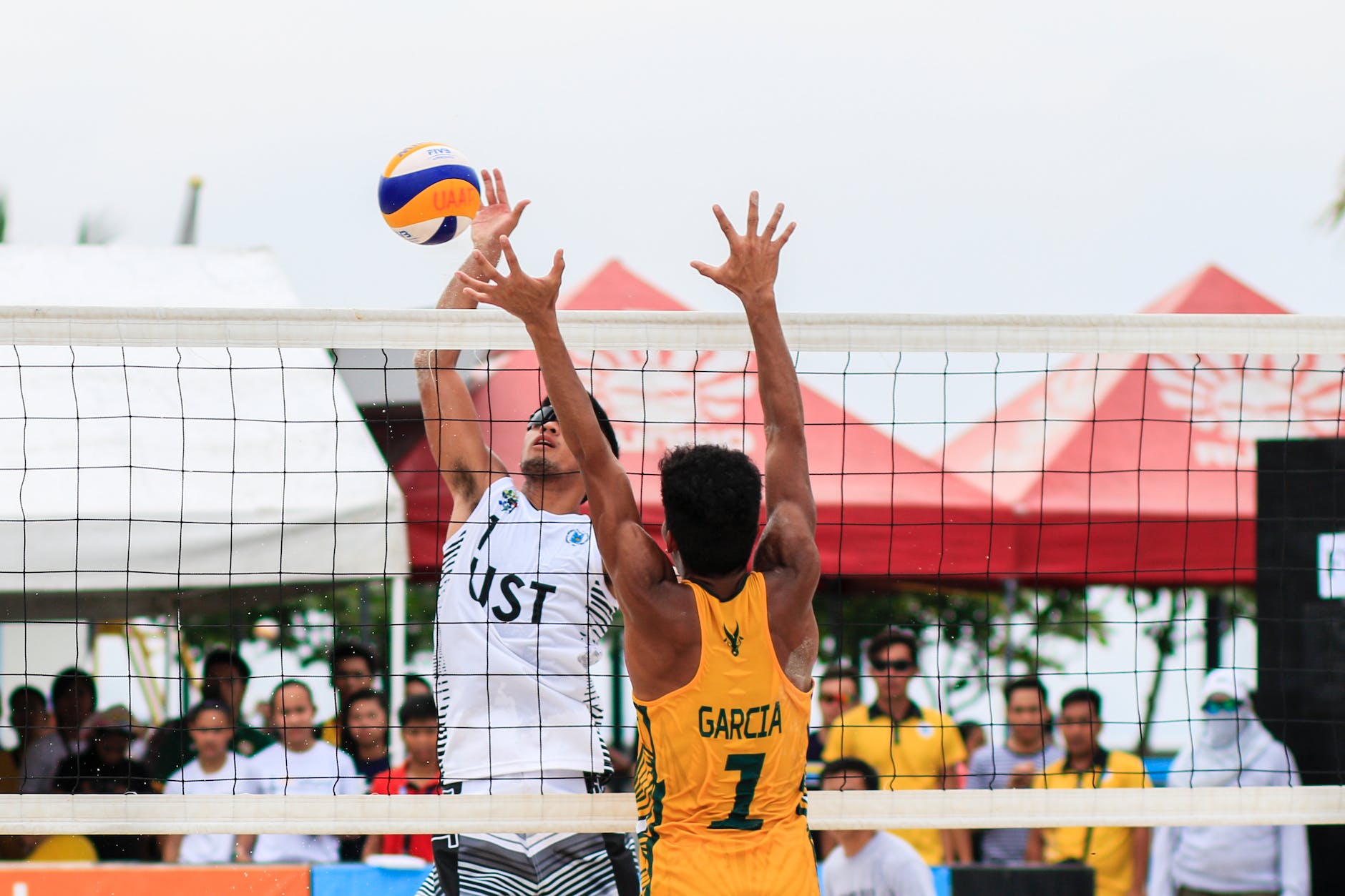
Impingement syndrome is an irritation of the structures between the upper portion of your arm and your shoulder blade mainly during overhead arm movements.

The rotator cuff is comprised of four muscles that help stabilize the humerus (upper arm bone), in the shoulder socket during arm movement.

The shoulder has great mobility but is in return susceptible to injury not only during falls and other accidents, but also if motor control is inadequate.

Men over 40 performing manual labor are the most affected with this condition. It is also present in young athletes practicing sports involving repeated overhead motion such as swimming, baseball or tennis.

Treatment of impingement injuries consists of Class IV Laser Therapy, management of any biomechanical stresses in the area and exercise rehabilitation to address any weaknesses that can be putting undue stress on the area. 

#LaserTherapy
#ShoulderInjuries
#Winnipeg
#Chiropractic
#ArmInjury
#RotatorCuff

Suffering with a shoulder injury? Contact us for treatment in Winnipeg

Find and Follow us on Twitter and Instagram!

Photo by Florian Doppler on Pexels.com

The Anti-Inflammatory Diet

Don’t fuel the inflammatory fire with diet.

The anti-inflammatory diet is a diet that is designed to help reduce inflammation throughout the body. The diet is based on the idea that by eating certain foods, you can help to reduce inflammation that may be causing health problems. The anti-inflammatory diet is based on the Mediterranean diet, which is known to be healthy and anti-inflammatory.

The anti-inflammatory diet focuses on eating plenty of fruits, vegetables, whole grains, and healthy fats. It also recommends avoiding processed foods, sugar, and unhealthy fats.

Some of the best foods to eat on the anti-inflammatory diet include:

-Fruits: Berries, citrus fruits, apples, pears

-Vegetables: Dark leafy greens, cruciferous vegetables, tomatoes, onions, garlic

-Whole grains: Brown rice, quinoa, oats

-Healthy fats: Olive oil, avocado, nuts, seeds

The anti-inflammatory diet can help to improve overall health and reduce the risk of diseases that are caused by inflammation. It is a healthy and sustainable way to eat, and it can be tailored to fit any individual’s needs and preferences.


Running Injuries

There are many different types of injuries that can occur in runners, but some of the most common ones are runner’s knee, Achilles tendonitis, and iliotibial band syndrome.

Runner’s knee is a condition that affects the kneecap and is caused by overuse or incorrect movement. The most common symptoms are pain and swelling around the kneecap, difficulty bending the knee, and a popping or grinding sensation. Treatment usually involves rest, ice, and compression, and in some cases surgery may be necessary.

Achilles tendonitis is a condition that affects the Achilles tendon, which is the tendon that connects the calf muscles to the heel. It is caused by overuse or incorrect movement, and the most common symptoms are pain and swelling around the Achilles tendon, difficulty flexing the ankle, and a popping or grinding sensation. Treatment usually involves rest, ice, and compression, and in some cases surgery may be necessary.

Iliotibial band syndrome is a condition that affects the iliotibial band, which is a band of tissue that runs down the outside of the thigh. It is caused by overuse or incorrect movement, and the most common symptoms are pain and swelling on the outside of the thigh, difficulty flexing the knee, and a popping or grinding sensation. Treatment usually involves rest, ice, and compression, and in some cases surgery may be necessary.

IT Band Syndrome

Photo by Andrea Piacquadio on Pexels.com

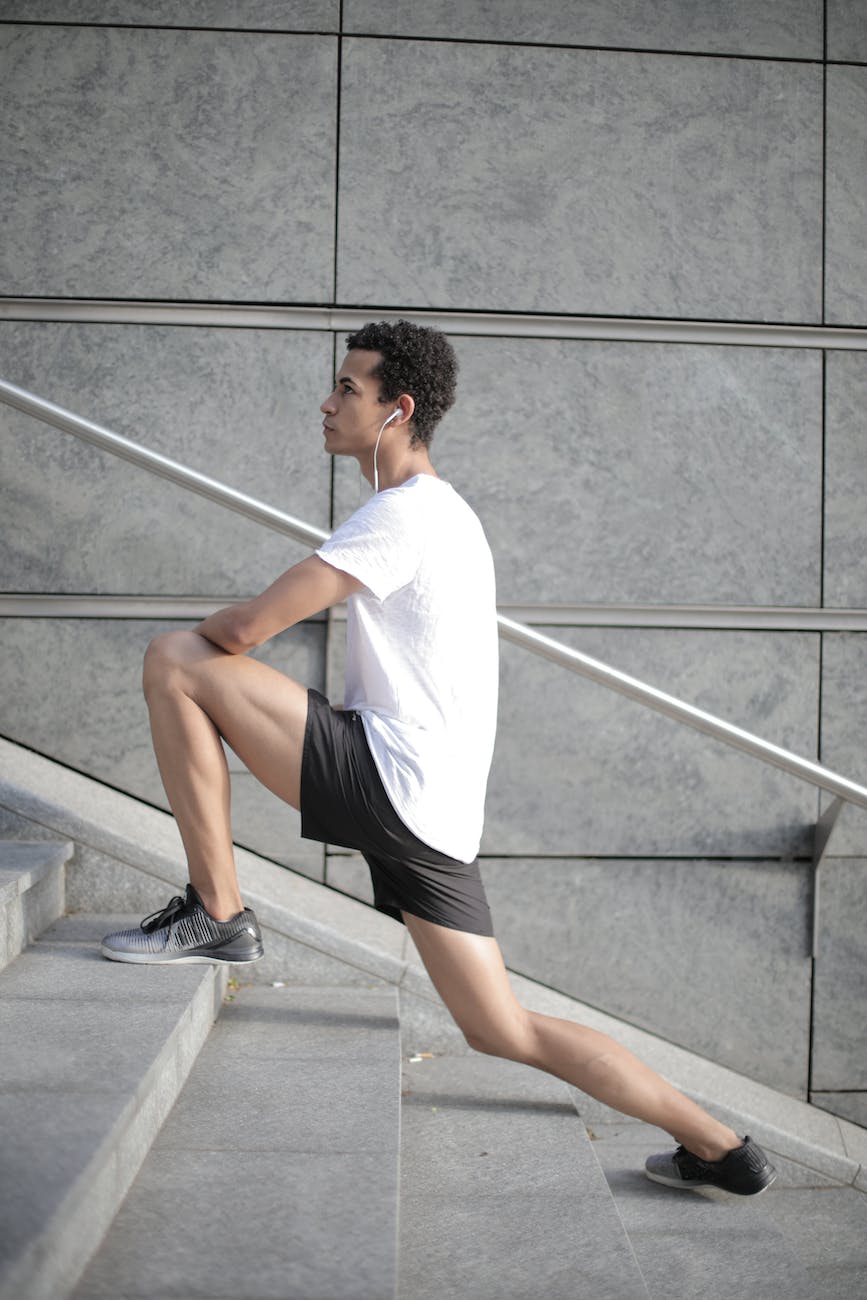
IT Band Syndrome occurs when a band of connective tissues on the outside of your thigh, called the iliotibial band, becomes irritated as a result of repeated rubbing against the side of your knee during flexion and extension movements.

People who engage in activities or sports that involve jumping, biking or running are at higher risk. This injury is quite frequent among runners.

Normally, this injury occurs during a period when the training intensity and/or volume has been increased too quickly with inadequate recovery.

Treatment of IT Band injuries consists of Class IV Laser Therapy, management of any biomechanical stresses in the area and exercise rehabilitation to address any weaknesses that can be putting undue stress on the area. 

#LaserTherapy
#HipInjuries
#Winnipeg
#Chiropractic
#LegInjury
#HipPain

Suffering with IT Band Syndrome? Contact us for treatment in Winnipeg

Find and Follow us on Twitter and Instagram!

Sprinting

The key to getting a higher top speed

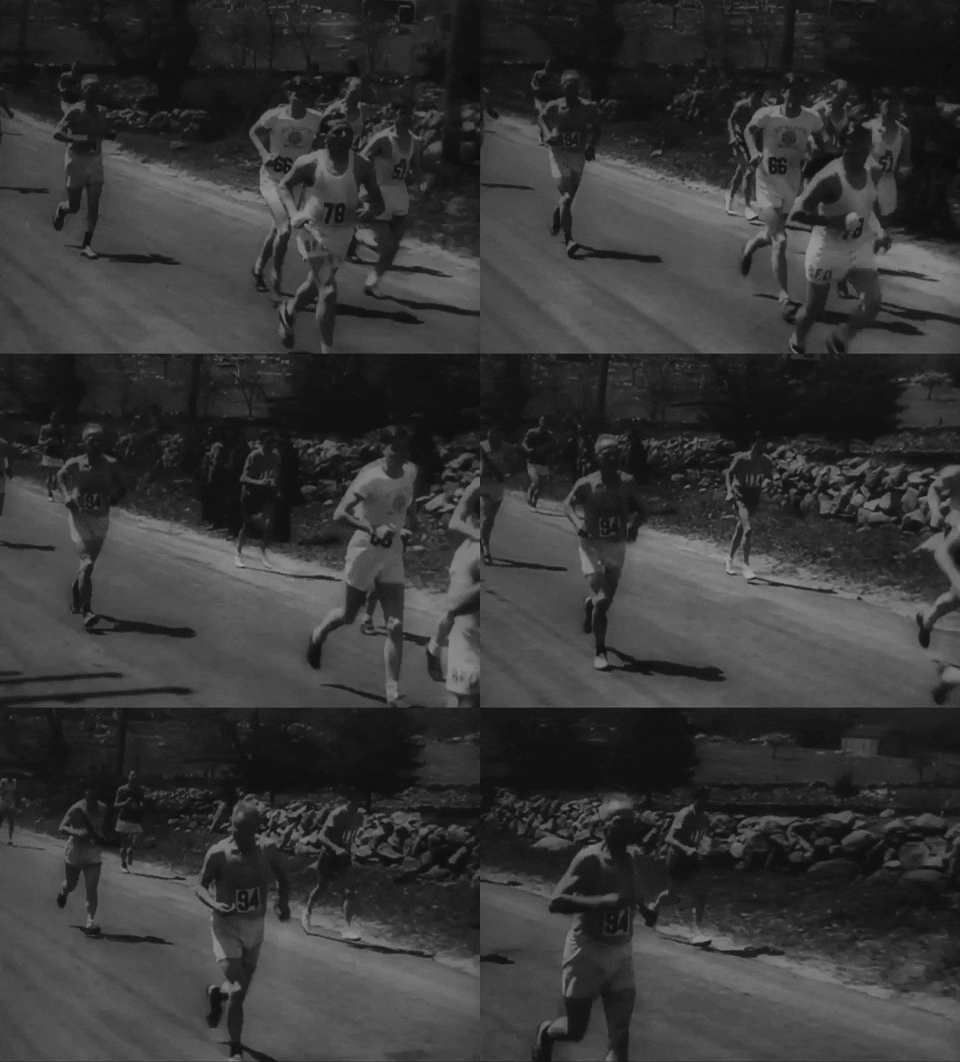
Sprinting is one of the most important exercises an athlete can do to develop a higher top speed. It is a plyometric exercise that uses the athlete’s own body weight to create resistance and improve explosiveness.

Sprinting also helps improve an athlete’s stride length and frequency, both of which are important factors in running speed. Sprinting is a great way to improve an athlete’s overall speed. It is a very explosive exercise that uses many of the same muscles used in running. Sprinting also helps improve the athlete’s stride length and frequency, both of which are important factors in running speed.

Sprinting is a plyometric exercise, which means that it uses the athlete’s own body weight to create resistance and improve explosiveness. Plyometric exercises are important for athletes because they help improve the explosive power of the muscles. This is important for athletes because it allows them to run faster and jump higher.

Sprinting also helps improve the athlete’s overall conditioning. It is a very demanding exercise that requires the athlete to use many of the same muscles used in running. This helps improve the athlete’s overall running speed and endurance. Sprinting is a great exercise for athletes of all levels. It is a very demanding exercise, but it can be modified to fit the athlete’s level of conditioning. Sprinting is a great way for athletes to improve their top speed and overall conditioning.