Health Alert: Frequent Sauna Use Linked to Reduced Risk of CVD.
After reviewing twenty years of data concerning 2,315 Finnish men, researchers found that those who used a sauna at least two to three times per week were 22% less likely to experience sudden cardiac death, 23% less likely to experience fatal coronary heart disease (CHD), had a 27% lower risk of cardiovascular disease (CVD) death, and had a 24% lower risk of all-cause mortality during the course of the two-decade study. The authors write, “This study provides prospective evidence that sauna bathing is a protective factor against the risk of sudden cardiac death, fatal CHD, fatal CVD, and all-cause mortality events in the general male population. Our results suggest that sauna bathing is a recommendable health habit, although further studies are needed to confirm our results in different population settings.”
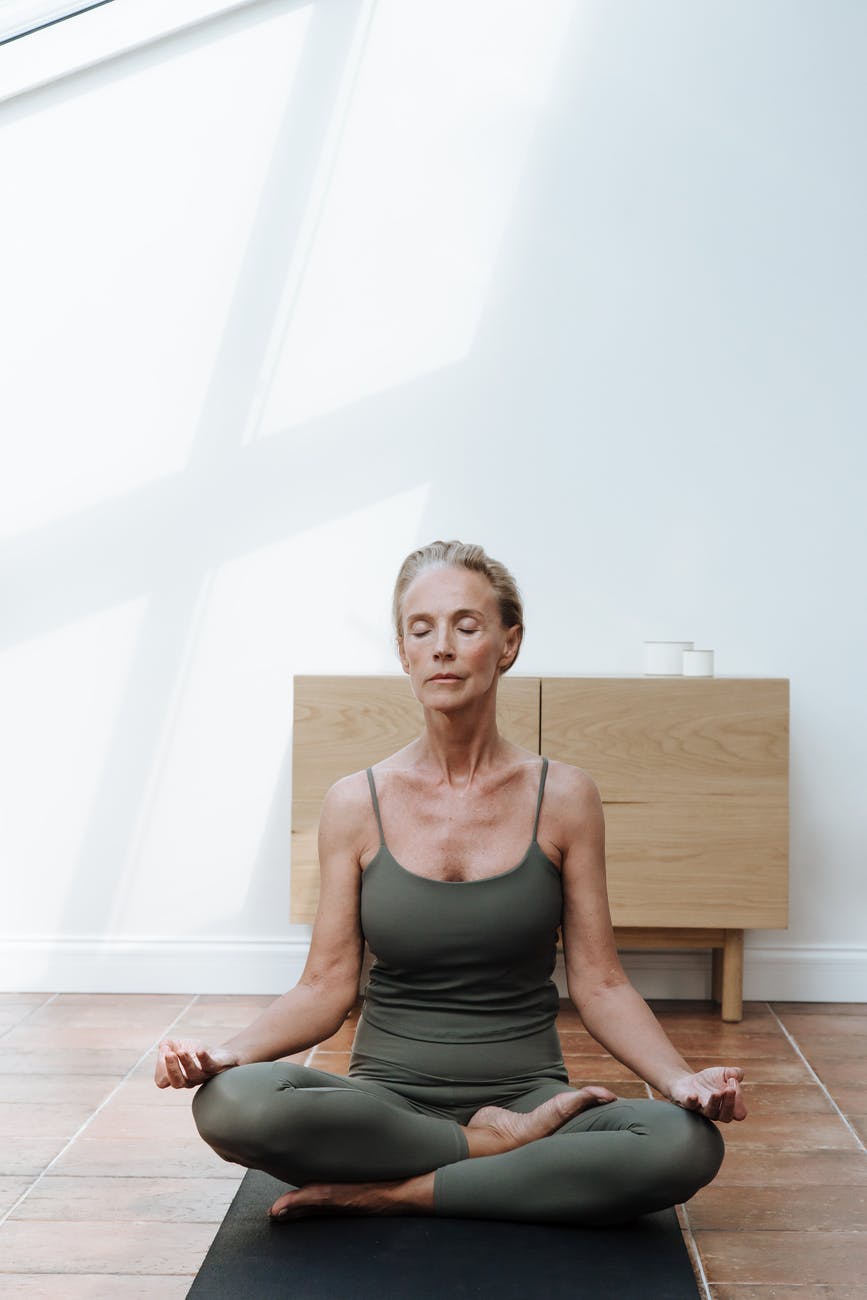
Mindfulness practices encourage individuals to focus their attention on the present, instead of the past or future, and to take an objective look at their thoughts and emotions. A new study finds that mindfulness meditation may help older adults get a better night’s sleep. In the study, those who learned mindfulness practices slept better within six weeks and also showed a greater reduction in depression symptoms and daytime fatigue. Co-author Dr. Adam Spira writes, “Cognitive behavioral therapy is highly effective… What I found most interesting about this [mindfulness] approach is that it’s a non-drug option, and it’s accessible to the community at large.”
Exercise: Moderate Exercise Can Help Women’s Hearts.
Just a few bouts of moderate exercise each week can reduce a middle aged woman’s risk for heart disease, blood clots, and stroke by 20% when compared with women who do little or no exercise. Moderate exercise examples include walking, gardening, and cycling. Lead author Dr. Miranda Armstrong concludes, “To prevent heart disease, stroke and blood clots, women don’t have to be super athletes or strenuously exercise daily to experience the benefits of physical activity.”
What have you done today to make a difference? Who have you helped? Someone close to you? A stranger? Yourself? What changes can you make to your day to day that will make the biggest difference for yourself and others a year, 2 years, 10 years from now?
A new study indicates that a simple high-fiber diet can help lower blood pressure, reduce blood sugar, and aid in weight loss. Researchers found that increasing dietary fiber led to a host of other healthy dietary changes, likely because consuming more high-fiber foods can lead to a decrease in consumption of unhealthy foods that are high in fat and sugar. Study author Dr. Yunsheng Ma writes, “For people who find it difficult to follow complex dietary recommendations, a simpleto-follow diet with just one message — increase your fiber intake — may be the way to go.”
Mental Attitude: Kids Can Suffer from Migraines Too.
According to the American Migraine Foundation, about 6% of children and more than 25% of teens ages 15-17 suffer from migraines. Many factors can contribute to childhood migraines, including too little or too much sleep and abnormal stress. Children with migraines should be evaluated by a healthcare professional for potential treatment options.
Exercise: Access to Physical Activity Could Reduce Health Costs.
New research finds that standardizing access to physical activity services such as classes or counseling to encourage exercise could help reduce costs associated with a sedentary lifestyle. Past research has linked lack of physical activity to chronic conditions such as heart disease, diabetes, and obesity. Lead researcher Dr. Cameron Moore adds, “These services can range from something as informal as an organized walking group, to something as structured as an aerobics class or counseling session. Physical activity services are certainly part of the broader health promotion picture, but they are unique in their cost-effectiveness and ability to improve health and well-being for all patients, not just those with a chronic condition.”
Applied Physiology, Nutrition and Metabolism, February 2015
A herniated disc refers to a disc lesion in the spine, which can cause local symptoms and can sometimes radiate to the legs or arms depending on the location of the lesion. This condition can occur gradually or as a result of a false movement. The hernia is usually located in the neck or lower back. It sometimes appears in the thoracic region in the middle of the back.The intervertebral discs may be damaged due to poor lifting technique, repetitive intense activity or excessive body weight. A combination of several factors can contribute to the development of a herniated disc.With age, the discs lose their gelatinous property, decreasing the size of the disc and the space between the vertebrae. Therefore, the spine becomes less mobile and may become more prone to injury.
▬▬▬▬▬
Structures involved
The spine is made up of 24 vertebrae, each separated by an intervertebral disc, a small cushion that acts as a shock absorber during spinal movement. These discs consist of a fibrous ring called the annulus fibrosis w ith a gelatinous substance in the center called the nucleus. In a herniated disc, the nucleus pushes through the fibrous ring, exerting pressure on the nerves of the spine.
▬▬▬▬▬
Signs & Symptoms that you may experience
Symptoms vary according to the pressure applied to the nerves and can vary greatly from one person to another. When nerves are irritated, a sensation of pain, numbness and/or weakness in the arms or legs may be felt. A herniated disc in the lower back often leads to irritation of the sciatic nerve, causing acute pain radiating towards the leg. A herniated disc in the neck causes pain in the neck and upper shoulders and may radiate towards the arm.
▬▬▬▬▬
Recovery
Your rehabilitation plan, health profile, fitness level and nutritional status affect the recovery time. I n most cases, you can expect a full recovery from a herniated disc. As a general rule, this condition may take several
months to fully recover. In cases where the herniated disc is long-standing, the pain may sometimes resurface with no real cause or identifiable false movement and then subside with a return to an active lifestyle.
Relative rest is a good way to prevent your condition from getting worse. A few days of rest while reducing activitiesthatcausesignificantp ainmaybenecessary,butitisveryimportanttoavoiddeconditioning.A quick return to your daily activities, light cardiovascular exercises that do not cause an increase in pain and exercises to strengthen the stabilizers in your neck or back, depending on the area affected by the hernia, will allow for a better recovery.
Rehabilitation
Follow your therapist’s advice. This will help you manage the various stages of the healing process and increase the odds of successful rehabilitation. Your therapist will accompany you during your personalized rehabilitation program to restore your joint range of motion, muscle strength and endurance, and functional state.
According to the principles of herniated disc rehabilitation, an active approach including the practice of physical activity, regaining a healthy body weight and the use of safe load-lifting principles are important elements for a functional recovery. A progressive training program over a period of a few weeks is quite common. Following that, maintaining an active lifestyle usually helps prevent the pain from returning.
▶ WHAT TO AVOID
Do not rely solely on a passive treatment approach. Each phase of the rehabilitation process is important. Patients who actively participate in their treatment plan tend to recover more quickly. Remember that pain is not always a good indicator of tissue damage. As soon as you feel better and the pain is well under control, introduce, in collaboration with your therapist, cardiovascular and strength-building exercises based on your tolerance. Remember that exercise is an excellent way to manage pain related to herniated discs.
Chiropractic: Quick Recovery for Spinal Degeneration?
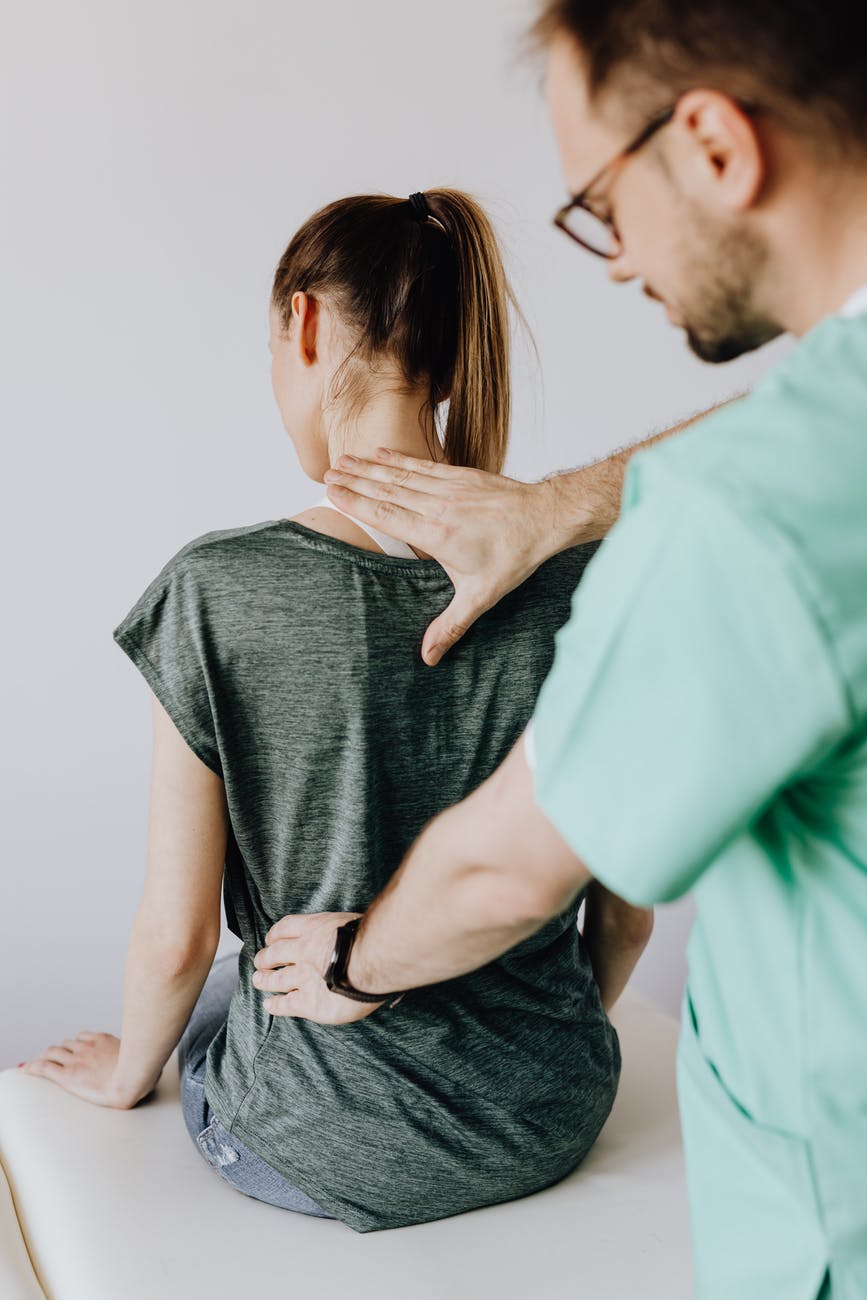
Lumber spinal stenosis is a condition that eventually leads to compression/choking of spinal nerve roots in the lower back that can produce tingling, weakness, or numbness that radiates from the low back and into the buttocks and legs. A recent study found that just one spinal adjustment resulted in immediate improvements in perceived pain, spinal mobility, and hip flexion among men who suffer from osteoarthritis and spinal stenosis. Further long-term studies are needed, but the findings are hopeful for those who are searching for relief from spinal degeneration symptoms.
Archives of Physical Medicine and Rehabilitation, September 2014
Exercise: Include Exercise Variety in Your Regimen.
Including a variety of exercises in your workout plan is vital to avoiding both overuse injuries and boredom. The American Council on Exercises suggests mixing up your routine by walking or cycling instead of running, exercising outside in nature instead of inside a gym, or using free weights instead of circuit training machines, for example.