Effective Shoulder Stability Training for Hockey Players: Injury Prevention & Performance Enhancement


Hockey is a dynamic and physically demanding sport that places significant stress on the entire body, particularly the shoulders. From powerful slap shots to intense physical checks, hockey players rely heavily on shoulder strength and stability. Given the sport’s physicality, shoulder injuries are common and can be debilitating. Incorporating shoulder stability training into a hockey player’s regimen is crucial for enhancing performance and preventing injuries. This blog post will explore the importance of shoulder stability training for hockey players and offer insights into effective exercises.

1. Injury Prevention

Shoulder injuries are prevalent in hockey due to frequent collisions, falls, and the repetitive motions involved in skating, shooting, and checking. Common injuries include dislocations, separations, rotator cuff tears, and labral tears. Shoulder stability training strengthens the muscles, tendons, and ligaments around the shoulder joint, making it more resilient to the stresses encountered during play. By improving shoulder stability, players can significantly reduce their risk of these injuries, ensuring they remain healthy and on the ice.

2. Enhanced Performance

A stable shoulder is essential for executing key hockey skills such as shooting, passing, and checking. The shoulder serves as a pivot point during these actions, and stability allows for more controlled and powerful movements. When shooting, for example, a stable shoulder enables players to generate more power and accuracy. Similarly, stability is crucial for effective stickhandling and delivering strong checks. By incorporating shoulder stability exercises into their training, hockey players can enhance their overall performance and effectiveness in the game.

3. Improved Upper Body Strength and Endurance

Hockey players rely on their upper body for various aspects of the game, including battling for the puck, maintaining balance, and executing powerful shots. Shoulder stability training enhances overall upper body strength and endurance. Strengthening the shoulder muscles, such as the deltoids, rotator cuff, and scapular stabilizers, contributes to better endurance, allowing players to perform at a high level throughout the game. Increased strength and endurance also help players withstand the physical demands and impacts of hockey.

4. Better Posture and Biomechanics

Proper posture and biomechanics are crucial for efficient and effective movement on the ice. Shoulder stability training helps improve posture by balancing the muscles around the shoulder joint and upper back. This balance reduces the risk of developing muscle imbalances that can lead to poor posture and associated injuries. Proper biomechanics enhance skating efficiency, shooting accuracy, and overall agility, providing players with a competitive edge.

5. Rehabilitation and Recovery

For hockey players recovering from shoulder injuries, stability training is a critical component of rehabilitation. Structured stability exercises help rebuild strength, restore range of motion, and improve proprioception (the body’s ability to sense its position and movement). This comprehensive approach to rehabilitation ensures that players not only recover fully but also return to the ice stronger and more resilient. Even for players without current injuries, incorporating stability exercises can aid in recovery from the general wear and tear of the season.

Key Shoulder Stability Exercises for Hockey Players

Incorporating shoulder stability exercises into a hockey training program is straightforward and highly effective. Here are some essential exercises:

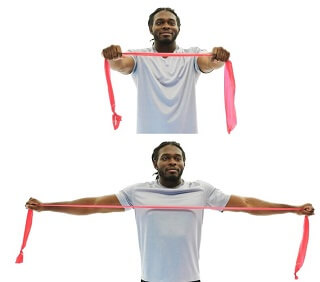
  1. External and Internal Rotations: Using resistance bands or light weights, these exercises target the rotator cuff muscles, crucial for shoulder stability.
  2. Scapular Push-Ups: Focuses on the muscles that stabilize the shoulder blade, promoting better posture and shoulder mechanics.
  3. Shoulder Taps: A core and shoulder stability exercise that involves alternating taps to the opposite shoulder while in a plank position.
  4. Face Pulls: Using resistance bands or a cable machine, this exercise strengthens the upper back and shoulder stabilizers.
  5. Overhead Carries: Holding a weight overhead while walking challenges the shoulder stabilizers and improves overall shoulder endurance.

Shoulder stability training is a vital component of a hockey player’s fitness regimen. By focusing on injury prevention, enhancing performance, improving upper body strength and endurance, promoting better posture and biomechanics, and aiding in rehabilitation, shoulder stability exercises help players stay healthy and perform at their best.

At River East Chiropractic, we understand the unique demands of hockey and offer comprehensive services, including chiropractic care, acupuncture, massage therapy, and personal training, to help you achieve your goals. Our full gym is equipped with everything you need to incorporate shoulder stability training into your routine. Our experienced staff is dedicated to helping you become a stronger, faster, and more durable athlete. Whether you’re recovering from an injury or looking to enhance your performance, River East Chiropractic is here to support your journey every step of the way.


Chronic Pain and Mental Health: Effective Management Strategies


Pain is a universal experience, yet its impact on mental health is often underestimated. Chronic pain, in particular, can have profound negative effects on a person’s psychological well-being, leading to a vicious cycle of physical and emotional suffering. This blog post will explore the intricate relationship between pain and mental health, shedding light on how pain affects our minds and offering strategies to manage this dual burden.

The Connection Between Pain and Mental Health

  1. Emotional Toll of Chronic Pain

Living with chronic pain is exhausting and can lead to a host of emotional issues. Persistent pain can cause feelings of frustration, helplessness, and hopelessness. When pain is severe and unrelenting, it can overshadow other aspects of life, making it difficult to experience joy or satisfaction. This emotional distress can exacerbate pain perception, creating a cycle where pain and negative emotions feed into each other.

  1. Depression and Anxiety

Chronic pain is closely linked to depression and anxiety. Research indicates that individuals with chronic pain are at a significantly higher risk of developing these mental health conditions. Pain can lead to changes in brain chemistry, reducing levels of neurotransmitters like serotonin and dopamine, which are crucial for mood regulation. The constant struggle with pain can also lead to anticipatory anxiety—worrying about future pain episodes—and generalized anxiety about one’s health and well-being.

  1. Sleep Disruptions

Pain often interferes with sleep, leading to insomnia or poor-quality sleep. Lack of restorative sleep can have serious repercussions on mental health, increasing irritability, mood swings, and cognitive difficulties. Over time, the cumulative effect of sleep deprivation can significantly impair emotional resilience and coping mechanisms.

  1. Social Isolation

Chronic pain can limit an individual’s ability to engage in social activities, leading to isolation and loneliness. The fear of experiencing pain in public or the physical limitations imposed by pain can make social interactions daunting. This withdrawal from social life can lead to a sense of disconnection and loneliness, further contributing to depression and anxiety.

  1. Cognitive Impairment

Pain demands a lot of mental energy and can impair cognitive functions such as memory, attention, and decision-making. Chronic pain sufferers often report difficulties concentrating and experiencing “brain fog.” These cognitive challenges can hinder everyday functioning and exacerbate feelings of frustration and incompetence, impacting self-esteem and overall mental health.

Strategies to Manage Pain and Improve Mental Health

  1. Mind-Body Practices

Techniques such as mindfulness meditation, yoga, and tai chi can help manage both pain and the associated emotional distress. These practices promote relaxation, improve pain tolerance, and enhance overall well-being. They also teach skills for managing stress and anxiety, which can reduce the perception of pain.

  1. Cognitive Behavioral Therapy (CBT)

CBT is a well-established psychological intervention for managing chronic pain. It helps individuals reframe negative thought patterns and develop coping strategies. By addressing the cognitive aspects of pain, CBT can reduce its emotional impact and improve mental health outcomes.

  1. Physical Activity

Regular physical activity, tailored to an individual’s capabilities, can be beneficial for managing chronic pain. Exercise releases endorphins, which are natural painkillers and mood elevators. It also helps maintain physical function and mobility, preventing the deconditioning that can worsen pain and its psychological effects.

  1. Support Networks

Connecting with others who understand the challenges of living with chronic pain can provide emotional support and practical advice. Support groups, both in-person and online, offer a sense of community and shared understanding. Family and friends can also play a crucial role in providing support, though it’s important to communicate openly about needs and limitations.

  1. Professional Help

Seeking help from healthcare professionals, including doctors, psychologists, and physical therapists, can provide comprehensive pain management strategies. These professionals can offer medications, therapies, and interventions tailored to an individual’s specific condition and needs. In some cases, interdisciplinary pain management programs that integrate medical, psychological, and physical therapies can be particularly effective.

  1. Integrative Therapies

Chiropractic care, acupuncture, and massage therapy can also play a role in managing chronic pain and its mental health effects. These therapies can help reduce pain, improve physical function, and promote relaxation and stress relief.

The relationship between pain and mental health is complex and bidirectional. Chronic pain can significantly impact mental health, leading to depression, anxiety, sleep disturbances, social isolation, and cognitive impairment. However, by adopting a holistic approach that includes mind-body practices, cognitive behavioral therapy, physical activity, social support, professional help, and integrative therapies, individuals can manage pain more effectively and improve their mental well-being.

At River East Chiropractic, we understand the multifaceted nature of pain and its impact on mental health. Our comprehensive approach includes chiropractic care, acupuncture, massage therapy, and more, all designed to help you manage pain and enhance your quality of life. Whether you’re dealing with chronic pain or looking to improve your overall well-being, our team is here to support you every step of the way.

Understanding Pronator Syndrome and How Chiropractic Care Can Help

The median nerve begins in your neck and travels down your arm to your hand. This nerve is responsible for sensation on the palm side of your first 3 ½ fingers and also controls some of the muscles that flex your fingers. The median nerve can sometimes become entrapped near your elbow as it travels through a muscle called the “pronator teres.” Compression of the median nerve by the pronator muscle is known as Pronator Syndrome.

What Causes Pronator Syndrome? Pronator syndrome is often brought on by prolonged or repeated wrist and finger movements, such as gripping with the palm down. Carpenters, mechanics, assembly line workers, tennis players, rowers, and weight lifters are predisposed to this problem. The condition is more common in people with excessively developed forearm muscles and is also more common in the dominant arm.

Symptoms of Pronator Syndrome

Pronator syndrome produces symptoms very similar to the more common carpal tunnel syndrome, another cause of median nerve compression. Symptoms of pronator syndrome include:

  • Numbness, tingling, or discomfort on the palm side of your thumb, index, middle finger, and half of your ring finger.
  • Discomfort often begins near the elbow and radiates toward your hand.
  • Symptoms are likely aggravated by gripping activities, especially those that involve rotation of the forearm, such as turning a doorknob or screwdriver.
  • Unlike carpal tunnel syndrome, pronator syndrome symptoms are not generally present at night.
  • You may sometimes feel as though your hands are clumsy.
  • In more severe cases, hand weakness can develop.

Avoid Repetitive Movements

To help resolve your condition, you should avoid activities that involve repetitive hand and forearm movements. The most important aspect of your treatment plan is to avoid repetitive forceful gripping.

Treatment Options for Pronator Syndrome at River East Chiropractic

Fortunately, River East Chiropractic offers several treatment options to help resolve your symptoms. Our new facility includes chiropractic care, acupuncture, massage, occupational therapy, and a full gym to provide a comprehensive approach to managing and treating pronator syndrome.

Chiropractic Care for Pronator Syndrome

Chiropractic care offers a non-drug, non-surgical method of treatment that many pronator syndrome sufferers utilize and benefit from. Chiropractors can perform adjustments and provide manual therapies to reduce nerve compression and alleviate pain.

Acupuncture and Massage Therapy

Acupuncture can help by stimulating specific points to reduce pain and inflammation, improving overall nerve function. Massage therapy helps to relax tight muscles, reduce inflammation, and improve circulation, which can alleviate symptoms of pronator syndrome.

Occupational Therapy and Strength Training

Our occupational therapists can guide you through exercises and ergonomic adjustments to strengthen the forearm muscles and improve posture, reducing strain on the median nerve. Additionally, our full gym offers resources for strength training under professional supervision, ensuring that exercises are performed correctly and safely.

Comprehensive Care for Long-Term Relief

At River East Chiropractic, we believe in a holistic approach to health. Our integrated services ensure that you receive personalized care tailored to your specific needs. By addressing the root causes of pronator syndrome and providing effective, non-invasive treatments, we help you achieve long-term relief and improved quality of life.

Contact River East Chiropractic Today

If you’re experiencing symptoms of pronator syndrome, don’t let it interfere with your daily activities. Contact River East Chiropractic today to schedule a consultation and learn more about how our comprehensive services can help you find relief. Our team of skilled professionals is here to support you on your journey to a pain-free and active lifestyle.

Managing Spinal Stenosis: Effective Strategies and Chiropractic Care

The term “stenosis” refers to the narrowing of a tube or opening. In the context of spinal stenosis, it means that the space surrounding your spinal cord and nerve roots has become constricted, leading to nerve compression. This condition can develop in various ways.

Some individuals are born with a spinal canal that is naturally too small, a condition known as congenital stenosis. Others may experience a narrowing of the canal due to surgery or conditions like disc bulges. However, the most common cause of spinal stenosis is chronic arthritic changes, which gradually narrow the canal over many years, typically leading to symptoms later in life.

Patients with spinal stenosis often experience pain, tingling, numbness, or weakness in their legs. While lower back pain may also be present, leg symptoms tend to be more pronounced and troublesome. Symptoms often worsen with standing or walking and improve with sitting or leaning forward, as these positions affect the amount of space available in the spinal canal. Activities like walking downhill can be particularly uncomfortable, whereas walking uphill or pushing a shopping cart or lawn mower can provide relief by promoting slight forward flexion. Sleeping in a fetal position with a pillow between the knees is often the most comfortable position.

The progression of spinal stenosis can vary significantly among individuals. Many patients find that their symptoms remain relatively stable over time. Others may experience either improvement or worsening of their condition. It is important to inform your doctor if you notice symptoms such as coldness, swelling, or changes in the color of your legs. Additionally, report any fever, unexplained weight loss, flu-like symptoms, excessive thirst or urination, numbness in the groin area, or loss of bladder control.

Although there is no non-surgical cure for spinal stenosis, there are effective treatments available to alleviate symptoms and improve mobility. Our treatment plans focus on enhancing your ability to walk and perform daily activities. You will receive exercises designed to improve your conditioning. It is important to avoid activities that exacerbate your pain, such as heavy lifting or prolonged standing, especially those that involve extending your back. If you must stand for extended periods, try elevating one foot on a stool or bar rail for relief. When washing dishes, opening a cabinet door and resting one foot inside the cabinet can provide some flexion and comfort. Recumbent cycling is often a more tolerable form of exercise compared to walking or running. Some patients also find relief using an inversion table.

In addition to these strategies, chiropractic care offers an excellent option for managing spinal stenosis. Chiropractors specialize in the health of the spine and nervous system, focusing on maintaining proper alignment and function. Regular chiropractic adjustments can help alleviate pain, improve mobility, and reduce inflammation, all of which are critical for managing spinal stenosis. By addressing misalignments and promoting optimal spinal health, chiropractic care can help prevent the compensatory patterns that often develop with untreated spinal issues. This approach not only helps in managing pain and discomfort but also supports overall well-being and enhances your quality of life.

By understanding and managing spinal stenosis through these strategies, including chiropractic care, you can maintain a more active and comfortable lifestyle despite the condition.

Discover the Fountain of Youth: The Power of Regular Exercise

Looking for the fountain of youth? Look no further than exercise. Research shows that regular exercise will reduce inflammation in your body, lead to healthier heart and lungs, reduce body fat, increase energy and now, it appears, reverse aging.

Researchers at the Mayo Clinic have found that HIIT workouts might reverse some of the signs of aging when performed 3 times a week.

Understanding Hamstring Strains: Causes, Symptoms, and Recovery Tips

Ever felt a sharp pain in the back of your thigh while running or after an intense workout? You might be dealing with a hamstring strain. Your hamstring consists of a group of muscles at the back of your thigh that help flex your knee, essentially bringing your heel towards your buttock.

What Exactly is a Hamstring Strain?

When we talk about a “strain,” we’re referring to a muscle or its tendon being stressed beyond its limit. Picture a rope that’s been pulled too hard and starts to fray. That’s similar to what happens to your hamstring when it’s forced to contract beyond its capacity, often during activities like running or stretching excessively. This overstretching can cause tearing, leading to bleeding, bruising, swelling, pain, and a noticeable loss of function.

How to Identify a Hamstring Strain

The symptoms can range from mild discomfort to severe pain, largely depending on the extent of the tissue damage. Did you know over 90% of hamstring strains happen suddenly? Most people feel a tearing, burning, or popping sensation accompanied by immediate pain just below the buttock. Common symptoms include:

  • Increased pain when straightening your leg, walking, or bending forward.
  • Bruising near the injury site.
  • Severe pain extending into your lower back or calf.
  • Pain that worsens with coughing or sneezing.
  • A rash on the back of your thigh.

If you experience these symptoms, especially if they worsen or don’t improve, it’s crucial to consult a doctor.

Why Do Hamstring Strains Happen?

Hamstring injuries often occur when muscles are tired from activity, and they become more frequent as we age. Other risk factors include:

  • Excessive tightness or weakness in the hamstring.
  • Quadriceps muscles that are significantly stronger than the hamstring.
  • Poor core strength.
  • Poor running form.

Managing and Treating Hamstring Strains

The good news? Most hamstring strains can be effectively managed with conservative care, like the treatments we offer at our office. The healing period varies depending on the injury’s location and severity. Injuries near the ischial tuberosity (the bones you sit on) typically take longer to heal than those further down the muscle.

Initial Care Tips:

  1. Ice Therapy: Apply ice or perform an ice massage on the injured area for 15 minutes at a time, up to once per hour.
  2. Compression: Using an ACE wrap or compression bandage can help limit swelling.
  3. Medications: The use of NSAIDs is controversial as some studies suggest they might delay healing.
  4. Mobility Aids: For severe injuries, crutches might be necessary to avoid further strain.

While recovering, it’s important to avoid high-impact activities like running and jumping. Instead, opt for low-impact exercises like stationary cycling or swimming.

Preventing Future Strains

Recurrent hamstring injuries can take twice as long to heal as the initial one, so prevention is key. Ensure you:

  • Allow adequate healing time.
  • Consistently perform your recommended exercises.
  • Warm up properly before any physical activity.

By following these steps, you can reduce the risk of future strains and maintain a healthy, active lifestyle.

Bowling and Chiropractic Care: The Winning Team

Whether you’re a seasoned league player or just enjoy hitting the lanes with friends on the weekends, you know that bowling is more than just a game – it’s a way of life. But did you know that chiropractic care can be a game-changer for bowlers of all skill levels? That’s right, folks – it’s time to spare a few minutes and talk about why chiropractic is crucial for keeping you at the top of your bowling game.

Let’s start by rolling into the basics: your body. Bowling might not seem like the most physically demanding sport, but anyone who’s spent hours at the alley knows that it can take a toll on your body. All that bending, twisting, and lunging can put a serious strain on your muscles and joints, leading to aches, pains, and even injuries. That’s where chiropractic care comes in.

Chiropractors are experts in the musculoskeletal system, which means they know a thing or two about keeping your body in tip-top shape. By using hands-on techniques like spinal adjustments, soft tissue therapy, and corrective exercises, chiropractors can help relieve tension, improve flexibility, and restore proper alignment to your spine and joints. And when your body is functioning at its best, you can bet your bowling form will be too.

Now, let’s talk about performance. Whether you’re trying to up your average or just aiming to beat your buddies in a friendly game, every bowler wants to knock down more pins. And guess what? Chiropractic care can help with that too. By addressing imbalances in your body, chiropractors can help improve your posture, enhance your balance and coordination, and even boost your power and accuracy on the lanes. That’s right – with a little help from your friendly neighborhood chiropractor, you could be rolling strikes like never before.

But it’s not just about the physical aspect of the game – chiropractic care can also give you a mental edge on the lanes. Let’s face it – bowling is as much a mental game as it is a physical one. And when your body is feeling good, your mind is free to focus on the task at hand: picking up that tricky spare or nailing that perfect strike. Plus, regular chiropractic adjustments have been shown to reduce stress and anxiety, improve concentration, and enhance overall well-being – all of which can help you stay cool, calm, and collected under pressure.

Now, I know what you’re thinking: “But I’m not injured, so why do I need to see a chiropractor?” Great question! The truth is, chiropractic care isn’t just for treating injuries – it’s also about preventing them. By keeping your body in alignment and addressing any imbalances or weaknesses before they become major issues, chiropractors can help you stay injury-free and rolling strikes for years to come.

So whether you’re a casual bowler or a league champion, don’t overlook the importance of chiropractic care for your bowling game. Schedule regular check-ups with your chiropractor, incorporate corrective exercises into your routine, and listen to your body – it’ll thank you for it on the lanes. And who knows? With a little help from chiropractic, you might just be the next big thing in bowling.

The Importance of Resistance Training for Seniors: Building Strength and Independence

Hey there, seniors! Let’s talk about resistance training – you know, pumping some iron, lifting weights, or using resistance bands. Now, I know what you might be thinking: “Isn’t that just for bodybuilders and young gym buffs?” Well, think again! Resistance training is actually super important for seniors too, and here’s why:

First off, let’s address the elephant in the room: muscle loss. As we age, our muscles tend to shrink and weaken, a process called sarcopenia. It’s like our muscles are saying, “Hey, I’m retiring early!” But here’s the thing – resistance training can help combat this muscle loss. By lifting weights or using resistance bands, seniors can build and maintain muscle mass, keeping them strong and functional well into their golden years.

And speaking of functionality, let’s talk about everyday activities. Whether it’s carrying groceries, climbing stairs, or even just getting out of a chair, these tasks require strength and stability. Resistance training helps improve both, making it easier to tackle daily activities with confidence and ease.

But wait, there’s more! Resistance training isn’t just about muscles – it’s also great for bones. As we age, our bones can become weaker and more prone to fractures. But resistance training puts stress on the bones, which actually helps strengthen them over time. So not only will you be flexing those muscles, but you’ll also be giving your bones a workout too!

Now, let’s address the elephant in the room: fear of injury. I get it – the idea of lifting weights or using resistance bands might seem daunting, especially if you’re not used to it. But here’s the good news: resistance training can be tailored to your fitness level and abilities. You don’t need to be pumping massive weights or doing crazy exercises. Start slow, use light weights or resistance bands, and gradually increase the intensity as you get stronger. And always remember to listen to your body – if something doesn’t feel right, don’t push it.

So, seniors, let’s make resistance training a priority in our fitness routines. Not only will it help us stay strong, functional, and independent, but it’ll also keep us feeling young at heart. So grab those weights, strap on those resistance bands, and let’s show the world that age is just a number – and we’re not letting it slow us down!

Optimizing Athletic Performance: The Role of Chiropractic Care

Athletes constantly push their bodies to the limit, striving for peak performance and excellence in their chosen sports. However, this intense physical activity can take a toll on the body, leading to a variety of musculoskeletal issues and injuries. That’s where regular chiropractic care comes in. By incorporating chiropractic treatment into their training regimen, athletes can experience numerous benefits that enhance their performance, prevent injuries, and promote overall well-being.

  1. Improved Range of Motion and Flexibility: Athletes rely on optimal joint mobility and flexibility to perform at their best. Regular chiropractic adjustments help ensure that the spine and joints are properly aligned, reducing restrictions and allowing for improved range of motion. By addressing spinal misalignments and muscle imbalances, chiropractors can help athletes achieve greater flexibility, enabling them to move more freely and efficiently on the field or court.
  2. Enhanced Recovery and Rehabilitation: Injuries are an inevitable part of sports participation, but how athletes manage and recover from these injuries can significantly impact their long-term performance. Chiropractic care plays a crucial role in the rehabilitation process, helping athletes recover faster and return to play sooner. Chiropractors use a variety of techniques, such as spinal adjustments, soft tissue therapy, and rehabilitative exercises, to promote healing, reduce inflammation, and restore function to injured areas.
  3. Prevention of Sports-Related Injuries: Prevention is always better than treatment when it comes to sports injuries. Regular chiropractic adjustments can help identify and address biomechanical imbalances and dysfunctional movement patterns before they lead to injury. By correcting spinal misalignments and improving joint function, chiropractors help athletes maintain proper posture and alignment, reducing the risk of overuse injuries, strains, and sprains.
  4. Pain Management and Relief: Athletes often experience aches, pains, and discomfort as a result of their intense training and competition. Chiropractic care offers a natural, drug-free approach to pain management, providing relief from musculoskeletal conditions such as back pain, neck pain, shoulder pain, and headaches. By addressing the underlying causes of pain, chiropractors help athletes manage their symptoms more effectively and improve their overall quality of life.
  5. Optimal Performance and Function: When the body is functioning at its best, athletes can perform at their peak potential. Chiropractic adjustments help ensure that the nervous system, which controls every function in the body, is functioning optimally. By removing interference in the nervous system caused by spinal misalignments, chiropractors help improve communication between the brain and the body, leading to better coordination, balance, and proprioception.
  6. Individualized Care and Treatment Plans: Every athlete is unique, with specific goals, needs, and challenges. Chiropractors understand this and provide personalized care and treatment plans tailored to each athlete’s individual needs. Whether it’s addressing a specific injury, optimizing performance, or enhancing recovery, chiropractors work closely with athletes to develop customized treatment strategies that support their athletic goals and aspirations.
  7. Holistic Approach to Health and Wellness: Chiropractic care takes a holistic approach to health and wellness, focusing on the body’s innate ability to heal itself. In addition to spinal adjustments, chiropractors may incorporate other modalities such as soft tissue therapy, corrective exercises, nutritional counseling, and lifestyle recommendations to support overall health and well-being. By addressing the root cause of health issues and promoting balance within the body, chiropractors help athletes achieve optimal health and performance.

In conclusion, regular chiropractic care is essential for athletes looking to optimize their performance, prevent injuries, and maintain overall health and well-being. By addressing spinal misalignments, improving joint function, and supporting the body’s natural healing processes, chiropractors play a crucial role in helping athletes reach their full potential on and off the field. Whether you’re a professional athlete or a weekend warrior, incorporating chiropractic care into your training regimen can make a significant difference in your athletic performance and longevity.

The Significance of Proper Footwear for Health and Performance

When it comes to health and well-being, many people overlook the significance of proper footwear. Yet, the shoes you wear can have a profound impact on your overall health, comfort, and performance in various activities. Whether you’re running a marathon, working a long shift on your feet, or simply going about your daily routine, choosing the right footwear is crucial. Let’s explore why proper footwear matters and how it can benefit you in the long run.

  1. Provides Support and Stability: One of the primary functions of footwear is to provide support and stability for your feet and ankles. Properly designed shoes with adequate arch support, cushioning, and heel support can help distribute weight evenly, reduce strain on your joints, and prevent injuries such as sprains and strains. Whether you have flat feet, high arches, or any other foot condition, wearing shoes that offer the right support can help alleviate discomfort and improve your overall posture and alignment.
  2. Prevents Foot Problems: Wearing ill-fitting or unsupportive shoes can contribute to a host of foot problems, including blisters, calluses, corns, and ingrown toenails. Over time, these issues can lead to more serious conditions such as plantar fasciitis, bunions, and even stress fractures. By choosing footwear that fits properly and provides adequate support, you can minimize the risk of developing these painful foot conditions and maintain healthy feet for years to come.
  3. Enhances Performance: Whether you’re an athlete or simply enjoy staying active, wearing the right shoes can enhance your performance and help you achieve your fitness goals. Running shoes with proper cushioning and traction can improve your speed, endurance, and agility while reducing the risk of injury. Similarly, specialized footwear for sports such as basketball, tennis, and soccer can provide the support and stability you need to perform at your best on the court or field.
  4. Supports Overall Health: Believe it or not, the shoes you wear can have a ripple effect on your overall health and well-being. Chronic foot pain or discomfort can affect your mobility and quality of life, leading to decreased physical activity and potential weight gain. By investing in proper footwear that promotes comfort and support, you can stay active, maintain a healthy weight, and reduce the risk of developing chronic conditions such as obesity, diabetes, and heart disease.
  5. Boosts Confidence: Lastly, wearing stylish and comfortable shoes that complement your outfit can boost your confidence and self-esteem. When you look good and feel good from head to toe, you exude confidence and positivity in every aspect of your life. Whether you’re dressing for a job interview, a special occasion, or a casual outing with friends, choosing the right footwear can make all the difference in how you present yourself to the world.

In conclusion, proper footwear is essential for maintaining foot health, preventing injuries, enhancing performance, and supporting overall well-being. Whether you’re shopping for athletic shoes, work boots, or everyday sneakers, prioritize comfort, support, and quality to ensure you’re giving your feet the care they deserve. Your feet carry you through life’s journey, so treat them well by choosing the right shoes for every occasion.