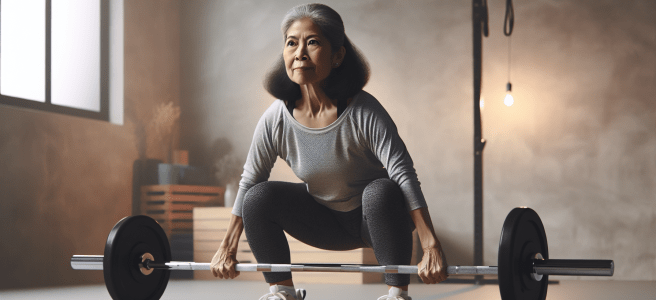
The Importance of Resistance Training for Seniors: Building Strength and Independence

Hey there, seniors! Let’s talk about resistance training – you know, pumping some iron, lifting weights, or using resistance bands. Now, I know what you might be thinking: “Isn’t that just for bodybuilders and young gym buffs?” Well, think again! Resistance training is actually super important for seniors too, and here’s why:

First off, let’s address the elephant in the room: muscle loss. As we age, our muscles tend to shrink and weaken, a process called sarcopenia. It’s like our muscles are saying, “Hey, I’m retiring early!” But here’s the thing – resistance training can help combat this muscle loss. By lifting weights or using resistance bands, seniors can build and maintain muscle mass, keeping them strong and functional well into their golden years.

And speaking of functionality, let’s talk about everyday activities. Whether it’s carrying groceries, climbing stairs, or even just getting out of a chair, these tasks require strength and stability. Resistance training helps improve both, making it easier to tackle daily activities with confidence and ease.

But wait, there’s more! Resistance training isn’t just about muscles – it’s also great for bones. As we age, our bones can become weaker and more prone to fractures. But resistance training puts stress on the bones, which actually helps strengthen them over time. So not only will you be flexing those muscles, but you’ll also be giving your bones a workout too!

Now, let’s address the elephant in the room: fear of injury. I get it – the idea of lifting weights or using resistance bands might seem daunting, especially if you’re not used to it. But here’s the good news: resistance training can be tailored to your fitness level and abilities. You don’t need to be pumping massive weights or doing crazy exercises. Start slow, use light weights or resistance bands, and gradually increase the intensity as you get stronger. And always remember to listen to your body – if something doesn’t feel right, don’t push it.

So, seniors, let’s make resistance training a priority in our fitness routines. Not only will it help us stay strong, functional, and independent, but it’ll also keep us feeling young at heart. So grab those weights, strap on those resistance bands, and let’s show the world that age is just a number – and we’re not letting it slow us down!


Optimizing Athletic Performance: The Role of Chiropractic Care

Athletes constantly push their bodies to the limit, striving for peak performance and excellence in their chosen sports. However, this intense physical activity can take a toll on the body, leading to a variety of musculoskeletal issues and injuries. That’s where regular chiropractic care comes in. By incorporating chiropractic treatment into their training regimen, athletes can experience numerous benefits that enhance their performance, prevent injuries, and promote overall well-being.

  1. Improved Range of Motion and Flexibility: Athletes rely on optimal joint mobility and flexibility to perform at their best. Regular chiropractic adjustments help ensure that the spine and joints are properly aligned, reducing restrictions and allowing for improved range of motion. By addressing spinal misalignments and muscle imbalances, chiropractors can help athletes achieve greater flexibility, enabling them to move more freely and efficiently on the field or court.
  2. Enhanced Recovery and Rehabilitation: Injuries are an inevitable part of sports participation, but how athletes manage and recover from these injuries can significantly impact their long-term performance. Chiropractic care plays a crucial role in the rehabilitation process, helping athletes recover faster and return to play sooner. Chiropractors use a variety of techniques, such as spinal adjustments, soft tissue therapy, and rehabilitative exercises, to promote healing, reduce inflammation, and restore function to injured areas.
  3. Prevention of Sports-Related Injuries: Prevention is always better than treatment when it comes to sports injuries. Regular chiropractic adjustments can help identify and address biomechanical imbalances and dysfunctional movement patterns before they lead to injury. By correcting spinal misalignments and improving joint function, chiropractors help athletes maintain proper posture and alignment, reducing the risk of overuse injuries, strains, and sprains.
  4. Pain Management and Relief: Athletes often experience aches, pains, and discomfort as a result of their intense training and competition. Chiropractic care offers a natural, drug-free approach to pain management, providing relief from musculoskeletal conditions such as back pain, neck pain, shoulder pain, and headaches. By addressing the underlying causes of pain, chiropractors help athletes manage their symptoms more effectively and improve their overall quality of life.
  5. Optimal Performance and Function: When the body is functioning at its best, athletes can perform at their peak potential. Chiropractic adjustments help ensure that the nervous system, which controls every function in the body, is functioning optimally. By removing interference in the nervous system caused by spinal misalignments, chiropractors help improve communication between the brain and the body, leading to better coordination, balance, and proprioception.
  6. Individualized Care and Treatment Plans: Every athlete is unique, with specific goals, needs, and challenges. Chiropractors understand this and provide personalized care and treatment plans tailored to each athlete’s individual needs. Whether it’s addressing a specific injury, optimizing performance, or enhancing recovery, chiropractors work closely with athletes to develop customized treatment strategies that support their athletic goals and aspirations.
  7. Holistic Approach to Health and Wellness: Chiropractic care takes a holistic approach to health and wellness, focusing on the body’s innate ability to heal itself. In addition to spinal adjustments, chiropractors may incorporate other modalities such as soft tissue therapy, corrective exercises, nutritional counseling, and lifestyle recommendations to support overall health and well-being. By addressing the root cause of health issues and promoting balance within the body, chiropractors help athletes achieve optimal health and performance.

In conclusion, regular chiropractic care is essential for athletes looking to optimize their performance, prevent injuries, and maintain overall health and well-being. By addressing spinal misalignments, improving joint function, and supporting the body’s natural healing processes, chiropractors play a crucial role in helping athletes reach their full potential on and off the field. Whether you’re a professional athlete or a weekend warrior, incorporating chiropractic care into your training regimen can make a significant difference in your athletic performance and longevity.

The Significance of Proper Footwear for Health and Performance

When it comes to health and well-being, many people overlook the significance of proper footwear. Yet, the shoes you wear can have a profound impact on your overall health, comfort, and performance in various activities. Whether you’re running a marathon, working a long shift on your feet, or simply going about your daily routine, choosing the right footwear is crucial. Let’s explore why proper footwear matters and how it can benefit you in the long run.

  1. Provides Support and Stability: One of the primary functions of footwear is to provide support and stability for your feet and ankles. Properly designed shoes with adequate arch support, cushioning, and heel support can help distribute weight evenly, reduce strain on your joints, and prevent injuries such as sprains and strains. Whether you have flat feet, high arches, or any other foot condition, wearing shoes that offer the right support can help alleviate discomfort and improve your overall posture and alignment.
  2. Prevents Foot Problems: Wearing ill-fitting or unsupportive shoes can contribute to a host of foot problems, including blisters, calluses, corns, and ingrown toenails. Over time, these issues can lead to more serious conditions such as plantar fasciitis, bunions, and even stress fractures. By choosing footwear that fits properly and provides adequate support, you can minimize the risk of developing these painful foot conditions and maintain healthy feet for years to come.
  3. Enhances Performance: Whether you’re an athlete or simply enjoy staying active, wearing the right shoes can enhance your performance and help you achieve your fitness goals. Running shoes with proper cushioning and traction can improve your speed, endurance, and agility while reducing the risk of injury. Similarly, specialized footwear for sports such as basketball, tennis, and soccer can provide the support and stability you need to perform at your best on the court or field.
  4. Supports Overall Health: Believe it or not, the shoes you wear can have a ripple effect on your overall health and well-being. Chronic foot pain or discomfort can affect your mobility and quality of life, leading to decreased physical activity and potential weight gain. By investing in proper footwear that promotes comfort and support, you can stay active, maintain a healthy weight, and reduce the risk of developing chronic conditions such as obesity, diabetes, and heart disease.
  5. Boosts Confidence: Lastly, wearing stylish and comfortable shoes that complement your outfit can boost your confidence and self-esteem. When you look good and feel good from head to toe, you exude confidence and positivity in every aspect of your life. Whether you’re dressing for a job interview, a special occasion, or a casual outing with friends, choosing the right footwear can make all the difference in how you present yourself to the world.

In conclusion, proper footwear is essential for maintaining foot health, preventing injuries, enhancing performance, and supporting overall well-being. Whether you’re shopping for athletic shoes, work boots, or everyday sneakers, prioritize comfort, support, and quality to ensure you’re giving your feet the care they deserve. Your feet carry you through life’s journey, so treat them well by choosing the right shoes for every occasion.

Combatting Opioid Misuse: Non-Opioid Alternatives for Low Back Pain

The opioid crisis remains a pressing concern globally, demanding concerted efforts to educate both the public and healthcare professionals on non-opioid alternatives. This urgency is underscored by the significant role of low back pain as a primary driver of opioid overuse.

Low back pain stands as a leading cause of disability worldwide, according to the Global Burden of Disease 2010 report, and ranks among the most common reasons for missed work days. Approximately half of working Americans report experiencing back pain annually, with an estimated 80% of the population encountering back problems at some point in their lives. Importantly, the majority of back pain cases are mechanical or non-organic, unrelated to serious conditions like inflammatory arthritis or cancer.

The economic burden of back pain is substantial, with Americans spending over $50 billion annually on related costs alone. Amidst this backdrop, promoting awareness of non-pharmaceutical treatment options emerges as a crucial strategy in mitigating opioid overprescription.

Recent research by Dr. James Whedon highlights the efficacy of chiropractic care in reducing reliance on opioids. By employing a multidimensional approach encompassing spinal manipulation, rehabilitative exercise, and lifestyle modifications, chiropractic interventions offer a viable alternative for managing low back pain without resorting to prolonged drug therapy or surgery.

Empowering individuals and healthcare providers with knowledge of these non-opioid treatment modalities represents a pivotal step in combatting opioid misuse. By fostering a culture of informed decision-making and comprehensive pain management strategies, we can mitigate the burden of opioid abuse and enhance patient outcomes in the management of low back pain.

TV Screen Time Linked to 30% Higher Child Hypertension Risk

Health Alert: Watching Two or More Hours of TV a Day Increases Hypertension Risk in Children.

A groundbreaking study published in the International Journal of Cardiology in February 2015 has unveiled alarming correlations between sedentary behaviors and childhood hypertension. Delving into the intricate relationship between screen time and physical activity, researchers discovered unsettling statistics: spending more than two hours daily in front of a TV screen elevates a child’s risk of high blood pressure by a staggering 30%. Equally concerning is the revelation that engaging in less than one hour of physical activity per day amplifies the risk of hypertension by a staggering 50%.

These findings underscore the profound impact of lifestyle choices on cardiovascular health, particularly during the formative years of childhood. The authors of the study emphasize the pervasiveness of sedentary behaviors in infancy and their persistence into later stages of life, sounding a clarion call for urgent intervention.

The implications of these findings reverberate far beyond the realm of childhood health, permeating societal norms and public health agendas. As sedentary habits become increasingly pervasive in modern lifestyles, addressing the root causes of inactivity assumes paramount importance in mitigating the burgeoning epidemic of hypertension among children.

Armed with this knowledge, healthcare practitioners, policymakers, and parents alike are tasked with orchestrating concerted efforts to promote physical activity and limit sedentary behaviors among children. By fostering environments conducive to active living and instilling healthy habits from an early age, we can stem the tide of childhood hypertension and cultivate a generation primed for lifelong cardiovascular wellness.

Cervicogenic Headaches: Impact of Abnormal Neck Posture Revealed

Chiropractic: Abnormal Neck Posture Associated with Headache Risk.

In a groundbreaking study published in the February 2015 issue of Physical Therapy, researchers delved into the intricate relationship between cervicogenic headaches and cervical lordosis. By meticulously analyzing neck x-rays from individuals suffering from cervicogenic headaches and contrasting them with those from healthy controls, the researchers unearthed a striking correlation. Even a subtle 3-4° variance in cervical lordosis was discovered to be intimately linked with an 8% escalation in the likelihood of developing this debilitating type of headache. This finding not only underscores the profound impact of cervical curvature on health outcomes but also accentuates the pivotal role of physical therapy in managing such conditions. With such revelations, healthcare practitioners gain invaluable insights into the nuanced mechanisms underlying cervicogenic headaches, paving the way for more targeted and effective interventions to alleviate patient suffering and enhance overall well-being.

Diet: Are Fruits and Vegetables Good for Your Lungs?

Diet: Are Fruits and Vegetables Good for Your Lungs?

A meta-analysis of 38 studies indicates that eating fruits and vegetables can have a protective effect on the lungs. After reviewing data concerning nearly five million individuals, researchers conclude that consuming up to two servings of fruit and two servings of vegetables per day is associated with as much as a 16% reduced risk for developing lung cancer. Lung Cancer, February 2015

From the “No Kidding” files: Light Activity Good for Seniors’ Hearts.

Exercise: Light Activity Good for Seniors’ Hearts.

Light physical activity appears to benefit older adults’ hearts even if they suffer from mobility issues. Research involving almost 1,200 elderly adults with limited mobility revealed that those who fit some movement into their day, such as light housework or slow walking, had a lower risk of suffering a heart attack over the following ten years. Senior researcher Dr. Thomas Buford adds, “I think this and other studies are showing us it’s never too late for people to benefit from physical activity.” Journal of the American Heart Association, February 2015

Lifestyle Factors and Low Back Pain: Key Findings

The latest findings presented at the American Academy of Orthopedic Surgeons annual meeting shed light on the intricate relationship between lifestyle factors and the prevalence of low back pain. Drawing upon a comprehensive review of data encompassing 26 million individuals, researchers unveiled compelling associations between smoking, alcohol consumption, obesity, and the incidence of back pain.

According to the study, individuals who smoke, consume alcohol excessively, and/or are classified as obese face a significantly heightened risk of experiencing low back pain compared to their counterparts who abstain from these behaviors and maintain a healthy weight. Specifically, smokers, alcohol-dependent drinkers, and obese individuals were found to be between four and five times more likely to report current back pain symptoms.

These findings underscore the profound impact of lifestyle choices on musculoskeletal health, highlighting the potential for behavioral modifications to mitigate the burden of low back pain. By adopting healthier habits, such as smoking cessation, moderation in alcohol consumption, and weight management, individuals can potentially alleviate the severity of their back pain symptoms and enhance their overall quality of life.

Furthermore, these findings underscore the importance of adopting a holistic approach to low back pain management, one that addresses not only the physical manifestations of pain but also the underlying lifestyle factors contributing to its onset and persistence. By empowering individuals to make informed choices and adopt healthier behaviors, healthcare providers can play a pivotal role in promoting musculoskeletal health and preventing the onset of debilitating conditions such as low back pain.

American Academy of Orthopaedic Surgeons, March 2015