Why Does My Back Hurt?

What is a Trigger Point?
Trigger Points (TP’s) are defined as a “hyper-irritable spot within a taut band of skeletal muscle. The spot is painful on compression and can evoke characteristic referred pain and autonomic phenomena.”1
Put into plain language, a TP is a painful knot in muscle tissue that can refer pain to other areas of the body. You have probably felt the characteristic achy pain and stiffness that TP’s produce, at some time in your life.
TP’s were first brought to the attention of the medical world by Dr. Janet G. Travell. Dr. Travell, physician to President John F. Kennedy, is the acknowledged Mother of Myofascial Trigger Points. In fact, “Trigger Point massage, the most effective modality used by massage therapists for the relief of pain, is based almost entirely on Dr. Travell’s insights.”2 Dr. Travell’s partner in her research was Dr. David G. Simons, a research scientist and aerospace physician.
Trigger Points are very common. In fact, Travell and Simons state that TP’s are responsible for, or associated with, 75% of pain complaints or conditions.1 With this kind of prevalence, it’s no wonder that TP’s are often referred to as the “scourge of mankind”.
Trigger Points can produce a wide variety of pain complaints. Some of the most common are migraine headaches, back pain, and pain and tingling into the extremities. They are usually responsible for most cases of achy deep pain that is hard to localize.
A TP will refer pain in a predictable pattern, based on its location in a given muscle. Also, since these spots are bundles of contracted muscle fibres, they can cause stiffness and a decreased range of motion. Chronic conditions with many TP’s can also cause general fatigue and malaise, as well as muscle weakness.
Trigger Points are remarkably easy to get, but the most common causes are
TP’s (black X) can refer pain to other areas (red)
Sudden overload of a muscle
Once in place, a TP can remain there for the remainder of your life unless an intervention takes place.
Trigger Points Not Well Known
With thousands of people dealing with chronic pain, and with TP’s being responsible for — or associated with — a high percentage of chronic pain, it is very disappointing to find that a large portion of doctors and other health care practitioners don’t know about TP’s and their symptoms.
Scientific research on TP’s dates back to the 1700’s. There are numerous medical texts and papers written on the subject.
But, it still has been largely overlooked by the health care field. This has led to needless frustration and suffering, as well as thousands of lost work hours and a poorer quality of life.
How Are Trigger Points Treated?
As nasty and troublesome as TP’s are, the treatment for them is surely straight-forward. A skilled practitioner will assess the individual’s pain complaint to determine the most likely location of the TP’s and then apply one of several therapeutic modalities, the most effective of which is a massage technique called “ischemic compression”.
Basically, the therapist will apply a firm, steady pressure to the TP, strong enough to reproduce the symptoms. The pressure will remain until the tissue softens and then the pressure will increase appropriately until the next barrier is felt. This pressure is continued until the referral pain has subsided and the TP is released. (Note: a full release of TP’s could take several sessions.)
Other effective modalities include dry needling (needle placed into the belly of the TP) or wet needling (injection into the TP). The use of moist heat and stretching prove effective, as well. The best practitioners for TP release are Massage Therapists, Physiotherapists, and Athletic Therapists. An educated individual can also apply ischemic compression to themselves, but should start out seeing one of the above therapists to become familiar with the modality and how to apply pressure safely.
1 Simons, D.G., Travell, D.G., & Simons, L.S. Travell and Simons’Myofascial Pain and Dysfunction: the Trigger Point Manual.
Vol. 1. 2nd ed. Lippincott, Williams, and Wilkins, 1999.

Patellofemoral pain syndrome (PFPS), also called “Runners Knee”, describes the symptom complex of knee discomfort, swelling, or crepitus that results from excessive or imbalanced forces acting on the joint. It is the most common cause of knee pain in the general population, affecting an estimated 25% of adults.
PFPS is most commonly related to lateral tracking of the patella. The patella has a natural tendency to migrate laterally due to the pull of the quadriceps and the slight natural valgus of the lower extremity. A new study in the Journal of Sports Medicine (1) provides additional confirmation that when managing patellofemoral pain syndrome, clinicians must address two critical yet often overlooked issues.
This study concludes that PFPS and dynamic knee valgus do not arise primarily from knee dysfunction, rather from hip abductor/ external rotator weakness and/or foot hyperpronation.
“The most effective intervention programs included exercises targeting the hip external rotator and abductor muscles and knee extensor muscles.” and “PFPS patients with foot abnormalities, such as those with increased rearfoot eversion or pes pronatus, may benefit the most from foot orthotics.”
Since gluteus medius and VMO weakness are key factors in the development of PFPS, strengthening exercises that target those muscles prove most effective. Stabilization exercises may include pillow push (push the back of your knee into a pillow for 5-6 seconds), supine heel slide, terminal knee (short-arc) extension, clam, glut bridge, semi-stiff deadlift, posterior lunge, and monster walk.
Myofascial release and stretching should be directed at hypertonic muscles, including the TFL, gastroc, soleus, hamstring, piriformis, hip rotators, and psoas. Myofascial release or IASTM may be appropriate for tightness in the iliotibial band, vastus lateralis, posterior hip capsule, and lateral knee retinaculum.
Manipulation may be necessary for restrictions in the lumbosacral and lower extremity joints. Hypermobility is common in the ipsilateral SI joint with restrictions present contralaterally. Evidence has shown that patellar tracking braces, i.e. BioSkin® or PatellaPro®, may lead to better outcomes.
Lifestyle modification may be necessary to reduce pain-provoking endeavors, especially running, jumping and other activities that induce a valgus stress. Athletes should avoid allowing their knee to cross in front of their toes while squatting. Arch supports or custom orthotics may be necessary to correct hyperpronation. Runners should avoid cross-over gaits and change shoes every 250 to 500 miles.
.
.
.
.
.
.
.
#pain
#kneepain
#chiropractic
#fitness
#sports
#wellness
#fitness
#healthyliving
#healthychoices
#Winnipeg
References
1. Petersen W, Rembitzki I, Liebau C. Patellofemoral pain in athletes. Open Access Journal of Sports Medicine. 2017;8:143-15
Pain is a universal experience that can significantly impact our quality of life, mobility, and overall well-being. While pain management often involves medication or surgery, many people are turning to chiropractic care as a natural and holistic approach to pain relief. In this article, we’ll delve into the connection between chiropractic care and pain relief and explore how chiropractic treatments can help alleviate various types of pain.
Understanding Chiropractic Care
Chiropractic care is a branch of alternative medicine that focuses on the diagnosis, treatment, and prevention of musculoskeletal disorders, particularly those affecting the spine. Chiropractors use hands-on techniques, such as spinal adjustments, manipulations, and soft tissue therapies, to realign the spine, improve joint mobility, and restore proper function to the nervous system.
The Role of Chiropractic Care in Pain Relief
Chiropractic care is widely recognized for its effectiveness in relieving pain, particularly in the back, neck, and joints. Here’s how chiropractic treatments can help alleviate pain:
Conditions Treated by Chiropractic Care
Chiropractic care can effectively treat a wide range of acute and chronic pain conditions, including:
Conclusion
Chiropractic care offers a safe, natural, and drug-free approach to pain relief that focuses on addressing the underlying causes of pain and dysfunction. By restoring proper alignment to the spine, optimizing nervous system function, and promoting overall musculoskeletal health, chiropractic treatments can help alleviate pain, improve mobility, and enhance quality of life. If you’re experiencing pain or discomfort, consider consulting with a qualified chiropractor to explore how chiropractic care can help you find relief and restore your health and vitality.

In recent years, laser therapy has emerged as a popular non-invasive treatment option for a variety of health conditions, ranging from pain management to skin rejuvenation. But what exactly is laser therapy, and how does it work? In this article, we’ll provide an overview of laser therapy and explore its therapeutic benefits.
What Is Laser Therapy?
Laser therapy, also known as low-level laser therapy (LLLT) or photobiomodulation, involves the use of low-intensity laser light to stimulate cellular activity and promote healing. Unlike surgical lasers that cut or vaporize tissue, therapeutic lasers emit low-level light energy that penetrates the skin without causing damage.
How Does Laser Therapy Work?
The exact mechanisms of action of laser therapy are not fully understood, but research suggests several ways in which it may exert its therapeutic effects:
1. Cellular Energy Production: Laser light is absorbed by chromophores (light-sensitive molecules) within cells, leading to an increase in cellular energy production. This boost in energy metabolism can enhance cell function and accelerate tissue repair processes.
2. Reduction of Inflammation: Laser therapy has been shown to reduce inflammation by inhibiting the production of pro-inflammatory molecules and promoting the release of anti-inflammatory cytokines. This anti-inflammatory effect can help alleviate pain and swelling associated with various conditions.
3. Stimulation of Blood Flow: Laser therapy can improve circulation by dilating blood vessels and increasing blood flow to the treated area. Improved blood flow delivers oxygen and nutrients to tissues, promotes the removal of metabolic waste products, and accelerates the healing process.
4. Pain Modulation: Laser therapy can modulate pain perception by affecting nerve conduction and transmission. It may stimulate the production of endorphins, which are natural pain-relieving compounds produced by the body, leading to pain relief and enhanced comfort.
5. Tissue Repair and Regeneration: Laser therapy has been shown to stimulate the proliferation of fibroblasts (cells involved in tissue repair) and promote the synthesis of collagen and other extracellular matrix components. This can help repair damaged tissues, promote wound healing, and reduce scar formation.
Benefits of Laser Therapy
Laser therapy offers several benefits as a non-invasive treatment option:
In conclusion, laser therapy is a safe, effective, and versatile treatment option that harnesses the power of light to promote healing and alleviate pain. Whether you’re seeking relief from chronic pain, recovering from an injury, or looking to improve the appearance of your skin, laser therapy may offer a gentle and non-invasive solution to help you feel your best.
Pain is a complex experience influenced by a myriad of factors, both physical and psychological. While the physical origins of pain are often emphasized, the role of mental health in the perception and intensification of pain cannot be understated. This blog post delves into the intricate relationship between mental health and pain, exploring how emotional and psychological states can amplify physical discomfort and offering strategies to manage this challenging interplay.
Pain is not just a physical sensation but a subjective experience influenced by the brain’s interpretation of sensory signals. The brain processes pain signals and integrates them with emotional and cognitive inputs. Mental health conditions like depression and anxiety can alter this processing, often heightening the perception of pain. Negative emotions and stress can make pain feel more intense and less bearable.
Depression is commonly associated with increased pain perception. People with depression often report higher levels of pain intensity and greater pain-related disability. Depression can lower the pain threshold, making minor discomforts feel more severe. It also disrupts sleep, which is crucial for pain management and healing, and reduces the production of serotonin and endorphins, neurotransmitters that help mitigate pain.
Anxiety can exacerbate pain through a variety of mechanisms. It can cause muscle tension, which may lead to pain or worsen existing pain conditions. Anxiety also triggers the body’s fight-or-flight response, releasing stress hormones like cortisol that can increase inflammation and pain sensitivity. Chronic anxiety can lead to hypervigilance, where the person becomes overly aware of bodily sensations, amplifying their perception of pain.
Chronic stress has a profound impact on pain. Stressful situations increase the body’s production of cortisol and adrenaline, which can lead to inflammation and heightened pain sensitivity. Stress also affects how pain signals are processed in the brain, often making pain feel more intense. Long-term stress can contribute to the development of chronic pain conditions and make them harder to manage.
Emotional trauma can leave lasting imprints on both mental and physical health. Traumatic experiences can lead to chronic pain conditions like fibromyalgia and irritable bowel syndrome. The body often stores emotional pain in physical form, manifesting as chronic pain in various regions, such as the back, neck, or shoulders. Trauma can disrupt the nervous system, making it more reactive to pain stimuli.
Practicing mindfulness and meditation can help manage the mental health aspects of pain. These techniques promote relaxation, reduce stress, and improve emotional regulation. Mindfulness helps break the cycle of negative thinking that often accompanies chronic pain, allowing individuals to experience pain with less emotional distress.
CBT is an effective therapy for managing the mental health impact of chronic pain. It helps individuals identify and change negative thought patterns and behaviors related to pain. CBT teaches coping strategies that can reduce the emotional burden of pain and improve overall quality of life.
Regular physical activity is beneficial for both mental health and pain management. Exercise releases endorphins, which are natural painkillers and mood elevators. It also helps reduce muscle tension, improve sleep, and increase overall physical function. Tailored exercise programs can address specific pain conditions and improve mental health simultaneously.
Maintaining a healthy lifestyle can significantly impact both pain and mental health. Adequate sleep, a balanced diet, and hydration are crucial for managing pain and emotional well-being. Avoiding alcohol and drugs, which can exacerbate both pain and mental health issues, is also important.
Building a strong support network can provide emotional and practical assistance in managing pain. Friends, family, support groups, and mental health professionals can offer understanding, encouragement, and strategies to cope with the challenges of chronic pain.
Seeking help from healthcare providers who understand the connection between mental health and pain is essential. Integrated care that addresses both physical and psychological aspects of pain can lead to better outcomes. Therapists, psychologists, and pain specialists can work together to create a comprehensive treatment plan.
The relationship between mental health and pain is complex and intertwined. Depression, anxiety, stress, and emotional trauma can all amplify the experience of pain, making it more difficult to manage. By understanding this connection and adopting strategies to address both mental health and pain, individuals can break the cycle and improve their quality of life.
At River East Chiropractic, we recognize the importance of a holistic approach to pain management. Our team of professionals, including chiropractors, acupuncturists, massage therapists, and fitness experts, is dedicated to helping you achieve optimal health and well-being. By addressing both physical and mental aspects of pain, we aim to provide comprehensive care that enhances your overall quality of life. Whether you’re dealing with chronic pain or seeking to improve your mental health, we’re here to support you every step of the way.
The importance of good posture extends beyond mere appearance, encompassing a multitude of health benefits that are often overlooked. By maintaining proper alignment of bones and joints, good posture helps reduce stress on ligaments, minimizing the risk of injury. Moreover, it prevents muscle strain, overuse, and pain, promoting overall musculoskeletal health.
Efficient posture also conserves energy, as muscles are utilized more effectively and efficiently. This not only enhances physical performance but also reduces fatigue and promotes endurance. Additionally, by decreasing abnormal joint wear, good posture helps preserve joint integrity and function over time.
Furthermore, research has highlighted the far-reaching implications of posture on mental and emotional well-being. Poor posture has been linked to increased feelings of depression, potentially exacerbating mood disorders and negatively impacting mental health. Moreover, posture can influence the function of the digestive tract, with slouched postures potentially impeding digestion and exacerbating gastrointestinal discomfort.
Beyond physiological effects, posture plays a pivotal role in shaping confidence levels and managing stress. Maintaining an upright posture has been associated with heightened self-assurance and a greater sense of control, while slouched postures may contribute to feelings of insecurity and stress.
In summary, good posture serves as a cornerstone of overall health and well-being, exerting profound effects on both physical and mental health. By prioritizing proper posture habits, individuals can optimize their musculoskeletal health, reduce the risk of injury, and enhance their overall quality of life.
Athletes and the general public alike often develop compensation patterns when mild, non-debilitating injuries go untreated. These compensatory patterns can significantly impact performance, whether in sports or daily activities, often resulting in pain and difficulty in movement. Recognizing and addressing these issues is crucial for maintaining optimal functionality and quality of life.
Our office is dedicated to identifying, correcting, and preventing these dysfunctional patterns as part of our comprehensive care approach, especially for patients dealing with long-term pain. When it comes to acute injuries—those that are new or recent—our focus on preventing these patterns is paramount. Addressing them early can lead to a quicker and smoother return to sports, work, and daily life.
Untreated mild injuries can subtly alter the way we move, causing the body to adapt in ways that are not always beneficial. For example, an untreated sprained ankle might cause an individual to favor the uninjured foot, leading to imbalances and strain in other parts of the body. Over time, these imbalances can cause additional problems, such as knee, hip, or back pain. In athletes, even minor changes in movement patterns can lead to significant decreases in performance and an increased risk of further injury.
Our approach to care involves a thorough assessment of each patient’s movement patterns and injury history. This allows us to pinpoint areas where compensations may be occurring. By addressing these issues early, we can help prevent the development of chronic pain and dysfunction. For those already experiencing long-term pain, our goal is to correct these patterns to restore normal function and alleviate discomfort.
In acute injury cases, early intervention is key. When an injury is fresh, the body is in a heightened state of healing and adaptation. This is the ideal time to ensure that healing occurs correctly and that no maladaptive compensation patterns are established. Our treatment plans for acute injuries are designed to support the body’s natural healing processes while providing the guidance and interventions needed to maintain proper movement and function.
Preventing compensation patterns involves a combination of techniques tailored to each individual’s needs. This may include manual therapies to address soft tissue restrictions, joint mobilizations to restore proper alignment and movement, and corrective exercises to strengthen and retrain affected muscles. Education is also a critical component, as understanding how and why compensations occur can empower patients to make adjustments in their daily lives that support their recovery and long-term health.
For athletes, this approach not only helps in recovering from injuries but also enhances overall performance. By ensuring that movement patterns are efficient and free of compensations, athletes can move more effectively, reducing the risk of future injuries and optimizing their physical capabilities.
In conclusion, the development of compensation patterns following untreated mild injuries can lead to decreased performance and increased pain. Our office is committed to addressing these issues through a comprehensive approach that includes identifying, correcting, and preventing dysfunctional movement patterns. Whether dealing with chronic pain or recovering from a recent injury, our goal is to support our patients in achieving a quick and seamless return to their desired activities, free from pain and with improved functionality. Through early intervention and personalized care, we aim to enhance the quality of life and performance for all our patients.
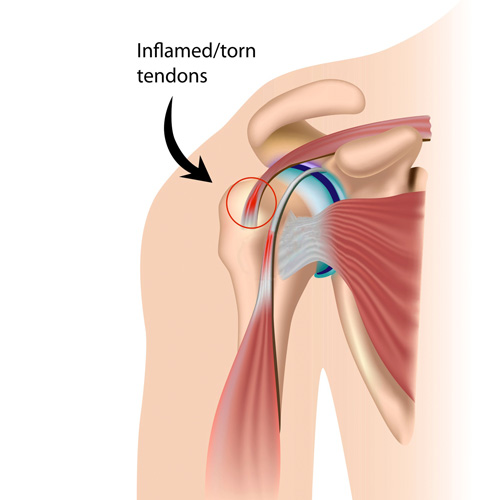
| Impingement syndrome |
| Impingement syndrome is an irritation of the structures between the upper portion of your arm and your shoulder blade mainly during overhead arm movements.The rotator cuff is comprised of four muscles that help position the humerus, your upper arm bone, into the shoulder socket during arm movement.The shoulder has great mobility but at the same time is prone to injury during falls or accident, or when there is a lack of motor control (altered biomechanics).Men over 40 performing manual labour are the most affected with this condition. It is also present in young athletes practicing sports involving repeated overhead motion such as swimming, baseball or tennis. ▬▬▬▬▬ Structures involved The tendons of the rotator cuff, ligaments of your shoulder and subacromial bursa are the most commonly affected structures. The subacromial space gets smaller during overhead movements. This can cause, over time, irritation, inflammation and/or a lesion of the rotator cuff tendons. |
▬▬▬▬▬
Signs & Symptoms that you may experience
Everyone will react differently after an injury and recovery will depend on the severity of it.
Impingement syndrome can cause but is not limited to, pain at the front of the shoulder and localized swelling. Pain or tightness is often felt when you lift your arm overhead or when you lower it from an elevated position. Pain can also be felt around your shoulder blade in your back.
Other early symptoms can include light pain with activities or during rest and in some cases, irradiating pain around your shoulder. In severe cases, you might feel pain at night and a loss of strength or range of motion. Impingement syndrome can lead to rotator cuff tendinitis or shoulder bursitis when left untreated.
▬▬▬▬▬
Recovery
Your rehabilitation plan, health, fitness & nutritional status will affect recovery speed. Most of the time, you can expect to recover fully from impingement syndrome. As a rule of thumb, this condition can take up to three months to fully recover.
▬▬▬▬▬▬▬▬▬▬▬▬▬▬▬▬▬▬▬▬▬▬▬▬▬▬▬▬▬▬▬▬▬▬▬▬▬▬▬▬▬▬▬▬▬▬▬▬▬ ▬▬▬▬▬▬▬▬▬▬▬▬▬▬▬▬▬▬▬▬▬▬▬▬▬▬▬▬▬▬
▶ WHAT TO DO
Early Stage
Relative rest is a good way to protect your shoulder and prevent further damage, but it’s important to avoid overprotecting your injury. A few days rest where you avoid pain-inducing movement and activities might be necessary. A quick but progressive return to your activities of daily living, light cardiovascular exercise and specific range of motion and strengthening exercises will allow better recovery.
Rehabilitation
Follow your practitioner’s advice. It will help you manage the different phases of the recovery process and will increase the likelihood of successful rehabilitation. Your practitioner will assist you during your rehabilitation program in order to regain your normal range of motion, strength and endurance, optimal motor control and functional status.
As per the principles of rehabilitation for impingement syndrome, movement training through therapeutic exercises is an important part of functional recovery. A progressive exercise program performed over a few weeks period is pretty standard.
▶ WHAT TO AVOID
Don’t rely on passive treatment only. Each phase of the rehabilitation process is important. Patients that are actively involved in their treatment plan tend to recover faster. Keep in mind that pain is not always a good indicator of tissue damage. As soon as you feel better and the pain is well managed in collaboration with your therapist, you should reintroduce light strengthening exercises as tolerated.

Bottom Line:
A recent research study found over 75% of people experience at least a moderate amount of stress every day!
Chronic stress is not fun to deal with, but did you know it can also affect your weight?
When you are stressed your body goes into survival (or “fight or flight”) mode which changes your hormonal balance. You don’t need to be running from a saber tooth tiger to enter fight or flight mode. Even everyday events like traffic and stress at work can cause you to have that physiological response.
Why it Matters:
Recent research suggests that chronic stress can result in:
When you are stressed out, it is more likely that you will over-eat and less likely that you will get enough sleep and exercise. Stress causes your body to release cortisol, a hormone that can produce a build-up of fatty tissue and cause weight gain. Cortisol increases both your appetite and the amount of fat the body stores. By recognizing your stressors, and engaging in a few simple relaxation techniques, you can learn to reduce your body’s natural stress response.
Next Steps:
Relaxation techniques such as meditation, yoga, or even simple breathing exercises can help your body counter the stress response. Also, exercise has been shown to decrease stress levels substantially.
The next time you are feeling stressed out, take a moment to breathe a few deep breaths and try to get some exercise into your schedule that day. Not only will you feel better mentally, but your body will be able to reduce the amount of Cortisol produced which will limit your body’s fat storage and help curb any thoughts of over-eating. Staying fit and trim does start in your head!
Science Source(s):
Hair Cortisol and Adiposity in a Population‐Based Sample of 2,527 Men and Women Aged 54 to 87 Years. Obesity 2017