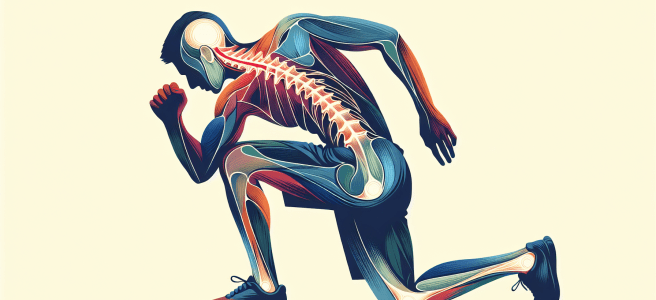
The Importance of Proper Desk Posture: How to Maintain Health and Productivity

Photo by Emirhan Albayrak on Pexels.com

In today’s digital age, many of us spend a significant portion of our day sitting at a desk, working on a computer. While this lifestyle is common, it can lead to various health issues if proper posture is not maintained. Poor desk posture can cause back pain, neck strain, headaches, and even long-term musculoskeletal problems. This blog post will outline the importance of proper desk posture and provide practical tips to help you maintain a healthy, productive work environment.

Why Proper Desk Posture Matters

1. Reduces Back and Neck Pain: Improper posture, such as slouching or leaning forward, places undue stress on the spine and neck muscles. Over time, this can lead to chronic pain and discomfort. Maintaining proper posture helps to distribute weight evenly and reduce strain on these areas.

2. Improves Breathing and Circulation: Slouching compresses your chest and lungs, making it harder to breathe deeply. Proper posture opens up your chest, allowing for better oxygen flow and improving circulation throughout your body.

3. Enhances Concentration and Productivity: When your body is aligned correctly, you are less likely to experience discomfort and fatigue. This can enhance your concentration, allowing you to stay focused and productive throughout the day.

4. Prevents Long-term Health Issues: Consistently poor posture can lead to serious long-term health issues, such as herniated discs, muscle imbalances, and even nerve compression. Proper posture helps to prevent these conditions, promoting overall health and well-being.

Tips for Maintaining Proper Desk Posture

1. Choose the Right Chair: Your chair plays a crucial role in maintaining proper posture. Choose a chair that supports the natural curve of your spine, has adjustable height, and provides adequate lumbar support. Your feet should rest flat on the floor or on a footrest, with your knees at a 90-degree angle.

2. Position Your Monitor at Eye Level: Place your computer monitor directly in front of you at eye level. This prevents you from tilting your head up or down, which can strain your neck. The top of the screen should be at or slightly below eye level, and about an arm’s length away from you.

3. Keep Your Back Straight: Sit back in your chair with your back straight and shoulders relaxed but not slouched. Use a lumbar cushion if necessary to support the natural curve of your lower back.

4. Adjust Your Desk and Keyboard: Your desk should be at a height where your forearms are parallel to the floor when typing. Keep your keyboard and mouse close enough that you don’t have to stretch to reach them, and ensure your wrists are in a neutral position.

5. Take Regular Breaks: Sitting in the same position for extended periods can lead to stiffness and discomfort. Take short breaks every 30 minutes to stand up, stretch, and move around. This helps to alleviate tension and improve circulation.

6. Maintain a Neutral Head Position: Keep your head aligned with your spine, avoiding the tendency to jut your chin forward. Imagine a string pulling your head upwards to maintain a neutral and relaxed position.

7. Use Proper Lighting: Ensure your workspace is well-lit to prevent eye strain. Position your monitor to avoid glare from windows or overhead lights. Consider using a desk lamp with adjustable brightness to reduce eye fatigue.

Incorporating Ergonomics into Your Workspace

Ergonomics is the science of designing a workspace that fits your body’s needs and promotes comfort and efficiency. Here are a few ergonomic tips to enhance your desk posture:

1. Ergonomic Accessories: Invest in ergonomic accessories such as a keyboard tray, an adjustable monitor stand, and a footrest. These tools can help you customize your workspace to suit your body’s requirements.

2. Desk Arrangement: Keep frequently used items within easy reach to avoid excessive stretching or twisting. Arrange your desk so that your phone, documents, and other essential items are conveniently accessible.

3. Proper Chair Adjustment: Adjust your chair’s height so that your feet are flat on the floor, and your thighs are parallel to the ground. Ensure the armrests are set at a height where your shoulders are relaxed, and your elbows are at a 90-degree angle.

Conclusion

Maintaining proper desk posture is essential for your health, productivity, and overall well-being. By making simple adjustments to your workspace and being mindful of your posture, you can prevent the discomfort and long-term health issues associated with prolonged sitting. Remember, your body is designed for movement, so incorporate regular breaks and stretches into your routine to stay active and healthy. Prioritize your posture today to enjoy a more comfortable and productive work environment tomorrow.

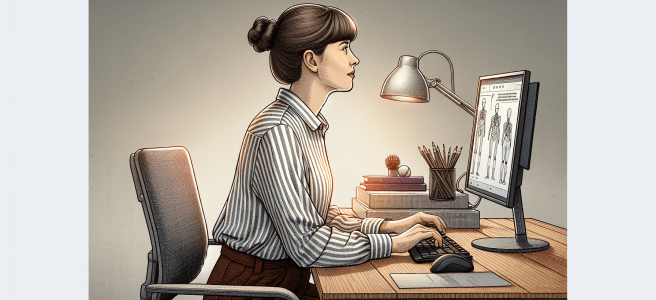
Effective Neck Pain Relief Through Chiropractic Care | River East Chiropractic

Neck pain is a common ailment that can range from mild discomfort to debilitating agony, affecting nearly everyone at some point in their lives. Whether it’s caused by poor posture, injury, stress, or underlying medical conditions, finding relief from neck pain is a top priority for many individuals. While there are various treatment options available, chiropractic care stands out as a non-drug, non-surgical approach that has helped countless neck pain sufferers find relief and improve their quality of life.

At River East Chiropractic, a state-of-the-art facility offering a comprehensive range of services including chiropractic, acupuncture, massage, occupational therapy, and a full gym, we understand the impact that neck pain can have on your daily life. That’s why we’re dedicated to providing effective, personalized care to help you overcome neck pain and regain mobility and comfort.

Chiropractic care focuses on the relationship between the spine and the nervous system, recognizing that misalignments or dysfunction in the spine can lead to various health issues, including neck pain. By using hands-on spinal adjustments and other manual techniques, chiropractors work to restore proper alignment and function to the spine, alleviating pressure on nerves and promoting healing.

For individuals suffering from neck pain, chiropractic adjustments can target specific areas of tension or misalignment in the neck and upper spine, providing relief from pain and stiffness. These adjustments are gentle, yet effective, and can be tailored to each patient’s unique needs and preferences.

In addition to chiropractic adjustments, our facility offers complementary therapies such as acupuncture and massage, which can further enhance the benefits of chiropractic care for neck pain relief. Acupuncture involves the insertion of thin needles into specific points on the body to stimulate energy flow and promote healing, while massage therapy helps to relax tight muscles, reduce inflammation, and improve circulation, all of which can contribute to neck pain relief and overall well-being.

Furthermore, our full gym and occupational therapy services provide additional avenues for addressing neck pain and improving physical function. Through targeted exercises, stretching techniques, and ergonomic modifications, our experienced therapists can help you strengthen muscles, improve posture, and prevent future episodes of neck pain.

One of the key benefits of chiropractic care for neck pain is its focus on addressing the underlying cause of the pain rather than just masking symptoms with medication. By identifying and correcting spinal misalignments or dysfunction, chiropractors can help restore balance to the musculoskeletal system, reduce inflammation, and promote natural healing processes.

If you’re experiencing neck pain, don’t let it hold you back from enjoying life to the fullest. Contact River East Chiropractic today to schedule a consultation and learn how chiropractic care can help alleviate your neck pain and improve your overall health and well-being. Our team of skilled professionals is here to provide compassionate, personalized care to help you live pain-free and thrive.

Managing Upper Crossed Syndrome with Chiropractic Care and Ergonomic Adjustments

Your posture is a cornerstone of your overall health, influencing everything from musculoskeletal function to internal organ function. Poor posture can lead to chronic strain and discomfort, affecting your daily life and long-term well-being. One common postural issue is known as “upper crossed syndrome,” characterized by excessive tightness in the shoulders and chest paired with weakness in the neck and mid-back muscles. This imbalance forces the shoulders to roll inward and the head to protrude forward, creating a cascade of negative effects throughout the body.

To grasp how upper crossed syndrome wreaks havoc, envision your spine as a sturdy telephone pole and your head as a heavy bowling ball atop it. When the bowling ball is positioned directly over the pole, minimal effort is needed to maintain balance. However, if the pole tilts forward and the ball threatens to roll off, the muscles must work tirelessly to prevent it from falling. This constant effort places undue strain on the muscles of the neck and upper back, leading to chronic discomfort and potential complications.

The repercussions of upper crossed syndrome extend beyond mere discomfort. It can contribute to a host of issues including neck pain, upper back pain, headaches, temporomandibular joint (TMJ) pain, and even arthritis over time. This postural distortion is particularly prevalent among individuals who spend prolonged periods at computer workstations, where slouching and forward head posture are common.

Addressing upper crossed syndrome requires a multifaceted approach aimed at correcting muscular imbalances and optimizing workstation ergonomics. Chiropractic care plays a pivotal role in this process, offering targeted interventions to restore postural alignment and alleviate associated discomfort. Through manual adjustments, chiropractors can realign misaligned vertebrae and alleviate pressure on nerves, facilitating improved posture and function.

Additionally, chiropractors provide guidance on stretches and exercises tailored to address muscle tightness and weakness characteristic of upper crossed syndrome. These exercises aim to elongate tight muscles, such as the chest and front shoulder muscles, while strengthening weakened muscles, particularly those in the neck and mid-back. By restoring muscular balance, chiropractic care helps alleviate strain on the spine and promote better postural alignment.

In conjunction with chiropractic interventions, modifying your workstation ergonomics is crucial for preventing and managing upper crossed syndrome. Simple adjustments, such as raising the computer monitor to eye level, using an ergonomic chair with proper lumbar support, and taking regular breaks to stretch and move, can significantly reduce strain on the neck and back muscles.

By addressing the root causes of upper crossed syndrome through a comprehensive approach that includes chiropractic care and ergonomic modifications, you can effectively manage discomfort and prevent long-term complications. Prioritizing good posture and seeking timely intervention from a chiropractor can help you maintain optimal musculoskeletal health and enjoy a more comfortable, pain-free lifestyle.

Understanding Neck Sprains and Strains: Beyond Auto Accidents and Sports Injuries

Auto accidents and sports injuries are the leading causes of neck sprains and strains, but they are not the only activities that can lead to these painful conditions. While these high-impact incidents are often the most obvious culprits, everyday actions and less traumatic activities can also contribute significantly to the development of neck sprains and strains.

Neck sprains and strains frequently arise from mundane activities such as reaching for items, pushing or pulling objects, moving heavy furniture or boxes, and experiencing falls. These actions, though seemingly benign, can place considerable stress on the muscles, tendons, and ligaments in the neck, especially when performed repeatedly or with poor posture. For example, consistently reaching for items on high shelves can strain the neck muscles over time, while pushing or pulling heavy objects can overload the tendons and ligaments, leading to gradual wear and tear.

Most commonly, neck sprains and strains are not caused by a single, isolated event but rather by the cumulative effect of repeated overloading. Tendons and ligaments are remarkably resilient structures that can handle isolated stressors well. However, when subjected to continuous and repetitive challenges, their ability to recover is compromised. This repeated stress can result in microtears and inflammation, eventually leading to more significant injuries. The analogy of bending a piece of copper wire illustrates this concept well: while the wire can withstand a certain amount of bending, constant and repetitive flexing will ultimately cause it to break. Similarly, the neck’s soft tissues can only endure so much before they too succumb to injury.

Auto accidents, often involving sudden deceleration and forceful impact, can cause the head and neck to whip forward and backward violently. This rapid movement, commonly referred to as whiplash, can result in severe sprains and strains as the neck’s tendons and ligaments are stretched beyond their normal range of motion. The forceful nature of such accidents can cause immediate and significant damage, leading to pain, stiffness, and reduced mobility.

Sports injuries, on the other hand, can result from direct impacts, falls, or sudden twists and turns. Contact sports like football, rugby, and hockey are particularly notorious for causing neck injuries due to the high likelihood of collisions and impacts. Even non-contact sports such as gymnastics or swimming can lead to neck strains and sprains if athletes perform movements that overstretch or overuse the neck muscles and ligaments.

The risk of neck sprains and strains is further exacerbated by poor posture and ergonomics in everyday activities. For instance, prolonged use of computers or smartphones often leads to forward head posture, where the head is positioned ahead of the shoulders. This posture increases the strain on the neck muscles and ligaments, making them more susceptible to injury. Similarly, sleeping in an awkward position or using inadequate pillows can also place undue stress on the neck, leading to discomfort and potential injury over time.

Preventing neck sprains and strains involves a combination of proper ergonomics, posture correction, and strength training. Ensuring that workspaces are set up ergonomically, taking frequent breaks to move and stretch, and strengthening the neck and shoulder muscles through targeted exercises can help mitigate the risk of these injuries. Additionally, being mindful of body mechanics during daily activities, such as lifting objects with proper technique and avoiding overreaching, can also reduce the likelihood of developing neck sprains and strains.

In summary, while auto accidents and sports injuries are the most common causes of neck sprains and strains, they are by no means the only factors. Everyday activities and repetitive stresses play a significant role in these injuries, highlighting the importance of awareness and preventive measures to maintain neck health and prevent long-term damage.

Understanding Neck Sprains and Strains: Causes and Symptoms

Your cervical spine, or neck, is made up of seven bones stacked on top of each other with a shock-absorbing disc between each level. Your neck is relatively flexible so it relies on muscles and ligaments for support. “Sprains” and “strains” are the result of these tissues being stretched too hard or too far, much like a rope that frays when it is stretched beyond its normal capacity.

Auto accidents and sports injuries are the leading causes of neck sprains and strains. Other less traumatic activities like reaching, pushing, pulling, moving heavy objects and falls can also trigger these problems. Most commonly, sprains and strains are not the result of any single event but rather from repeated overloading. Tendons and ligaments generally manage small isolated stressors quite well, but repetitive challenges lead to injury in much the same way that constantly bending a piece of copper wire will cause it to break.

Symptoms from a sprain/strain may begin abruptly but more commonly develop gradually. Complaints often include dull neck pain that becomes sharper when you move your head. Rest may relieve your symptoms but often leads to stiffness. The pain is generally centered in the back of your neck but can spread to your shoulders or between your shoulder blades. Tension headaches commonly accompany neck injuries.

Sprain/strain injuries cause your normal healthy elastic tissue to be replaced with less elastic “scar tissue”. This process can lead to ongoing pain and even arthritis. Seeking early and appropriate treatment, like the type provided in our office, is critical. Depending upon the severity of your injury, you may need to limit your activity for awhile- especially movements or activities that cause pain. Avoid heavy lifting and take frequent breaks from prolonged activity, particularly overhead activity. Following acute injuries, you can apply ice for 10-15 minutes each hour. Heat may be helpful after several days or for more chronic types of pain. http://ow.ly/i/uSftb

Understanding Thoracic Outlet Syndrome: Causes, Risk Factors, and Symptoms

Thoracic Outlet Syndrome

Thoracic outlet syndrome (TOS) occurs when nerves and blood vessels passing through the thoracic outlet, located just above the collarbone, become compressed. This compression leads to symptoms such as pain, numbness, or tingling in the arm, affecting daily activities and quality of life.

Several factors contribute to the development of TOS. Tight muscles in the neck and chest, as well as a narrow space between the first rib and collarbone, can cause compression. Additionally, individuals with an extra rib (cervical rib) or those who have experienced a recent neck injury are at increased risk of developing TOS.

Poor posture exacerbates TOS, making individuals who spend prolonged periods in positions that promote slouching, such as computer users, assembly line workers, and students, particularly susceptible. Athletes engaging in sports like swimming, volleyball, tennis, and baseball, which involve repetitive overhead movements, are also prone to TOS. Likewise, occupations like electricians and painters, requiring prolonged overhead activity, heighten the risk.

Symptoms of TOS manifest as arm pain, numbness, tingling, and possible weakness. These symptoms typically develop gradually and worsen with arm elevation or excessive head movement. Loss of grip strength may also occur, further impeding daily tasks.

Conservative treatments, like those provided by chiropractors, have shown efficacy in managing TOS symptoms. Avoiding activities that exacerbate symptoms, such as carrying heavy loads on the shoulder, is crucial. Measures like lightening the load of briefcases, laptop cases, or heavy shoulder bags can alleviate pressure on the thoracic outlet. Additionally, padding bra straps or opting for a sports bra may help reduce discomfort and prevent further aggravation of symptoms.

Overall, proactive management of TOS involves addressing contributing factors, modifying activities to reduce strain on the thoracic outlet, and seeking conservative treatments like chiropractic care to alleviate symptoms and improve quality of life. By adopting these strategies, individuals can effectively manage TOS and regain function and comfort in daily life.

Wellness/Prevention: Use of Media Devices Affect Teens’ Sleep Significantly.

Wellness/Prevention: Use of Media Devices Affect Teens’ Sleep Significantly.

A Norwegian study has found that if it takes more than an hour for a teenager to fall asleep, there is an almost 50% likelihood that they are spending more than four hours per day outside of school using electronic devices such as computers, TVs, smartphones, and MP3 players. The findings are of concern since the majority of teens in the United States report having at least one electronic device in their bedroom, and poor sleep has implications on school performance. The authors add, “The current recommendation is not to have a TV in the bedroom. It seems, however, that there may be other electronic devices exerting the same negative influence on sleep, such as PCs and mobile phones. The results confirm recommendations for restricting media use in general.” Scandinavian Journal of Public Health, November 2014

Chiropractic: More Sitting Time More Neck and Shoulder Pain.

Chiropractic: More Sitting Time More Neck and Shoulder Pain.

According to a study involving 118 males in blue-collar jobs across a variety of industries, those who spend nearly the whole workday sitting are nearly three times more likely to experience neck and shoulder pain than workers who spend more than half the workday on their feet.
International Archives of Occupational and Environmental Health, February 2015

Neck Pain Risk: The Influence of Exercise-Induced Fatigue on Proprioception

Chiropractic: Fatigue Is a Risk Factor for Neck Pain.

The intricate relationship between exercise-induced fatigue and neck proprioception, as elucidated in a study featured in Ortopedia, Traumatologia, Rehabilitacja in February 2015, sheds light on the multifaceted interplay between physical exertion and musculoskeletal health in healthy young adults.

Exercise-induced general fatigue, a common phenomenon experienced during and after vigorous physical activity, has been found to exert discernible effects on neck proprioception. Proprioception, the body’s innate ability to perceive the position and movement of its various body parts in space, plays a pivotal role in maintaining balance, stability, and postural alignment.

The study reveals that even subtle alterations in neck proprioception induced by exercise-induced fatigue can disrupt the delicate equilibrium of body stability and posture. This disruption may manifest as increased strain and tension in the head, neck, and shoulders, potentially predisposing individuals to neck pain and musculoskeletal discomfort.

By compromising the body’s ability to accurately perceive and adjust to changes in position and movement, reduced neck proprioception may place added stress on the cervical spine and surrounding musculature, exacerbating the risk of strain, injury, and pain.

These findings underscore the importance of integrating targeted interventions to enhance neck proprioception into exercise regimens, particularly among young adults engaged in vigorous physical activity. By incorporating exercises aimed at improving proprioceptive awareness, balance, and postural control, individuals can mitigate the adverse effects of exercise-induced fatigue on neck health, promoting optimal musculoskeletal function and well-being.

Moreover, these insights underscore the need for further research to elucidate the mechanisms underlying the relationship between exercise-induced fatigue, proprioception, and neck pain, paving the way for more effective preventive strategies and rehabilitative interventions in the realm of musculoskeletal rehabilitation.

Stiff neck??

One of the most common causes of a stiff neck are trigger points in the levator scapulae muscle. This muscle runs up the side of the neck from the top of the shoulder blade. It helps to shrug the shoulders and move and stabilize the neck. When trigger points form in this muscle they will produce pain and stiffness in the neck. Deep tissue trigger point massage applied to these knots is an effective treatment method.

Photo by Karolina Grabowska on Pexels.com